

An insecure attachment style in children develops when a child’s early caregiving environment fails to consistently meet their emotional and physical needs, leaving them without a reliable sense of safety in relationships. Rather than forming a secure base from which to explore the world, these children adapt their behavior and emotional expression to manage unpredictable, absent, or frightening caregivers. Those adaptations don’t disappear when childhood ends.
What makes this topic so important, especially for introverts thinking about their relationships, is how quietly these early patterns operate. They don’t announce themselves. They show up in how you respond when someone gets close, how you interpret a delayed text message, or how quickly you shut down during conflict. Understanding where those responses come from is one of the most clarifying things a person can do.
As an INTJ who spent decades observing human behavior in high-stakes professional environments, I’ve come to believe that most relationship difficulties aren’t personality failures. They’re echoes. And the earlier the echo, the louder it tends to be.
Much of what I write about relationships lives inside our Introvert Dating and Attraction hub, where we examine how introverts form connections, handle emotional complexity, and build partnerships that actually fit how they’re wired. Attachment theory runs through nearly all of it, because so much of how we love was shaped long before we had language for it.

What Does Insecure Attachment Actually Mean in Children?
Attachment theory, developed by John Bowlby and later expanded by Mary Ainsworth, describes the deep emotional bond that forms between a child and their primary caregiver. When that bond provides consistent comfort, attunement, and safety, a child develops what researchers call secure attachment. When it doesn’t, the child develops one of several insecure patterns as a way of coping.
What’s your personality type?
Take our free 40-question assessment and get a detailed personality profile with dimension breakdowns, context analysis, and personalised insights.
Discover Your Type8-12 minutes · 40 questions · Free
Ainsworth’s famous Strange Situation experiments identified three primary insecure patterns in children: anxious-ambivalent (sometimes called anxious-preoccupied), avoidant (dismissive), and a third category, disorganized, added later by Mary Main and Judith Solomon. Each pattern reflects a different adaptive strategy, not a character flaw, but a rational response to an irrational situation.
Children with anxious-ambivalent attachment become intensely distressed when separated from their caregiver, but are not easily soothed upon reunion. They’ve learned that care is inconsistent, so they amplify their distress signals to maximize the chance of getting a response. Their nervous system is essentially stuck in a heightened state of alertness.
Children with avoidant attachment appear remarkably self-sufficient. They don’t cry much when separated, and they don’t rush to reconnect when their caregiver returns. From the outside, they look fine. But physiological measures tell a different story: their stress hormones are elevated even when their behavior appears calm. They’ve learned that expressing need brings rejection, so they suppress the need entirely. The feelings exist. They’re just buried.
Disorganized attachment is the most complex and often the most painful. It tends to develop when the caregiver is simultaneously the source of fear and the source of comfort, as can happen in environments involving abuse, severe neglect, or a caregiver who is themselves deeply traumatized. The child has no coherent strategy because the person they need to run toward is also the person they need to run from. According to the American Psychological Association, early relational trauma of this kind can have lasting effects on emotional regulation and interpersonal functioning.
How Do Insecure Attachment Patterns Form in the First Place?
Attachment patterns don’t form from single incidents. They form from repeated relational experiences that teach a child what to expect from the people they depend on. A caregiver who is warm one day and withdrawn the next, or who responds to a child’s distress with irritation or dismissal, creates an unpredictable environment. The child’s developing nervous system does what all nervous systems do: it adapts.
Several factors shape how attachment develops. Caregiver sensitivity and responsiveness are central, but they’re not the only variables. A caregiver’s own unresolved attachment history matters significantly. Parents who haven’t processed their own childhood wounds often struggle to be fully present with their children’s emotional needs, not out of malice, but because the wiring runs deep. This is sometimes called the intergenerational transmission of attachment, and it’s one of the more sobering aspects of the research in this area.
Temperament plays a role too. The National Institutes of Health has noted that infant temperament can predict certain personality traits in adulthood, including introversion. A child who is more sensitive or reactive by nature may be more affected by caregiver inconsistency than a less sensitive child in the same environment. This doesn’t mean temperament determines attachment, but the two interact.
Environmental stressors compound things. Poverty, family instability, parental mental illness, substance abuse, and community violence all affect a caregiver’s capacity to be consistently available and attuned. It’s worth being clear: insecure attachment in children is rarely the result of a “bad” parent in any simple moral sense. More often, it’s the result of caregivers who were themselves overwhelmed, unsupported, or carrying wounds they never had help addressing.

I think about this when I reflect on some of the people I managed over the years in advertising. I had a creative director, genuinely talented, who would disappear emotionally every time a client gave critical feedback. He’d go quiet, pull back, become almost unreachable. At the time I read it as professional fragility. Looking back through what I now understand about attachment, I suspect he was doing what he’d always done when someone important to him expressed disappointment: making himself smaller, less visible, less vulnerable. That’s not a professional problem. That’s an old survival strategy showing up in a new context.
What Are the Signs of Each Insecure Attachment Style in Children?
Recognizing insecure attachment in children requires watching patterns over time, not reacting to isolated behaviors. All children have difficult moments. What matters is the overall shape of how a child relates to their caregivers and, eventually, to the world.
Anxious-Ambivalent Signs
Children with anxious-ambivalent attachment tend to be clingy and difficult to soothe. They may have intense separation anxiety that seems disproportionate to the situation. They often struggle to settle into play or exploration because their attention keeps returning to the caregiver’s whereabouts. Even when the caregiver is present, these children may seem unsatisfied, as though they can’t quite trust that the comfort will last. They may alternate between seeking closeness and pushing away in frustration.
It’s important not to frame this as the child being “too needy.” Their attachment system is hyperactivated because experience has taught them that needs are met inconsistently. Amplifying distress signals is a rational adaptation to that reality. The behavior is driven by a genuine fear of abandonment operating at the level of the nervous system, not by a character weakness or manipulation.
Avoidant Attachment Signs
Children with avoidant attachment often appear unusually independent for their age. They may show little visible distress when separated from caregivers, and they may seem indifferent or mildly dismissive upon reunion. They tend to focus on objects and tasks rather than people during stress. Caregivers sometimes describe these children as “easy” or “self-sufficient,” which can make the underlying pattern harder to spot.
What’s happening beneath the surface is more complex. These children have learned that expressing emotional need leads to rejection or withdrawal from the caregiver, so they suppress the need. The suppression is not conscious. Their stress response is active, even when their behavior looks calm. Recognizing this matters because these children often don’t get the support they need precisely because they look like they don’t need it.
Disorganized Attachment Signs
Disorganized attachment presents as contradictory or confused behavior, particularly in moments of stress. A child might approach the caregiver and then suddenly freeze, or might seem simultaneously drawn toward and frightened of the person they’re seeking comfort from. They may show unusual behaviors like rocking, dissociating, or acting in ways that seem out of context. According to research published in PubMed Central, disorganized attachment is associated with higher risk for later emotional and behavioral difficulties, particularly when it develops in contexts of relational trauma.
Disorganized attachment is sometimes correlated with certain personality and mood disorders in adulthood, but it’s worth being precise here: correlation is not identity. Not everyone with a disorganized attachment history develops a personality disorder, and not all people with personality disorders have disorganized attachment histories. These are different constructs that sometimes overlap.

How Do Childhood Attachment Styles Show Up in Adult Relationships?
This is where things get personal, and where the stakes become clear. The attachment strategies children develop don’t simply end when childhood does. They get carried forward into adult relationships as implicit relational templates: unconscious expectations about how relationships work, what intimacy means, and how safe it is to need another person.
Adults with anxious-preoccupied attachment (the adult version of anxious-ambivalent) tend to crave closeness while fearing abandonment intensely. They may monitor their partner’s behavior closely, interpret ambiguous signals as rejection, and struggle to feel secure even in stable relationships. Understanding the full emotional landscape of this experience is something I’ve explored in depth in the piece on introvert love feelings and how to work through them, because the emotional intensity often runs much deeper than the surface behavior suggests.
Adults with dismissive-avoidant attachment often value independence to a degree that makes intimacy feel threatening. They may genuinely enjoy solitude and self-reliance, which can look a lot like introversion from the outside. But there’s a critical distinction: introversion is about energy and preference, while dismissive-avoidant attachment is about emotional defense. An introvert can be deeply securely attached, fully comfortable with closeness and also comfortable with alone time. The two are independent dimensions. Confusing them does real harm to introverts who get misread as emotionally unavailable simply because they need quiet.
Adults with fearful-avoidant attachment (the adult version of disorganized) often want closeness intensely but also fear it deeply. They may oscillate between pursuing connection and withdrawing from it, which can be confusing for partners and exhausting for themselves. Understanding how this dynamic plays out is part of what makes the complete dating guide for highly sensitive people so relevant here, because fearful-avoidant patterns often intersect with high sensitivity in ways that compound the emotional complexity.
One of the more painful aspects of insecure attachment in adult relationships is how it can create self-fulfilling cycles. An anxiously attached person’s need for reassurance may eventually exhaust a partner, creating the very abandonment they feared. A dismissive-avoidant person’s emotional withdrawal may push away partners who genuinely wanted to stay close. These aren’t character flaws. They’re patterns playing out on autopilot, which is exactly why awareness matters so much.
I’ve watched this dynamic play out in professional settings too. Running an agency means managing relationships with clients, creative teams, and account staff simultaneously. Some of the most talented people I ever worked with had what I’d now recognize as anxious attachment patterns. They needed more reassurance than the average team member, and when they didn’t get it, their performance would suffer noticeably. I didn’t always handle that well in my earlier years. I tended toward the INTJ default of assuming competent adults didn’t need emotional management. That was wrong, and it cost me good people.
Can Insecure Attachment Styles Change Over Time?
Yes. This matters enormously, and it’s worth saying plainly because the opposite assumption, that you’re stuck with the attachment style you developed in childhood, causes real harm. Attachment orientations can and do shift across the lifespan. There is continuity, meaning childhood attachment does influence adult patterns, but it’s not deterministic. Significant relationships, life experiences, and especially therapeutic work can all move a person toward what researchers call “earned secure” attachment.
Earned secure attachment describes people who didn’t have secure childhoods but who have developed a coherent, integrated understanding of their early experiences and their effects. They’ve done the work, whether through therapy, meaningful relationships, or sustained self-reflection, and they’ve arrived at a place of relative security in how they relate to others. This is well-documented and genuinely hopeful.
Therapeutic approaches that have shown meaningful results with attachment-related difficulties include Emotionally Focused Therapy (EFT), schema therapy, and EMDR for those whose insecure attachment is connected to trauma. These aren’t quick fixes, and they require real engagement, but the capacity for change is real. The evidence base in this area, available through PubMed Central, continues to grow.
Corrective relationship experiences also matter. A consistently available, attuned partner can gradually help rewire relational expectations, though this works best when both people have some awareness of what’s happening. Asking a partner to heal your attachment wounds without understanding what those wounds are is a heavy and often unfair burden. Mutual awareness changes the dynamic significantly.
Understanding how introverts fall in love and what patterns emerge in those relationships is part of what makes this kind of self-knowledge so valuable. When you understand your own relational patterns, you can make more conscious choices about who you partner with and how you show up.
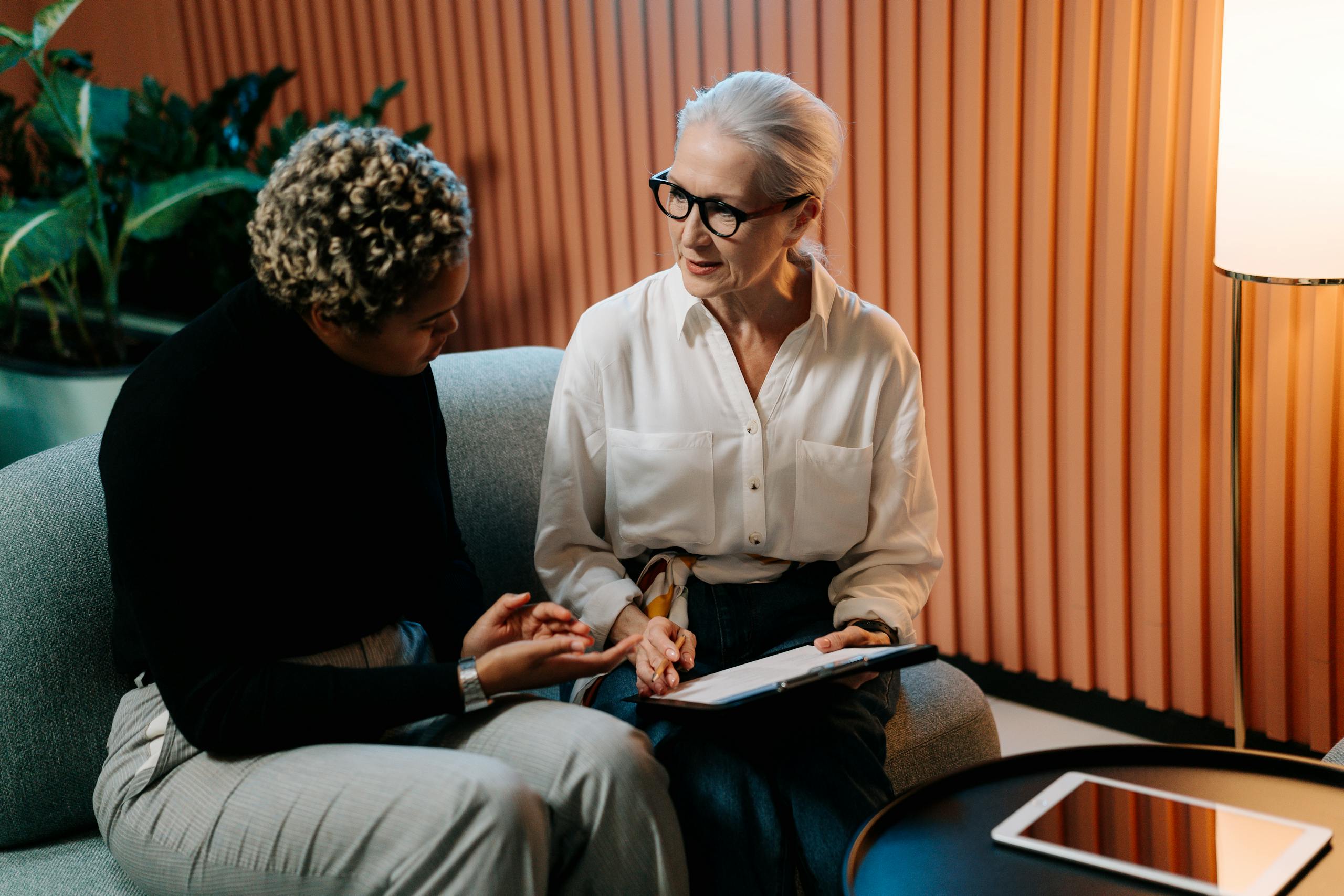
What Does Insecure Attachment Mean for Introverts Specifically?
Introverts bring a particular set of strengths and vulnerabilities to the attachment conversation. The capacity for deep internal reflection that many introverts carry means they’re often well-positioned to do the kind of self-examination that attachment healing requires. That same depth, though, can also mean that old relational wounds get processed more thoroughly, felt more acutely, and held longer.
One thing I’ve noticed in my own experience is that the introvert tendency to process internally can sometimes look like avoidant attachment from the outside. A partner might interpret silence and withdrawal as emotional unavailability when what’s actually happening is genuine processing. This is one reason why understanding how introverts express affection matters so much in relationships. The love language of an introvert often operates at a frequency that requires some translation.
For introverts with anxious attachment histories, the internal processing can intensify anxiety rather than resolve it. Spending hours alone ruminating on whether a partner’s tone of voice meant something is not the same as healthy reflection. It’s the attachment system running loops. Recognizing the difference between productive introspection and anxious rumination is a skill worth developing deliberately.
When two introverts are in a relationship together, attachment patterns can interact in particularly interesting ways. Two people with dismissive-avoidant tendencies may create a relationship that feels comfortable on the surface but lacks genuine emotional intimacy. Two people with anxious attachment may create a dynamic of mutual reassurance-seeking that becomes exhausting. The piece on what happens when two introverts fall in love explores these dynamics in detail, and attachment is woven through all of it.
Highly sensitive people, many of whom are also introverts, face particular challenges around insecure attachment because their nervous systems process emotional information more intensely. The Psychology Today overview of family dynamics offers useful context for understanding how sensitivity and early relational experiences interact. For HSPs handling conflict in relationships, the patterns shaped by early attachment are often especially present. The guide on handling conflict peacefully as an HSP addresses some of those specific challenges directly.
What Can Parents Do to Support Secure Attachment?
Secure attachment doesn’t require perfect parenting. It requires good enough parenting, which means being consistently responsive to a child’s needs more often than not, and repairing the relationship when ruptures happen. Repair matters as much as consistency. A parent who misattunes, recognizes it, and comes back to reconnect is teaching their child something valuable: relationships can survive difficulty, and people who care about you will come back.
Attunement is the core skill. It means noticing what a child is feeling, reflecting it back accurately, and responding in a way that helps the child feel seen and understood. This doesn’t mean solving every problem or preventing every distress. Children need to experience manageable stress and learn that they can cope. What they need from caregivers is the felt sense that they’re not alone in it.
Parents who are carrying their own unresolved attachment wounds may find this genuinely difficult. That’s not a moral failure. It’s a human one. Seeking support, whether through therapy, trusted relationships, or community, is not weakness. It’s one of the most protective things a parent can do for their child. Understanding how family dynamics shift in blended and complex family structures adds another layer of consideration for parents in non-traditional households.
For parents who recognize insecure attachment patterns in their children, early intervention makes a meaningful difference. Play therapy, family therapy, and caregiver-child interaction approaches have all shown positive results. success doesn’t mean eliminate all anxiety or difficulty from a child’s experience. It’s to help them develop a secure enough base that they can face difficulty without feeling fundamentally alone.

I didn’t have the language for any of this when I was building my career. I was operating on whatever relational templates I’d absorbed growing up, running agencies, managing teams, trying to lead in a way that felt authentic while also meeting the demands of an industry that rewards extroversion and emotional armor. What I know now is that the relational patterns I brought to my professional life had roots I hadn’t examined. Doing that examination, slowly, imperfectly, over years, changed how I lead, how I relate, and how I understand the people around me. That’s not a neat story with a tidy resolution. It’s ongoing work. But it’s worth doing.
There’s much more on how introverts build and sustain meaningful relationships in our full Introvert Dating and Attraction hub, where attachment, sensitivity, and relational depth are explored across a wide range of topics.
About the Author
Keith Lacy is an introvert who’s learned to embrace his true self later in life. After 20 years in advertising and marketing leadership, including running agencies and managing Fortune 500 accounts, Keith now channels his experience into helping fellow introverts understand their strengths and build fulfilling careers. As an INTJ, he brings analytical depth and authentic perspective to every article, drawing from both professional expertise and personal growth.
Frequently Asked Questions
What are the main types of insecure attachment style in children?
There are three primary insecure attachment patterns identified in children: anxious-ambivalent, avoidant, and disorganized. Anxious-ambivalent children become intensely distressed during separation and are difficult to soothe upon reunion. Avoidant children appear self-sufficient and show little visible distress, but their stress response is active beneath the surface. Disorganized children display contradictory or confused behavior, often because their caregiver is simultaneously a source of fear and comfort. Each pattern is an adaptive response to a caregiving environment that didn’t consistently meet the child’s emotional needs.
Can a child’s insecure attachment style change as they grow up?
Yes. Attachment orientations are not fixed at childhood. While early patterns do influence adult relational tendencies, significant life experiences, meaningful relationships, and therapeutic work can shift attachment toward greater security over time. Researchers use the term “earned secure” attachment to describe people who developed security not through a safe childhood, but through sustained reflection and corrective relational experiences. The path is real, even if it requires genuine effort.
Is insecure attachment the same as introversion?
No. These are completely independent dimensions. Introversion describes how a person manages energy and processes information, with introverts typically gaining energy through solitude and internal reflection. Avoidant attachment describes an emotional defense strategy developed in response to caregiving that punished emotional need. An introvert can be fully securely attached, comfortable with both closeness and alone time. Confusing the two leads to introverts being misread as emotionally unavailable when they simply need quiet.
What causes insecure attachment in children?
Insecure attachment develops from repeated relational experiences in which a child’s emotional and physical needs are not consistently met. This can result from caregiver inconsistency, emotional unavailability, neglect, abuse, or a caregiver who is themselves carrying unresolved trauma. Environmental stressors like poverty, family instability, and parental mental illness also affect a caregiver’s capacity to be reliably attuned. Insecure attachment is rarely the result of a single incident and is not usually caused by deliberate harm.
How does childhood insecure attachment affect adult relationships?
Childhood attachment patterns become implicit relational templates that shape how adults experience intimacy, handle conflict, and respond to closeness. Adults with anxious-preoccupied attachment may fear abandonment intensely and seek frequent reassurance. Adults with dismissive-avoidant attachment may suppress emotional needs and value independence in ways that make genuine intimacy difficult. Adults with fearful-avoidant attachment often oscillate between craving and fearing closeness. These patterns can create self-reinforcing cycles in relationships, which is why awareness and, where needed, professional support can make a significant difference.