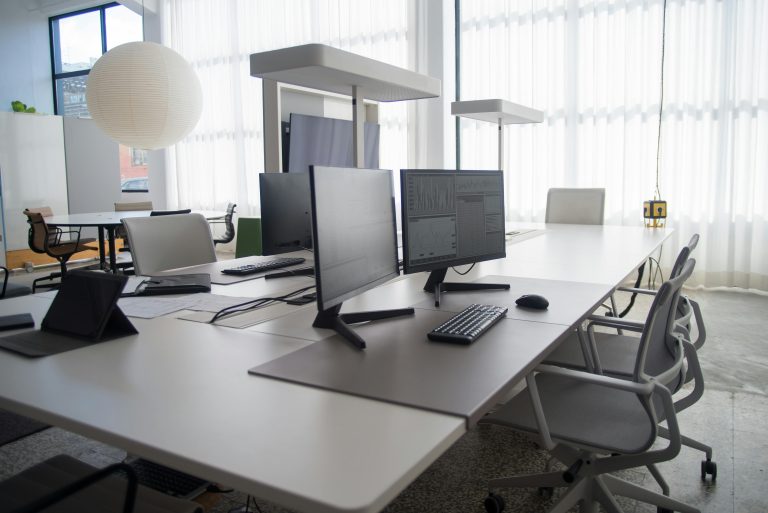

A conference room full of executives waited for my analysis of the Q3 data. I’d spent three days processing every angle, every implication, every strategic fork in the road. My recommendation was clear, data-driven, and would save the company $2.3 million annually. But what nobody saw was how those three days had drained me. Not from the analytical work itself, that energized me. From absorbing every micro-expression during stakeholder interviews, every tension in email threads, every emotional undercurrent that might derail implementation.
Being both INTJ and highly sensitive isn’t a contradiction. It’s a specific kind of cognitive and sensory wiring that creates unique strengths and equally specific challenges.

High sensitivity (HSP) affects an estimated 15-20% of the population, as documented by Dr. Elaine Aron’s extensive research. INTJs represent about 2-4% of people. The overlap between these two traits creates a particular pattern of processing that most personality frameworks miss entirely.
INTJs who are also highly sensitive notice everything, process it deeply, and then build systematic frameworks from that rich sensory and emotional data. Our HSP & Highly Sensitive Person hub explores high sensitivity across different contexts, but the combination with INTJ cognition creates specific patterns worth examining closely.
The INTJ Cognitive Stack Meets HSP Sensitivity
INTJs operate through a cognitive function stack: Introverted Intuition (Ni), Extraverted Thinking (Te), Introverted Feeling (Fi), and Extraverted Sensing (Se). Research from the Myers & Briggs Foundation outlines how these functions interact. When you add high sensitivity to this stack, each function processes information with greater depth and nuance.
What’s your personality type?
Take our free 40-question assessment and get a detailed personality profile with dimension breakdowns, context analysis, and personalised insights.
Discover Your Type8-12 minutes · 40 questions · Free
Ni, the dominant function, already works with patterns and future implications. For HSP INTJs, those patterns emerge from a richer sensory dataset. You notice the slight tension in someone’s voice that signals disagreement they haven’t voiced yet. You pick up the energy shift in a room when someone makes a decision internally before announcing it. These subtle inputs feed your pattern recognition, making your strategic insights more accurate but also more exhausting to develop.
Te, your auxiliary function, organizes and implements systems. HSP sensitivity doesn’t soften this logical approach, it enhances it. You build systems that account for human variables other INTJs might miss. In my agency work, I learned that the most effective project management systems weren’t just logically sound, they anticipated the emotional friction points where teams would resist change.

Fi, your tertiary function, carries your personal values and emotional authenticity. HSP amplifies this. You feel misalignment between your values and your environment more acutely than non-HSP INTJs. That uncomfortable client meeting isn’t just inefficient to you, it’s physiologically draining because you’re processing emotional dissonance on multiple levels simultaneously.
Se, your inferior function, deals with present-moment sensory input. For HSP INTJs, this function can be overwhelming. Where other INTJs might tune out their physical environment, you can’t. Fluorescent lighting isn’t just annoying, it’s cognitively expensive. Open office noise doesn’t just distract you, it floods your system with sensory data your Ni wants to process for patterns.
Strategic Analysis With Emotional Depth
The combination of INTJ strategic thinking and HSP emotional sensitivity creates a specific analytical advantage. You don’t just see the logical path forward. You see how people will emotionally respond to that path, which obstacles will emerge from human resistance, and which stakeholders need different communication approaches.
During my years managing Fortune 500 accounts, this combination proved valuable in ways traditional strategic frameworks couldn’t capture. A pitch might be logically perfect but emotionally tone-deaf. My HSP wiring caught those misalignments. My INTJ function stack then systematized the solution.
Research from the Journal of Research in Personality found that highly sensitive individuals show greater depth of processing across multiple domains. For INTJs, this depth applies specifically to strategic analysis and system design. You’re not just thinking about the problem, you’re processing every variable that might affect the solution’s success.
The Cost of Deep Processing
This depth comes with energy costs that non-HSP INTJs don’t face. A two-hour strategy meeting drains you not just from social interaction but from processing the vast amount of subtle information your sensitivity picks up. Tone shifts. Body language. Unspoken agendas. Power dynamics. Emotional undercurrents. Your Ni synthesizes all of it into strategic insight, but that synthesis requires significant cognitive resources.
Many HSP INTJs describe needing 2-3 hours of recovery time after intense meetings. Not because the meeting was socially draining (though introversion factors in), but because you processed exponentially more information than others in that room. Understanding the difference between HSP and empath traits helps clarify that this isn’t about absorbing others’ emotions, it’s about processing rich sensory and emotional data through your strategic framework.

Overstimulation Triggers for INTJ HSPs
High sensitivity in INTJs manifests differently than in feeling-dominant types. Your overstimulation often comes from cognitive overload rather than emotional overwhelm.
Open offices assault your system. Not just because they’re loud (though they are), but because your brain can’t stop processing patterns in the chaos. That conversation three desks away becomes data your Ni wants to integrate. The visual clutter triggers your inferior Se. The constant interruptions fragment your deep analysis cycles. Research from the Psychology Today HSP blog documents how open environments particularly affect deep processors.
Social obligations drain you faster than other introverts expect. Small talk isn’t just tedious, it’s cognitively expensive because you’re processing multiple layers: what’s being said, what’s not being said, the emotional subtext, the strategic implications, and whether this interaction serves any meaningful purpose. Your sensitivity picks up all of it. Your INTJ function stack tries to make sense of all of it.
Decision fatigue hits harder when you’re processing more variables. Choosing where to eat lunch becomes a multi-variable optimization problem. Your sensitivity means you’re factoring in: nutritional impact on energy levels, social dynamics if joining others, sensory environment of various locations, time efficiency, cost-benefit analysis, and whether the decision aligns with your broader goals. Non-HSP INTJs process fewer of these variables automatically.
Sensory Sensitivities That Disrupt Strategic Work
Certain physical environments make deep analysis impossible. Flickering lights don’t just annoy you, they fragment your concentration. Strong smells don’t just bother you, they occupy cognitive bandwidth your Ni needs for pattern recognition. Uncomfortable seating doesn’t just cause discomfort, it creates a constant low-level distraction that prevents you from reaching the flow state where your best strategic work happens.
I learned this managing creative teams. My best strategic insights emerged in specific conditions: quiet space, natural lighting, comfortable temperature, and minimal sensory input. Meetings in fluorescent-lit conference rooms with uncomfortable chairs produced surface-level analysis. Deep strategy required environmental optimization that seemed excessive to colleagues but was essential for my cognitive process.

Career Strategies for HSP INTJs
Finding work that leverages both INTJ strategic thinking and HSP depth requires specific criteria. You need intellectual challenge, meaningful impact, environmental control, and minimal performative social requirements. Research from the American Psychological Association suggests that person-environment fit significantly affects job satisfaction for highly sensitive individuals.
Roles that work well include: strategic consulting (where you control client interaction), systems architecture (designing solutions with minimal social performance), research positions (deep analysis in controlled environments), data analysis (pattern recognition with clear deliverables), and independent expertise (where you’re valued for output, not face time). Exploring career options that align with HSP processing styles helps identify roles where your sensitivity enhances rather than hinders performance.
Remote work often suits HSP INTJs well, but only if you establish strong boundaries. Without office visibility, you might absorb every request because your strategic mind sees how you could solve each problem. Your sensitivity picks up on team stress levels, making it harder to disconnect. Structure your remote work like you’d structure a system, with clear inputs, defined outputs, and protected processing time.
Managing Workplace Energy
Energy management for HSP INTJs requires strategic planning. Schedule high-cognitive-load work for times when you’re fresh and the environment is quiet. Protect your calendar from meeting sprawl. One focused 90-minute work block produces more value than three interrupted hours.
Communicate your needs without apology. “I need focused time for analysis” is a legitimate professional requirement, not a personal quirk. Your best work requires specific conditions. Creating those conditions isn’t demanding accommodation, it’s optimizing for output quality. When stakeholders understand that your strategic recommendations are more accurate when you have proper processing time, they usually support the boundaries you need.
Relationships as an INTJ HSP
Personal relationships require particular calibration when you’re both strategically minded and deeply sensitive. You process interactions on multiple levels simultaneously: the logical content, the emotional subtext, the long-term implications, and whether the relationship aligns with your core values.
Shallow connections exhaust you quickly. Small talk with neighbors drains energy better spent on meaningful work or solitude. Social events full of surface-level interaction feel wasteful. You’re not being elitist, you’re being honest about how your nervous system responds to different types of engagement.
Deep connections with a few people sustain you. Partners who understand that your need for alone time isn’t rejection. Friends who engage in substantive conversation rather than social performance. Colleagues who value your strategic input and don’t require constant face time to maintain the relationship. Understanding what makes a compatible partner for highly sensitive people helps filter for relationships that energize rather than drain.

Communication Patterns
INTJ HSP communication combines directness with awareness of impact. The message is clear, but it’s been processed for how it will land. Sometimes the editing goes too far, diluting clear feedback to soften emotional impact. Other times, analysis arrives so directly that others feel attacked, even though the intent is simply presenting data.
Finding balance requires acknowledging both aspects of this wiring. Strategic minds need clear, efficient communication. Sensitivity picks up when that clarity causes unnecessary distress. The solution isn’t suppressing either trait but integrating them. State analysis directly, acknowledge the emotional reality of situations, and focus on collaborative problem-solving rather than proving correctness.
Managing Your Specific Nervous System
Your nervous system operates differently than most people’s. Studies from neuroscience research show that highly sensitive individuals demonstrate deeper processing in brain regions associated with awareness, empathy, and sensory processing. For INTJs, this deeper processing applies specifically to strategic analysis and pattern recognition.
Recovery time isn’t optional. After intense analysis periods or social demands, you need substantial downtime. Not just rest, actual processing time where your Ni can integrate everything your sensitivity picked up. This might look like: solitary walks, focused reading, system design work that doesn’t require external input, or simply sitting in quiet while your mind organizes patterns.
Caffeine affects you differently than other people. Your sensitivity amplifies its impact. What gives others a productive boost might push you into overstimulation. Same with alcohol, sleep deprivation, or high-stress periods. Your nervous system has less buffer for these stressors. Managing them strategically becomes part of maintaining your performance.
Building Sustainable Routines
Sustainable routines for HSP INTJs balance cognitive challenge with sensory recovery. Morning deep work when your analytical capacity is fresh. Afternoon blocks for necessary but less cognitively demanding tasks. Evening protection from additional input so your system can process the day’s data.
Your ideal routine probably looks rigid to others. That’s fine. You’re optimizing for consistent high-level output, not appearing spontaneous. Structure creates the predictability your sensitive nervous system needs to perform at its best. Flexibility can be strategic, built into the structure at specific points, rather than constant and chaotic.
The Competitive Advantage
Being both INTJ and HSP creates specific strengths that most cognitive frameworks miss. Strategic angles others overlook emerge because sensitivity feeds pattern recognition with richer data. Systems built by INTJ HSPs account for human variables that might otherwise go unnoticed. Implementation challenges get anticipated before they emerge because depth of processing catches potential friction points early.
In my agency work, this combination produced results that looked like exceptional strategic insight but actually came from integrating two different processing styles. The analysis was INTJ, systematic, logical, framework-driven. The accuracy came from HSP, noticing the subtle details that would make or break implementation.
Being too sensitive for strategic work is a misconception. Sensitivity is part of what makes strategic analysis more accurate for INTJ HSPs. Being too analytical for meaningful relationships is another false dichotomy. Analysis helps build relationships intentionally rather than accidentally. The INTJ HSP combination isn’t a contradiction but a specific pairing of traits that, when properly understood and managed, creates distinctive value.
Explore more strategies for managing high sensitivity in our HSP & Highly Sensitive Person Hub.
Frequently Asked Questions
Can INTJs really be highly sensitive?
Yes. High sensitivity is a neurobiological trait affecting sensory processing, not personality type. About 15-20% of people are highly sensitive regardless of MBTI type. INTJs can absolutely be HSP, the combination creates specific patterns of deep strategic analysis combined with rich sensory and emotional data processing.
How do INTJ HSPs differ from INFJ HSPs?
INTJ HSPs process sensitivity through their Te (logical systems) while INFJ HSPs process it through Fe (interpersonal harmony). INTJ HSPs notice patterns and build frameworks from sensitive data. INFJ HSPs tune into collective emotional dynamics and interpersonal needs. Both are deeply sensitive, but they channel that sensitivity through different cognitive functions.
Do INTJ HSPs need more alone time than other INTJs?
Generally yes. HSP adds sensory processing demands on top of INTJ’s natural need for internal focus time. You’re not just recharging from social interaction, you’re processing richer sensory and emotional data from every environment and interaction. This requires more recovery time than introversion alone would explain.
What careers work best for INTJ HSPs?
Strategic roles with environmental control: research positions, systems architecture, data analysis, independent consulting, technical writing, or specialized expertise where you’re valued for output quality rather than face time. Remote work or flexible arrangements that let you optimize your environment for deep analysis typically work well.
How can INTJ HSPs manage overstimulation at work?
Create environmental controls where possible: noise-canceling headphones, adjustable lighting, comfortable workspace setup, and protected focus blocks on your calendar. Communicate needs professionally as performance optimization rather than personal preference. Schedule recovery time after high-stimulation periods like meetings or presentations. Track your energy patterns to identify your most productive windows for strategic work.
About the Author
Keith Lacy is an introvert who’s learned to embrace his true self later in life, after years of trying to match the extroverted leadership styles often pushed in high-pressure agency environments. With over 20 years in marketing and advertising, including leadership roles managing Fortune 500 accounts, Keith discovered that his introverted traits weren’t limitations but strategic advantages. His professional experience includes serving as an agency CEO, where he learned to build leadership approaches that worked with his natural wiring rather than against it. He created Ordinary Introvert to help others discover the same truth: introversion isn’t something to overcome but a set of strengths to leverage intentionally.