

This decade brings unique opportunities for INTJs to leverage their natural strategic thinking and long-term vision. While other personality types might struggle with the uncertainty of mid-life changes, INTJs often find this period energizing once they understand how to handle it authentically. Our INTJ Personality Type hub explores how INTJs approach major life transitions, and the 40-50 decade presents distinct patterns worth examining closely.
- Recognize mid-life transition through internal clarity gaps rather than emotional turbulence or external dissatisfaction.
- Leverage your systematic thinking to refine long-term strategy instead of questioning your entire life direction.
- Process change through strategic retreat and independent analysis rather than seeking external validation or advice.
- Identify transition signs when activities drain you and commitments no longer align with core objectives.
- Use increased focus on authenticity and efficiency to eliminate counterproductive relationships and obligations.
What Makes INTJ Mid-Life Different from Other Personality Types?
INTJs approach mid-life transition with the same systematic thinking they apply to everything else, but this period often reveals gaps between their internal vision and external reality. Unlike extroverted types who might seek external validation during this phase, INTJs typically turn inward to reassess their long-term strategy.
What’s your personality type?
Take our free 40-question assessment and get a detailed personality profile with dimension breakdowns, context analysis, and personalised insights.
Discover Your Type8-12 minutes · 40 questions · Free
The difference lies in how INTJs process change. While INTPs might get lost in analyzing possibilities, INTJs use their dominant Ni (Introverted Intuition) to synthesize decades of experience into a clearer vision for the future. This isn’t about questioning everything, it’s about refining everything.
Research from the American Psychological Association shows that mid-life transitions often involve reassessing core values and priorities. For INTJs, this process tends to be more structured and goal-oriented than for other types. They don’t just want change, they want purposeful transformation that aligns with their long-term vision.
During my own transition, I noticed how differently I approached challenges compared to my extroverted colleagues. While they sought advice from multiple sources, I found myself retreating to think through the implications systematically. This isn’t isolation, it’s strategic processing.
How Do INTJs Recognize They’re in Mid-Life Transition?
The signs of INTJ mid-life transition often appear as a growing disconnect between external success and internal satisfaction. You might find yourself questioning systems and structures you previously accepted, even if they’ve been profitable or prestigious.
Common indicators include feeling increasingly drained by activities that used to energize you, experiencing a stronger need for autonomy in decision-making, and finding yourself more selective about how you invest your time and energy. Unlike other personality types who might experience this as emotional turbulence, INTJs often describe it as a gradual clarification process.

The Mayo Clinic identifies mid-life transitions as periods when individuals reassess their life’s direction and meaning. For INTJs, this often manifests as an increased focus on efficiency and authenticity. You might find yourself eliminating commitments that don’t align with your core objectives.
One client described it as “suddenly seeing the matrix.” Activities and relationships that had seemed necessary began revealing themselves as optional or even counterproductive. This isn’t cynicism, it’s clarity. INTJs in mid-life transition often report feeling more confident about saying no to opportunities that don’t fit their refined vision.
The key difference from younger years is that INTJs now have enough life experience to distinguish between what they thought they wanted and what actually fulfills them. This distinction becomes particularly sharp when examining career trajectories and relationship patterns.
Why Do Career Changes Feel More Urgent for INTJs at This Stage?
Career dissatisfaction hits INTJs particularly hard during mid-life because they’ve typically invested years building expertise and systems. The thought of starting over can feel overwhelming, but the cost of staying in misaligned work becomes unbearable.
This urgency stems from INTJs’ natural tendency toward long-term thinking. At 40-50, they’re acutely aware that they have perhaps 15-25 productive years remaining in their careers. The question becomes whether to spend those years optimizing existing systems or building new ones that better reflect their evolved understanding.
Studies from Psychology Today indicate that career changes in mid-life often lead to higher job satisfaction and better work-life integration when aligned with personality preferences. For INTJs, this might mean shifting from management roles to individual contributor positions, or from corporate environments to entrepreneurial ventures.
During my agency years, I watched several INTJ colleagues make dramatic career pivots in their late forties. One left a senior marketing role to become a consultant, another transitioned from corporate law to teaching. What they shared was a desire for greater autonomy and more meaningful work, even if it meant lower immediate compensation.
The urgency also comes from recognizing patterns. INTJs excel at seeing long-term consequences, and by mid-life, they can clearly project where their current career trajectory leads. If that destination doesn’t align with their values and goals, the motivation to change becomes compelling.
What Relationship Patterns Change for INTJs During This Period?
INTJ relationship patterns often shift dramatically during mid-life as they become more selective about their social investments. This isn’t about becoming antisocial, it’s about applying the same strategic thinking to relationships that they use in other areas of life.
Many INTJs report feeling less obligated to maintain relationships that don’t provide mutual value or growth. Professional networking events that once seemed necessary may feel like energy drains. Social commitments that previously felt important might be quietly eliminated from their calendars.

Research from the National Institutes of Health shows that mid-life adults often prioritize relationship quality over quantity. For INTJs, this natural tendency becomes more pronounced as they recognize the finite nature of their social energy.
This period often brings clarity about romantic partnerships as well. INTJs may find themselves less willing to compromise on fundamental compatibility issues or more direct about their need for independence within relationships. Some discover that partnerships they maintained out of habit no longer serve their growth.
Conversely, the relationships that survive this filtering process often deepen significantly. INTJs in mid-life transition frequently report stronger connections with family members and close friends who appreciate their authentic nature. The energy previously scattered across numerous surface-level relationships gets concentrated into fewer, more meaningful bonds.
Understanding the differences between INTJ and INTP relationship approaches becomes particularly relevant during this period, as both types may appear to be withdrawing socially when they’re actually optimizing their social energy allocation.
How Should INTJs Approach Financial Planning During Mid-Life Transition?
Financial considerations become complex for INTJs during mid-life transition because their natural inclination toward strategic planning conflicts with the uncertainty inherent in major life changes. what matters is developing financial systems that support rather than constrain their transition process.
INTJs typically excel at long-term financial planning, but mid-life transitions often require short-term flexibility that challenges their preference for predictable systems. The solution involves creating what I call “transition buffers” – financial cushions specifically designed to support career pivots or lifestyle changes.
Data from the Bureau of Labor Statistics shows that career changes in mid-life often involve temporary income reductions. For INTJs, this reality needs to be factored into their strategic planning at least 2-3 years before making major moves.
The financial planning approach that works best for INTJs involves scenario modeling. Rather than creating a single financial plan, develop multiple scenarios based on different transition paths. This satisfies the INTJ need for systematic planning while maintaining flexibility for unexpected opportunities.
One strategy that proved valuable during my own transition was establishing separate accounts for different life domains – one for current lifestyle maintenance, another for transition expenses, and a third for long-term security. This compartmentalization allowed me to take calculated risks without jeopardizing fundamental security.
Consider also the tax implications of major life changes. Career transitions, geographic moves, or shifts from employment to consulting can significantly impact tax strategies. INTJs benefit from working with financial advisors who understand their systematic approach and can model multiple scenarios.
What Role Does Health and Wellness Play in INTJ Mid-Life Transition?
Health considerations take on new urgency for INTJs during mid-life, not just because of aging, but because physical wellness directly impacts their ability to execute long-term plans. This period often brings awareness that health is a foundational system supporting all other life areas.
INTJs may discover that stress management strategies that worked in their thirties no longer suffice. The high-intensity approach that characterized earlier career building might need replacement with more sustainable practices. This isn’t about slowing down, it’s about optimizing for longevity.
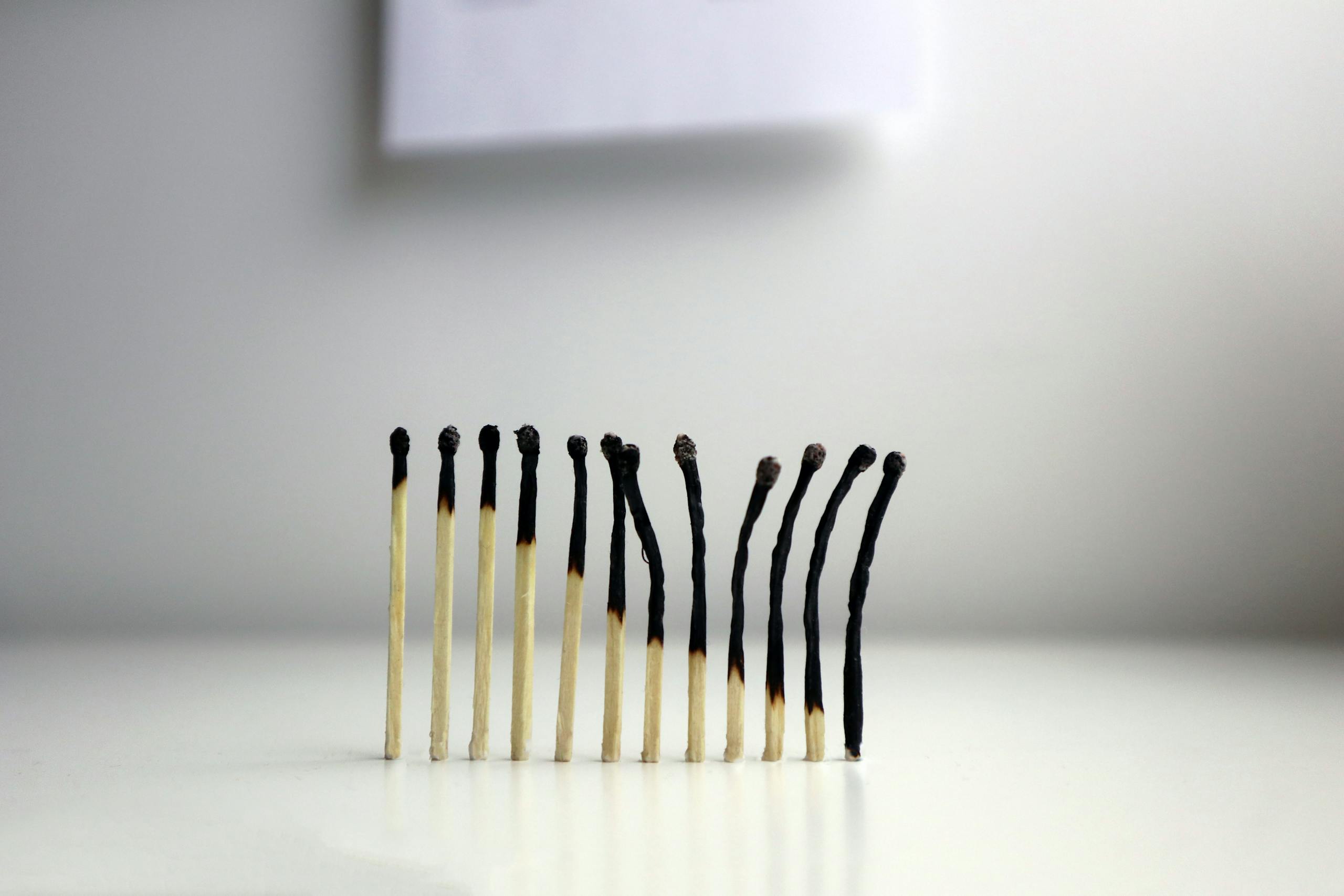
Research from Cleveland Clinic indicates that mid-life is a critical period for establishing health habits that will determine quality of life in later decades. For INTJs, this information typically motivates systematic changes to diet, exercise, and stress management routines.
The challenge for INTJs is that health optimization requires consistent daily actions rather than the strategic planning they prefer. Success often comes from treating health as a system to be designed and implemented rather than a series of individual choices.
Sleep patterns often require particular attention during this period. INTJs may find that the irregular hours and high-stress periods that characterized earlier career phases now have more significant impacts on cognitive function and emotional regulation. Prioritizing sleep hygiene becomes a strategic imperative rather than a luxury.
Mental health considerations are equally important. The introspection characteristic of mid-life transition can sometimes tip into rumination or analysis paralysis. Understanding how analytical minds process stress can help INTJs recognize when their natural thinking patterns become counterproductive.
How Do INTJs handle Family Dynamics During Mid-Life Changes?
Family dynamics become particularly complex for INTJs during mid-life transition because their desire for authentic living may conflict with family expectations or established roles. The challenge is communicating their evolving needs without disrupting important relationships.
INTJs often find themselves in the sandwich generation, managing aging parents while supporting teenage or young adult children. This dual responsibility can feel overwhelming, particularly when combined with their own transition needs. what matters is applying systematic thinking to family management while maintaining emotional connection.
Parenting approaches may shift as INTJs become more confident about their values and less concerned with external expectations. They might become more selective about activities and commitments, focusing on what genuinely supports their children’s development rather than what appears socially appropriate.
Marriage relationships often face particular challenges during INTJ mid-life transition. Partners may struggle to understand the INTJ’s increased need for autonomy or their systematic approach to life changes. Clear communication about transition goals and timelines becomes essential for maintaining partnership stability.
Studies from the World Health Organization show that family support significantly impacts the success of mid-life transitions. For INTJs, this support is most valuable when it respects their need for independence while providing emotional stability during periods of change.
The transition period often requires renegotiating family roles and responsibilities. INTJs may need to delegate tasks they previously handled themselves or establish new boundaries around their time and energy. This process requires patience from family members who may not understand the systematic nature of INTJ decision-making.
What Unique Opportunities Does Mid-Life Present for INTJs?
Mid-life presents INTJs with unprecedented opportunities to align their external circumstances with their internal vision. By this stage, they typically have enough resources, experience, and credibility to make significant changes without starting from zero.
The combination of accumulated expertise and reduced concern for others’ opinions creates ideal conditions for authentic expression. INTJs may finally feel free to pursue projects or career paths that genuinely interest them rather than what seems most practical or prestigious.

This period often brings opportunities for mentorship and knowledge transfer. INTJs have typically spent decades developing systems and insights that could benefit others. Teaching, consulting, or writing may become appealing ways to share expertise while maintaining autonomy.
Entrepreneurial ventures often appeal to INTJs during this period because they can design businesses that reflect their values and working preferences. The financial security and professional networks developed during earlier career phases provide foundation for calculated risks.
Creative pursuits that were set aside for practical concerns may resurface with new urgency. INTJs might discover artistic or intellectual interests that provide fulfillment beyond professional achievement. what matters is recognizing these interests as legitimate priorities rather than hobbies to be pursued “someday.”
Geographic flexibility often increases during this period as career constraints lessen and family obligations shift. INTJs may finally have the freedom to live in environments that truly suit their preferences rather than locations dictated by job requirements or family needs.
For those interested in understanding how other analytical types handle similar transitions, exploring INTP intellectual gifts can provide valuable perspective on different approaches to mid-life growth and development.
How Can INTJs Maintain Relationships While Pursuing Authentic Living?
Maintaining relationships during mid-life transition requires INTJs to balance their increasing authenticity with consideration for others’ comfort levels. The challenge is staying true to their evolving values while preserving connections that matter.
Communication becomes crucial during this period. INTJs need to help family members and close friends understand that their changes reflect growth rather than rejection. This requires patience, as others may need time to adjust to the INTJ’s evolving priorities and boundaries.
what matters is gradual implementation rather than sudden dramatic changes. While INTJs prefer systematic transformation, relationships benefit from incremental adjustments that allow others to adapt. This might mean slowly reducing social commitments rather than eliminating them all at once.
Professional relationships require particular attention during career transitions. INTJs should consider how to maintain valuable connections even when changing industries or work arrangements. This might involve staying connected through professional associations or maintaining consulting relationships with former employers.
Marriage and partnership relationships need explicit discussion about changing needs and expectations. INTJs should communicate their transition goals clearly while remaining open to their partner’s concerns and needs. This period often strengthens relationships that can adapt and weakens those built on outdated assumptions.
Understanding how INTJ women handle professional and personal transitions can provide valuable insights for both male and female INTJs dealing with relationship dynamics during mid-life changes.
What Practical Steps Should INTJs Take to handle This Transition Successfully?
Successful INTJ mid-life transition requires systematic planning combined with flexibility for unexpected opportunities. The approach that works best involves creating frameworks for decision-making rather than rigid plans that may become obsolete.
Start by conducting a comprehensive life audit. Examine all major areas – career, relationships, health, finances, personal growth – and assess alignment with your current values and long-term vision. This isn’t about finding problems, it’s about identifying opportunities for optimization.
Develop transition timelines that account for the interconnected nature of life changes. Career transitions may require financial preparation, relationship changes might need gradual implementation, and health improvements benefit from consistent daily practices. Map out how different changes can support rather than compete with each other.
Create experimentation opportunities before making major commitments. This might involve consulting in a new field before leaving your current career, or spending extended time in a new location before relocating permanently. INTJs benefit from gathering data before making irreversible decisions.
Build support systems that understand your systematic approach to change. This might include working with coaches or advisors who appreciate INTJ decision-making processes, or connecting with other INTJs who have navigated similar transitions.
Document your transition process and decisions. INTJs often benefit from writing through complex decisions and tracking the outcomes of major changes. This documentation serves both as a decision-making tool and a reference for future transitions.
Finally, remember that transition is a process, not an event. Allow yourself time to explore, experiment, and adjust course as you gather new information about what truly fulfills you during this stage of life.
For more insights on how analytical personality types approach major life changes, visit our MBTI Introverted Analysts hub page.
About the Author
Keith Lacy is an introvert who’s learned to embrace his true self later in life after years of trying to fit extroverted expectations. As an INTJ who spent over two decades running advertising agencies, Keith understands the unique challenges introverts face in professional environments. His experience from burnout to authentic success drives his mission to help other introverts thrive without compromising their natural energy patterns. Keith’s insights come from both personal experience and extensive research into personality psychology, offering practical strategies for introvert success in an extroverted world.

Frequently Asked Questions
Is it normal for INTJs to feel restless during their 40s even when their career is successful?
Yes, this restlessness is common and often indicates growth rather than dissatisfaction. INTJs naturally reassess their long-term strategy as they gain life experience, and what felt fulfilling in their 30s may no longer align with their evolved understanding of themselves. This restlessness often signals that it’s time to optimize existing systems or create new ones that better reflect their current values and goals.
How can INTJs distinguish between mid-life transition and depression during this period?
Mid-life transition for INTJs typically involves increased clarity about values and goals, even if accompanied by uncertainty about implementation. Depression, conversely, often involves loss of interest in previously meaningful activities and difficulty seeing positive future possibilities. If you’re experiencing persistent hopelessness, significant sleep or appetite changes, or inability to engage in strategic planning, consider consulting a mental health professional who understands personality differences.
Should INTJs make major career changes gradually or all at once during mid-life?
Most INTJs benefit from gradual career transitions that allow for testing and refinement. This might involve consulting in a new field while maintaining current employment, or negotiating reduced responsibilities to create space for new pursuits. Sudden dramatic changes can create unnecessary financial and emotional stress, while gradual transitions allow for strategic planning and risk mitigation that align with INTJ preferences.
How do INTJs handle the social aspects of mid-life transition when they prefer to process internally?
INTJs can maintain their preference for internal processing while still accessing necessary support by being selective about their advisors and timing their social interactions strategically. Consider working with coaches or mentors who understand systematic decision-making, and schedule regular check-ins with trusted friends or family members rather than seeking constant input. what matters is finding people who can provide perspective without disrupting your natural processing style.
What financial mistakes should INTJs avoid when planning for mid-life transitions?
Common mistakes include underestimating transition timelines, failing to account for variable income during career changes, and not building adequate emergency funds for unexpected opportunities. INTJs should also avoid over-optimizing financial plans that become too rigid to accommodate changing circumstances. Create multiple financial scenarios and maintain liquidity for strategic opportunities while ensuring basic security needs are met throughout the transition period.