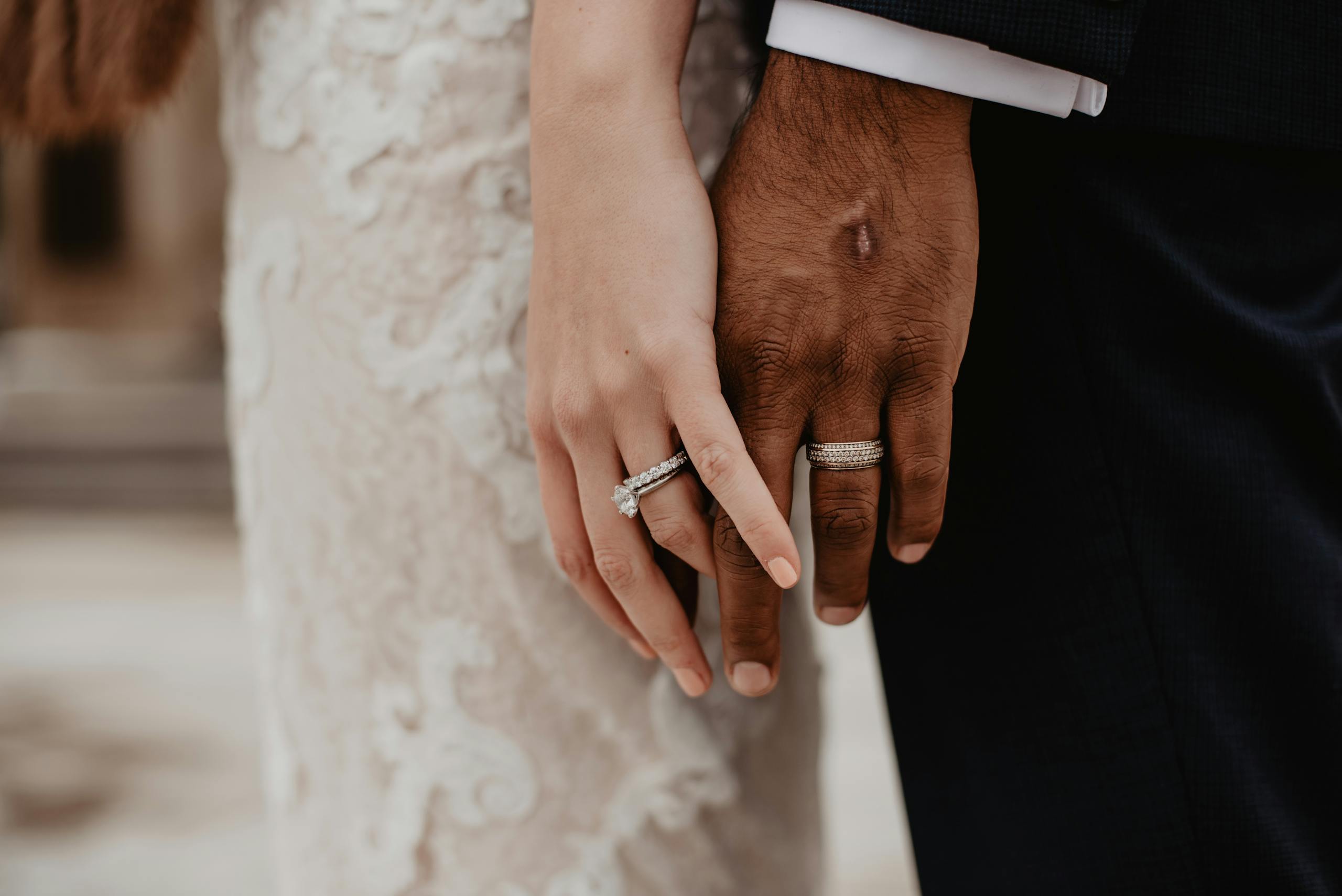
Picture two chess masters deciding to share a life together. Both see twenty moves ahead, both prefer efficiency over sentimentality, and both have detailed visions for how everything should work.
INTJ-INTJ marriages create a unique dynamic where shared strategic thinking becomes both the greatest strength and the biggest challenge. While both partners understand independence, intellectual stimulation, and long-term planning, their similar approaches to conflict resolution and emotional expression can create unexpected blind spots that neither sees coming.
As an INTJ who spent decades leading creative teams in advertising, I’ve witnessed how two analytical minds can either amplify each other’s effectiveness or create an echo chamber that misses essential emotional dynamics. The couples who thrived learned to treat emotional intelligence as seriously as they treated strategic planning. Those who struggled assumed their intellectual compatibility would automatically translate to relationship success.

INTJs and INTPs both occupy the Introverted Analyst category in the MBTI framework, valuing strategic thinking and independence in relationships. Our MBTI Introverted Analysts hub explores how these personality types approach partnership differently, and when two INTJs marry, those differences collapse into a unique dynamic worth examining closely.
Why Do INTJs Find Each Other So Attractive?
When two INTJs meet, something unusual happens. That constant low-grade exhaustion from translating yourself for the world suddenly lifts. Someone finally speaks your language fluently. The conversations explore thoroughly and immediately, bypassing small talk entirely, heading straight for abstract ideas and strategic analysis.
I remember meeting other INTJs in professional settings and feeling an instant recognition. Not warmth exactly, but something like relief. Here was someone who wouldn’t need me to explain why I was mentally mapping contingencies during a casual lunch conversation. Someone who understood that silence wasn’t awkward but productive.
What makes INTJ attraction unique:
- Intellectual recognition – Both partners immediately understand the other’s thinking patterns and strategic approach to life decisions
- Efficiency appreciation – Neither needs to explain why they prefer direct communication or systematic problem-solving approaches
- Independence respect – Both value autonomy and don’t interpret the other’s need for space as relationship rejection
- Future orientation – Conversations naturally focus on long-term goals and strategic life planning rather than day-to-day logistics
- Competence attraction – INTJs are drawn to partners who demonstrate mastery and strategic thinking in their chosen fields
Research on INTJ relationships suggests these individuals approach romantic partnerships with the same analytical rigor they bring to everything else. They can be almost scientific in choosing a mate and make devoted partners once they find someone meeting their rigorous standards. When two people with this approach find each other, the mutual selection process carries weight. Both have evaluated extensively. Both have decided the other passes muster.
Such a foundation of mutual respect many couples never achieve. Neither partner settled. Neither compromised their standards. Both chose deliberately, which means both remain committed to making the choice work. It’s not romantic in the traditional sense. It’s something more sustainable: a partnership built on genuine compatibility rather than fleeting attraction. Understanding how same-type INTJ compatibility actually functions in practice reveals patterns most relationship advice overlooks.
How Do INTJ Couples Handle Strategic Planning?
Here’s where INTJ-INTJ marriages genuinely shine. When both partners naturally think long-term and strategically, building a life together becomes a collaborative project rather than a series of compromises.
Financial planning conversations that other couples dread become engaging strategy sessions. Career decisions get analyzed from multiple angles. Major purchases undergo thorough evaluation. Neither partner has to drag the other into thinking ahead because both already live there mentally.
Strategic advantages of INTJ-INTJ partnerships:
- Aligned financial goals – Both partners naturally think long-term about money, investments, and major purchases without needing convincing
- Career coordination – Strategic discussions about career moves consider both individual ambitions and partnership dynamics systematically
- Efficient decision-making – Major life decisions get thorough analysis from both partners without emotional drama or procrastination
- Contingency planning – Both partners naturally consider backup plans and risk mitigation for major life changes
- Goal compatibility – Shared values around achievement, competence, and systematic progress create natural alignment
During my years leading teams at advertising agencies, I observed that the most effective partnerships weren’t necessarily between people who agreed on everything. They were between people who shared strategic thinking approaches even when their conclusions differed. Two INTJs in a marriage bring this same dynamic. The process matters as much as the outcome.
Research from Harvard Business Review on dual-career couples found that partners who communicate about deeper work and personal issues, including values, boundaries, and fears, emerge stronger from life transitions. INTJ couples excel at these conversations when they recognize their importance. The challenge is remembering to have them rather than assuming the other person already knows. Those looking to develop a more structured approach should explore dedicated INTJ partnership strategies that transform good intentions into working systems.
What Happens When Two Masterminds Clash?
Now we need to address the elephant in the room. What happens when two people who are used to being the smartest person in most rooms start living together?
INTJs don’t just have opinions. We have well-researched, thoroughly analyzed positions that we’ve refined over time. We’re not stubborn in the moment so much as confident in our conclusions. When another INTJ challenges those conclusions, it can trigger a fascinating internal conflict. Part of us respects the challenge. Part of us bristles at being questioned.
Common conflict patterns in INTJ-INTJ relationships:
- Strategy disagreements – When both partners have thoroughly analyzed different approaches and refuse to compromise their well-reasoned positions
- Competence challenges – Neither partner easily accepts being wrong, especially in their areas of expertise or strategic thinking
- Control struggles – Both partners are accustomed to having their strategic vision guide decisions and may resist sharing control
- Perfectionism clashes – Each partner has clear standards for how things should work, creating tension when those standards conflict
- Emotional avoidance – Both partners may try to resolve conflicts through logic alone, ignoring underlying emotional needs

I used to think my way of approaching problems was simply correct. Years of working with brilliant people who thought completely differently taught me humility. Discovering that my thoroughly analyzed conclusion could be wrong, not because of flawed logic but because of different starting assumptions, changed how I engaged in disagreements. This lesson applies doubly in marriage.

The healthy INTJ-INTJ marriage requires something uncomfortable for both partners: acknowledging that the other person’s strategic vision might be equally valid, even when it contradicts your own. The issue isn’t about compromising principles. It’s about recognizing that two intelligent people with access to the same information can legitimately reach different conclusions.
Why Do INTJ Couples Struggle With Emotional Connection?
Let’s talk about what INTJ-INTJ couples struggle with most. Emotional intimacy doesn’t come naturally to either partner, which means neither is particularly skilled at drawing it out of the other.
According to relationship research from Personality Junkie, INTJs often struggle with expressing emotions, finding the process of discussing feelings messy and disorganized. They prefer solving problems to simply listening and offering support. When both partners share this tendency, emotional conversations can become rare or feel forced.
Emotional challenges in INTJ-INTJ marriages:
- Expression difficulties – Both partners find emotional discussions uncomfortable and may avoid them rather than develop skills
- Validation gaps – Neither partner naturally provides emotional validation, assuming logical support is sufficient
- Intimacy avoidance – Vulnerability feels risky to both partners, creating distance even in successful partnerships
- Problem-solving defaults – Both partners try to fix emotional issues rather than simply acknowledging and accepting them
- Emotional illiteracy – Neither partner has developed sophisticated emotional vocabulary or recognition skills
I’ve lived this challenge. There were years when I believed that showing love through actions should be enough. Helping with problems, being reliable, planning thoughtfully for our future. Why would anyone need more than that? The answer, which took me too long to understand, is that humans need emotional connection expressed in words, not just demonstrated through logistics.
Two INTJs can build an incredibly efficient life together while slowly starving their relationship of emotional nutrients. Everything works. The finances are optimized. The household runs smoothly. But something essential is missing, and neither partner quite knows how to name it or fix it. Learning how INTJs show affection through their unique love languages helps bridge this gap between logical competence and emotional connection.
How Can INTJ Couples Build Emotional Intelligence Together?
Here’s the good news. INTJs can learn anything we decide matters enough to master. If we approach emotional intelligence as a skill to develop rather than a personality trait we lack, we can make significant progress.
For INTJ couples, this might mean scheduling emotional check-ins the same way you’d schedule strategic planning sessions. Not because feelings should be scheduled, but because without external structure, they’ll keep getting deprioritized for more tangible concerns.
Practical emotional development strategies for INTJ couples:
- Structured emotional check-ins – Weekly conversations focused specifically on emotional experience rather than problem-solving
- Written expression – Using shared journals or written communication when verbal emotional expression feels difficult
- Appreciation rituals – Systematic approaches to expressing gratitude and acknowledgment that both partners commit to maintaining
- Data gathering approach – Frame emotional conversations as understanding your partner’s internal experience rather than judging or fixing it
- Professional development – Treating emotional intelligence as seriously as career development, including books, courses, or therapy

Research published by the Greater Good Science Center at UC Berkeley found that your own personality is the most important factor in relationship satisfaction. INTJ couples can’t simply blame their type for emotional difficulties. Each partner holds responsibility for developing their own emotional capabilities.
Some practical approaches that work for analytical minds: keeping a shared journal where you write what you’re feeling rather than having to say it aloud, creating specific rituals for expressing appreciation, and framing emotional conversations as data gathering rather than confrontation. You’re trying to understand your partner’s internal experience, not judge or fix it.
How Do INTJ Couples Balance Independence and Connection?
One area where INTJ-INTJ marriages often thrive is respecting independence. Neither partner needs the other to fill every social need. Neither feels threatened by the other’s desire for substantial alone time. This creates breathing room that many relationships lack.
I’ve watched extroverted couples struggle with this constantly. One partner wants more togetherness. The other feels suffocated. The negotiations never quite resolve because they’re operating from fundamentally different needs. INTJ couples sidestep this entire conflict category.
Too much independence can become emotional disconnection disguised as healthy space. Just because neither partner complains about separation doesn’t mean the relationship is thriving. INTJs excel at suppressing needs they’ve decided are illogical, including the need for closeness.
Balancing independence and connection in INTJ relationships:
- Intentional together time – Both partners must actively protect connection time rather than assuming it will happen naturally
- Physical affection maintenance – Creating systems for regular physical touch and intimacy that don’t rely on spontaneous initiation
- Shared projects – Working on meaningful goals together that require regular collaboration and communication
- Emotional check-in rituals – Structured conversations that ensure both partners stay emotionally connected despite natural independence
- Space respect boundaries – Clear agreements about alone time needs that both partners honor without resentment
The solution involves intentional connection time that both partners protect as seriously as they protect their solitude. Date nights that actually happen. Conversations that go beyond logistics. Physical affection that doesn’t only occur when one person initiates. For broader context on how analytical personality types handle deeper relationship dynamics, examining the full spectrum of INTJ partnership patterns reveals instructive differences.
What Challenges Do Dual-Career INTJ Couples Face?
When both partners have ambitious career goals, the marriage requires careful navigation. Two INTJs likely both want significant professional achievement. Both have long-term visions for their careers. Both will resist sacrificing their trajectory for the other.
One can actually work beautifully when both partners genuinely support each other’s ambitions. Research on successful dual-career partnerships emphasizes that couples need to discuss what matters to them as individuals and as a unit, including career ambitions, where to live, and what they’re willing to give up. INTJ couples have the strategic capacity for these conversations. They just need to initiate them.

During my career running agencies, I saw marriages collapse under career pressure and others grow stronger. The difference rarely came down to whose career took priority. It came down to whether both partners felt their ambitions mattered to the other person. An INTJ who feels their spouse dismisses their career vision will withdraw emotionally, even if they stay practically present. Female INTJs especially face unique challenges when dating and building partnerships while maintaining professional ambitions in environments that may not understand their approach.
How Does Perfectionism Affect INTJ Marriages?
INTJs often have clear visions for how things should work. In marriage, this perfectionism can become corrosive. Both partners may hold the relationship to impossible standards, constantly noticing gaps between reality and their idealized vision.
Research from the National Institutes of Health shows couples don’t necessarily become more similar over time through convergence. Selection processes likely explain why similar people end up together initially. For INTJ couples, expecting your partner to eventually meet your exact standards through gradual change sets up disappointment. Accepting your partner as they are now, not as your optimized version of who they could become, becomes essential.
For too long in my relationships, I subtly tried to optimize my partner. It never worked and always damaged the connection. Everything shifted when I realized that improvement suggestions, however logical, rarely feel loving to receive. Sometimes the most strategic choice is accepting imperfection.
What Communication Systems Work for INTJ Couples?
INTJ-INTJ couples benefit from explicit communication systems. Not because we’re robots who can’t communicate naturally, but because our natural communication style tends toward efficiency at the expense of emotional content.

Effective communication systems for INTJ relationships:
- Weekly relationship reviews – Treating the marriage like a project worth regular assessment and strategic adjustments
- Emotional need signals – Creating specific indicators for emotional needs that feel less vulnerable than direct requests
- Written communication – Using email or shared documents for complex emotional discussions that benefit from reflection time
- Structured conflict resolution – Agreed-upon processes for handling disagreements that address both logical and emotional components
- Appreciation protocols – Regular systems for acknowledging each other’s contributions and expressing gratitude
Some couples find success with weekly relationship reviews, treating the marriage like a project worth regular assessment. Others create specific signals for emotional needs that feel less vulnerable than direct requests. Many benefit from understanding that what feels like adequate communication to an INTJ might not meet the relationship’s actual needs. When challenges arise in connecting across different personality frameworks, examining how INTJ and ENFP dynamics work provides contrast that illuminates what makes same-type pairings unique.
Why Do INTJ-INTJ Marriages Work Long-Term?
Perhaps the greatest strength of INTJ-INTJ marriages is the shared orientation toward the long game. Neither partner expects instant gratification. Both understand that building something valuable takes time, consistency, and sometimes delayed rewards.

Such patience serves the relationship well during difficult seasons. Both partners can weather temporary unhappiness without panicking because both think in decades rather than days. A rough month doesn’t trigger existential relationship questions the way it might for more present-focused types.
Long-term success factors for INTJ-INTJ marriages:
- Shared future vision – Both partners naturally think long-term and can build compatible life strategies together
- Mutual respect maintenance – Deep appreciation for each other’s competence and strategic thinking abilities that doesn’t fade over time
- Independence preservation – Neither partner loses their individual identity or goals within the relationship structure
- Intellectual stimulation – Ongoing conversations and shared interests that keep both partners intellectually engaged
- Strategic patience – Understanding that relationships require long-term investment rather than immediate emotional gratification
The danger is using long-term thinking to avoid addressing current problems. That rough month becomes a rough year becomes a decade of distance, all justified by the assumption that things will eventually improve without direct intervention. Strategic thinking helps marriages when combined with strategic action. Insight without implementation changes nothing.
Making the Double Mastermind Marriage Work
If you’re in an INTJ-INTJ relationship or considering one, focus on these priorities. Leverage your shared strengths around strategic thinking, independence, and intellectual connection. But deliberately develop the emotional skills neither of you naturally brings. Schedule what won’t happen spontaneously. Accept imperfection in your partner and yourself. And remember that efficiency isn’t the goal of marriage. Connection is.
The INTJ-INTJ marriage isn’t inherently better or worse than other pairings. It’s different, with specific advantages and specific challenges. Understanding both allows you to maximize the former while addressing the latter. That’s strategic thinking applied to what actually matters.
Two masterminds can build something remarkable together. They can also create a beautiful but empty structure. The difference lies not in compatibility scores or personality matching but in the daily choice to bring emotional presence to a relationship that might otherwise run purely on logic. Making that choice, consistently, is the real strategic work of an INTJ marriage. For women managing this particular landscape, understanding how INTJ women balance love and logic in relationships adds another dimension to the partnership equation.
Explore more personality insights in our complete MBTI Introverted Analysts (INTJ & INTP) Hub.
About the Author
Keith Lacy is an introvert who’s learned to embrace his true self later in life. With a background in marketing and a successful career in media and advertising, Keith has worked with some of the world’s biggest brands. As a senior leader in the industry, he has built a wealth of knowledge in marketing strategy. Now, he’s on a mission to educate both introverts and extroverts about the power of introversion and how understanding this personality trait can access new levels of productivity, self-awareness, and success.