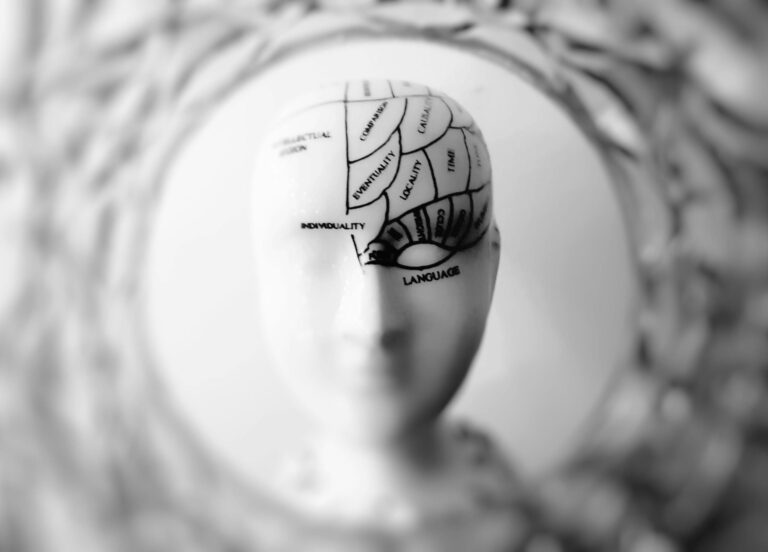

The conference call ended at 2:47 PM. By 2:48, I’d replayed every word I said, identified three better responses, and constructed an entire alternative timeline where the project went differently. By 3:15, I was analyzing why I was analyzing it.
Welcome to the INTJ overthinking spiral.

After two decades managing teams and Fortune 500 accounts, I discovered something unsettling: the same cognitive functions that made me excellent at strategic planning also turned routine decisions into exhausting mental marathons. My Introverted Intuition (Ni) and Extraverted Thinking (Te), usually reliable assets, occasionally transformed into instruments of self-sabotage.
INTJs operate with dominant Introverted Intuition backed by Extraverted Thinking. The combination creates extraordinary pattern recognition and strategic depth. The National Institutes of Health research on cognitive processing demonstrates that high-functioning analytical thinkers process scenarios through multiple conceptual frameworks simultaneously. For INTJs, our MBTI Introverted Analysts hub explores the full range of these personality dynamics, and the shadow side emerges when this processing becomes recursive, feeding on itself rather than reaching conclusions.
Understanding the INTJ Overthinking Pattern
The INTJ overthinking spiral follows predictable stages. Recognition helps interrupt the cycle before it consumes hours or days.
What’s your personality type?
Take our free 40-question assessment and get a detailed personality profile with dimension breakdowns, context analysis, and personalised insights.
Discover Your Type8-12 minutes · 40 questions · Free
Stage one begins with legitimate analysis. Something needs evaluation: a career move, a relationship concern, a project approach. Your Ni starts exploring possibilities, which feels productive. At the surface level, the process looks identical to useful strategic thinking.
Stage two introduces the first warning sign: you’re analyzing the same scenario from the eighth different angle, finding variations but no new insights. Te demands more data, more frameworks, more perspectives. According to American Psychological Association findings on perfectionist cognition, this reflects cognitive perfectionism where the analysis itself becomes the goal rather than the decision.
Stage three arrives when you’re thinking about thinking. You notice the spiral but can’t stop it. Meta-analysis kicks in: why am I overthinking this, what does my overthinking reveal about my deeper concerns, is the overthinking itself the real problem or a symptom of something else? The layers multiply.
Stage four manifests as analysis paralysis accompanied by physical exhaustion. Your mind runs at full capacity while your body feels drained. Decision-making becomes impossible not from lack of information but from information overload you’ve created yourself.
Why INTJs Spiral Differently
Other types overthink, but the INTJ version carries distinct characteristics tied to cognitive function architecture.

Dominant Ni creates pattern recognition that operates largely unconsciously. You don’t choose what connections to make; they emerge. During overthinking, Ni keeps producing new patterns without stopping. Each pattern seems potentially significant, demanding investigation. Research from Personality and Individual Differences on intuitive processing shows that high-Ni users experience persistent unconscious pattern generation that conscious effort cannot fully control.
Auxiliary Te demands systematic evaluation of each pattern Ni produces. Te wants definitive answers, complete analysis, thorough consideration. The combination creates a feedback loop: Ni generates possibilities, Te insists on analyzing each one completely, the analysis generates new patterns for Ni to notice, which Te must then analyze.
Tertiary Fi adds emotional weight without clear emotional vocabulary. You sense something matters deeply but can’t articulate why. The unexpressed feeling intensity drives more analysis, as if enough thinking will reveal the emotional truth. My agency experience taught me that INTJs experiencing depression often intensify analysis rather than addressing underlying emotional needs.
Inferior Se creates disconnection from present-moment reality. When spiraling, you lose track of time, forget to eat, ignore physical signals. The external world fades while internal processing dominates completely.
Common Overthinking Triggers for INTJs
Certain situations reliably trigger INTJ overthinking spirals. Knowing your triggers allows preemptive strategies.
Decisions involving people unpredictability top the list. You can model systems, predict market trends, anticipate technical challenges. Human behavior resists complete systematization. When outcomes depend on people’s choices, INTJs often spiral trying to model every possible human reaction, forgetting that perfect prediction isn’t achievable.
Situations with incomplete information create spirals because Te cannot function optimally without sufficient data. Rather than accepting uncertainty, many INTJs generate hypothetical scenarios to fill information gaps, analyzing each as if it were real. One client decision became twenty analyzed because I couldn’t know their actual reasoning.
Past mistakes trigger recursive analysis. Journal of Positive Psychology research on rumination demonstrates that analytical personalities experience more persistent rumination on perceived failures. INTJs replay scenarios searching for the exact decision point where things went wrong, believing complete understanding prevents future mistakes.
High-stakes situations with multiple good options paradoxically create worse spiraling than situations with one clear choice. When several paths seem viable, Te demands analysis of each, comparison of outcomes, evaluation of second-order effects. The analysis expands beyond useful bounds.
Relationship decisions trigger spirals because emotions feel less predictable than logic. Determining whether to continue a relationship, how to address conflict, whether someone’s behavior indicates larger patterns involves both Fi (which INTJs underdevelop) and Te (which wants systematic answers emotions don’t provide).
The Hidden Costs of Chronic Overthinking

Overthinking appears productive. You’re working hard mentally, considering thoroughly, avoiding rash decisions. The costs hide beneath apparent diligence.
Energy depletion occurs rapidly during spirals. Intensive cognitive processing consumes significant glucose and mental resources. Hours of circular analysis leave you too exhausted for activities that matter more. I’ve lost evenings with family because a work decision consumed mental bandwidth that evening plans required.
Decision quality often decreases rather than improves. Analysis beyond a certain point introduces noise rather than signal. Te’s demand for complete information creates impossible standards. According to Harvard Business Review research on decision-making, extended deliberation on decisions with inherent uncertainty produces worse outcomes than faster choices with periodic adjustment.
Relationship damage accumulates when overthinking delays responses. People interpret your silence as disinterest, your analysis as judgment. By the time you’ve thoroughly considered how to address a concern, the other person has drawn conclusions from your delayed reaction. Understanding cognitive function loops helps recognize when analysis serves avoidance rather than understanding.
Opportunity costs multiply invisibly. Time spent overthinking one decision prevents work on other priorities. Mental energy consumed by spiral analysis becomes unavailable for creative thinking, strategic planning, or actual implementation. The overthinking itself blocks the strategic advantage INTJs naturally possess.
Physical health suffers through neglected self-care. During intense spirals, INTJs forget meals, skip exercise, sacrifice sleep, ignore stress signals. Inferior Se’s weakness means physical needs don’t register until they become crises.
Breaking the Spiral: Practical Interventions
Interrupting INTJ overthinking requires understanding how your cognitive functions operate and creating specific circuit breakers.
Set analysis time limits before starting. Te respects structured constraints. Decide: I’ll think about this for 30 minutes, then make a decision with available information. Use a timer. When it sounds, stop analyzing regardless of where you are in the process. The approach works because Te values systems, even artificial ones you create.
Externalize the analysis through writing. Get thoughts out of your head onto paper or screen. The physical act of writing engages Se, pulling you slightly into the present moment. Written analysis also reveals when you’re cycling through the same points repeatedly, which internal analysis obscures.
Create decision frameworks in advance. During calm moments, establish criteria for different decision types. When facing an actual decision, apply the predetermined framework rather than analyzing from scratch. Example framework for job opportunities: compensation meets baseline X, role aligns with skills Y and Z, company culture indicators A and B present. Framework present means yes, framework absent means no, minimal analysis required.
Engage Se deliberately. Physical activity interrupts cognitive loops. A 15-minute walk provides more clarity than another hour of circular thinking. The movement, environment change, and sensory engagement pull Ni out of abstract pattern generation into present reality.
Recognize “productive procrastination” masquerading as analysis. Sometimes overthinking serves as avoidance. If you’ve analyzed something thoroughly but keep analyzing, you’re probably avoiding action, not seeking understanding. Ask directly: am I avoiding this decision, or do I genuinely need more information? The honest answer usually reveals whether continued analysis helps.
Consult trusted external perspectives. Other people short-circuit internal spirals by introducing viewpoints your Ni hasn’t generated. Even brief conversations often reveal you’ve overcomplicated a straightforward situation. Looking at INTJ vs INFJ decision patterns shows how different intuitive approaches handle uncertainty.
Distinguishing Useful Analysis from Overthinking

INTJs need substantial analysis for complex decisions. The challenge lies in recognizing when analysis becomes counterproductive.
Useful analysis moves toward decisions. Each round of thinking narrows options, clarifies criteria, or identifies needed information. Overthinking circles without progress, revisiting the same considerations from slightly different angles that don’t yield new insights.
Productive thinking generates actionable next steps. After analyzing, you know what information to gather, who to consult, or what to test. Spiraling produces only more questions, more scenarios, more what-ifs without concrete actions.
Strategic analysis feels energizing despite being mentally demanding. You’re building understanding, seeing patterns, creating frameworks. Overthinking drains without building, consuming energy while generating anxiety rather than clarity. The emotional signature differs distinctly.
Good analysis identifies when you have sufficient information. Te’s strength includes recognizing data adequacy. Overthinking ignores sufficiency, always seeking one more perspective, one more framework, one more consideration. Perfect information rarely exists; good decisions proceed with adequate information.
Healthy strategic thinking acknowledges uncertainty as inevitable. You plan for contingencies but accept some outcomes remain unpredictable. Overthinking attempts to eliminate all uncertainty through exhaustive analysis, which proves impossible and exhausting.
Overthinking in Professional Contexts
Workplace situations create particularly intense INTJ overthinking because professional identity ties closely to competence and strategic capability.
During my agency years, client presentations triggered severe spirals. I’d prepare thoroughly, which was valuable. Then I’d prepare for every possible question, which extended into preparing for questions about the questions, analyzing how different stakeholders might interpret each slide, modeling political dynamics between decision-makers. By presentation time, I’d exhausted myself analyzing scenarios that never materialized.
Email responses become overthinking traps. A simple message requires consideration of tone, implications, how it might be forwarded, what precedent it sets, whether timing matters. Twenty minutes later, you’re still drafting a three-sentence reply. Studies from Computers in Human Behavior on email anxiety show that perfectionist communicators spend significantly more time on routine messages without quality improvement.
Career decisions activate maximum overthinking. Should you stay or leave, accept the promotion, switch industries, pursue a different path? Each option contains multiple variables, long-term implications, opportunity costs. INTJs can spend months analyzing career choices, running mental simulations of how life unfolds under each scenario. Meanwhile, actual opportunities expire during extended deliberation.
Performance feedback from others creates recursive loops. Someone’s comment about your approach triggers analysis of whether they’re right, what it reveals about your blind spots, how to adjust, whether adjustment compromises your authentic style, whether “authentic style” is excuse for stubbornness. One piece of feedback generates weeks of internal processing.
Team dynamics trigger overthinking when they resist systematic understanding. Why did that colleague react negatively, what’s the real agenda behind the request, how do interpersonal politics affect project decisions? Human unpredictability sends Ni into overdrive seeking patterns while Te demands concrete explanations neither can fully provide. Exploring INTP vs INTJ thinking patterns reveals different analytical approaches to similar challenges.
The Relationship Between Overthinking and Control

INTJ overthinking often masks attempts to control outcomes through thorough understanding. If I analyze completely, I can predict accurately, which creates security.
Control needs intensify during uncertainty. When external circumstances feel unpredictable, internal analysis offers the illusion of control. I can’t control the hiring manager’s decision, but I can exhaustively analyze my interview performance, identify every potential improvement, model how different responses might have changed outcomes. The analysis changes nothing externally but creates internal sense of having addressed the situation systematically.
Te values mastery through understanding. More analysis should yield better predictions, which should enable better decisions, which should produce better outcomes. The logic works until diminishing returns appear. Beyond a certain point, additional analysis adds minimal predictive value while consuming disproportionate resources. Annual Review of Psychology research on decision science confirms analysis quality peaks well before analysis exhaustion.
Accepting limited control threatens the INTJ competency identity. If my strategic capability can’t solve this through adequate analysis, what does that reveal about my abilities? Overthinking continues partly to avoid confronting the reality that some situations resist complete understanding regardless of analytical effort invested.
Perfectionism drives analysis beyond useful bounds. If this matters, it deserves thorough consideration, which means considering every angle, which means analysis can never be quite complete enough. The perfectionist standard becomes impossibly high, ensuring perpetual inadequacy.
Using Cognitive Functions to Interrupt Spirals
Understanding your function stack reveals specific intervention points for overthinking.
Engage Fi deliberately. Your tertiary Introverted Feeling knows what matters to you beneath the analysis. Stop and ask: what do I actually feel about this situation, independent of logical considerations? Often, Fi has clarity Te obscures through excessive analysis. Honoring the feeling, even if it’s not “logical,” can break the loop.
Give Te concrete tasks instead of abstract analysis. Rather than “think about this decision,” assign Te specific research: gather three data points, consult two experts, test one assumption. Concrete tasks satisfy Te’s need for systematic action while preventing endless abstract spiraling. The structure contains the analysis.
Limit Ni’s pattern generation through time boxing. Ni will keep producing patterns indefinitely if allowed. Setting boundaries (I’ll notice patterns for 20 minutes, then stop) respects Ni’s nature while preventing exhaustion. Ni functions best with constraints.
Activate Se through physical engagement. Your inferior Sensing function provides the circuit breaker. Cook a complex recipe that demands present-moment attention, do a challenging workout requiring physical focus, engage in hands-on project work. Se activation pulls you out of Ni-Te loops into immediate reality.
Practice “good enough” decisions for low-stakes situations. Reserve thorough analysis for genuinely high-impact choices. Most daily decisions don’t warrant extensive deliberation. Building the habit of quick decisions on small matters reduces overall overthinking tendency. My approach to comparing INTJ and ENTJ strategic approaches showed me how action orientation prevents analysis paralysis.
Frequently Asked Questions
How can I tell if my analysis has become overthinking?
Watch for these signals: you’re revisiting the same considerations without new insights, analysis generates more questions than answers, the thinking feels draining rather than energizing, you can’t identify what additional information would help you decide, or you’re analyzing your analysis itself. Physical exhaustion combined with mental spinning indicates overthinking rather than productive strategic thinking.
Why do INTJs overthink more than other types?
The Ni-Te function combination creates specific vulnerability. Ni generates patterns continuously and unconsciously, while Te demands systematic evaluation of each pattern. This creates feedback loops other function stacks don’t produce. Additionally, tertiary Fi means emotional clarity lags behind cognitive analysis, so thinking substitutes for feeling, extending analysis beyond useful bounds. Other types overthink differently or about different things.
Can overthinking ever be useful for INTJs?
Thorough analysis serves INTJs well for genuinely complex decisions with significant long-term consequences. The issue isn’t analysis depth but recognizing when additional analysis stops yielding useful insights. Useful thinking moves toward decisions and generates actionable steps. Overthinking circles without progress and consumes resources without producing clarity. Context determines whether extended analysis helps or hinders.
What’s the fastest way to break an overthinking spiral?
Physical engagement activates inferior Se and interrupts cognitive loops most reliably. Take a walk, do intense exercise, engage in hands-on activity requiring present-moment attention. The physical engagement pulls you out of abstract analysis into immediate reality. Alternatively, externalize thinking through writing, then review what you wrote to identify circular patterns, which makes the loop visible and easier to interrupt.
How do I prevent overthinking from affecting my relationships?
Set response time limits for relationship decisions and communications. Decide: I’ll think about this for X time, then respond with whatever clarity I have. Perfect understanding of complex human dynamics rarely occurs; adequate understanding enables good relationship choices. Share your process with trusted people so they understand delays reflect thorough consideration rather than disinterest. Practice responding to emotional situations with emotions rather than extended analysis.
Explore more INTJ and INTP personality insights in our complete analyst types hub.
About the Author
Keith Lacy is an introvert who’s learned to embrace his true self later in life. His writing reflects decades of experience in advertising and marketing, managing teams and major accounts across various industries. What started as survival techniques in high-pressure agency environments evolved into a deeper understanding of how introverts can leverage their natural strengths rather than forcing themselves into extroverted molds. Keith writes from both professional insight and personal discovery, sharing what he’s learned about building authentic success as an introvert.