Your mind goes quiet at parties. Analysis comes naturally. Emotional displays feel performative. Is this depression, or are you just an INTJ?
After two decades managing diverse teams, I learned to distinguish between someone’s natural wiring and genuine mental health concerns. The difference matters because treating your personality type as pathology leads nowhere productive.
INTJs and depression often look similar because both involve withdrawal and emotional reserve, but they operate from completely different systems. INTJs process the world through analytical frameworks while depression disrupts those very frameworks. When your signature analytical ability becomes unreliable, something more than temperament is happening.
The challenge intensifies because INTJs naturally present in ways that overlap with depression symptoms. Social withdrawal? Check. Emotional reserve? Check. Preference for solitude? Check. But these baseline characteristics function differently than depressive isolation, emotional numbness, or avoidance-based retreat.
During my years managing Fortune 500 accounts, I watched colleagues who typically handled complex presentations with ease suddenly struggle through basic status updates. The pattern emerged consistently. When their usual competence wavered without external cause, depression was often the hidden variable affecting performance. Understanding this distinction helps you recognize when professional support becomes necessary rather than dismissing legitimate struggles as “typical INTJ behavior.”
INTJs and INTPs share the Introverted Intuition (Ni) and Thinking (Te/Ti) functions that create our characteristic analytical approach. Our MBTI Introverted Analysts hub explores both personality types in depth, but recognizing when your cognitive patterns shift from preference to pathology requires understanding what normal looks like for your type first.
What Does Normal INTJ Behavior Actually Look Like?

INTJs operate from a foundation of patterns and systems. Your dominant Introverted Intuition (Ni) constantly processes information into frameworks. Your brain organizes reality through pattern recognition, not depression-driven withdrawal.
Normal INTJ characteristics include:
- Selective social engagement – You choose quality connections over quantity. One meaningful conversation energizes you more than five superficial exchanges. Your selectivity stems from energy management, not emotional avoidance.
- Cognitive cycles of focus and solitude – Intense focus phases when your Ni-Te combination locks onto a problem, followed by deliberate solitude to replenish energy. These aren’t mood swings, they’re processing patterns.
- Analytical emotional processing – You route feelings through analysis first. Someone asks how you feel about a situation, and you respond with what you think about it. The translation happens automatically.
- Project-driven work engagement – You can spend hours solving complex problems in isolation and feel energized. The same time in mandatory team meetings drains you completely. This reflects preference, not pathology.
- Constructive critical thinking – You naturally spot flaws in arguments, identify inefficiencies in systems, and question established methods to improve them, not just criticize.
A 2023 study published in the Journal of Personality Assessment found that introverted intuitive types show distinct neural activation patterns during emotional processing compared to sensing types. Your brain literally handles emotions differently, routing them through analytical pathways before conscious awareness.
Work engagement follows project interest rather than social motivation. You can spend hours solving a complex problem in isolation and feel energized. The same amount of time in mandatory team meetings drains you completely. The difference reflects preference, not pathology.
How Does Depression Change Your Cognitive Function?
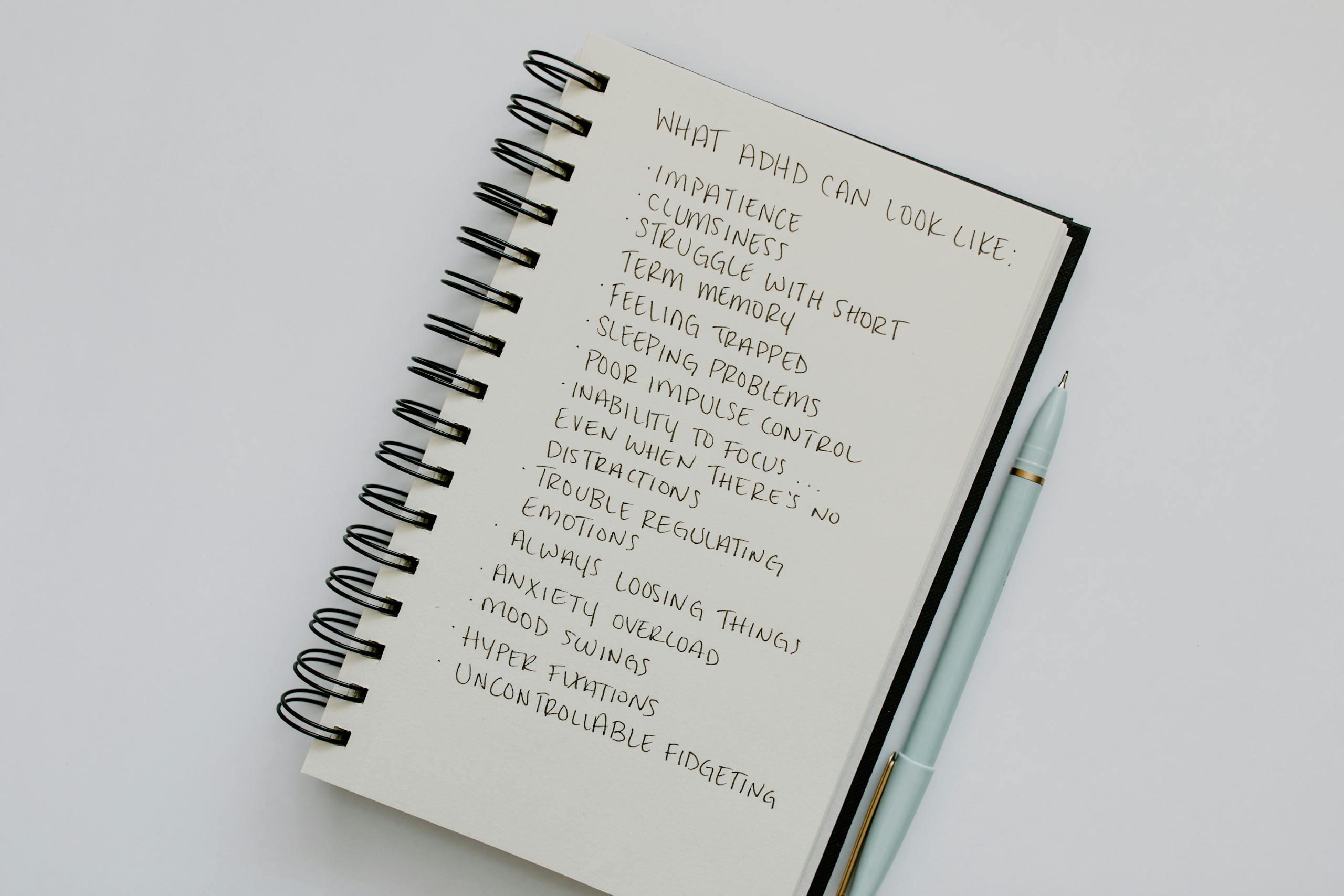
Depression hijacks your cognitive functions. Your Ni-Te system that usually generates insights and solutions starts producing nothing. The difference between INTJ isolation and depressive isolation shows up in what happens during your alone time. Depression in INTJs manifests distinctly from how it presents in other personality types.
Depression disrupts INTJ cognition through:
- Pattern recognition failure – Usually, you spot connections between disparate information effortlessly. Depression disrupts this process. Information sits in your head without forming patterns. Projects that normally fascinate you become incomprehensible puzzles.
- Decision paralysis loops – Normal INTJ decisions involve thorough analysis followed by confident action. Depression creates loops where analysis produces no conclusion. You examine the same information repeatedly without reaching any decision.
- Destructive rather than constructive analysis – The critical thinking that normally improves systems turns inward and attacks your competence, worth, and future prospects. The analysis never concludes because depression keeps feeding negative data.
- Memory formation disruption – Recent conversations disappear. Tasks you completed yesterday vanish from recall. All memory formation becomes unreliable, not just social details.
- Hostile internal monologue – The voice that usually helps you think clearly starts undermining your foundation. Every thought becomes evidence of inadequacy rather than material for problem-solving.
The pattern recognition that defines INTJ cognition falters under depression. Usually, you spot connections between disparate information effortlessly. Depression disrupts this process. Information sits in your head without forming patterns. Projects that normally fascinate you become incomprehensible puzzles. Understanding cognitive function loops helps identify when your mental processes have shifted from productive analysis to destructive rumination.
Research from the National Institute of Mental Health indicates that major depressive disorder affects cognitive function across multiple domains, including processing speed, working memory, and executive function. For INTJs who rely heavily on these capacities, depression’s impact feels especially debilitating.
Sleep patterns diverge from INTJ norms. INTJs typically maintain consistent sleep schedules because disruption affects cognitive performance. Depression either prevents sleep entirely or makes waking nearly impossible. The quality changes too. INTJ sleep normally involves processing the day’s information. Depressive sleep brings no restoration.
What’s the Difference Between Selective Engagement and Isolation?
INTJs choose selective engagement. You decline social invitations because the interaction doesn’t offer value, not because you’ve lost the capacity to connect. Depression removes choice from the equation. You want connection but can’t generate the energy for it.
INTJ selective engagement involves:
- Maintained quality relationships – Your small circle of deep connections continues functioning normally even when you’re limiting broader social contact
- Direct, efficient communication – You provide context, state your position, and expect similar clarity from others. The processing happens automatically.
- Energy-based decisions – You evaluate whether interactions will energize or drain you, then choose accordingly
- Purpose-driven socializing – You engage when there’s meaningful content to discuss or genuine connection to build
Depressive isolation involves:
- Deterioration of all relationships – Even your closest connections suffer because interaction requires resources you don’t have
- Effortful communication – Simple conversations require conscious management of every sentence. Automatic processing stops working.
- Absence of choice – You can’t engage even when you want to, not because you choose not to
- Loss of interest in connection – The drive for meaningful interaction disappears entirely
The quality of your existing relationships reveals the distinction. INTJs maintain a small circle of deep connections. These relationships continue functioning normally even when you’re limiting broader social contact. Depression deteriorates all relationships, including your closest ones. You withdraw from people who matter because interaction requires resources you don’t have.
According to the American Psychiatric Association, depression affects approximately 7% of adults annually, with introverted personality types showing higher vulnerability to certain depressive patterns due to their tendency toward rumination and internal processing.
How Do You Process Emotions: Analysis vs Numbness?

INTJs route emotions through analytical frameworks. You feel anger and immediately analyze its source. Sadness triggers investigation into causes and potential solutions. This process works because the emotions exist and the analysis functions.
Depression creates emotional flatness that analysis can’t penetrate. Nothing registers with appropriate intensity. Positive events produce no joy. Negative events generate no anger. The analytical machinery still runs, but it processes absence rather than information.
INTJ emotional control involves:
- Conscious choice in expression – You decide when and how to show feelings based on context and relationship
- Analytical processing first – Emotions get routed through your thinking functions before expression or action
- Strategic vulnerability – You can choose to be vulnerable with trusted individuals despite general emotional reserve
- Constructive emotional use – Feelings become information that guides decisions and understanding
Depressive numbness involves:
- Absence of agency – Emotions don’t surface because the system generating them has stopped functioning
- Anhedonia – Complete inability to feel pleasure or satisfaction from previously enjoyable activities
- Impossible vulnerability – Nothing exists to share because the emptiness where feelings should be offers no content
- Emotional flatness – Neither positive nor negative events register with appropriate intensity
The INTJ tendency toward emotional control differs fundamentally from depressive numbness. Control implies agency. You choose when and how to express feelings based on context. Numbness removes agency entirely. Emotions don’t surface because the system that generates them has stopped functioning.
Research from Psychology Today describes anhedonia, the inability to feel pleasure, as a core depression symptom distinct from simple emotional reserve. This difference matters because treating reserve as pathology or pathology as reserve both lead to ineffective interventions.
What Happens to Your Cognitive Function Under Stress?
INTJs under normal stress increase analytical activity. Pressure triggers your Ni-Te system into higher gear. You generate more solutions, consider more variables, and process faster. Stress sharpens your natural abilities temporarily.
Depression under stress creates cognitive collapse. Additional pressure doesn’t enhance function, it crashes the system entirely. Simple tasks become impossible. The gap between what you know you should be capable of and what you can actually do widens into an unbridgeable chasm.
Memory function separates INTJ characteristics from depression clearly. INTJs have excellent memory for patterns, systems, and concepts. You struggle with social details like names or birthdays because your brain prioritizes different information. Depression disrupts all memory formation. Recent conversations disappear. Tasks you completed yesterday vanish from recall.
The internal monologue changes quality. INTJ self-talk involves strategic planning, problem-solving, and conceptual exploration. Your inner voice helps organize thoughts and develop insights. Depressive self-talk becomes a hostile interrogation. Every thought turns into evidence of inadequacy. The voice that usually helps you think clearly starts undermining your foundation.
One of my team members, normally capable of handling multiple complex client accounts simultaneously, started missing basic deadline communications. She’d managed the same workflows flawlessly for three years. The breakdown wasn’t about competence or workload. When someone’s signature strengths suddenly become unreliable without external changes, depression often explains the gap between expected and actual performance.
A study in Cognitive Therapy and Research found that individuals with depression show significantly higher levels of negative self-referential processing compared to non-depressed controls. For INTJs whose self-concept rests on competence and capability, this shift in self-perception creates particular distress.
How Can You Recognize the Difference Practically?
Track your cognitive performance objectively. Can you complete tasks at your normal level? Depression degrades ability noticeably. INTJ personality doesn’t. If projects that usually take two hours now require six, and this pattern persists for weeks, you’re looking at potential depression rather than personality expression.
Key recognition strategies:
- Monitor your relationship with solitude – Does alone time restore your energy and productivity? INTJ solitude fuels you. Depressive isolation depletes you further.
- Examine your analytical patterns – Are you solving problems or spiraling through the same negative thoughts repeatedly? INTJ analysis moves toward conclusions and actions. Depressive rumination circles endlessly.
- Check interest in competence development – INTJs naturally pursue mastery and skill advancement. Depression eliminates interest in improvement for sustained periods.
- Track task completion patterns – Normal INTJ function involves reliable completion of important projects. Depression creates persistent inability to finish things you care about.
- Assess energy patterns – INTJ energy follows predictable cycles based on stimulation and recovery. Depression creates unpredictable energy crashes unrelated to activity level.
Monitor your relationship with solitude. Does alone time restore your energy and productivity? INTJ solitude fuels you. Depressive isolation depletes you further. Pay attention to what happens during your time alone. Active engagement signals healthy introversion. Passive inability to engage signals possible depression. Loss of interest in everything represents a key depression indicator regardless of personality type.
Examine your analytical patterns. Are you solving problems or spiraling through the same negative thoughts repeatedly? INTJ analysis moves toward conclusions and actions. Depressive rumination circles endlessly without progress. The content of your thoughts matters less than whether they’re generating forward movement.
According to NAMI (National Alliance on Mental Illness), depression diagnosis requires symptoms lasting at least two weeks with significant impact on daily functioning. Temporary low moods or stress responses don’t meet clinical criteria, distinguishing normal life fluctuations from genuine mental health conditions.
When Should You Seek Professional Help?

Seeking evaluation doesn’t require certainty about depression versus personality. Mental health professionals distinguish these factors as part of their assessment process. Your job involves recognizing when your functioning has changed significantly, not diagnosing the cause.
Consider professional consultation when:
- Cognitive changes persist beyond two weeks – Temporary dips in function happen to everyone. Sustained inability to operate at your normal level signals something more substantial.
- Sleep, appetite, or energy changes resist your usual management – INTJs typically handle these aspects efficiently. When standard adjustments stop working, external support becomes appropriate.
- Thoughts about worthlessness become persistent – These thought patterns create danger independent of their source and require immediate professional attention.
- External performance maintains while internal systems deteriorate – The capacity to keep working doesn’t indicate you’re fine. It indicates you’re skilled at functioning despite significant problems.
- Your analytical abilities become unreliable – When the cognitive functions that define your competence stop working predictably, professional evaluation helps determine causes.
Changes in sleep, appetite, or energy that resist your usual self-management strategies warrant evaluation. INTJs typically handle these aspects of life efficiently. When standard adjustments stop working, external support becomes appropriate.
After managing teams through various crises, I learned that high-functioning individuals often delay seeking help because they maintain external performance while internal systems deteriorate. The capacity to keep working doesn’t indicate you’re fine. It indicates you’re skilled at continuing despite significant problems. I watched talented professionals burn through their analytical reserves trying to solve depression the same way they solved work problems. It doesn’t work that way. Depression affects the very tools you’d normally use to address challenges.
Therapy approaches work differently for INTJs than other types. Cognitive Behavioral Therapy (CBT) often appeals to analytical minds because it provides systematic frameworks for addressing thought patterns. Finding a therapist who understands how INTJs process information improves treatment outcomes significantly.
Research from the American Psychological Association demonstrates that psychotherapy effectively treats depression across personality types, with treatment outcomes improving when therapeutic approaches match client cognitive styles and preferences.
Can You Be an INTJ and Have Depression?
INTJs can experience depression. The two aren’t mutually exclusive. Your personality type influences how depression presents and how you respond to treatment, but it doesn’t provide protection against mental health conditions.
Depression treatment for INTJs often requires addressing the gap between expected competence and current capability. The frustration of knowing you should be able to do something but finding yourself unable creates additional distress beyond the depression itself.
Recovery considerations for INTJs:
- Rebuilding trust in cognitive functions – Depression damages confidence in the analytical abilities that define your self-concept. Healing requires proving to yourself that your mind works reliably again.
- Balancing boundaries and connection – You need solitude for restoration but connection for recovery. Finding this balance requires experimentation and honest assessment.
- Using analytical strengths appropriately – Tracking patterns in mood, energy, and function provides data for treatment adjustments. The systematic approach works for mental health management too.
- Managing competence expectations – Recovery isn’t linear. Your usual problem-solving timeline doesn’t apply to depression treatment.
Recovery involves rebuilding trust in your cognitive functions. Depression damages your confidence in the analytical abilities that define your self-concept. Healing requires demonstrating to yourself that your mind works reliably again, not just feeling better emotionally.
Maintaining boundaries during recovery protects your energy without isolating you completely. INTJs need solitude for restoration. Depressed INTJs need connection for recovery. Finding the balance requires experimentation and honest assessment of what actually helps versus what feels comfortable.
Your analytical strengths become assets in recovery when directed appropriately. Tracking patterns in mood, energy, and function provides data that informs treatment adjustments. The same systematic approach you apply to other problems works for mental health management.
Understanding the difference between INTJ personality and depression matters because confusion in either direction creates problems. Treating personality as pathology leads to unnecessary intervention. Dismissing depression as personality delays needed treatment. Accurate distinction serves your wellbeing regardless of which category applies.
Explore more INTJ perspectives and resources in our complete MBTI Introverted Analysts Hub.
Frequently Asked Questions
Can INTJs be naturally happy, or do they tend toward depression?
INTJs can absolutely experience sustained wellbeing and contentment. The personality type involves preferences for solitude, analysis, and selective social engagement, none of which preclude happiness. Depression represents a separate condition that affects INTJs at rates similar to other types. Your cognitive style doesn’t determine your mental health outcomes, though it influences how both happiness and depression present in your daily experience.
How do I know if my INTJ partner is depressed or just being typical?
Watch for changes in baseline behavior rather than absolute levels of social engagement or emotional expression. If your INTJ partner normally maintains energy for projects they care about but suddenly abandons everything, that signals potential depression. If they typically handle responsibilities efficiently but now struggle with basic tasks, investigate further. Depression shows up as departure from their normal functioning patterns, not just continuation of their characteristic INTJ traits.
Do INTJs hide depression better than other types?
INTJs often maintain external performance longer during depression because competence forms a core part of identity. The analytical ability that usually serves them well gets redirected into managing appearances and meeting obligations despite internal struggles. This capability to function while depressed can delay recognition and treatment. However, close observation reveals performance degradation even when INTJs successfully mask their condition in casual interactions.
What type of therapy works best for depressed INTJs?
Cognitive Behavioral Therapy (CBT) typically resonates with INTJs because it provides systematic frameworks for addressing thought patterns and behaviors. The structured, goal-oriented approach aligns with how INTJs naturally process information. However, therapy effectiveness depends more on therapist-client fit than modality alone. Finding a therapist who respects analytical processing while addressing emotional content usually produces better outcomes than any specific therapeutic approach.
Can fixing productivity problems cure INTJ depression?
Productivity strategies help manage depression symptoms but don’t address underlying causes. Depression disrupts the cognitive functions that enable productivity, so restoring function requires treating the depression itself rather than just implementing better systems. However, maintaining some structure and accomplishing small tasks during depression can support recovery as part of comprehensive treatment that includes professional help, appropriate medication when indicated, and addressing root causes of the depressive episode.
About the Author
Keith Lacy is an introvert who’s learned to embrace his true self later in life. After 20+ years working in marketing and advertising, including roles as an agency CEO for Fortune 500 brands, Keith discovered that his quiet, analytical nature wasn’t something to “fix”, it was his competitive advantage. Now he writes about introversion, personality psychology, and career development through the lens of someone who spent decades trying to match an extroverted leadership mold before realizing his greatest professional wins came from working with his temperament, not against it. He created Ordinary Introvert to help others skip the trial-and-error phase he went through and build careers that energize rather than drain them.