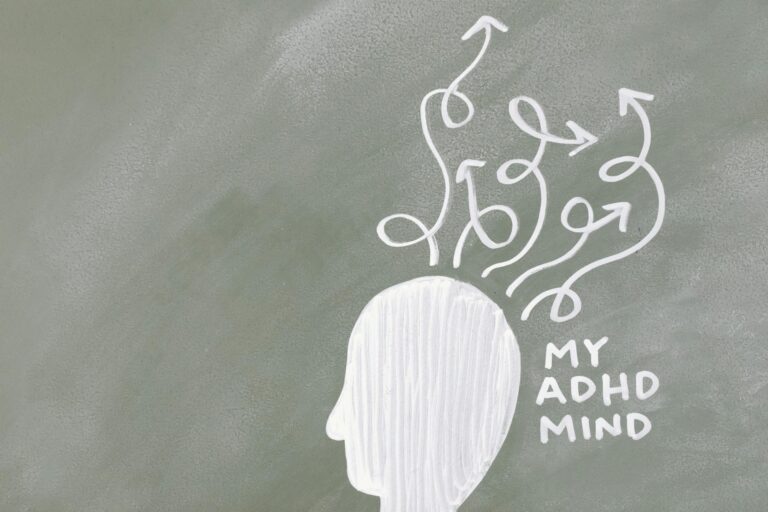
Every INTP has a shadow. Not the poetic kind you read about in self-help books, but a real psychological undercurrent that shapes behavior in ways most people with this personality type never fully see in themselves. The INTP shadow functions are the four cognitive functions that sit outside their dominant stack, and when stress, exhaustion, or emotional overwhelm hits, these shadow functions can surface in ways that feel completely out of character.

Our MBTI Introverted Analysts hub covers the full range of INTJ and INTP psychology, but the shadow side of the INTP adds a layer that even the most self-aware people with this type often miss. What looks like arrogance, emotional volatility, or sudden rigidity in an INTP is rarely what it appears to be on the surface. It’s almost always the shadow at work.
- INTPs have unconscious shadow functions that activate under stress, causing uncharacteristic arrogance, emotional volatility, and rigid thinking patterns.
- Recognize that controlling behavior and defensive pronouncements in INTPs signal shadow activation, not their genuine personality or competence.
- Sustained stress triggers less-developed cognitive patterns in INTPs, making their normally flexible minds lock into surprisingly rigid decision-making.
- Verify your actual MBTI type before interpreting shadow function behaviors, as misidentification creates confusion about your stress responses.
- Notice when you become controlling about minor details or judgmental in pronouncements, then step back and address underlying stress or exhaustion.
What Are the INTP Shadow Functions?
The INTP’s primary cognitive stack runs in this order: dominant Introverted Thinking (Ti), auxiliary Extraverted Intuition (Ne), tertiary Introverted Sensing (Si), and inferior Extraverted Feeling (Fe). These are the functions they use consciously, the ones that make INTPs brilliant at dissecting systems, generating ideas, and building elegant logical frameworks.
What’s your personality type?
Take our free 40-question assessment and get a detailed personality profile with dimension breakdowns, context analysis, and personalised insights.
Discover Your Type8-12 minutes · 40 questions · Free
The shadow stack is the flip side. It runs through Extraverted Thinking (Te), Introverted Intuition (Ni), Extraverted Sensing (Se), and Introverted Feeling (Fi). These functions aren’t absent in the INTP, they’re just unconscious. And unconscious doesn’t mean inactive. It means uncontrolled.
A 2019 study published through the American Psychological Association found that people tend to exhibit less-developed cognitive patterns under sustained stress, reverting to behaviors that feel foreign to their normal functioning. For INTPs, this maps almost precisely onto what happens when shadow functions take over. The internal critic gets louder, the emotional regulation weakens, and the normally flexible INTP mind can lock into surprisingly rigid thinking.
Before going further, if you’re not entirely certain whether INTP is actually your type, it’s worth taking a proper MBTI personality test first. The shadow functions look different depending on your actual type, and misidentifying yourself here can lead to a lot of confusion.
How Does the INTP Shadow Type Emerge Under Stress?
There’s a pattern I’ve noticed in myself as an INTJ, and I’ve seen it mirrored in the INTPs I’ve worked alongside over the years. At my advertising agency, I had a lead strategist who was one of the most brilliant systems thinkers I’d ever encountered. He could dismantle a client’s entire marketing architecture in a single afternoon and rebuild it into something genuinely elegant. But put him under sustained deadline pressure for two weeks straight, and a different version of him showed up entirely.
He’d become oddly controlling about process details that normally bored him. He’d make pronouncements about what would and wouldn’t work that had none of his usual nuance. He’d get defensive about his ideas in ways that were completely out of character for someone who normally loved having his thinking challenged. What I was watching, though I didn’t have the vocabulary for it then, was his shadow stack taking the wheel.
The INTP shadow type emerges in predictable sequences. It rarely arrives all at once. It tends to creep in at the edges of a person’s functioning, starting with the first shadow function and working its way through the stack as stress compounds.
If you want to understand the full picture of how INTPs think when they’re functioning well, the article on INTP thinking patterns and how their minds really work is worth reading alongside this one. Seeing both sides makes the contrast much clearer.

What Is the Role of Extraverted Thinking in the INTP Shadow?
Extraverted Thinking (Te) is the INTP’s first shadow function, sometimes called the opposing role. In healthy doses, Te is actually useful for INTPs. It helps them organize their thinking externally and push toward concrete results. The problem is that in the shadow, Te doesn’t show up as healthy pragmatism. It shows up as bluntness, impatience, and a sudden need to control outcomes.
An INTP operating from shadow Te will often become unusually critical of other people’s methods. Their normally generous intellectual curiosity narrows into something more combative. They start measuring everything against efficiency and results in a way that feels foreign to their usual exploratory approach. Conversations that would normally feel collaborative start feeling like debates they need to win.
I watched this dynamic play out repeatedly in client presentations. The INTPs on my team who were normally the most open to pivoting their thinking mid-presentation would sometimes become oddly entrenched when they were already running on empty. The shadow Te was doing what it always does: trying to impose external structure on a situation that felt out of control internally.
The Psychology Today coverage of cognitive function theory has consistently highlighted that shadow functions often appear as exaggerated, less-refined versions of their conscious counterparts. Te in the shadow isn’t strategic. It’s reactive.
How Does Shadow Introverted Intuition Affect INTP Behavior?
Introverted Intuition (Ni) is the second shadow function for INTPs, and it’s one of the more disorienting ones to experience. INTPs are built around Extraverted Intuition, which loves exploring multiple possibilities simultaneously and thrives on intellectual branching. Ni does the opposite. It narrows. It converges. And in the shadow, it narrows in ways that can feel like sudden certainty about things the INTP has no real basis for being certain about.
An INTP in shadow Ni can become surprisingly paranoid. They’ll start reading into situations in ways that feel like insight but are actually pattern-matching driven by anxiety. They might become convinced that a colleague is undermining them, or that a project is doomed, or that a relationship is heading somewhere specific, all based on a feeling that their normal Ti would immediately question and dismantle.
The irony is that INTPs pride themselves on not accepting conclusions without evidence. Shadow Ni bypasses that entirely. It delivers conclusions that feel like they came from deep wisdom but are actually coming from stress-distorted pattern recognition.
This is one of the reasons accurate type identification matters so much. If you’re not certain whether you’re actually an INTP or perhaps something else, reading the complete recognition guide for identifying INTP traits can help clarify the picture before you apply any of this shadow function framework to yourself.
What Happens When the INTP’s Shadow Extraverted Sensing Activates?
Extraverted Sensing (Se) in the INTP shadow is where things can get genuinely alarming for people who know this personality type well. INTPs are not naturally present-moment creatures. Their dominant Ti and auxiliary Ne keep them largely in the abstract, in theories, systems, and possibilities. Se drags them into the immediate physical world with a force that can feel overwhelming.
Shadow Se in an INTP can manifest as impulsive behavior, sensory overindulgence, or a sudden reckless quality to their decision-making. The person who normally thinks through seventeen angles before committing to anything might suddenly make a decision that seems completely unconsidered. They might overeat, drink too much, spend money impulsively, or take physical risks that are out of character.
There’s also a more subtle version of this that I’ve seen in professional settings. An INTP under shadow Se pressure can become hypersensitive to their physical environment in ways that distract them completely from their work. Noise, temperature, the discomfort of a chair, things they’d normally filter out entirely, suddenly become unbearable. Their ability to withdraw into their inner world collapses, and they’re left stranded in a sensory present they’re not equipped to handle well.
A 2021 paper from the National Institutes of Health on stress response patterns noted that individuals with strong internal processing preferences are particularly vulnerable to sensory overwhelm under sustained cognitive load. That finding maps closely onto what INTP shadow Se looks like in practice.

How Does Shadow Introverted Feeling Show Up in INTPs?
The fourth shadow function, Introverted Feeling (Fi), might be the most painful one for INTPs to encounter in themselves. INTPs have Extraverted Feeling (Fe) as their inferior function, meaning they already struggle with emotional expression and interpersonal sensitivity in their normal functioning. Shadow Fi takes that difficulty and adds a different layer entirely.
Where Fe is about harmony and responding to others’ emotional needs, Fi is deeply personal and values-driven. In the shadow, it can emerge as a sudden, intense sense of personal violation. An INTP who normally approaches conflict with detached logic might suddenly feel that something is deeply, personally wrong, not just incorrect, but morally wrong, in a way they can’t quite articulate.
This can look like sulking to people who don’t understand what’s happening. The INTP withdraws, becomes uncommunicative, and seems to be nursing a wound that they can’t or won’t explain. From the inside, it feels like a profound sense that something important has been violated, some core value or boundary, even if the INTP can’t name what it was.
Shadow Fi can also produce an unexpected self-righteousness. The INTP who normally holds their own conclusions loosely and welcomes challenge suddenly becomes intensely attached to a particular position, not because of logic, but because it feels personally meaningful. Trying to reason them out of it with evidence doesn’t work the way it normally would, because the position isn’t coming from Ti. It’s coming from something much harder to reach.
Other introverted types handle emotional depth differently. The way ISFJs process emotional intelligence offers an interesting contrast to how INTPs tend to struggle with this dimension, particularly when the shadow is involved.
What Triggers INTP Shadow Function Activation?
Understanding what pushes an INTP into shadow territory is genuinely useful, both for INTPs themselves and for the people who work or live with them. The triggers tend to cluster around a few consistent themes.
Prolonged social performance is a major one. INTPs can handle social interaction reasonably well in short bursts, particularly when it’s intellectually engaging. But sustained social performance, the kind required in client-facing roles, management positions, or extended group projects, depletes them in ways that accelerate shadow activation significantly. At my agency, I could always tell when the introverted members of my team were approaching their limit. The quality of their thinking didn’t necessarily drop first. Their emotional regulation did.
Intellectual dismissal is another powerful trigger. INTPs invest deeply in their thinking. When their ideas are dismissed without engagement, particularly by someone they respect, it can create a wound that bypasses their normal rational processing entirely. The shadow response often arrives before the conscious mind has time to intervene.
Forced compliance with systems they find illogical is a third major trigger. INTPs can accept rules and structures they disagree with when they understand the reasoning behind them. What they struggle with profoundly is being required to follow processes they find arbitrary or counterproductive, particularly when they’re not allowed to question or improve them. The shadow activation that follows this kind of constraint tends to produce the most visible behavioral changes.
The Mayo Clinic’s resources on stress and psychological response patterns offer useful context here. Chronic low-grade stress, the kind produced by ongoing situational mismatch rather than acute crisis, tends to produce more persistent shadow-state behavior than a single dramatic event.
How Is the INTP Shadow Different From the INTJ Shadow?
This is a question worth addressing directly, because the two types are frequently confused and their shadow dynamics are meaningfully different. As an INTJ, my shadow stack runs through Fi, Se, Ni in shadow expression, and Te as my dominant function’s shadow counterpart. The experience of my own shadow is very different from what INTPs describe.
INTJ shadow activation tends to produce more internalized suffering. The INTJ goes cold, withdraws completely, and can become quietly cutting in ways that are easy to miss if you’re not paying attention. INTP shadow activation tends to be more externally visible, more erratic, and more confusing to the people around them, precisely because it’s so inconsistent with their normal presentation.
Both types share the challenge of an underdeveloped feeling function, but they experience it differently in the shadow. The INTJ’s shadow feeling function (Fi) tends to produce self-directed intensity. The INTP’s shadow feeling function also involves Fi, but it arrives through a different pathway and tends to feel more alien to the INTP because it’s further from their normal functioning.
Understanding these distinctions also matters for people who are close to INTPs and INTJs professionally. The way INTJ women handle professional stereotypes and success illustrates some of these shadow dynamics in real-world contexts, and the contrast with INTP patterns is instructive.
Can INTPs Recognize Their Own Shadow Functions in Real Time?
Honestly, this is the hardest part. Most INTPs are highly self-aware under normal conditions. They’re introspective, analytically rigorous about their own thinking, and genuinely interested in understanding how their minds work. The cruel irony of shadow function activation is that it tends to compromise exactly the self-awareness that would allow them to catch it.
When shadow Te is running the show, the INTP is usually convinced they’re being appropriately decisive. When shadow Ni is active, the paranoid pattern-matching feels like genuine insight. When shadow Se has taken over, the impulsive behavior often feels like finally doing something instead of overthinking. And when shadow Fi is present, the self-righteous certainty feels like moral clarity.
The recognition usually comes after the fact. The INTP emerges from a period of stress, looks back at their behavior, and feels a kind of bewildered recognition. “That wasn’t really me.” Except it was. It was the parts of them they don’t usually have access to, showing up without their permission.
What does help is having reliable external reference points. People who know the INTP well enough to notice the shift in behavior and say something about it without triggering the shadow defensiveness further. This requires a particular kind of relationship, one built on enough trust that the INTP doesn’t experience the observation as an attack.
The way some other introverted types handle interpersonal complexity offers useful perspective here. Looking at how ISFPs build deep connection in relationships shows a very different approach to emotional attunement that INTPs can learn from, even if the style doesn’t come naturally.
What Does Growth Look Like for INTPs Working With Their Shadow?
Growth here isn’t about eliminating the shadow. That’s not possible, and it’s not the goal. The shadow functions exist for a reason. They’re the parts of the psyche that hold capacities the dominant stack doesn’t naturally develop. Te, Ni, Se, and Fi all have genuine value when they’re integrated rather than unconscious.
For INTPs, growth with shadow functions tends to follow a particular pattern. It starts with recognition, which usually happens retrospectively at first. The INTP notices, after the fact, that they were operating from a different mode. Over time, with enough of these recognitions, they start to catch the shift earlier. Eventually, some INTPs develop the capacity to notice the shadow activating in real time, which creates at least some space for a conscious response.
Developing a healthier relationship with Te means learning to value external structure and decisive action without using them as weapons. An INTP who can consciously access Te can become significantly more effective in leadership and execution contexts without losing their characteristic analytical depth.
Working with shadow Ni means developing a more disciplined relationship with intuitive conclusions. Learning to ask “what’s the evidence for this?” before acting on a sudden conviction is a skill that doesn’t come naturally to an INTP in shadow mode, but it can be built deliberately over time.
Shadow Se integration often involves developing more intentional physical self-care practices. INTPs who learn to manage their physical environment proactively, rather than ignoring it until it becomes unbearable, tend to have significantly more resilience against shadow activation overall. The APA’s work on stress management and self-regulation offers practical frameworks that translate well to this kind of deliberate development.
Shadow Fi integration is perhaps the most meaningful long-term growth area. INTPs who develop a conscious relationship with their own values, who can articulate what matters to them personally and why, tend to become significantly more emotionally stable and more capable of genuine intimacy. This doesn’t mean becoming a feeling type. It means having a clearer internal compass that doesn’t have to operate entirely from the unconscious.
Some of the most interesting parallels to this kind of growth appear in other introverted types who handle similar tensions between logic and emotional depth. The paradoxes that INFJs carry offer a different angle on what it looks like to hold complexity without letting it become contradiction.

How Should People Who Work With INTPs Respond to Shadow Behavior?
This is something I wish I’d understood better in my years running agencies. I had genuinely brilliant people on my teams who would periodically become difficult in ways that seemed to come from nowhere. With the benefit of hindsight and a much better understanding of cognitive function theory, I can see exactly what was happening in most of those situations. At the time, I handled some of them well and some of them badly.
What works with an INTP in shadow mode is almost never direct confrontation about the behavior itself. Telling an INTP that they’re being irrational when shadow Te is running activates more defensiveness. Pointing out that they seem paranoid when shadow Ni is active makes the paranoia worse. The shadow functions are not accessible to logic in the moment they’re operating.
What does work is creating conditions for recovery. INTPs in shadow mode need, above almost everything else, time and space away from the stressor that triggered the activation. If the trigger is social overwhelm, more social interaction won’t help. If it’s intellectual dismissal, more debate won’t help. The shadow needs the pressure to reduce before the dominant stack can reassert itself.
After the pressure has reduced and the INTP has had genuine recovery time, they’re usually remarkably capable of reflecting on what happened. Engaging the conversation then, when Ti is back online and Ne can explore the situation with curiosity rather than defensiveness, tends to produce much more productive outcomes than trying to address shadow behavior while it’s active.
The Harvard Business Review’s research on psychological safety in team environments is directly relevant here. Teams where people feel genuinely safe to recover from difficult moments, rather than being judged or managed during them, show consistently better long-term performance. For INTPs specifically, psychological safety isn’t just a nice-to-have. It’s a functional requirement for sustained high performance.
I’ve come to think of the INTP shadow not as a flaw to be managed but as a signal worth paying attention to. When someone with this personality type goes into shadow mode, it almost always means something real is wrong, not with them, but with the conditions they’re operating in. The shadow is, in its own clumsy way, trying to protect them. The work is learning to hear what it’s actually saying before it has to shout.
If you want to keep exploring what makes the INTP and INTJ types tick at a deeper level, the full MBTI Introverted Analysts hub covers everything from cognitive function theory to career patterns to relationship dynamics for both types.
About the Author
Keith Lacy is an introvert who’s learned to embrace his true self later in life. After 20 years in advertising and marketing leadership, including running agencies and managing Fortune 500 accounts, Keith now channels his experience into helping fellow introverts understand their strengths and build fulfilling careers. As an INTJ, he brings analytical depth and authentic perspective to every article, drawing from both professional expertise and personal growth.
Frequently Asked Questions
What are the INTP shadow functions?
The INTP shadow functions are the four unconscious cognitive functions that sit outside their primary stack: Extraverted Thinking (Te), Introverted Intuition (Ni), Extraverted Sensing (Se), and Introverted Feeling (Fi). These functions operate below conscious awareness and tend to emerge in distorted, reactive forms during periods of stress, exhaustion, or sustained emotional pressure.
Related reading: isfj-dark-side-shadow-functions.
What is the INTP shadow type?
The INTP shadow type refers to the behavioral patterns that emerge when an INTP’s unconscious cognitive functions take over from their normal dominant stack. In psychological terms, the shadow represents the less-developed, less-integrated aspects of the personality that surface under pressure. For INTPs, this produces behavior that can seem controlling, paranoid, impulsive, or emotionally rigid, all of which are out of character with their typical presentation.
How do I know if I’m in INTP shadow mode?
Common signs include unusual rigidity in thinking, sudden certainty about conclusions you’d normally question, impulsive behavior that bypasses your normal analytical process, heightened sensitivity to physical discomfort, and a sense of personal violation that you can’t quite articulate logically. Most INTPs recognize shadow mode more easily in retrospect than in real time, particularly early in their self-awareness development.
Can INTPs integrate their shadow functions?
Yes, and doing so tends to produce meaningful growth. Shadow integration for INTPs doesn’t mean becoming a different type. It means developing a more conscious relationship with Te, Ni, Se, and Fi so these functions can contribute productively rather than operating reactively. This process typically takes years and works best when the INTP has both self-awareness and supportive external relationships that provide honest feedback.
What triggers INTP shadow function activation?
The most common triggers include prolonged social performance beyond the INTP’s capacity, intellectual dismissal by someone they respect, forced compliance with systems or processes they find illogical, and sustained low-grade stress from ongoing situational mismatch. Acute crises can also trigger shadow activation, but chronic low-level stressors tend to produce more persistent shadow-state behavior over time.