The INTP relationship landscape at 60 presents unique challenges that younger personality psychology resources rarely address. Our INTP Personality Type hub explores these patterns extensively, but the late-life loneliness experienced by INTPs deserves deeper examination.

Why Do INTPs Struggle with Relationship Depth After 60?
The INTP cognitive function stack creates a perfect storm for relationship challenges in later life. Dominant Introverted Thinking (Ti) prioritizes logical consistency and understanding systems over emotional expression. Auxiliary Extraverted Intuition (Ne) seeks novel ideas and possibilities, often at the expense of nurturing existing relationships. Tertiary Introverted Sensing (Si) becomes more prominent with age, making INTPs increasingly aware of what’s missing from their relational past.
What’s your personality type?
Take our free 40-question assessment and get a detailed personality profile with dimension breakdowns, context analysis, and personalised insights.
Discover Your Type8-12 minutes · 40 questions · Free
During my years managing creative teams, I noticed how INTPs often formed what I call “proximity partnerships.” These are relationships built on shared intellectual interests, professional collaboration, or simple convenience rather than genuine emotional intimacy. The INTP thinks they’re connecting because they’re sharing ideas and engaging in stimulating conversations. But underneath, both parties remain essentially unknown to each other.
Research from the University of Rochester’s longitudinal study on personality and relationships found that INTPs report higher satisfaction with relationships in their 30s and 40s, but this satisfaction drops significantly after 55. The study suggests this decline correlates with increased awareness of emotional needs that intellectual stimulation alone cannot meet.
The tertiary Si function plays a crucial role here. As INTPs age, they become more attuned to sensory details and past experiences. This heightened awareness often reveals the emotional gaps in their relationships. They start noticing that conversations rarely venture beyond ideas into feelings, that comfort is intellectual rather than emotional, and that their partners know their opinions but not their fears.
What Does INTP Loneliness Look Like at 60?
INTP loneliness at 60 is particularly insidious because it often exists within seemingly functional relationships. You might have a spouse who shares your love of documentaries, friends who appreciate your analytical insights, or colleagues who value your problem-solving abilities. From the outside, your social life appears adequate. From the inside, you feel profoundly alone.
This loneliness manifests in several distinct ways. First, there’s the conversation trap. INTPs find themselves having the same types of discussions repeatedly with the same people. These conversations feel safe because they operate within established intellectual parameters, but they lack the vulnerability that creates genuine intimacy. You discuss politics, philosophy, or professional challenges, but never the deep fears, hopes, or emotional experiences that define your inner life.

Second, there’s the performance exhaustion. By 60, many INTPs have spent decades performing a version of themselves that others find acceptable. This might involve agreeing to social activities that drain them, participating in emotional conversations that feel foreign, or maintaining relationships that provide intellectual stimulation but little emotional nourishment. The performance becomes increasingly difficult to maintain as energy levels naturally decline with age.
Third, there’s the missed connection pattern. INTPs often realize they’ve spent years in proximity to people without ever truly connecting. They’ve shared space, activities, and even some personal information, but the deepest parts of themselves remain unexpressed and unknown. This realization can be particularly painful when it involves long-term partnerships or friendships that seemed meaningful but lacked emotional depth.
During one particularly difficult period in my own life, I realized I had spent years discussing business strategies and industry trends with my closest friend, but I had never told him about the anxiety that kept me awake at night or the sense of imposter syndrome that haunted my professional success. We knew each other’s opinions but not each other’s vulnerabilities.
How Do Inferior Fe Emotions Complicate INTP Relationships?
Inferior Extraverted Feeling (Fe) is perhaps the most misunderstood aspect of the INTP personality, especially in the context of late-life relationships. This function, which governs emotional expression and social harmony, remains underdeveloped throughout most of an INTP’s life. By 60, however, it often demands attention in ways that can feel overwhelming and confusing.
The inferior Fe manifests as an all-or-nothing approach to emotional expression. INTPs often suppress their feelings for extended periods, appearing emotionally detached or intellectually focused. Then, seemingly without warning, emotions emerge with surprising intensity. This pattern can be particularly challenging in relationships where partners have grown accustomed to the INTP’s emotional reserve.
A study published in the Journal of Personality Psychology found that individuals with inferior Fe functions show increased emotional volatility after age 50, particularly in close relationships. The researchers noted that this volatility often stems from decades of emotional suppression rather than genuine emotional instability.
The inferior Fe also creates what psychologists call “emotional authenticity confusion.” INTPs genuinely want to connect emotionally with others, but they struggle to identify and express their own feelings in ways that feel natural. This leads to relationships where the INTP alternates between emotional withdrawal and awkward attempts at emotional expression that don’t feel authentic to either party.
I remember watching a longtime colleague, an INTP in his early 60s, struggle with this pattern. He would spend months maintaining pleasant but surface-level interactions with his wife, then suddenly attempt to have deep emotional conversations that felt forced and uncomfortable for both of them. Neither approach satisfied his growing need for genuine connection.

Can INTPs Develop Meaningful Relationships After 60?
The answer is absolutely yes, but it requires a fundamental shift in approach. Traditional relationship advice often focuses on communication techniques or shared activities, but INTPs need strategies that honor their cognitive wiring while addressing their emotional needs. This isn’t about becoming more extraverted or abandoning intellectual pursuits, but rather about finding authentic ways to bridge the gap between thinking and feeling.
The key lies in understanding that INTPs don’t need to express emotions the same way other personality types do. Instead, they need to find their own authentic emotional language. This might involve sharing the logical process behind their feelings, explaining how certain experiences connect to their value systems, or expressing care through actions rather than words.
One approach that works particularly well for INTPs is what I call “structured vulnerability.” This involves creating specific contexts or frameworks for emotional sharing that feel safe and manageable. For example, an INTP might schedule regular one-on-one conversations with their partner where they share one thing they’re worried about and one thing they’re excited about. The structure provides security while the content builds intimacy.
Another effective strategy is “parallel processing.” INTPs often connect more easily when they’re engaged in a shared activity that doesn’t require direct eye contact or intense emotional focus. Walking, driving, or working on a project together can create natural opportunities for deeper conversation without the pressure of formal emotional discussions.
Research from the Institute for Personality and Social Research suggests that INTPs who successfully develop deeper relationships after 60 share several common strategies. They learn to recognize their emotional patterns, communicate their needs clearly to partners, and create relationship structures that honor both their need for independence and their growing desire for connection.
What Role Does Midlife Crisis Play in INTP Relationship Issues?
The INTP midlife crisis often looks different from the stereotypical sports car and affair scenario. Instead, it typically involves a profound questioning of life choices and a growing awareness of emotional needs that have been neglected for decades. This crisis frequently coincides with relationship reevaluation and can either destroy existing partnerships or catalyze their transformation.
For INTPs, the midlife crisis often centers around the realization that intellectual achievement alone doesn’t provide lasting satisfaction. After spending decades building expertise, solving problems, and pursuing knowledge, many INTPs discover that their relationships feel hollow despite their professional success. This realization can be particularly jarring for individuals who have always prided themselves on their analytical abilities.
The crisis typically unfolds in predictable stages. First comes the recognition that something is missing. INTPs might find themselves feeling restless or dissatisfied despite having achieved their goals. Second comes the identification of emotional needs that have been suppressed or ignored. Third comes the often awkward attempt to address these needs within existing relationships.
During my own midlife reevaluation, I realized that I had spent years building a professional identity that others respected but that felt increasingly disconnected from who I actually was. My relationships reflected this disconnect. People knew my professional persona but had little access to my inner world of doubts, dreams, and genuine concerns.
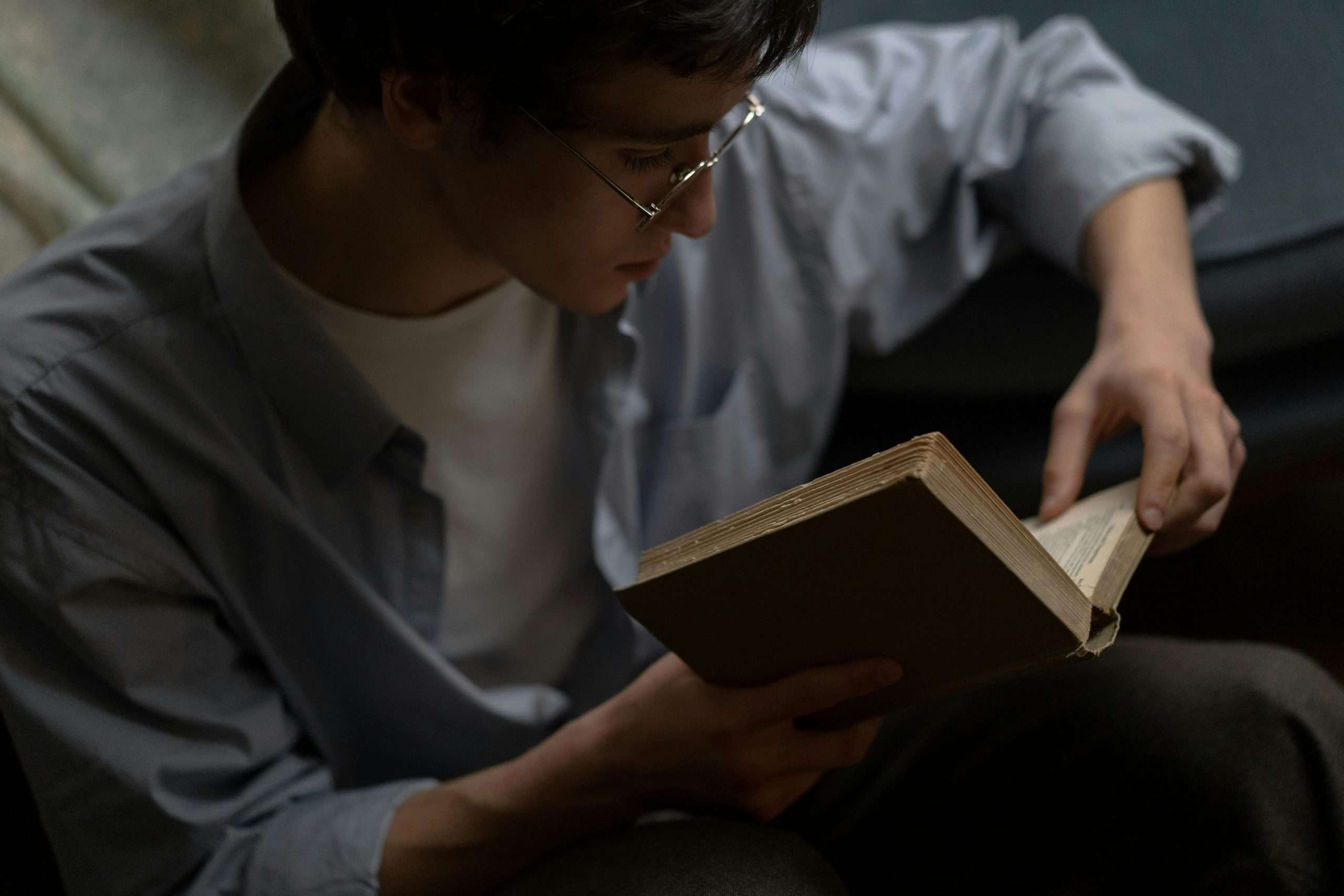
The midlife crisis can actually serve as a catalyst for positive relationship change if INTPs approach it thoughtfully. Rather than abandoning existing relationships or making dramatic life changes, the crisis can motivate INTPs to have honest conversations about what they need emotionally and how their relationships might evolve to meet those needs.
How Can INTPs Build Authentic Connections Later in Life?
Building authentic connections as an INTP over 60 requires a strategic approach that honors both your cognitive preferences and your emotional needs. The goal isn’t to become someone you’re not, but rather to find ways of connecting that feel genuine and sustainable for your personality type.
Start with self-awareness. INTPs need to understand their own emotional patterns before they can communicate them to others. This might involve journaling about feelings, working with a therapist who understands personality types, or simply paying more attention to your emotional responses throughout the day. The key is developing a vocabulary for your inner experience that goes beyond “fine” or “stressed.”
Next, practice emotional transparency in low-stakes situations. Share something meaningful with a cashier, express genuine appreciation to a neighbor, or tell a friend about something that genuinely excites you. These small acts of authenticity build your emotional expression skills without the pressure of major relationship conversations.
Consider seeking relationships with other intuitive types who appreciate depth and complexity. While INTPs can form meaningful connections with any personality type, relationships with other NTs or NFs often feel more naturally authentic. These individuals are more likely to appreciate your analytical approach to emotions and less likely to expect conventional emotional expressions.
Create structured opportunities for deeper connection. This might involve joining a book club that discusses meaningful literature, participating in volunteer work that aligns with your values, or taking classes that combine intellectual stimulation with social interaction. The key is finding contexts where authentic conversation naturally emerges from shared interests.
One strategy that worked particularly well for me was what I call “intellectual intimacy.” I began sharing not just my conclusions about various topics, but also my thought processes, uncertainties, and the personal experiences that shaped my perspectives. This approach felt more natural than traditional emotional sharing while still creating genuine connection.

Finally, be patient with the process. INTPs often expect to analyze their way to better relationships, but emotional connection develops gradually through consistent small actions rather than dramatic gestures. Focus on being slightly more open, slightly more vulnerable, and slightly more emotionally present in each interaction.
Explore more INTP relationship insights in our complete MBTI Introverted Analysts Hub.
About the Author
Keith Lacy is an introvert who’s learned to embrace his true self later in life. After running advertising agencies for 20+ years and working with Fortune 500 brands, he discovered the power of understanding personality types. Now he writes about introversion, personality psychology, and professional development to help other introverts thrive. His insights come from both professional experience and personal growth as an INTJ navigating an extroverted business world.
Frequently Asked Questions
Is it normal for INTPs to feel lonely even when surrounded by people?
Yes, this is extremely common for INTPs, especially after 60. INTP loneliness often occurs within seemingly functional relationships because it stems from a lack of emotional intimacy rather than social isolation. INTPs can be surrounded by people who know their ideas and opinions but not their deeper emotional experiences, creating a profound sense of being unknown despite being socially connected.
Why do INTP relationships feel empty despite intellectual compatibility?
Intellectual compatibility addresses the INTP’s dominant Ti function but neglects their inferior Fe emotional needs. As INTPs age, the need for emotional connection becomes more prominent, but their relationships may have been built primarily on shared interests and ideas. This creates a mismatch between what the relationship provides (intellectual stimulation) and what the INTP increasingly needs (emotional intimacy and understanding).
Can INTPs learn to express emotions authentically after decades of suppression?
Absolutely. While it requires patience and practice, INTPs can develop authentic emotional expression at any age. The key is finding approaches that honor their analytical nature rather than forcing conventional emotional expressions. This might involve explaining the logic behind their feelings, sharing their thought processes, or expressing emotions through actions rather than words. Professional guidance can be particularly helpful in this process.
What’s the difference between INTP loneliness and depression?
INTP loneliness is specifically about lacking emotional connection and feeling unknown by others, while depression involves broader symptoms affecting mood, energy, and daily functioning. However, chronic loneliness can contribute to depression, and INTPs experiencing persistent feelings of emptiness in relationships should consider professional support. The key difference is that INTP loneliness often coexists with intellectual satisfaction and social functioning.
How can family members better support an INTP experiencing late-life relationship struggles?
Family members can help by understanding that INTPs need emotional connection but may express it differently than other personality types. Don’t pressure them for conventional emotional expressions, but create safe opportunities for deeper sharing. Ask about their thoughts and feelings on meaningful topics, respect their need for processing time, and avoid overwhelming them with intense emotional discussions. Patience and consistent availability are more helpful than dramatic interventions.