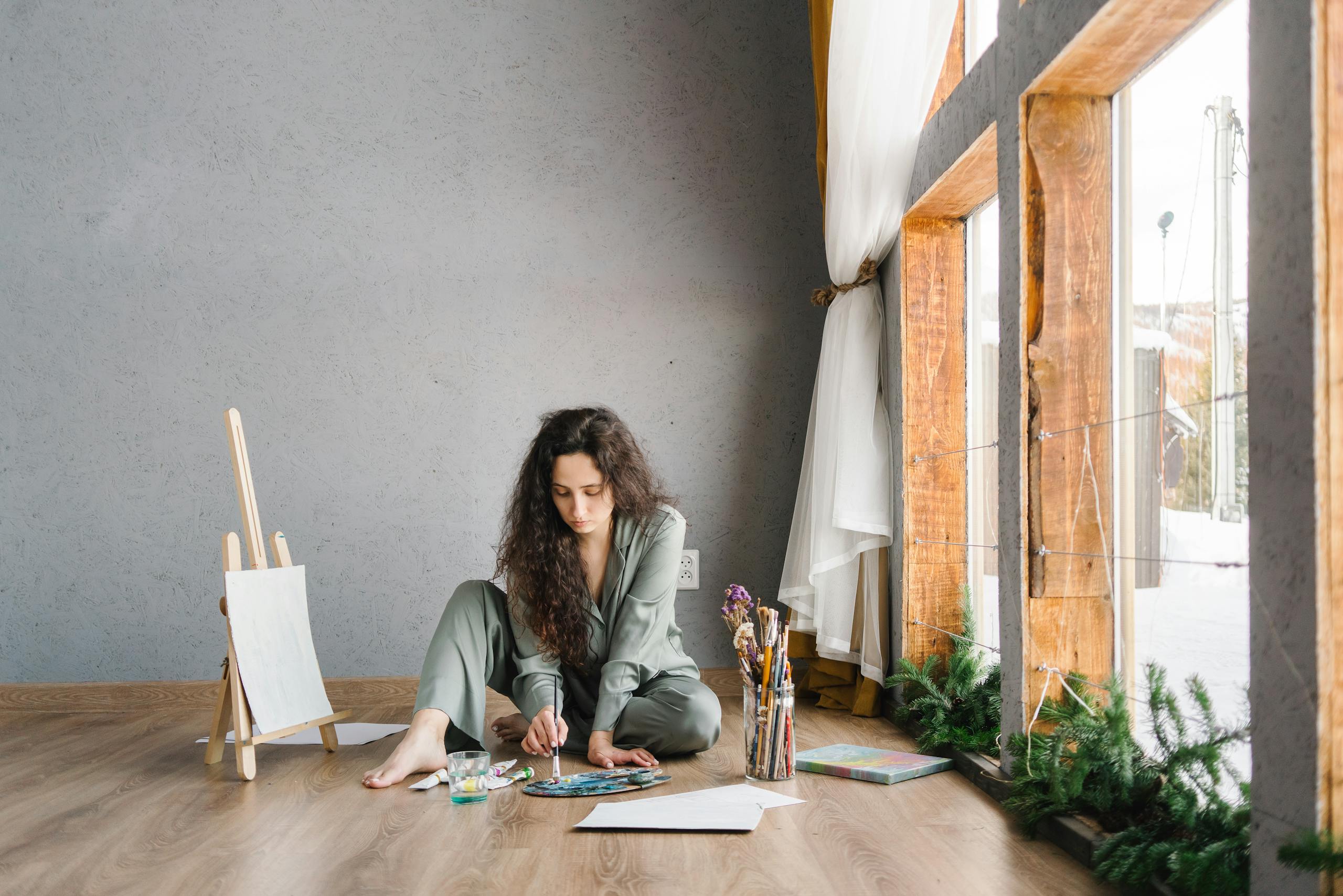
Your preference for solitude isn’t a barrier to an artistic career. It’s actually one of your greatest professional assets.
Creative fields reward depth over breadth, focused observation over constant collaboration, and the kind of sustained concentration that comes naturally to those who prefer their own company. The U.S. Bureau of Labor Statistics reports that craft and fine artists earned a median annual wage of $56,260 in May 2024, with top earners exceeding $133,220. These figures represent real opportunities for individuals who combine artistic talent with strategic career planning.
During my years running a creative agency, I watched talented artists struggle not because they lacked skill, but because they tried to force themselves into extroverted career molds. The painters who attempted constant networking events burned out. The illustrators who took every collaborative project drained their creative reserves. Meanwhile, artists who structured their careers around their natural tendencies built sustainable practices that lasted decades.
Why Introversion Fuels Artistic Excellence
The connection between introversion and creativity runs deeper than simple preference for quiet workspaces. A University of South Carolina thesis examining creative professionals found that introverted traits correlate positively with creative output, particularly when individuals work in environments that accommodate their need for uninterrupted focus.
Psychologist Hans Eysenck observed that introversion fosters creativity by concentrating mental energy on tasks at hand and preventing the dissipation of focus on unrelated social matters. This isn’t about being antisocial; it’s about directing cognitive resources toward creative work instead of spreading them thin across constant interactions.
Consider what happens when you enter a creative flow state. External distractions fade. Time loses its normal structure. Ideas connect in unexpected ways. These experiences occur more readily when your nervous system isn’t simultaneously processing social stimulation. Artists who understand this biological reality can structure their work lives accordingly.
Research published in ScienceDirect reveals that creative individuals demonstrate higher resting arousal levels and greater cortical reactivity to stimuli. This heightened sensitivity, common among those with introverted temperaments, translates into the detailed observation and nuanced perception that distinguishes exceptional artwork.
Art Career Pathways That Honor Your Nature
Artistic careers span a remarkable range of structures and settings. Some demand constant client interaction; others unfold primarily in solitary studios. Recognizing which pathways align with your energy patterns prevents the burnout I witnessed repeatedly among agency creatives who ignored their natural inclinations.
Fine Art and Studio Practice
Painters, sculptors, and mixed-media artists can structure entire careers around independent studio work. The Bureau of Labor Statistics notes that approximately 55% of fine artists are self-employed, giving them substantial control over their working environments and schedules. This autonomy allows creatives to protect their energy reserves and work during their most productive hours.
Gallery representation, once considered essential, now coexists with direct-to-collector sales, online platforms, and commissioned work. Artists who prefer limited interaction can focus on creating exceptional work and occasionally engaging with carefully selected galleries or collectors, leaving the constant networking to those who thrive on it.
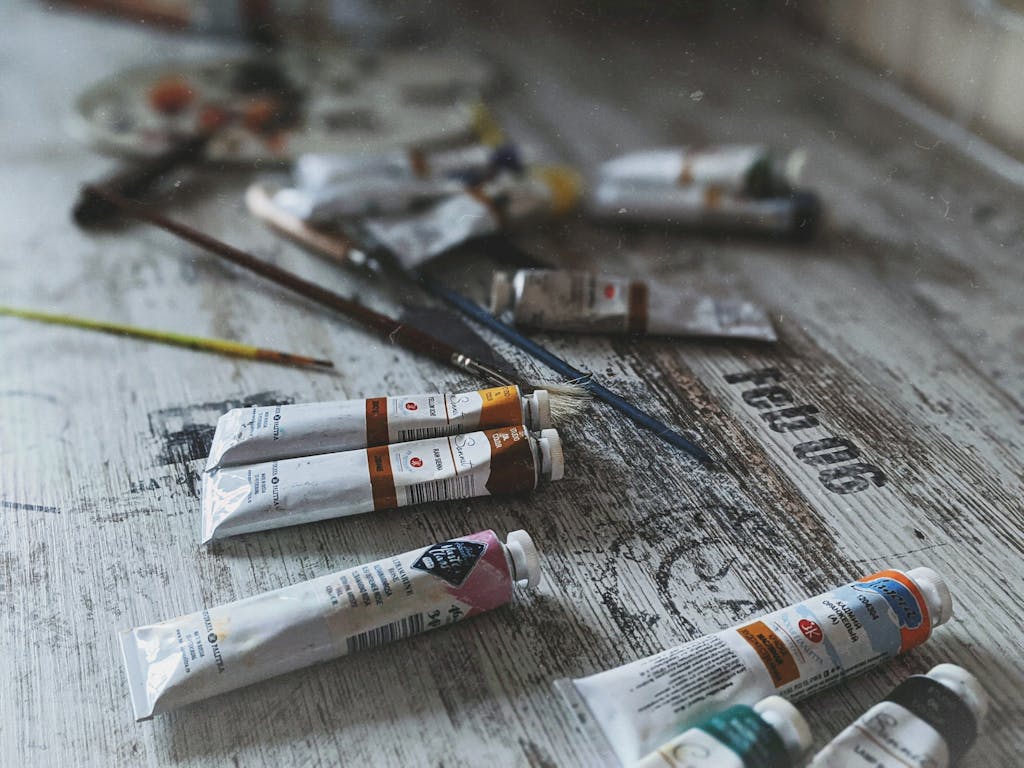
Illustration and Commercial Art
Illustrators create visual narratives for publishing, advertising, gaming, and digital media. Much of this work happens independently, with communication occurring primarily via email or occasional video calls. Graphic design careers offer similar advantages, combining creative expression with substantial periods of focused individual work.
Book illustration particularly suits those who prefer depth over breadth. Projects span months, allowing artists to immerse themselves in single creative visions. Gaming and animation studios increasingly support remote work arrangements, further reducing the social demands that can exhaust reserved professionals.
Digital and Emerging Art Forms
Digital illustration, 3D modeling, and concept art have expanded creative possibilities enormously. These fields reward the kind of meticulous attention and sustained focus that comes naturally to internally-oriented individuals. User experience design represents another avenue where visual thinking meets independent problem-solving.
The digital realm offers something physical galleries cannot: asynchronous communication. Artists can respond to collectors, clients, and collaborators when their energy levels support productive interaction. No more mandatory openings that drain creative reserves for the following week.
Building a Sustainable Creative Practice
Financial sustainability remains the greatest challenge for most artists, regardless of temperament. According to Bankrate’s analysis of artist finances, income fluctuation creates stress that can undermine creative output. Reserved professionals may actually have an advantage here: our tendency toward careful planning and delayed gratification supports the financial discipline artistic careers require.
One client I worked with early in my agency career embodied this principle beautifully. She maintained a three-year financial runway before leaving her corporate design position, then built her painting practice methodically over eighteen months. Her careful approach meant she never faced the panic that forces artists into draining commercial work that conflicts with their creative vision.
Multiple Revenue Streams
Diversification protects against the income volatility that characterizes creative professions. Indeed’s career research on freelance artists emphasizes building a portfolio of income sources: original sales, prints and reproductions, licensing, teaching, and commissioned work.
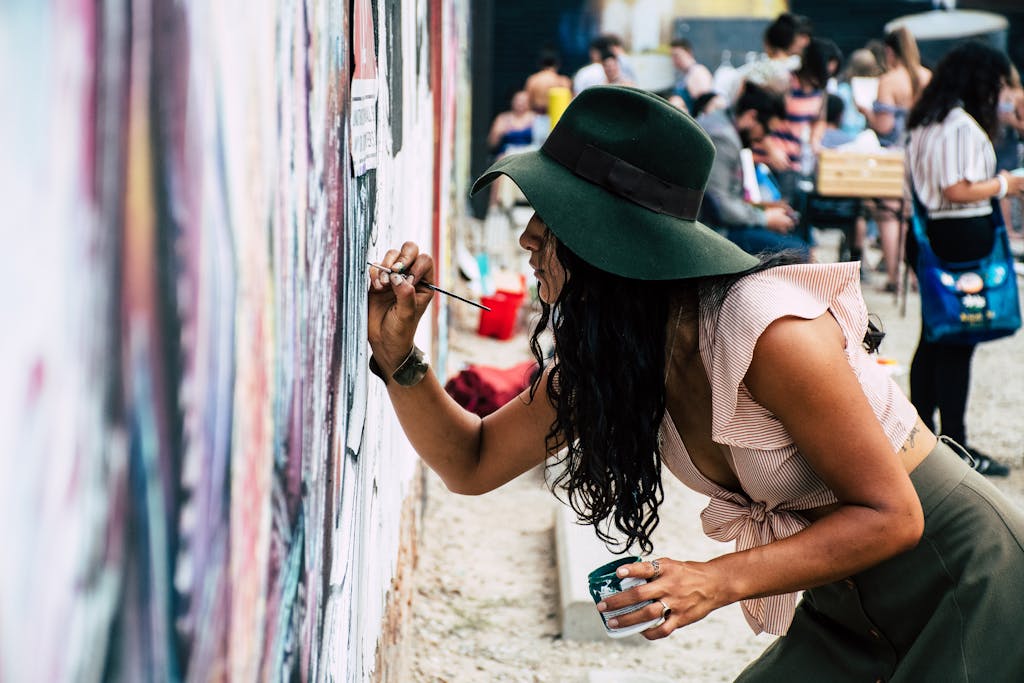
Teaching represents a particularly valuable addition for many artists. One-on-one instruction or small workshops allow meaningful connection without the overwhelming stimulation of large classes. Online courses and tutorials extend this model further, enabling artists to share knowledge asynchronously and reach students globally without in-person demands.
Print-on-demand services and digital marketplaces have democratized art sales entirely. Artists upload images once and earn passive income indefinitely. This model rewards the quality and uniqueness of creative work over networking prowess or self-promotional energy.
Strategic Client Relationships
Long-term client relationships serve reserved artists better than constantly pursuing new prospects. As explored in our analysis of graphic design careers, deeper connections with fewer clients often prove more sustainable than the volume-based approach extroverted competitors may favor.
Quality work generates referrals, reducing the need for active self-promotion. Satisfied clients recommend artists to their networks, creating new opportunities without requiring the artist to work the room at industry events. This organic growth model aligns perfectly with personality types that find constant networking depleting.
Designing Your Ideal Creative Environment
Your workspace profoundly influences your creative output. Research consistently shows that people with introverted temperaments perform better in environments with lower stimulation levels. For artists, this means designing studios that support sustained focus and protect against interruption.
Natural light, controlled sound, and visual simplicity create conditions where creative flow states emerge more readily. Some artists work best in complete silence; others prefer ambient noise or instrumental music. Experiment to discover what supports your particular creative process.
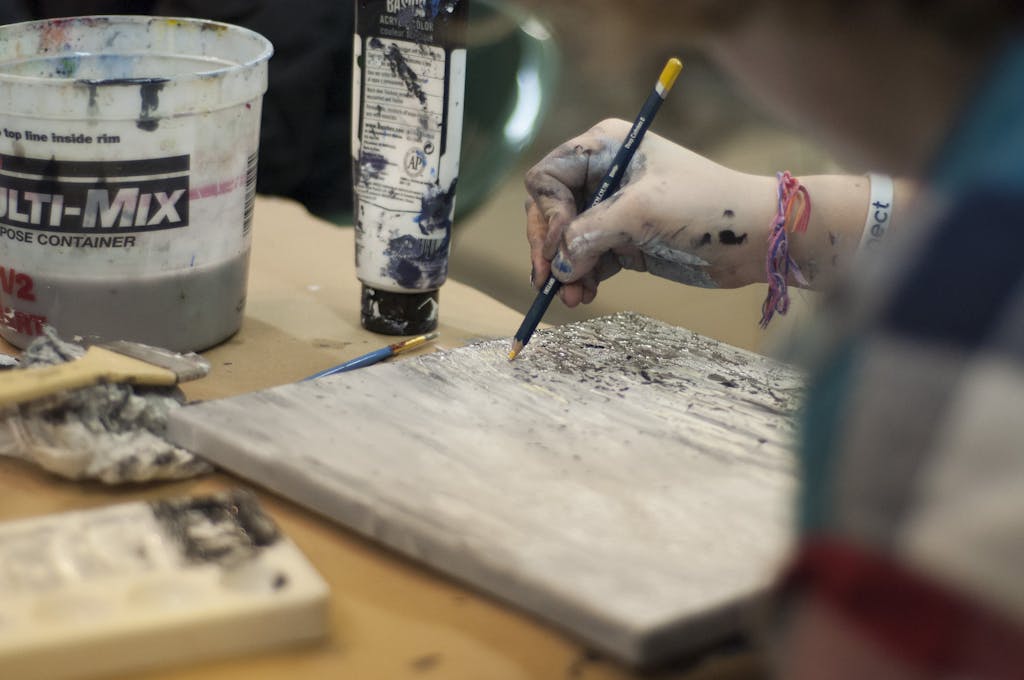
Home studios eliminate commutes and provide complete control over working conditions. However, some artists benefit from the structure of external workspaces. Shared studios with private rooms offer community without constant interaction. The key is choosing arrangements that energize rather than deplete you.
During my agency years, I noticed that our most productive creatives protected their mornings fiercely. They arrived early, worked in focused blocks before meetings began, and structured collaborative time for afternoon hours when their independent creative work was complete. This rhythm honored their natural inclinations while meeting professional obligations.
Addressing Common Challenges
Self-promotion represents the obstacle artists mention most frequently. Galleries expect artists to attend openings. Social media algorithms reward constant engagement. Industry success seems to require exactly the behaviors that drain reserved professionals most severely.
Reframing helps enormously here. Interior designers and other creative professionals often discover that authentic sharing differs fundamentally from performative self-promotion. Documenting your creative process, explaining your influences, and discussing your work’s meaning can feel natural and genuine when approached as teaching or storytelling.
Written communication plays to introverted strengths. Artist statements, blog posts, and newsletter content allow careful thought and revision. Email correspondence builds relationships without the pressure of real-time performance. Many collectors appreciate the depth and thoughtfulness that written communication enables.
Isolation presents another genuine challenge. Creative work requires feedback, community, and connection to larger artistic conversations. The solution isn’t forcing yourself into overwhelming social situations but rather finding sustainable forms of creative community.
Small critique groups, online artist forums, and one-on-one mentorship relationships provide connection without the energy drain of large networking events. Career changers entering creative fields benefit particularly from these focused connection strategies.
Developing Your Unique Artistic Voice
Your temperament shapes not only how you work but what you create. The observational depth, emotional sensitivity, and reflective processing common among reserved individuals often produce artwork with distinctive qualities: nuanced detail, psychological complexity, and contemplative atmosphere.
Embrace these tendencies rather than fighting them. The art world already has plenty of bold, extroverted expression. Work that rewards quiet attention and reveals itself gradually over time offers collectors something they cannot find elsewhere.
Personal projects, free from client constraints, allow your authentic artistic voice to emerge. Protect time for this exploratory work even when commercial demands increase. The insights gained during personal practice inevitably enrich commissioned work and attract clients who value your particular perspective.
Taking Your First Steps
Beginning or restructuring an artistic career doesn’t require dramatic immediate changes. Start by auditing your current situation: Which aspects of your creative practice energize you? Which deplete you? Where are you fighting against your nature instead of working with it?
Make one small adjustment that honors your temperament. Protect one hour each morning for uninterrupted creative work. Decline one networking event and invest that time in studio practice. Reach out to one potential mentor for a coffee conversation instead of attending a crowded industry mixer.
Architecture and design professionals have long recognized that sustainable careers require alignment between personality and practice. Artists deserve the same intentional approach to career design.
Your quiet nature doesn’t limit your artistic potential. It shapes it. The capacity for sustained focus, detailed observation, and deep emotional processing that comes naturally to you represents exactly what exceptional art requires. Build a career that lets these qualities flourish, and your work will speak for itself.
Explore more career resources in our complete Career Paths and Industry Guides Hub.
About the Author
Keith Lacy is an introvert who’s learned to embrace his true self later in life. With a background in marketing and a successful career in media and advertising, Keith has worked with some of the world’s biggest brands. As a senior leader in the industry, he has built a wealth of knowledge in marketing strategy. Now, he’s on a mission to educate both introverts and extroverts about the power of introversion and how understanding this personality trait can unlock new levels of productivity, self-awareness, and success.
Frequently Asked Questions
Can introverts succeed as professional artists without extensive networking?
Absolutely. Many successful artists build careers through quality work, referrals from satisfied clients, online presence, and strategic gallery relationships. Deep connections with fewer contacts often prove more valuable than superficial networking with many people. Focus on creating exceptional work and letting it generate organic opportunities.
What art careers require the least social interaction?
Fine art studio practice, book illustration, concept art for gaming, digital illustration, and textile design all allow substantial independent work time. Remote freelance positions in graphic design and animation provide additional low-interaction options. Self-employment gives artists maximum control over their social demands.
How do introverted artists handle gallery openings and exhibitions?
Preparation and energy management make these events manageable. Arrive early before crowds build, prepare talking points about your work, schedule recovery time afterward, and recognize that brief, genuine interactions matter more than working every corner of the room. Some artists limit appearances to their own openings rather than attending all gallery events.
Is a formal art degree necessary for introverts pursuing creative careers?
Formal education provides technical skills and portfolio development but isn’t strictly required in most artistic fields. Many successful artists are self-taught, learning from online resources, workshops, and independent practice. Portfolio quality matters more than credentials for most buyers and clients.
How can reserved artists market their work without feeling inauthentic?
Focus on sharing your process, influences, and the meaning behind your work. Written content, behind-the-scenes documentation, and thoughtful artist statements feel more natural than performative self-promotion. Let your work speak first and use communication to add context and depth rather than simply seeking attention.