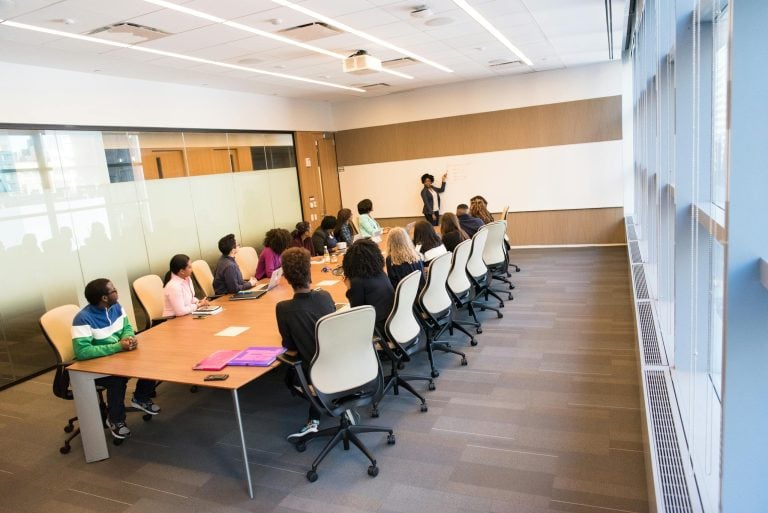

You know that moment when someone at a networking event asks if you’re feeling okay? They’ve noticed something in how you’re standing, where you’ve positioned yourself, or the careful way you’re managing the conversation. They might interpret these signals as discomfort or disinterest, but something else entirely is happening. These observable patterns reflect how introverts conserve energy, process information, and engage with their surroundings in ways that work with their natural wiring.
After two decades of leading teams through countless client presentations, agency mixers, and executive retreats, I’ve learned to recognize these patterns in myself and others. What once looked like aloofness or lack of engagement revealed itself as sophisticated energy management and deeper information processing. Understanding these behaviors helps explain not just what you see, but why it matters.

Physical Positioning and Spatial Awareness
Watch how someone enters a crowded room. Some people make a beeline for the center of activity, while others scan the perimeter first. This isn’t random. Introverts tend to position themselves near exits, edges, or quieter zones. They’re not planning an escape; they’re creating optimal conditions for sustained engagement.
At agency holiday parties, I’d consistently find myself near the bar or along the wall, never in the dense center of the room. Colleagues interpreted this as disengagement. The reality? From these positions, I could better regulate sensory input, control the number of simultaneous conversations, and participate on my terms. Research from Frontiers in Psychology confirms that introverts demonstrate effective group working skills when they can manage environmental variables.
Spatial positioning serves multiple functions. Standing near windows or doorways provides visual breaks from intense social stimulus. Choosing seats at the end of tables or in corners reduces the number of people who can initiate simultaneous interactions. These aren’t antisocial choices. They’re energy-efficient strategies that enable longer, more meaningful participation.
Body Language Patterns That Signal Processing
Closed body positions communicate volumes, though not always what observers assume. Crossed arms might signal defensive posture to some. HelpGuide notes that nonverbal cues tell others whether you care and how well you’re listening, but interpretation depends on context. For introverts managing sensory overload, these positions create physical boundaries that help regulate stimulus.
Leading a Fortune 500 pitch meeting taught me about the gap between intention and perception. My folded arms and controlled gestures projected authority to some clients, disinterest to others. Neither interpretation captured what was actually happening. I was managing cognitive load, processing complex information streams, and preparing thoughtful responses.
Limited eye contact follows similar logic. Maintaining constant eye contact while simultaneously processing conversation content, monitoring group dynamics, and formulating responses creates cognitive strain. Brief glances followed by looking away isn’t rudeness. It’s how some brains optimize information processing during complex social exchanges.

The Observation Phase Before Engagement
Introverted hesitation before joining conversations isn’t indecisiveness. It’s assessment. Scanning a room, reading the emotional temperature of different groups, and identifying appropriate entry points requires time. Extroverted colleagues would launch into conversations immediately. I’d spend 30 seconds evaluating which group discussion aligned with my energy levels and interests.
This observation phase serves practical purposes. It identifies who’s monopolizing conversations, which topics are being discussed, and where genuine exchange might occur. Jumping into social situations without this reconnaissance often leads to awkward interruptions or mismatched energy levels. Taking time to assess prevents these missteps.
Notice how introverts wait for acknowledgment before speaking. This introverted pattern reflects respect for conversational flow and awareness of group dynamics. Barging into ongoing exchanges feels intrusive and creates additional social complexity to manage. Waiting for natural pauses or direct invitation conserves energy and ensures more successful interactions.
Strategic Conversation Management
Listen closely to how introverts participate in group discussions. You’ll notice they speak less frequently but with more substance. They’re not shy or lacking opinions. They’re processing before contributing, filtering noise from signal, and choosing when to expend social energy.
One client meeting stands out from my advertising career. Seven executives debated campaign direction for 40 minutes. I contributed three times, each comment shifting the conversation’s trajectory. My extroverted colleague spoke 20 times, many comments retreading previous points. Psychology Today explains that those with less active dopamine reward systems aren’t as driven to pursue constant social rewards, making selective engagement natural.
Preferring one-on-one conversations over group dynamics isn’t antisocial behavior. It’s optimization. Individual exchanges allow for depth, reduce competing stimuli, and enable more authentic connection. Managing attention across multiple simultaneous speakers creates exponentially more cognitive load than focused dialogue with one person.
Many introverts excel at asking questions and encouraging others to elaborate. This pattern serves multiple functions. It keeps conversations flowing without constant personal contribution. It demonstrates genuine interest in others’ perspectives. And it provides processing time between speaking turns. Effective conversation strategies leverage these natural tendencies.

Energy Management Through Breaks
Disappearing periodically from social events isn’t flakiness. It’s strategic recharging. Bathroom breaks that last slightly longer than necessary. Stepping outside for fresh air. Volunteering to help in the kitchen. These micro-retreats prevent complete energy depletion.
Agency networking events could stretch for hours. I’d excuse myself every 45 minutes, find a quiet hallway or empty conference room, and reset for five minutes. Colleagues who powered by way of excluding breaks would leave energized. I’d leave functional. The difference came down to respecting natural energy limits and working with them.
You know that moment when someone at a networking event asks if you’re feeling okay? They’ve noticed something in how you’re standing, where you’ve positioned yourself, or the careful way you’re managing the conversation. They might interpret these signals as discomfort or disinterest, but something else entirely is happening. These observable patterns reflect how introverts conserve energy, process information, and engage with their surroundings in ways that work with their natural wiring.
After two decades of leading teams via countless client presentations, agency mixers, and executive retreats, I’ve learned to recognize these patterns in myself and others. What once looked like aloofness or lack of engagement revealed itself as sophisticated energy management and deeper information processing. Understanding these behaviors helps explain not just what you see, but why it matters.
Physical Positioning and Spatial Awareness
Watch how someone enters a crowded room. Some people make a beeline for the center of activity, although others scan the perimeter first. This isn’t random. Those who identify as more reserved tend to position themselves near exits, edges, or quieter zones. They’re not planning an escape; they’re creating optimal conditions for sustained engagement.
At agency holiday parties, I’d consistently find myself near the bar or along the wall, never in the dense center of the room. Colleagues interpreted this as disengagement. The reality? From these positions, I could better regulate sensory input, control the number of simultaneous conversations, and participate on my terms. Research from Frontiers in Psychology confirms that introverts demonstrate effective group working skills when they can manage environmental variables.
Spatial positioning serves multiple functions. Standing near windows or doorways provides visual breaks from intense social stimulus. Choosing seats at the end of tables or in corners reduces the number of people who can initiate simultaneous interactions. These aren’t antisocial choices. They’re energy-efficient strategies that enable longer, more meaningful participation.
Body Language Patterns That Signal Processing
Closed body positions communicate volumes, though not always what observers assume. Crossed arms might signal defensive posture to some. HelpGuide notes that nonverbal cues tell others whether you care and how well you’re listening, but interpretation depends on context. For someone managing sensory overload, these positions create physical boundaries that help regulate stimulus.
Leading a Fortune 500 pitch meeting taught me about the gap between intention and perception. My folded arms and controlled gestures projected authority to some clients, disinterest to others. Neither interpretation captured what was actually happening. I was managing cognitive load, processing complex information streams, and preparing thoughtful responses.
Limited eye contact follows similar logic. Maintaining constant eye contact during complex conversations creates cognitive strain. Brief glances followed by looking away isn’t rudeness. It’s how some brains optimize information processing during social exchanges.
The Observation Phase Before Engagement
Hesitation before joining conversations isn’t indecisiveness. It’s assessment. Scanning a room, reading the emotional temperature of different groups, and identifying appropriate entry points requires time. Extroverted colleagues would launch into conversations immediately. I’d spend 30 seconds evaluating which group discussion aligned with my energy levels and interests.
This observation phase serves practical purposes. It identifies who’s monopolizing conversations, which topics are being discussed, and where genuine exchange might occur. Jumping into social situations minus this reconnaissance often leads to awkward interruptions or mismatched energy levels. Taking time to assess prevents these missteps.
Notice how introverts wait for acknowledgment before speaking. This pattern reflects respect for conversational flow and awareness of group dynamics. Barging into ongoing exchanges feels intrusive and creates additional social complexity to manage. Waiting for natural pauses or direct invitation conserves energy and ensures more successful interactions.
Strategic Conversation Management
Listen closely to how introverts participate in group discussions. You’ll notice they speak less frequently but with more substance. They’re not shy or lacking opinions. They’re processing before contributing, filtering noise from signal, and choosing when to expend social energy.
One client meeting stands out from my advertising career. Seven executives debated campaign direction for 40 minutes. I contributed three times, each comment shifting the conversation’s trajectory. My extroverted colleague spoke 20 times, many comments retreading previous points. Psychology Today explains that those with less active dopamine reward systems aren’t as driven to pursue constant social rewards, making selective engagement natural.
Preferring one-on-one conversations over group dynamics isn’t antisocial behavior. It’s optimization. Individual exchanges allow for depth, reduce competing stimuli, and enable more authentic connection. Managing attention across multiple simultaneous speakers creates exponentially more cognitive load than focused dialogue with one person.
Many introverts excel at asking questions and encouraging others to elaborate. This pattern serves multiple functions. It keeps conversations flowing absent constant personal contribution. It demonstrates genuine interest in others’ perspectives. And it provides processing time between speaking turns. Effective conversation strategies leverage these natural tendencies.
Energy Management By Breaks
Disappearing periodically from social events isn’t flakiness. It’s strategic recharging. Bathroom breaks that last slightly longer than necessary. Stepping outside for fresh air. Volunteering to help in the kitchen. These micro-retreats prevent complete energy depletion.
Agency networking events could stretch for hours. I’d excuse myself every 45 minutes, find a quiet hallway or empty conference room, and reset for five minutes. Colleagues who powered with lacking breaks would leave energized. I’d leave functional. The difference came down to respecting natural energy limits and working with them.
Recent neuroscience research from 2023 demonstrated that those with this personality type process stimuli more deeply, leading to quicker energy depletion during prolonged interaction. The brain works harder to process conversations, body language, social cues, and environmental sounds, naturally using more mental energy.
Strategic breaks prevent introverted the cascade effect. Once an introvert’s energy drops below a certain threshold, every interaction becomes exponentially more taxing. Maintaining reserves using periodic solitude keeps participation quality high and prevents the complete shutdown that necessitates early departures.
Selective Social Acceptance
Declining invitations isn’t rejection of people. It’s protection of capacity. When introverts turn down three events and accepts the fourth, they’re making calculated choices about where their limited social energy produces the most meaningful returns. Learning to decline invitations gracefully becomes essential for sustainable social engagement.
Early in my agency career, I said yes to everything. Client dinners, team happy hours, industry conferences, networking breakfasts. I thought declining would damage relationships or limit opportunities. The opposite proved true. Showing up exhausted and disengaged damaged relationships more than selective attendance ever could.
Once I started choosing events strategically, my engagement quality improved dramatically. Attending two events monthly with full energy and genuine presence created stronger connections than attending eight events though running on fumes. People remember the quality of your presence, not the quantity of your appearances.
Anchoring to Familiar Faces
Sticking close to known people at large gatherings isn’t clinginess. It’s energy conservation. Starting conversations with strangers requires significant cognitive resources. Building from familiar ground first preserves energy for later expansion.
At industry conferences, I’d always locate a colleague or existing contact before venturing into broader networking. This anchor point provided a secure base for energy management. Between new interactions, returning to familiar conversation offered recovery time. The pattern enabled hours of effective networking that would have been impossible attempting constant stranger engagement.
Notice how introverts gradually expands their social circle during an event. They might arrive with one person, spend initial time in that comfortable dyad, then slowly branch out to adjacent conversations. This concentric expansion pattern reflects intelligent energy allocation, building confidence and momentum before tackling more demanding interactions.
Preference for Substance Over Small Talk
Steering conversations toward deeper topics isn’t pretentious. It’s efficient. Superficial exchanges about weather or weekend plans don’t engage the processing systems that work best for certain personality types. Meaningful dialogue about ideas, projects, or genuine interests activates strengths and justifies energy expenditure.
Client relationship building taught me this distinction. Small talk at networking events felt like running uphill. Discussing actual campaign challenges, creative problems, or industry shifts energized me. Same people, same settings, completely different energy dynamics based on conversation depth.
When someone redirects casual chat toward substantive topics, they’re not being difficult. They’re optimizing for engagement quality. Surface-level exchanges don’t provide enough reward to justify the cognitive cost. Depth offers return on social investment that makes the energy expenditure worthwhile.
Subtle Signs of Approaching Limits
Energy depletion shows up in specific ways. Responses become shorter. Smiles require visible effort. Eye contact decreases. Processing delays lengthen. Someone who was contributing thoughtfully to conversation starts offering one-word responses. These aren’t mood shifts. They’re biological signals of depleted reserves.
Learning to recognize these signs in myself prevented countless social disasters. When my responses started coming slower, when maintaining pleasant facial expressions felt like work, when I caught myself checking exit routes, I knew the threshold approached. Leaving at 70% depletion versus 10% meant recovering in hours versus days.
Watch for introverted increased fidgeting or physical withdrawal. Someone who was leaning into conversation might gradually pull back, create more physical distance, or reduce their body orientation toward others. These aren’t conscious choices. The nervous system automatically initiates protective measures when stimulus becomes overwhelming.
Calculated Exit Strategies
Leaving events earlier than expected isn’t antisocial. It’s sustainable. Certain social situations drain energy faster than others. Recognizing personal limits and respecting them prevents burnout that would require extended recovery periods.
I stopped apologizing for early departures once I understood as an introvert the mathematics. Leaving at my optimal exit point meant I could attend the next event. Staying past my limits meant canceling the following week’s commitments for recovery. Better to be present for two hours with genuine engagement than suffer by way of four hours of diminishing returns.
Notice how introverts positions their exit. They don’t announce departure to the entire group. They find the host or key people for quiet goodbyes, then slip out with minimal disruption. This pattern reflects consideration for others and efficiency in execution. Drawing attention to departure creates additional social interaction right when energy is lowest.
Post-Event Recovery Patterns
What happens after social events matters as much as what happens during them. Introverts might decline plans the day following a major social commitment. They’re not being flaky. They’re implementing necessary recovery time.
After major client presentations or agency events, I’d block my calendar for solitude. My team learned that post-conference Keith needed a quiet day for processing and recharging. This wasn’t weakness. It was sustainable performance management. Respecting recovery needs enabled consistent high-quality engagement over time.
Observe how introverts transition out of social mode. They might need time alone immediately after events, even brief ones. This decompression period isn’t antisocial; it’s neurological. The heightened arousal state created by social interaction requires deliberate downregulation before returning to baseline functioning.
Environmental Modifications
Choosing specific seats, adjusting lighting, or modifying noise levels aren’t signs of being high-maintenance. They’re environmental optimization for sustainable engagement. Introverts requesting a quieter table at a restaurant or preferring corners over center seats is managing the variables that affect their performance.
During my years managing creative teams, I learned that supporting these preferences improved outcomes. Allowing team members to adjust their workspace, choose meeting locations, or modify event environments didn’t enable weakness. It maximized their contributions by removing unnecessary energy drains.
Workplace social navigation becomes more manageable when environmental factors align with natural preferences. Open offices drain energy faster than private spaces. Conference rooms with windows enable better engagement than windowless boxes. These aren’t preferences. They’re performance variables.
Digital Communication Preferences
Choosing email over phone calls or text over in-person chat isn’t avoidance. It’s efficiency. Written communication allows for processing time, eliminates real-time performance pressure, and enables more thoughtful responses. These formats work with natural strengths instead of against them.
Client communication taught me this lesson clearly. Phone calls required immediate responses, real-time processing, and constant attention management. Email allowed me to craft better responses, research thoroughly, and deliver higher quality thinking. Clients didn’t care about communication method. They cared about results.
Watch how introverts handle unexpected social contact. A surprise phone call might go to voicemail, returning as a text. An unplanned visit might receive a polite but brief reception. These aren’t rejections. They’re boundary maintenance that preserves energy for planned, meaningful interactions.
Quality Over Quantity in Relationships
Maintaining smaller social circles isn’t isolation. It’s intentional relationship management. Deep connections with a few people provide more fulfillment and require less energy management than surface relationships with dozens. Complete social navigation strategies recognize this fundamental difference.
Leading advertising teams showed me that relationship quality trumped quantity every time. Three close professional relationships built over years generated more opportunities, better collaboration, and deeper satisfaction than 30 superficial networking contacts. The energy invested in depth returned compounding benefits.
Notice how introverts nurtures existing relationships before seeking new ones. They’d prefer deepening current friendships to expanding their network. This pattern reflects grasping of limited social bandwidth and strategic allocation toward relationships that provide mutual value and genuine connection.
Working With Natural Patterns
These behaviors aren’t flaws requiring correction. They’re adaptations reflecting how certain brains process social information and manage energy. Realizing them removes judgment and enables better self-management and improved knowing of others.
My most significant professional breakthrough came from accepting these patterns instead of fighting them. Trying to match extroverted energy expenditure had kept me exhausted and underperforming. Embracing natural rhythms and behaviors unlocked sustainable high performance.
Social situations don’t require uniform behavior. People engage effectively via varied approaches. Recognizing and respecting these differences creates environments where all personality types contribute their strengths. The goal isn’t changing natural patterns. It’s seeing them well enough to optimize performance and wellbeing.
Explore more social skills and human behavior resources in our complete Introvert Social Skills & Human Behavior Hub.
About the Author
Keith Lacy is someone who embraced his personality type later in life. With a background in marketing and a successful career in media and advertising, Keith has worked with some of the world’s biggest brands. As a senior leader in the industry, he has built a wealth of knowledge in marketing strategy. Now, he’s on a mission to educate people about the power of recognizing personality differences and how this awareness can lead to new levels of productivity, self-awareness, and success.