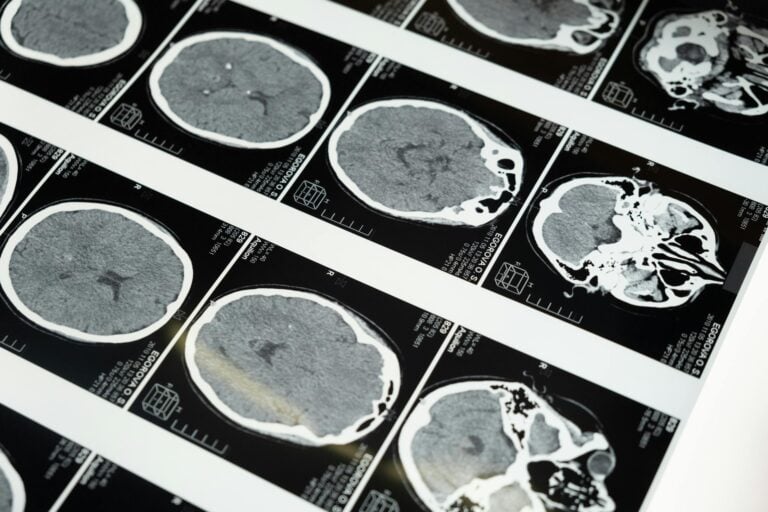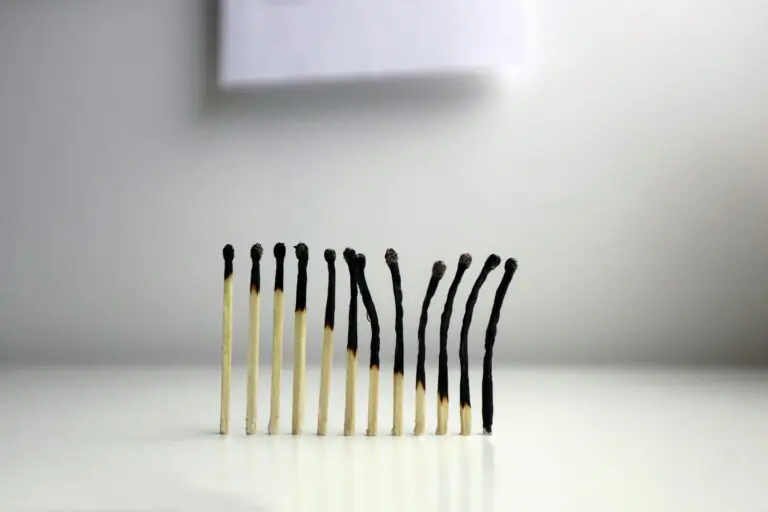

Introvert burnout goes deeper than ordinary tiredness. It is a state of profound depletion where your ability to think clearly, feel emotions fully, and recharge through solitude all stop working the way they should. Rest helps, but it rarely heals the root cause, which is why so many introverts find themselves cycling through exhaustion no matter how much alone time they carve out.

After more than two decades running agencies and managing Fortune 500 accounts, I hit a wall that sleep could not fix. My calendar was full, my output was strong on paper, and I had weekends to myself. Yet every Monday morning felt like starting a race with concrete in my shoes. That experience taught me something that changed how I approach my own energy entirely: introvert burnout is not a rest problem. It is a recovery problem.
Our Burnout and Stress Management hub covers the full landscape of how introverts experience and recover from chronic stress, but this particular angle sits at the center of it all. Because until you understand why standard recovery fails, every strategy you try will feel like putting a bandage over something that needs surgery.
What Makes Introvert Burnout Different From Regular Exhaustion?
Burnout affects everyone, but it hits introverts in a specific and compounding way. General burnout stems from chronic workplace stress, overwork, and lack of autonomy. Introvert burnout carries all of that weight plus an additional layer: the constant expenditure of social and sensory energy in environments that were never designed with your nervous system in mind.
What’s your personality type?
Take our free 40-question assessment and get a detailed personality profile with dimension breakdowns, context analysis, and personalised insights.
Discover Your Type8-12 minutes · 40 questions · Free
A 2019 study published by the National Institutes of Health found that chronic stress dysregulates the body’s stress response systems in ways that persist long after the stressor is removed. For introverts, who tend to process stimulation more deeply based on available evidence from psychologist Elaine Aron, that dysregulation compounds. Every meeting, every loud open-plan office, every social obligation that felt manageable in isolation becomes another withdrawal from an account that never fully replenishes.
The result is not just tiredness. It is a kind of cognitive and emotional flatness where your inner world, the place you normally retreat to for restoration, starts to feel inaccessible. You sit in silence and feel nothing. You try to read and the words slide off. You cancel plans to be alone, then feel worse for having done it.
That flatness is the signal that ordinary rest has already failed.
Why Does Rest Stop Working When Burnout Gets Deep?
Rest works beautifully at the early stages of depletion. A quiet evening, a long weekend, a solo walk through the neighborhood: these work precisely because your recovery systems are still intact. Introvert burnout at its deeper stages is different because the recovery systems themselves become impaired.

The Mayo Clinic describes burnout as a state of physical and emotional exhaustion that erodes motivation and causes a sense of helplessness. What they note, and what most burnout advice glosses over, is that the exhaustion alters your perception of recovery itself. Activities that once felt restorative begin to feel hollow or even effortful.
From my own experience, this showed up as a strange paradox. I would finally get a Saturday with nothing scheduled, which should have felt like relief. Instead, I felt a low hum of anxiety about wasting the time, combined with an inability to actually enjoy any of the things I normally loved. Books felt like obligations. Writing felt impossible. Even sitting quietly felt like something I was doing wrong.
That is because deep burnout shifts your nervous system into a state where it struggles to access the parasympathetic mode, the rest-and-digest state, that genuine recovery requires. You can be physically still and mentally nowhere near rest. Sleep itself becomes less restorative because the underlying stress hormones remain elevated.
A 2021 report from the American Psychological Association confirmed that burnout involves a chronic mismatch between demands and resources, and that simply reducing demands (taking time off) without addressing the resource depletion produces only temporary relief. The body and mind need active restoration, not just passive absence of stress.
What Are the Signs That Introvert Burnout Has Gone Beyond Tiredness?
Recognizing the difference between normal introvert depletion and full burnout matters enormously because the response strategies are different. Depletion responds to rest. Burnout requires something more deliberate.
Watch for these signals that the line has been crossed:
Solitude No Longer Feels Restorative
For most introverts, alone time is genuinely replenishing. During burnout, it stops feeling that way. You get the alone time and still feel empty or vaguely anxious. The internal quiet you normally find in solitude becomes harder to access, replaced by a restless, low-grade discomfort.
Your Inner Life Feels Muted
Introverts tend to have rich inner worlds, full of reflection, imagination, and emotional processing. Burnout dims that. Creative thinking feels blocked. Emotions feel distant or flat. The internal conversation that normally helps you make sense of your experience goes quiet in an unfamiliar way.
Small Interactions Feel Disproportionately Costly
A brief phone call that would normally cost you a small amount of energy now feels like it takes something you cannot afford to spend. Even low-stakes interactions with people you like feel draining in a way that seems out of proportion to what actually happened.
Physical Symptoms Appear Without Clear Cause
The Centers for Disease Control and Prevention links chronic work stress to headaches, gastrointestinal problems, sleep disruption, and lowered immune function. During deep introvert burnout, these physical signals often appear alongside the emotional ones. Your body is communicating what your mind has been trying to ignore.
Cynicism Replaces Curiosity
Introverts are often naturally curious, drawn to ideas, depth, and meaning. Burnout replaces that curiosity with a flat cynicism or indifference. Things that once genuinely interested you start to feel pointless. This is one of the clearest signs that the depletion has moved from surface level into something structural.
For a deeper look at how to identify your specific stress patterns before they reach this point, the Introvert Stress Mastery: Identification and Relief guide walks through the recognition process in detail.

Why Do Introverts Reach Burnout More Often Than They Realize?
One of the most frustrating aspects of introvert burnout is how quietly it builds. Many introverts are skilled at functioning under pressure precisely because their internal processing is so thorough. They analyze, adapt, and manage. They appear fine on the outside long after they have stopped being fine on the inside.
There is also a cultural dimension. Most workplaces, social structures, and productivity frameworks are built around extroverted norms: open offices, constant collaboration, back-to-back meetings, always-on communication. Introverts who operate in these environments spend significant energy adapting to a context that does not fit their natural wiring. That adaptation cost is real, but it is often invisible, both to others and to the introvert themselves.
You might also find coming-back-from-introvert-burnout-12-real-stories helpful here.
I spent years telling myself that needing more recovery time was a personal weakness rather than a legitimate physiological reality. That framing kept me pushing through long after I should have pulled back. By the time I acknowledged what was happening, I was not just tired. I was operating in a kind of functional fog that affected my creativity, my decision-making, and my relationships at work.
A Harvard Business Review analysis from 2021 made the point clearly: burnout is not a personal failing. It is a systemic mismatch between the demands of an environment and the resources available to meet them. For introverts, that mismatch is structural and ongoing, which means the risk of burnout is higher and the warning signs are easier to miss.
The Introvert Burnout: Prevention and Recovery article explores how to build structural protections before you reach the breaking point, which is where prevention work becomes far more valuable than recovery work.
What Actually Works for Recovering From Deep Introvert Burnout?
Recovery from deep introvert burnout requires moving beyond passive rest into what might be called active restoration. The difference matters. Passive rest means removing demands. Active restoration means deliberately engaging the systems that burnout has impaired.
Reconnect With Meaning Before You Reconnect With Productivity
One of the most counterproductive things introverts do during burnout recovery is try to get back to full productivity too quickly. The pressure to perform, to justify your recovery, to prove you are back, creates a new layer of stress on top of the existing depletion.
A more effective approach starts with meaning rather than output. What activities, even small ones, still feel connected to something that matters to you? Not what you should do. What still carries a thread of genuine interest or care. Following that thread, even for twenty minutes a day, begins to rebuild the internal motivation that burnout erodes.
Create Micro-Boundaries Around Your Energy, Not Just Your Time
Time management is not the same as energy management. You can have a perfectly blocked calendar with protected quiet hours and still hemorrhage energy through low-grade stressors: checking messages during meals, staying in conversations past your limit, agreeing to things out of guilt rather than genuine capacity.
Energy boundaries are smaller and more specific than time blocks. They look like ending a meeting when you feel the cognitive fog starting. They look like not reading work emails after 7 PM, not because of a rule, but because you have noticed that doing so costs you the next morning. They look like giving yourself permission to leave a social event at the moment you feel satisfied rather than the moment it becomes polite to leave.
The Introvert Work-Life Balance: Achieving Harmony Without Burnout piece goes deeper on how to build these kinds of structural protections into your daily and weekly rhythms.
Use Physical Movement as a Nervous System Reset
The World Health Organization consistently identifies physical activity as one of the most evidence-supported interventions for stress and mental health. For introverts in burnout, the value of movement is less about fitness and more about physiology: movement actively shifts the nervous system out of the elevated stress state that makes genuine rest impossible.
Solo, low-stakes movement works especially well. Walking without a destination. Stretching in the morning before looking at any screen. Swimming laps. These activities provide the physiological reset without the social energy cost of group exercise or the performance pressure of tracking metrics.

Rebuild Your Inner Life Deliberately
Because burnout mutes the inner world that introverts rely on for restoration, recovery often requires deliberately re-engaging it rather than waiting for it to return on its own. This does not mean forcing creativity or journaling because you feel you should.
It means creating small, low-pressure invitations back into your own inner experience. Reading something purely for pleasure, with no goal of applying it. Listening to music without doing anything else at the same time. Sitting outside and actually noticing what is around you rather than thinking about your task list. These practices sound simple because they are. Their power is in the consistency and the absence of any performance expectation.
For me, the shift came from returning to writing that had no audience. Not blog posts, not professional documents, just observations in a notebook that no one would ever read. That practice reconnected me to the reflective processing that is central to how I function, and it worked precisely because there was no output pressure attached to it.
Address the Structural Causes, Not Just the Symptoms
Recovery from introvert burnout without examining what caused it leads to the same place. If your environment consistently demands more social energy than you can sustainably produce, if your schedule has no built-in decompression, if your work requires you to mask your natural processing style constantly, rest alone will not solve it.
This is where honest assessment becomes necessary. What in your current setup is generating the most energy drain? Which of those things can be changed, reduced, or restructured? Which require longer-term shifts? The answers are rarely comfortable, but they are the only path to recovery that actually holds.
The Introvert Stress Management: Coping Strategies That Work article offers a practical framework for identifying and addressing the specific stressors that are most costly for your particular situation.
How Long Does Introvert Burnout Recovery Actually Take?
One of the most honest answers to this question is: longer than you want it to, and shorter than you fear if you approach it correctly.
Mild to moderate burnout, caught early, can shift meaningfully within a few weeks of deliberate recovery practices. Deep burnout, the kind where your recovery systems themselves are impaired, often takes months. A Psychology Today analysis of burnout timelines noted that people who attempt to rush recovery by returning to full capacity too quickly almost always extend the total recovery period rather than shortening it.
The most useful frame I have found is thinking in terms of capacity rather than timeline. Rather than asking “am I recovered yet,” ask “is my capacity for recovery itself improving?” Are you sleeping better? Does solitude feel more restorative than it did last week? Are you noticing small things that interest you again? Those incremental signals matter more than any fixed timeline.
Introverts who work in high-demand fields face a particular version of this challenge. The Software Engineer Burnout for Introverts: Recognition and Recovery guide addresses how technical roles specifically compound the burnout cycle and what recovery looks like in that context.
What Can You Do Today to Begin Genuine Recovery?
The gap between knowing what helps and actually starting is where most people get stuck. Burnout creates its own resistance to recovery because the very cognitive and motivational resources you need to begin are the ones most depleted.
Start smaller than feels meaningful. Not a new morning routine. Not a complete schedule overhaul. One thing, today, that costs you nothing and asks nothing of you in return. A ten-minute walk with your phone in your pocket. Five minutes of sitting somewhere quiet before the day starts. Saying no to one optional obligation that you would normally accept out of habit.

The Introvert Coping Skills: Advanced Stress Management resource builds on these foundations with more sophisticated approaches once your baseline capacity has begun to return.
What matters most at the beginning is not the size of the action. It is the direction. Every small choice that prioritizes your energy over external expectations is a vote for recovery. Those votes accumulate.
Explore the full range of burnout and stress resources in our Burnout and Stress Management Hub.
About the Author
Keith Lacy is an introvert who’s learned to embrace his true self later in life. After 20 years in advertising and marketing leadership, including running agencies and managing Fortune 500 accounts, Keith now channels his experience into helping fellow introverts understand their strengths and build fulfilling careers. As an INTJ, he brings analytical depth and authentic perspective to every article, drawing from both professional expertise and personal growth.
Frequently Asked Questions
What is introvert burnout and how is it different from regular burnout?
Introvert burnout shares the core features of general burnout, including chronic exhaustion, reduced effectiveness, and emotional detachment, but adds a specific layer: the depletion of social and sensory energy that introverts rely on for functioning. Because introverts process stimulation more deeply, environments that demand constant social engagement or sensory input drain their energy faster and more completely than they do for extroverts. The result is a compounded exhaustion that affects not just work performance but the inner life that introverts depend on for restoration.
You might also find adhd-introvert-burnout-double-the-exhaustion helpful here.
Why doesn’t rest fix introvert burnout?
Rest works when depletion is mild and the recovery systems are still functioning. Deep burnout impairs those systems. The nervous system remains in an elevated stress state even during physical rest, which means sleep becomes less restorative and solitude stops feeling replenishing. Genuine recovery from deep burnout requires active restoration: deliberate practices that reset the nervous system, rebuild inner resources, and address the structural causes of the depletion rather than simply removing the immediate demands.
How do I know if I have introvert burnout or just need a good night’s sleep?
The clearest signal is whether solitude and rest still feel restorative. If a good night’s sleep or a quiet weekend leaves you feeling meaningfully better, you are likely experiencing normal depletion rather than burnout. If rest no longer produces genuine recovery, if your inner life feels muted, if small interactions feel disproportionately costly, and if cynicism has replaced your natural curiosity, those are signs that burnout has moved beyond ordinary tiredness into something that requires a more deliberate response.
How long does it take to recover from introvert burnout?
Recovery timelines vary significantly depending on how deep the burnout has gone and how quickly you begin addressing it. Mild burnout caught early can shift within a few weeks of consistent recovery practices. Deep burnout, where the recovery systems themselves are impaired, often takes several months. Attempting to return to full capacity too quickly almost always extends the recovery period. A more useful measure than time is whether your capacity for recovery itself is improving: better sleep, more restorative solitude, and returning flickers of genuine interest are all positive indicators regardless of how long the process takes.
What is the single most important thing an introvert can do to start recovering from burnout?
Reduce the size of the first step. Burnout depletes the cognitive and motivational resources needed to begin recovery, which means ambitious plans tend to fail and create additional discouragement. Starting with one small, low-pressure action that costs nothing and demands nothing in return, a short walk, five minutes of quiet before the day starts, declining one optional obligation, begins to shift the nervous system in the right direction. Consistency with small actions builds more genuine recovery than sporadic attempts at large ones.