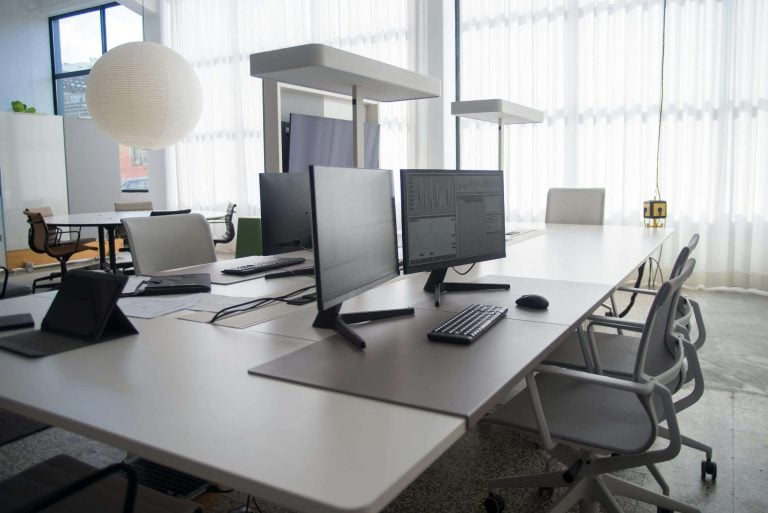
One evening after a particularly exhausting week managing multiple client accounts, I stood in my living room and realized I felt more drained at home than I did in the office. My eyes had nowhere to rest. Every surface demanded attention. My supposedly relaxing space was performing the same task as my workday: stimulating constant processing.
That’s when I understood something crucial about how introverts design their spaces as individuals who think and process the world differently.
Why Your Home Might Be Working Against You
Most decorating advice assumes everyone experiences their environment the same way. Design magazines showcase vibrant gallery walls, eclectic furniture collections, and maximalist aesthetics that make rooms feel “alive” and “full of personality.” For many people, that works beautifully. For introverts, these visually busy spaces can create exhaustion rather than energy.
Research from Dr. Elaine Aron’s studies on sensory processing sensitivity demonstrates that approximately 20% of the population processes environmental stimuli more thoroughly and deeply. Introverts with this heightened sensitivity become overstimulated more quickly by visual input, noise, and busy environments. What feels energizing to extroverts can feel exhausting to those with introverted temperaments.
Your home should be where your nervous system downshifts. For introverts, this restorative function is especially critical after days spent managing external stimulation. Consider whether your current space allows that downshift to happen. Notice how you feel when you first walk through your front door. Does your body relax or does something subtle tighten in your chest?

The Psychology Behind Calm Spaces
When discussing decorating choices, we’re not just talking about aesthetics. We’re addressing how physical environments impact cognitive function and emotional regulation. A 2021 study examined by Hook and colleagues found that 80% of research participants reported a connection between minimalist environments and enhanced wellbeing.
The mechanism makes sense once you understand how visual processing works. Each item in your environment requires a small amount of cognitive attention. A cluttered room with multiple focal points forces your brain to constantly sort, categorize, and decide what deserves focus. This creates what psychologists call “decision fatigue” even when you’re supposedly relaxing.
Psychologist Nicole R. Keith discovered that organized, simplified spaces help the brain and body relax in measurable ways. Lowered cortisol levels. Reduced anxiety symptoms. Improved sleep quality. These aren’t just feelings; they’re physiological responses to your surroundings.
How Visual Clutter Affects Introverted Processing
Think about the difference between walking into a room with ten pieces of furniture versus three. Your eyes jump from surface to surface in the busier space. Patterns compete. Colors clash or demand comparison. Textures create additional sensory input. For introverted brains that process information more deeply, all of this happens unconsciously, but the energy expenditure is real and often significantly higher than for extroverted counterparts.
Experience taught me this during a leadership transition at my agency. Managing increased responsibilities left me completely drained. Coming home to a visually busy space meant my processing never truly stopped. After simplifying my environment dramatically, I noticed an immediate difference in my energy levels. Quiet evenings actually felt quiet.
What Makes A Space Feel Calm For Introverts
Creating an environment that supports rather than drains introverts involves several interconnected elements. None of these require expensive renovations or professional designers. They simply require intention about what you allow into your space and why.
Color Choices That Support Introverted Nervous System Regulation
Colors influence mood and physiological responses in measurable ways for introverts. Neuroscience research on color psychology shows that soft blues lower blood pressure and heart rate by stimulating the parasympathetic nervous system. Greens promote similar relaxation effects by evoking natural environments that introverts often find restorative. Warm neutrals provide visual silence, allowing introverted minds to rest without feeling cold or clinical.
My living space now features predominantly soft grays with warm undertones. Cream accents prevent the coldness that pure gray can sometimes create. Small touches of sage green connect the space to nature without overwhelming the senses. These aren’t dramatic designer colors. They’re the visual equivalent of a quiet conversation.

Furniture Selection For Introverted Function Over Display
Ask yourself what each piece in your home actually accomplishes for your introverted lifestyle. Does the decorative side table serve a purpose beyond looking interesting? Does the accent chair ever get used for reading or does it exist solely as visual filler? Introverts benefit from furniture choices that prioritize genuine utility over decorative performance.
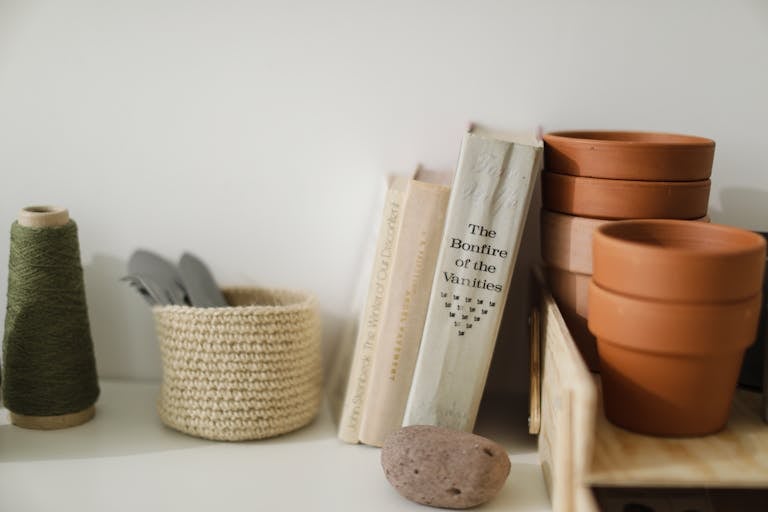
Minimal decorating for introverts doesn’t mean stark or uncomfortable. It means every item earns its place through genuine utility or deep personal meaning. Many introverts find that their living spaces feel more authentically theirs with fewer, more meaningful items than with rooms full of generic decoration. My living room contains a comfortable reading chair positioned near natural light, a simple coffee table that serves its actual purpose, and a low bookshelf holding books I genuinely reference. That’s sufficient for my introverted needs. Additional furniture would create obstacles rather than value.
This approach mirrors what I learned managing teams at my agency. Adding more tools, more meetings, more processes doesn’t automatically improve outcomes. Sometimes clarity comes from subtraction. The same principle applies to physical spaces.
Surface Management And Visual Rest
Surfaces attract clutter almost magnetically. Mail piles up. Keys accumulate. Random objects find temporary homes that become permanent. Each cluttered surface adds to your environmental processing load.
Clear surfaces provide visual breathing room. Your eyes can rest on empty space without needing to categorize, judge, or decide anything. This creates pockets of cognitive downtime throughout your environment. Consider limiting surface decorations to one or two meaningful items per area. A single plant. A favorite photograph. Nothing more.
Storage solutions help maintain this clarity. Closed cabinets hide necessary items. Drawers contain daily objects. The goal isn’t perfection or showroom sterility. The goal is reducing unnecessary visual input so your space actually performs its primary function: providing restoration.

Practical Steps For Introverted Space Transformation
Shifting your decorating approach doesn’t require starting from scratch. Small adjustments compound over time for introverts. Begin with one room or even one area within a room. Notice how changes affect your experience of the space and your energy levels throughout the day.
The Editing Process
Start by removing items you genuinely dislike or never use. This creates immediate improvement. Next, evaluate items you feel neutral about. Do they serve a clear purpose? Do they hold genuine meaning? Neutral feelings often indicate candidates for removal.
Experience has shown me that tough decisions get easier with practice. My first editing session felt painful. Letting go of things seemed to diminish my identity somehow. Three months later, I couldn’t remember most of what I’d removed. The items themselves held less importance than I’d imagined.
Keep only what actively improves your space. “Might need someday” isn’t a strong enough reason. “Looks nice” isn’t sufficient justification. Reserve physical space for items that genuinely enhance your daily experience or carry deep personal significance.
Building New Acquisition Habits
Once you’ve simplified your environment, maintaining it requires mindful choices about new items. Before bringing something home, consider whether it will genuinely improve your space or simply add to visual noise.
This doesn’t mean never acquiring anything new. It means being selective. A beautiful piece that brings genuine joy deserves space. Impulse purchases that seemed interesting in the store but don’t serve a clear purpose probably don’t. Taking time before committing to new items prevents clutter from rebuilding.
Creating Specific Zones For Different Introverted Activities
Even in small spaces, designating specific areas for distinct activities helps introverted brains shift between modes. A reading corner signals rest. A clear desk indicates focus. These boundaries needn’t be elaborate for introverts. Simple furniture placement can define zones effectively.
My studio apartment uses strategic furniture positioning to separate sleeping, working, and relaxing areas. Each zone maintains the calm minimal aesthetic that introverts often prefer but serves distinct purposes. This creates structure without requiring additional square footage or complex design schemes that might overwhelm introverted sensibilities.

When Minimal Doesn’t Mean Cold For Introverts
Some introverts worry that simplified spaces feel impersonal or unwelcoming. This misconception assumes warmth requires abundance. Experience proves otherwise for introverted personalities. The key lies in selecting meaningful elements rather than filling space with generic decoration that creates unnecessary visual stimulation.
Research comparing minimalist and maximalist spaces found that personal comfort for introverts depends more on alignment with natural preferences than the objective number of items in a room. Forcing yourself into a style that doesn’t resonate with your introverted temperament creates stress regardless of whether that style is minimal or maximal.
Warmth for introverts comes from texture, lighting, and carefully chosen personal items. Soft textiles like quality throw blankets or comfortable cushions add coziness without visual complexity that might overwhelm the senses. Warm lighting creates atmosphere without harsh stimulation. A few meaningful photographs or art pieces provide personality without overwhelming the space used for restoration.
My living room contains three framed photographs from travels that hold deep meaning. A handmade ceramic bowl from a friend. A single plant that thrives with minimal care. These items reflect my identity far more authentically than a gallery wall full of generic prints ever could. The space feels distinctly mine without being visually busy.
Adapting Your Approach To Shared Spaces
Living with others complicates decorating decisions. Partners or roommates who share your temperament might have different aesthetic preferences or different processing styles despite similarities. Finding compromise requires clear communication about needs rather than just preferences.
Explaining that visual clutter impacts your ability to relax differs from saying you simply prefer minimalism. One describes a genuine need; the other sounds like an aesthetic opinion. Understanding how different nervous systems respond to environmental stimuli helps others recognize why certain decorating choices matter beyond personal taste.
Consider designating personal spaces where each person maintains their preferred aesthetic intensity. Shared areas can blend approaches or rotate between styles to accommodate different sensibilities. The goal is ensuring everyone has access to environments that support their wellbeing. Compromise works when needs are understood and respected among household members.
Making Your Entry Point Work For You
Your entryway sets the tone for your entire experience at home. Walking through the door after a demanding day should provide immediate relief from external stimulation. Visual chaos in this transition space disrupts the shift from external stimulation to internal restoration.
Keep this area extremely simple. A small table or shelf for keys and mail. Perhaps a hook for coats. Nothing more. Resist the temptation to use this space for storage or display. Its purpose is facilitating smooth transitions, not showcasing belongings or solving organizational challenges.
Years of observing my own patterns taught me that entry experience matters enormously. Coming home to a clear, calm space allows me to actually leave work behind. A cluttered entry keeps my mind engaged with tasks and decisions when what I need most is mental downtime.

Recognizing When Your Style Evolves
Decorating preferences can shift as you gain self-awareness. What felt right five years ago might no longer serve you. Allowing your space to evolve reflects growth rather than inconsistency.
My aesthetic progression moved from trying to signal success through abundance toward creating genuine sanctuary through simplicity. That transformation took years. Some people arrive at minimal aesthetics immediately; others explore different approaches before discovering what truly supports them. Both paths work perfectly.
Pay attention to how different environments affect your energy and mood. Notice which spaces make you feel restored versus drained. These observations provide more reliable guidance than any design magazine or social media trend. True fulfillment comes from understanding and honoring your genuine needs rather than following external prescriptions about how spaces should look.
The Ripple Effects Of Environmental Changes For Introverts
Transforming your living space impacts more than just your home experience for introverts. The restoration gained in a calm environment extends outward to every aspect of introverted life. Better sleep quality. Improved focus during work. More patience in relationships. Enhanced energy for activities introverts genuinely enjoy.
Managing people who thrived in different environments taught me that one size never fits all. Some team members excelled in open, collaborative workspaces. Others with more introverted processing styles needed quiet, private areas to produce their best work. Neither approach was superior; they simply matched different processing styles. The same truth applies to home environments for introverts.
Creating space that authentically supports you isn’t selfish or particular. It’s recognizing that your environment profoundly impacts your capacity to function, contribute, and find satisfaction. When your home serves as genuine sanctuary, everything else becomes more manageable. Daily life flows more smoothly when you’re not constantly battling environmental overstimulation.
Starting Where You Are As An Introvert
Transformation doesn’t require perfection or complete overhauls for introverts. Begin with one small change. Clear one surface. Simplify one room. Paint one wall a calmer color. Notice the impact on your introverted energy levels. Build from there.
Your home should support your wellbeing rather than demanding constant attention or creating additional stress. Simplification reduces decision fatigue and frees mental energy for what actually matters. These aren’t abstract benefits. They’re practical improvements in daily quality of life.
What you create doesn’t need to impress visitors or photograph well for social media. It needs to feel right when you close the door at the end of a long day. That’s the only standard that truly matters. Trust your response to your environment. Living authentically means designing spaces that genuinely serve you, not performing someone else’s definition of good design.
The evening I stood in my overstimulating living room marked a turning point. Recognizing that my environment actively drained me gave me permission to change it. Your space exists to support you. Make it do that job well.
Frequently Asked Questions
How do I know if my home is too visually busy for my processing style?
Notice how you feel when you first enter your space after being away. Does your body relax or does tension increase? Do your eyes have places to rest or do they constantly jump between objects? Physical sensations provide clearer feedback than intellectual analysis. Headaches, restlessness, or difficulty relaxing at home often indicate environmental overstimulation.
Does minimalist decorating mean I can’t have collections or hobbies that involve physical items?
Absolutely not. Minimal decoration focuses on intentionality rather than arbitrary item limits. Collections that bring genuine joy deserve thoughtful display. The key is containing and organizing items rather than allowing them to spread across every surface. A dedicated shelf for a book collection creates focused visual interest. Books scattered randomly throughout creates clutter. Same items, different impact.
What if I live with someone who needs more visual stimulation than I do?
Compromise works best when each person has spaces that meet their needs. Perhaps shared areas maintain a middle ground aesthetic, then personal bedrooms or offices reflect individual preferences. Alternatively, rotating decorative elements seasonally allows both styles to have their moment. Clear communication about actual needs versus preferences helps find solutions that work for everyone.
How can I simplify my space without it feeling cold or impersonal?
Warmth comes from texture, lighting, and meaningful personal items rather than quantity of decoration. Soft textiles like throw blankets or cushions add comfort. Warm lighting creates ambiance. Carefully selected photographs or art pieces provide personality. Focus on quality and meaning rather than filling space. Three items you genuinely love create more warmth than twenty generic decorations.
Is there a difference between being minimal for aesthetics versus reducing overstimulation?
Yes. Aesthetic minimalism focuses on achieving a particular look, which might include carefully curated collections or designer pieces arranged for visual impact. Minimalism for sensory reasons prioritizes function and environmental calm above appearance. Your goal determines your approach. Some people pursue both objectives; others care exclusively about reducing stimulation regardless of whether the result looks trendy.
Explore more lifestyle resources in our complete General Introvert Life Hub.
About the Author
Keith Lacy is a person who embraced his true self later in life. With a background in marketing and a successful career in media and advertising, Keith has worked with some of the world’s biggest brands. As a senior leader in the industry, he has built a wealth of knowledge in marketing strategy. Now, he’s on a mission to educate people about the power of understanding personality traits and how this awareness can reveal new levels of productivity, self-awareness, and success.