

Your phone buzzes with another notification. Slack pings from your laptop. Email alerts flash across your smartwatch. Social media beckons from every device. For most people, this digital barrage feels overwhelming. As someone wired for depth processing and internal reflection, I’ve discovered it actually fragments my capacity to think at all.
Digital overload doesn’t just drain introverted energy like social interaction does. It creates a specific kind of cognitive exhaustion that disrupts the very mental processes those with this personality trait rely on. After two decades leading marketing teams at Fortune 500 brands, I watched countless colleagues thrive on constant connectivity. They seemed energized by the rapid-fire exchanges and instant responses. Meanwhile, I found myself retreating into conference rooms just to regain the mental clarity needed for strategic thinking.
A 2025 scoping review published in Cureus examined how digital detox strategies affect mental health and well-being. Researchers analyzed 14 high-quality studies and found that voluntary breaks from digital devices significantly reduced depression symptoms, particularly among individuals with higher baseline symptom severity. What caught my attention: those who process information deeply and need quiet reflection time showed more pronounced benefits from unplugging.

Understanding Digital Overload for Introverts
Digital connectivity creates a unique challenge for people who recharge through solitude and deep focus. Every notification interrupts internal processing. Each device demands immediate attention. Social media platforms flood consciousness with stimuli designed to capture and hold focus.
What’s your personality type?
Take our free 40-question assessment and get a detailed personality profile with dimension breakdowns, context analysis, and personalised insights.
Discover Your Type8-12 minutes · 40 questions · Free
Research from Harvard Medical School found that young adults who took a one-week social media break experienced a 16.1% reduction in anxiety, 24.8% decrease in depression, and 14.5% improvement in insomnia symptoms. Lead researcher John Torous noted these effects were particularly pronounced in people who process information more deliberately.
Consider what happens in your brain when you pick up your phone. You’re not just checking one thing. Your mind must filter through dozens of inputs simultaneously. App notifications. Text messages. Email previews. News headlines. Each piece of information triggers its own cognitive processing demand.
Those who lean toward this personality trait notice these details more acutely than others. A 2024 study on attention spans found that screen exposure creates cognitive load by overwhelming working memory with rapidly changing content. This aligns perfectly with the introvert experience of feeling drained by too much simultaneous input.
The Unique Toll of Constant Connectivity on Introvert Brains
My agency career taught me something crucial about how different personality types handle information flow. During client presentations, my extroverted colleagues processed feedback in real time, adapting their pitch mid-conversation. I needed time afterward to synthesize what I’d heard, connect it to broader strategy, and formulate thoughtful responses.
Digital devices eliminate that processing time. They demand immediate engagement, constant availability, and rapid response. An analysis published in Frontiers in Human Dynamics revealed that digital detox offers cognitive and emotional advantages, including improved attention, stress reduction, and enhanced self-reflection. These benefits directly address the core needs of people who think deeply and process internally.

Research on problematic smartphone use shows it correlates significantly with depression, anxiety, and poor sleep quality. One meta-analysis found that about one in four young people exhibit problematic smartphone use patterns. The connection between excessive screen time and mental health challenges is particularly strong among those who need quiet time to recharge.
During my transition from corporate leadership to independent work, I noticed something revealing. When I reduced my screen time intentionally, my capacity for strategic thinking expanded dramatically. Projects that once felt overwhelming became manageable. Creative solutions emerged during walks without my phone. Complex problems untangled themselves during device-free mornings.
Technology creates what researchers call “digital dementia.” Excessive reliance on smartphones contributes to attention deficits, memory loss, and cognitive overload. These effects compound for people whose natural cognitive style involves deep processing and sustained focus. You’re fighting both the device’s designed interruptions and your own heightened sensitivity to those disruptions.
Benefits of Digital Detox for Introverts
Stepping away from constant connectivity doesn’t just reduce stress. It restores the cognitive conditions that allow introspective personality types to function optimally. Let me explain what I mean through my own experience and the research backing it.
First, attention capacity returns. Studies examining screen time effects on cognitive function consistently show that extended exposure relates to less stimulation of executive functions, less reliance on imagination, and greater attention load. When you unplug, these cognitive resources regenerate.
I discovered this during a two-week experiment where I limited my phone use to specific hours. The first few days felt uncomfortable. My hand reached for my device automatically. My mind itched for that dopamine hit of checking notifications. By day five, something shifted. I could read for hours without that nagging urge to glance at my phone. Complex strategic problems I’d been wrestling with suddenly had clear solutions.
Second, emotional regulation improves. Constant social comparison through social media triggers stress responses. Studies published in Cureus demonstrate that disconnecting from digital platforms helps lower cortisol levels, alleviating stress that contributes to depressive feelings. For people who already experience social interactions as draining, adding digital social comparison creates a compounding effect.
Third, sleep quality enhances significantly. A systematic review found that problematic smartphone use associates strongly with poor sleep quality, particularly among people who use devices before bed. The connection makes sense: screens emit blue light that disrupts melatonin production, and the cognitive stimulation from digital content prevents the mental wind-down needed for rest.

Fourth, creativity flourishes. During client strategy sessions at my agency, I noticed a pattern. The best ideas never came during meetings. They emerged during my morning commute, weekend hikes, or quiet evenings without devices. Boredom and mental space are prerequisites for creative thinking. Digital devices eliminate both.
Fifth, self-awareness deepens. Those with introspective tendencies need uninterrupted time for internal processing. We understand ourselves through reflection, not external input. Constant connectivity fragments this process. Digital detox restores it.
The research confirms what I experienced personally. Studies show that digital detox reduces procrastination, boredom, stress, depression, and anxiety while enhancing self-regulation, self-control, sleep quality, and overall life satisfaction. These benefits persist for weeks after the detox period ends.
How to Implement an Introvert-Friendly Digital Detox
Effective digital detox doesn’t require extreme measures. You don’t need silent meditation retreats or week-long technology fasts. Small, strategic changes create significant benefits, especially when tailored to how people with your personality type actually function.
Start with designated device-free blocks. I began with just one hour each morning before checking my phone. That single hour transformed my entire day. I used it for writing, strategic thinking, or simply sitting with coffee without digital interruption. The clarity I gained during that hour carried through my work for eight or nine hours afterward.
Create physical boundaries around technology. Charge your phone outside your bedroom. This simple change improved my sleep quality more than any supplement or routine adjustment. Without my phone beside my bed, I stopped checking it first thing upon waking and last thing before sleeping. Those moments became mine again.
Establish notification controls strategically. Turn off push notifications for social media apps. Disable email alerts outside work hours. Set your phone to Do Not Disturb mode during focused work periods. Studies on attention and cognitive load have found that even having a smartphone nearby creates cognitive load that impairs attention. Minimizing interruptions reduces this mental burden.
Replace digital habits with analog alternatives. When you feel the urge to scroll, reach for a book instead. Swap podcast listening during walks for simply noticing your surroundings. Trade social media browsing for journaling. These swaps preserve the underlying need (mental stimulation, relaxation, social connection) while eliminating digital drain.

Schedule regular technology sabbaths. Pick one day per week to minimize digital device use. I chose Saturdays. No checking work email. No scrolling social media. No mindless phone browsing. Just books, conversations, nature, and unstructured thinking time. That single day each week became essential for maintaining mental balance.
Use apps mindfully when you do engage. Studies on digital detox interventions suggest that tailored approaches work better than complete abstinence. Limit time on platforms that drain you most. Instagram and TikTok topped the list in research on which apps people find hardest to quit. Identify your digital weakness and set specific boundaries around it.
My agency experience taught me that people with different personality traits need different recovery strategies. Extroverted colleagues recharged through happy hours and networking events. I needed quiet time alone. The same principle applies to digital detox. Your approach should match your natural energy management style.
Start small and build gradually. Research on behavior change shows that sustainable habits develop through incremental progress, not dramatic transformations. Begin with one device-free hour. Expand to mornings without phones. Eventually build to full days of minimal digital engagement. This gradual approach prevents the discomfort that causes most digital detox attempts to fail.
You’ll find helpful guidance on setting boundaries that protect your energy, which applies directly to digital limits. Learning to decline digital demands works exactly like declining social invitations that would drain you.
When Digital Boundaries Become Essential
Certain warning signs indicate digital overload has crossed from inconvenience to genuine problem. During my transition from agency work, I recognized several of these patterns in myself and colleagues.
Watch for phantom vibrations. When you feel your phone buzzing but it hasn’t, your nervous system has become hypervigilant to digital stimuli. Research on problematic smartphone use identifies this as an early indicator of dependency.
Notice sleep disruption patterns. Struggling to fall asleep after evening screen time signals your circadian rhythm has been compromised. Waking in the night to check devices indicates dependency has affected sleep architecture. Studies consistently link excessive screen time with poor sleep quality, especially among people who need recovery time to function well.
Monitor your ability to sustain attention. When you find yourself unable to read more than a few paragraphs without reaching for your phone, digital habits have eroded your attention capacity. Research examining how screen use affects attention networks shows that constant device switching conditions your brain toward shorter attention spans.
Assess your emotional baseline. Feeling anxious when separated from your device, irritable without constant connectivity, or using screens to avoid uncomfortable feelings all suggest problematic patterns. The Cureus scoping review found that people with higher baseline symptom severity benefit most from digital detox, suggesting those struggling most need it urgently.
Track relationship quality indicators. Partner phubbing (prioritizing phones over people) correlates with diminished relationship satisfaction, heightened stress, and poor mental health. When I caught myself checking email during dinner with my family or scrolling social media while someone spoke to me, I recognized the need for stricter boundaries.
Evaluate your work performance. Difficulty completing deep work, constant task-switching, and reduced creative output all point to digital interference with cognitive function. As someone who built a career on strategic thinking, I noticed immediately when connectivity started fragmenting my ability to analyze and synthesize complex information.
Consider how your energy levels fluctuate throughout the day. People with this personality type naturally experience social situations as draining. Digital interaction creates similar depletion but feels less obvious because it lacks physical presence. If your energy crashes after hours of screen time, treat it like social exhaustion and schedule recovery periods.
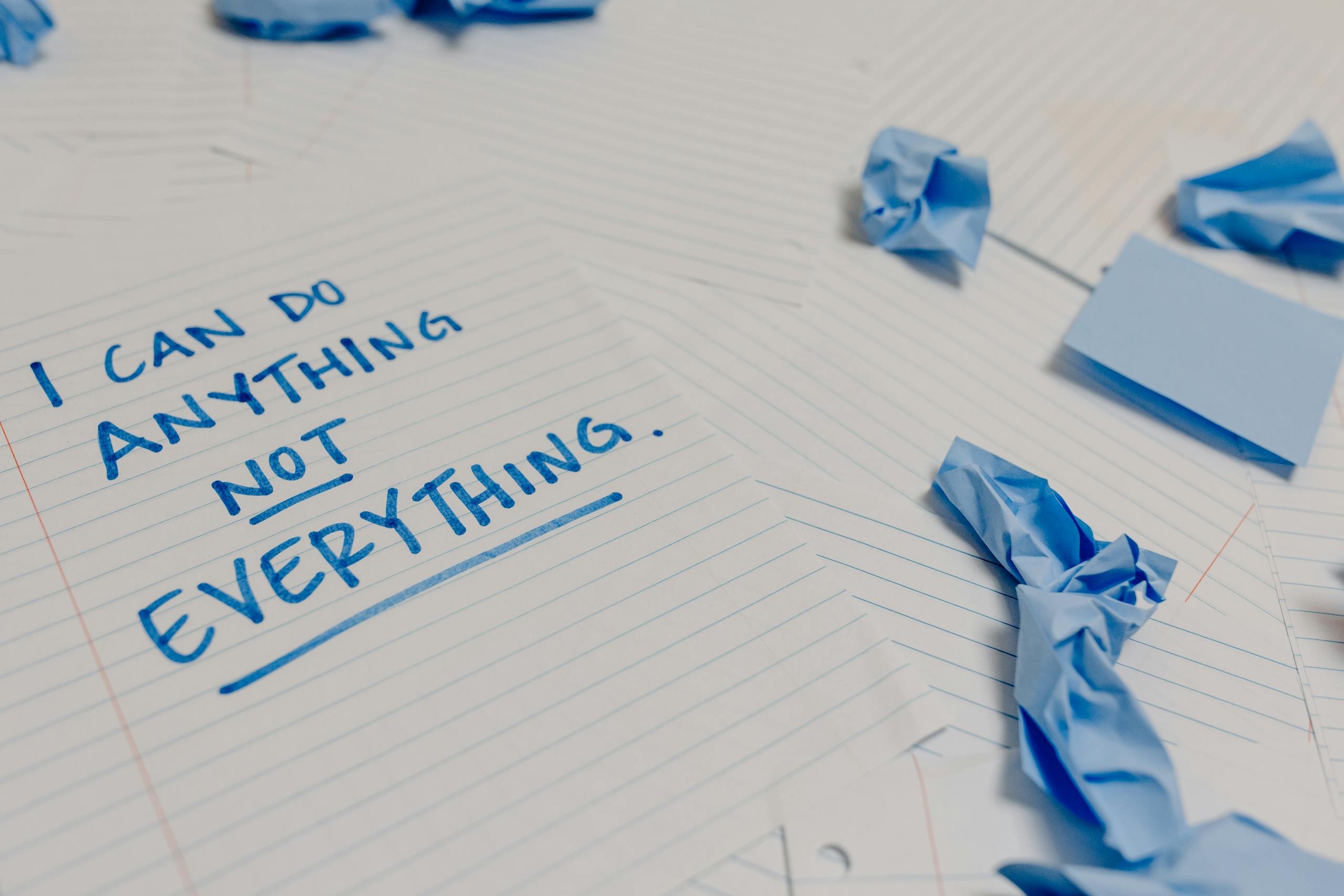
The connection between digital habits and mental clarity becomes more obvious when you examine your environment. Resources on creating peace in an overstimulating world apply equally to digital noise and physical noise. Both fragment attention and deplete cognitive resources.
Understanding why phone calls drain certain personality types illuminates the broader digital exhaustion pattern. The same cognitive processing that makes synchronous communication taxing applies to constant device notifications and demands for immediate response.
Balancing different aspects of your life requires intentional energy management. Insights on managing alone time versus social engagement translate directly to balancing connected versus disconnected time. Both require conscious choice, not passive default to constant availability.
Interestingly, research on how AI tools can support introspective work styles suggests that not all technology drains cognitive resources equally. Strategic use of technology that enhances deep work differs fundamentally from constant connectivity that fragments attention.
Frequently Asked Questions
How long should a digital detox last for introverts?
Studies examining digital detox interventions show benefits emerge within one week, with significant improvements in anxiety, depression, and sleep quality. However, sustainable practice matters more than duration. Start with daily device-free blocks of one to two hours, then expand to full days weekly. Many people find that ongoing boundaries (like device-free mornings or technology sabbaths) work better than occasional extended breaks.
Can introverts use digital tools without cognitive drain?
Yes, when used intentionally. The cognitive exhaustion comes from constant connectivity and reactive device use, not technology itself. Using devices for focused purposes (research, creative work, specific communications) without interruptions preserves mental energy. Set specific times for checking messages, disable notifications, and use apps that support deep work rather than fragment attention.
What if my work requires constant digital availability?
Negotiate boundaries within professional requirements. Establish specific response windows rather than immediate availability. Use status indicators to signal focused work time. Separate work and personal device notifications. Many professionals find that setting clear availability expectations actually improves their work quality and response thoughtfulness.
How do I handle social pressure to stay connected?
Communicate your boundaries clearly. Explain that delayed responses allow for more thoughtful engagement. Set expectations about your availability. Real relationships adapt to these boundaries. People who require constant connectivity from you may not align with your natural communication style anyway. Prioritize quality connections over constant availability.
Will I miss important information by unplugging regularly?
Rarely. Most “urgent” digital communication isn’t truly urgent. Checking devices at scheduled intervals (morning, midday, evening) catches everything genuinely time-sensitive. Emergency contacts know to call, not text. You’ll discover that information anxiety often stems from habit and FOMO rather than actual necessity. The mental clarity gained from unplugging usually outweighs any minor delays in non-critical updates.
Explore more strategies for thriving as someone who recharges through quiet time in our complete General Introvert Life Hub.
About the Author
Keith Lacy is an introvert who’s learned to embrace his true self later in life. With a background in marketing and a successful career in media and advertising, Keith has worked with some of the world’s biggest brands. As a senior leader in the industry, he has built a wealth of knowledge in marketing strategy. Now, he’s on a mission to educate both introverts and extroverts about the power of introversion and how understanding this personality trait can unlock new levels of productivity, self-awareness, and success.