Have you ever found yourself lying in bed at 10 PM, feeling completely content with a quiet evening at home, only to have your partner suggest inviting friends over? You’re finally getting that peaceful recharge time you desperately need after a long week, and suddenly there’s talk of more social interaction. The knot in your stomach isn’t about the friends or the suggestion itself; it’s about that familiar feeling when your energy needs clash directly with your partner’s.
Relationships between people with different energy patterns can feel like speaking different languages. One person gains energy from crowds, conversation, and constant activity. The other finds restoration in silence, solitude, and stillness. For those who identify as introverted, social interaction depletes mental resources that need replenishing through quiet time. For those who lean more extroverted, isolation feels draining in ways their partners might not understand. Neither approach is wrong, yet these differences create daily challenges most couples don’t anticipate when they first fall in love.
Understanding how these personality differences actually work can transform frustration into appreciation. The goal isn’t changing who you are. Success comes from recognizing how your brains process information differently, then building strategies that honor what each person needs to function at their best.

The Science Behind Different Energy Systems
Your personality type isn’t about preferences you can simply adjust. Research on brain chemistry reveals that these differences stem from how your nervous system responds to dopamine. People with more dopamine receptors require higher stimulation levels to feel energized, which drives them toward social interaction and external activity. Those with fewer receptors reach optimal stimulation much faster, meaning crowds and constant conversation push them past their comfort threshold into overstimulation.
What’s your personality type?
Take our free 40-question assessment and get a detailed personality profile with dimension breakdowns, context analysis, and personalised insights.
Discover Your Type8-12 minutes · 40 questions · Free
A 2011 study measuring brain activity found that people who enjoy social interaction showed significantly larger neural responses when viewing human faces compared to those who prefer solitude. The difference wasn’t about liking people more or less. The brain’s attention systems simply assign different priority levels to social information based on your wiring. For introverts, faces don’t trigger the same reward response that extroverts experience.
During my two decades leading creative teams, I watched this dynamic play out constantly. The account executives who thrived in client presentations would seem completely depleted sitting alone at their desks for strategic planning. Meanwhile, the designers who produced breakthrough work in quiet concentration struggled through mandatory brainstorming sessions. Neither group was performing poorly; they were simply operating outside their optimal energy zones.
Neuroimaging studies demonstrate distinct patterns of brain structure associated with these personality traits. Areas involved in social processing, reward sensitivity, and emotional regulation show measurable differences between those who gain energy from social interaction and those who need solitude to recharge. You’re not choosing to feel drained by parties or energized by conversation. Your nervous system processes environmental stimulation using fundamentally different pathways.
Why Opposite Types Attract
The same differences that create challenges also drive initial attraction. Relationships often begin because each person offers something the other lacks. Someone who processes everything internally finds relief in a partner who can articulate feelings effortlessly. Someone who thrives on external stimulation discovers calm in a partner’s quiet presence. Introverted partners often appreciate having an extroverted counterpart who can handle social logistics they find draining. Extroverted partners value the depth and thoughtfulness their introverted partners bring to decisions and relationships.
A 2021 survey of over 13,000 adults revealed interesting patterns in how personality types pair up. Among those identifying as completely outgoing, 43% reported partners with the same high energy level. Yet among those identifying as completely reserved, only 14% chose similar partners. The data suggests that extreme differences aren’t as common as moderate variations, with most couples landing somewhere between the poles.

Complementary strengths emerge when couples learn to value what each brings. The more reserved partner might excel at careful decision-making, risk assessment, and deep problem-solving. The more outgoing partner might contribute networking skills, social navigation, and verbal processing that clarifies complex issues. Together, they access a broader range of capabilities than either could manage alone.
Early in my relationship with my wife, I noticed how my systematic approach to business challenges balanced her ability to read people instantly. When I got stuck analyzing endless data points, she could identify the human element I’d missed. When she felt overwhelmed by too many social obligations, my natural inclination toward smaller gatherings helped us find balance. The differences that initially seemed problematic became our competitive advantage as a team.
Communication: Speaking Different Processing Languages
The most persistent source of conflict emerges from fundamentally different communication styles. Extroverted partners process thoughts by talking them by way of out loud, usually changing their mind mid-sentence as they explore ideas verbally. Introverted partners need silence to think, formulating complete thoughts internally before sharing anything externally. These patterns reflect genuine neurological differences in how information gets organized and processed.
Neither approach is superior. Problems arise when each person interprets the other’s style as intentional rejection. The person who thinks out loud might experience their partner’s silence as withholding or secretiveness. The person who needs internal processing time might feel pressured, overwhelmed, or cornered by demands for immediate responses.
Processing Time Agreements
Successful couples develop explicit agreements about processing time. The person who needs internal reflection requests specific timeframes: “I need until tomorrow morning to think about this” or “Give me 30 minutes, then we can talk.” The person who prefers verbal processing receives assurance about when the conversation will resume, reducing anxiety about being shut out.
Many couples find that building intimacy without constant communication requires creating structured opportunities for different communication modes. Some schedule weekly check-ins for important topics, allowing the more reserved partner time to prepare thoughts as giving the more verbal partner dedicated conversation time.
Written communication helps bridge the gap. Text messages, emails, or shared notes allow the person who needs reflection time to organize thoughts clearly. The person who processes verbally gets the external output they need, just in written instead of spoken form. One couple I worked with established a shared document where each partner could add thoughts throughout the week, then discussed them during Sunday morning coffee.

Managing Social Calendars and Energy Budgets
Weekend plans trigger some of the most frequent arguments in introvert-extrovert relationships. The extroverted partner sees an empty Saturday as an opportunity for spontaneous social activities. The introverted partner views that same empty Saturday as desperately needed recovery time after a draining work week. Neither person is being difficult; they’re simply working with different energy budgets that reflect fundamental personality differences.
The person who gains energy from social interaction genuinely doesn’t understand why their introverted partner would choose to stay home when friends are available. The person who loses energy in groups genuinely can’t comprehend why anyone would voluntarily add more stimulation when their nervous system is already overloaded. For introverts, accepting one more invitation means depleting resources needed for basic functioning. For extroverts, declining social opportunities feels like missing essential connection. These aren’t lifestyle preferences. They’re biological requirements for optimal functioning.
During my agency years, I learned to protect specific recovery windows. After major client presentations or industry conferences, I would block my calendar for quiet work. My more outgoing colleagues would head straight from the conference floor to networking dinners, genuinely energized by the day’s interactions. I needed that same evening to process everything I’d absorbed, alone and in silence. Recognizing this pattern helped me communicate my needs clearly instead of forcing myself via social obligations that left me completely depleted.
Calendar Negotiation Strategies
Effective couples treat social calendars as collaborative negotiations instead of individual decisions. Some establish monthly quotas: two major social events, three small gatherings, one weekend completely free. Others alternate who chooses weekend activities, ensuring each person’s needs get honored regularly.
The challenge of balancing alone time and relationship time requires transparency about energy levels. Many couples develop signal systems. A simple “I’m at 30%” gives immediate information about remaining capacity with no need for lengthy explanations. The partner who’s energized can then choose to attend an event solo as the depleted partner stays home guilt-free.
Exit strategies prevent the most common social event conflicts. Couples arrive separately or establish predetermined departure times. This eliminates the dynamic where one person wants to leave immediately and the other wants to stay for hours. The person ready to go heads home, the person still energized stays longer, and nobody feels trapped or abandoned.
Creating Home Environments That Support Different Needs
Your living space either supports or undermines your relationship. The introverted partner who needs quiet space to recharge requires actual physical areas designed for solitude. The extroverted partner who thrives on activity needs spaces that accommodate social interaction and movement. Competing for the same spaces creates unnecessary tension between partners with different energy needs.

Successful home designs include dedicated retreat space for the introverted partner who needs solitude. A home office with a door, a reading nook, or even just a specific chair that signals “not available for conversation right now” gives essential breathing room. The extroverted partner who prefers social energy gets open gathering spaces where friends feel welcome and comfortable. These separate zones prevent competition for the same square footage.
Sound management matters more than most couples anticipate. One person might need complete silence to focus or relax. The other might find silence uncomfortable, preferring background music or television. Introverts commonly require quieter environments to process information effectively. Extroverts may feel uncomfortable in complete silence. Headphones, white noise machines, and strategic furniture placement can create acoustic zones that meet different needs within the same home.
My wife and I eventually established what we call the “availability protocol.” When my office door is closed, I’m fully focused on internal work and interruptions fragment my concentration. When it’s open, I’m available for conversation. She has specific times when she needs to process social plans or talk by her day. We honor these rhythms instead of fighting them, which eliminates countless small frustrations that used to accumulate throughout the week.
Conflict Resolution With Different Timing Needs
Disagreements expose the sharpest differences in processing styles between introverted and extroverted partners. The extroverted person who processes externally wants to talk with the conflict immediately, working toward resolution by way of conversation. The introverted person who processes internally needs time and space to understand their own feelings before engaging in discussion. These opposing needs can make conflict resolution feel impossible.
If this resonates, introvert-cubicle-making-your-space-work goes deeper.
The external processor experiences delayed conversation as avoidance, creating anxiety about the relationship’s stability. The internal processor experiences pressure for immediate discussion as aggressive and overwhelming, making thoughtful resolution impossible. With no explicit agreements about conflict timing, this dynamic creates escalating frustration on all sides.
Establishing conflict protocols before disagreements occur prevents the worst outcomes. Many couples agree on specific timeframes: “We can take up to 24 hours to process separately, then we commit to discussion.” Others set brief check-ins where the person who needs space can say “I’m still thinking” and avoid triggering panic in their partner.
The person who processes verbally can journal, talk to a friend, or use voice memos to work using their thoughts externally and avoid pressuring their partner. The person who needs reflection time commits to engaging within an agreed timeframe as opposed to disappearing indefinitely. Clear boundaries eliminate the perception that someone is stonewalling or avoiding resolution.
Friendship Circles and Social Integration
Friend groups reveal another common tension point in introvert-extrovert partnerships. One person naturally develops large networks of casual friendships, enjoying variety and breadth in social connections. The other cultivates small circles of deep relationships, preferring quality over quantity. Introverts typically invest significant time getting to know fewer people deeply. Extroverts frequently maintain broader social networks with varying levels of closeness. Each person’s friendship style feels perfectly natural to them and completely foreign to their partner.
The person with extensive friend networks might feel restricted by a partner who limits social activities. The person with selective friendships might feel overwhelmed by constant social obligations with people they barely know. Neither approach is wrong, but merging these different social styles requires conscious effort.
Some couples maintain largely separate friend groups, coming together for specific shared activities. Others work to build overlap gradually, introducing friends in small doses compared to throwing everyone together at once. What matters most is recognizing that you don’t need identical social circles to have a strong relationship.
Learning how people with different styles show love helps partners appreciate each other’s social approaches. Someone who expresses affection by way of large group activities isn’t trying to exhaust their partner. Someone who shows love via quiet, one-on-one time isn’t trying to isolate their partner from friends.

Long-Term Success Strategies
Relationships between different personality types require ongoing attention to energy management. What works during the dating phase usually fails when you’re living together or raising children. Life changes demand evolving strategies that continue honoring each person’s fundamental wiring.
Regular energy check-ins prevent resentment from building. Monthly or quarterly conversations about what’s working and what needs adjustment keep partners informed about changing needs. The person who needed three social events monthly might need only one during a particularly demanding work period. The person who previously managed with minimal alone time might require more space after becoming a parent.
Couples who thrive long-term develop deep appreciation for what their partner’s different wiring brings to the relationship. The person who loves solitude learns to value their partner’s ability to handle social situations effortlessly. The person who thrives on interaction learns to appreciate the depth their partner brings to relationships and decisions.
Understanding what happens in relationships with similar personality types can help you appreciate the benefits of difference. Couples with identical wiring might avoid certain conflicts, yet they also miss opportunities for growth and balance that come from partnering with someone who sees the world differently.
Professional Support When Needed
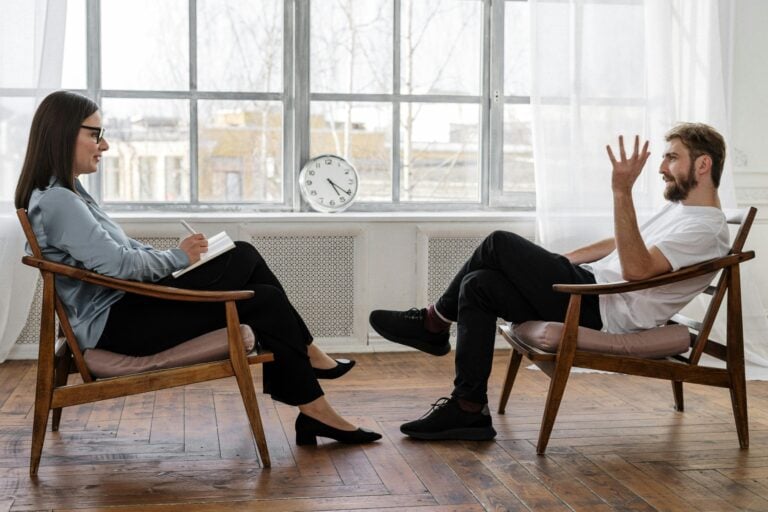
Some couples benefit from working with therapists who understand personality differences. A skilled counselor can help translate between different communication styles, validate each person’s needs, and develop customized strategies that honor your specific dynamic.
Therapy isn’t a sign of failure. It’s recognition that different nervous systems require different approaches to conflict, communication, and connection. Professional guidance can accelerate progress that might take years to achieve via trial and error alone.
Final Thoughts
Personality differences don’t determine relationship success or failure. How you respond to those differences makes the actual difference. Couples who thrive recognize that their partner’s wiring isn’t a personal rejection or character flaw. It’s simply a different operating system that processes the world using an alternative pathway. Introverted partners bring depth, reflection, and careful analysis. Extroverted partners contribute energy, social navigation, and verbal processing. Together, these complementary strengths create balance.
The goal isn’t becoming more alike. Success comes from building systems that honor what each person needs to function optimally. Communication protocols, energy management strategies, and clear boundaries transform potential friction points into opportunities for deeper connection and appreciation.
Your relationship can become stronger precisely because you’re different. The quiet person gains access to social opportunities they might miss. The outgoing person gains depth and reflection they might not naturally prioritize. Introverts learn to stretch beyond their comfort zones occasionally, building skills they wouldn’t develop alone. Extroverts develop appreciation for stillness and deeper processing. Together, you create something more complete than either could build alone.
Explore more relationship insights in our complete Introvert Dating & Attraction Hub.
About the Author
Keith Lacy is a person who’s learned to embrace his true self later in life. With a background in marketing and a successful career in media and advertising, Keith has worked with some of the world’s biggest brands. As a senior leader in the industry, he has built a wealth of knowledge in marketing strategy. Now, he’s on a mission to educate people about the power of different personality types and how recognizing these traits can improve relationships, productivity, self-awareness, and success.