I spent three years trying to dress like the influencers I followed online, buying statement pieces I thought would make me look “put together.” The result? A closet full of clothes that looked good on Pinterest but felt like costumes on me. Every morning became a struggle between what fashion magazines said I should wear and what actually felt like me.
Fashion for introverts works differently than mainstream style advice suggests. Introverts need clothing that supports their energy rather than drains it, comfort that builds rather than undermines confidence, and authentic expression that doesn’t require constant performance or explanation.

The relationship between introversion and fashion goes deeper than simply preferring comfortable clothes, though comfort certainly plays a role. True introvert style is about creating a visual representation of your inner self that feels both authentic and empowering. It’s about choosing pieces that enhance your natural confidence without draining your energy or forcing you to perform a version of yourself that doesn’t feel genuine.
Understanding how to dress authentically as an introvert can transform not just how you look, but how you feel about yourself and how confidently you move through the world. When your clothing choices support rather than compete with your natural temperament, getting dressed becomes an act of self-care rather than a daily struggle.
Our General Introvert Life hub explores how authentic living extends beyond fashion into every aspect of daily life, but style choices offer a powerful entry point for expressing your true self.
The key insight I want to share from my own experience in advertising and brand building is this: people can sense when you’re not being authentic. In my teens, I tried to compensate for feeling awkward with small talk by focusing on being “cool” through external signals like trendy clothes, expensive sneakers, and the latest accessories. While these helped initially, they weren’t sustainable because they weren’t genuinely me. The breakthrough came when I realized it’s okay to be yourself, and that authentic style choices create more lasting confidence than trend-driven purchases ever could.
Why Do Introverts Need Different Fashion Advice?
Authentic style for introverts begins with understanding the difference between dressing for external validation and dressing for personal empowerment. While extroverts might use fashion to start conversations or express their outgoing personality, introverts typically approach style as a form of personal comfort and quiet confidence building.
During my years managing creative teams, I noticed a pattern: the most successful introverted designers and strategists weren’t the ones trying to match their extroverted colleagues’ bold style choices. They were the ones who found their own authentic expression within professional parameters. One of my most talented art directors initially struggled because she felt pressure to dress as dramatically as her work, but her breakthrough came when she embraced sophisticated minimalism that felt genuinely her.
The Foundation of Introvert Style
Comfort as Confidence: Physical comfort directly impacts mental comfort for introverts. When your clothes feel good on your body, you’re less likely to be distracted by physical discomfort during social interactions or important situations. This doesn’t mean sacrificing style for comfort, but rather finding the sweet spot where both coexist naturally.
Quality Over Quantity: Most introverts naturally gravitate toward having fewer, higher-quality pieces rather than constantly refreshing their wardrobes with trendy items. This preference aligns perfectly with building a sustainable, authentic wardrobe that serves you well over time rather than requiring constant attention and updates.
Subtle Sophistication: Introvert style often emphasizes understated elegance and thoughtful details rather than bold, attention-grabbing statements. This might manifest as well-tailored basics, interesting textures, or carefully chosen accessories that add personality without overwhelming your natural presence.
Personal Style vs. Fashion Trends
The pressure to follow fashion trends can feel particularly overwhelming for introverts because it requires constantly adapting your appearance to match external expectations. Authentic introvert style focuses on developing your personal aesthetic based on what makes you feel confident and comfortable, regardless of what’s currently trending.
Data from consumer behavior studies reveals that people who make purchasing decisions based on personal preferences rather than social influence report higher satisfaction with their choices and greater confidence in their self-expression.
This doesn’t mean ignoring trends entirely, but rather evaluating them through the lens of your personal style and lifestyle needs. If a trend aligns with your authentic preferences and practical requirements, it might be worth incorporating. If it doesn’t, there’s no pressure to adopt it simply because it’s popular.
Understanding how self-care supports authentic living provides additional context for why authentic fashion choices matter for overall well-being.
How Can You Build a Wardrobe That Supports Your Energy?
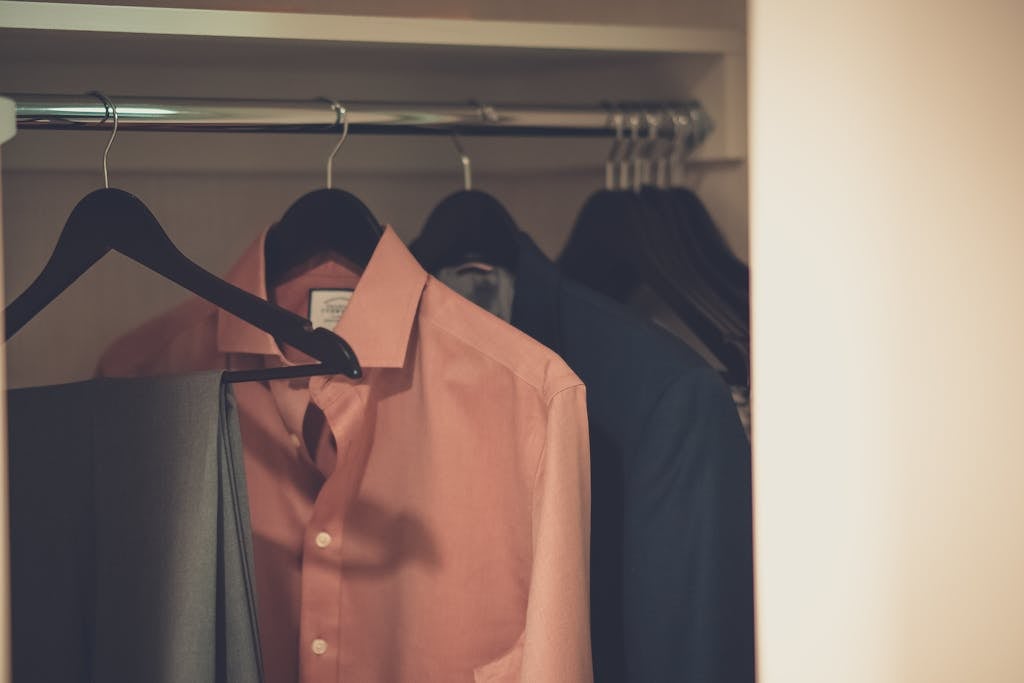
Introverts need clothing that works with their energy patterns rather than against them. This means choosing pieces that feel effortless to wear and coordinate, reducing the daily mental energy required for getting dressed while maximizing confidence and comfort.
The Power of a Capsule Wardrobe
A thoughtfully curated capsule wardrobe aligns perfectly with introvert preferences for simplicity, quality, and functionality. By choosing versatile pieces that mix and match easily, you reduce decision fatigue while ensuring you always have appropriate, confidence-boosting options available.
Foundation Pieces for Introvert Success:
- Well-fitted basics in your best colors – Start with comfortable jeans, classic shirts, or dresses in fabrics that feel good against your skin and colors that make you feel confident
- Quality blazers that feel like natural extensions – Invest in blazers that feel comfortable enough for all-day wear while elevating any outfit
- Comfortable shoes that support long days – Choose shoes that look polished but won’t distract you with discomfort during important meetings or social events
- Transitional pieces for versatility – Items that work across casual to professional settings, reducing the need for complete outfit changes
Color Palette Strategy: Developing a cohesive color palette simplifies getting dressed while ensuring everything coordinates naturally. Many introverts gravitate toward neutral palettes with one or two accent colors, but your palette should reflect your authentic preferences rather than following any prescribed formula.
Seasonal Considerations: Your wardrobe should support your comfort across different seasons and situations. This might mean investing in layers for temperature regulation, comfortable shoes for long days, or pieces that transition easily from casual to professional settings.
Comfort Technologies and Fabrics
Modern fabric technologies offer introverts unprecedented opportunities to combine style with comfort. Understanding which fabrics and features support your daily activities can significantly impact how confident and comfortable you feel throughout the day.
Smart Fabric Choices for Introverts:
- Natural fibers for breathability – Cotton, wool, and linen often provide better temperature regulation than synthetic alternatives
- Stretch integration for movement – Subtle stretch allows natural movement without compromising tailored appearance
- Moisture-wicking properties – Fabrics that manage moisture prevent the physical discomfort that might distract during important interactions
- Wrinkle-resistant options – Reduce maintenance stress while maintaining polished appearance throughout busy days
These comfort considerations connect directly to energy management strategies that help introverts maintain their best performance throughout the day.
What Should Introverts Know About Professional Dressing?
The professional environment presents unique challenges for introvert fashion because you need to project competence and authority while maintaining your authentic style and comfort needs. The key is finding professional pieces that feel like a natural extension of your personal style rather than a costume you put on for work.
I learned this lesson the hard way when I started my advertising career. I initially tried to emulate the bold, attention-getting style choices of successful extroverted colleagues. The result was a wardrobe full of statement pieces that felt performative rather than professional. My confidence actually increased when I shifted to sophisticated, well-fitted pieces that aligned with my authentic preferences while meeting industry expectations.
Building Professional Confidence Through Clothing
The Power of Fit: Well-fitted clothing can significantly impact how others perceive your competence and how confident you feel in professional situations. This doesn’t require expensive tailoring for every piece, but understanding your body proportions and choosing pieces that flatter your shape naturally.
Strategic Investment Areas for Professionals:
- Perfect blazer that feels like armor – One impeccably fitted blazer can transform multiple outfits and boost confidence in high-stakes meetings
- Signature professional footwear – Comfortable, polished shoes that support you through long conference days and networking events
- Versatile dress or suit system – Foundation pieces that work across different professional contexts without requiring complete outfit planning
- Quality accessories with meaning – Professional accessories that reflect your personality while enhancing rather than overwhelming your presence
Versatility in Professional Wear: Pieces that work across different professional contexts reduce the mental energy required for dressing appropriately while ensuring you always feel prepared. This might mean choosing separates that mix and match easily or dresses that work for both meetings and presentations.
Managing Workplace Fashion Pressures
Professional environments can create pressure to conform to certain style expectations that might not align with your authentic preferences. Learning to navigate these expectations while maintaining your personal style requires strategic thinking and confidence in your choices.
According to workplace psychology research from Harvard Business School, employees who dress authentically within professional parameters report higher job satisfaction and more confident workplace interactions.
Navigating Professional Style Expectations:
- Research industry norms thoughtfully – Understand expectations while identifying where you can authentically express personal style
- Find authentic mentors and allies – Connect with colleagues who appreciate genuine self-expression within professional contexts
- Make gradual authentic transitions – Evolve toward more authentic choices slowly, building confidence while observing responses
- Focus on quality execution – When your work is excellent, authentic style choices are more readily accepted and respected
For more insights on managing workplace challenges as an introvert, our guide on workplace challenges that only introverts understand offers strategies that complement your authentic style approach.
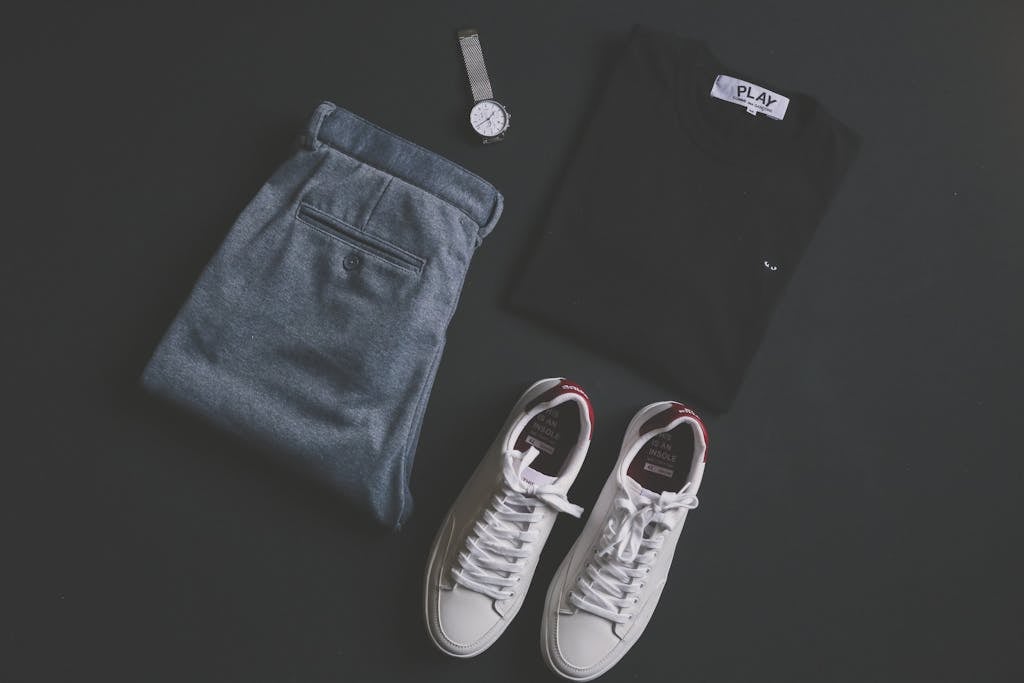
How Should Introverts Approach Social Situations and Event Dressing?
Social events can present particular challenges for introvert style because they often involve unfamiliar environments, longer durations, and the need to feel confident while potentially being outside your comfort zone. Strategic event dressing can help you feel more prepared and authentic during social situations.
Dressing for Different Social Contexts
Casual Social Events: For casual gatherings with friends or family, focus on pieces that help you feel like your authentic self while being appropriate for the activity and setting. This might mean comfortable jeans and a favorite top, or a casual dress that makes you feel confident without being overdressed.
Strategic Choices for Social Success:
- Go-to confidence pieces – Identify specific items that make you feel particularly confident and keep them ready for important social events
- Comfort for duration – Choose shoes and clothing that remain comfortable throughout long social gatherings
- Weather adaptability – Plan layers and weather-appropriate options to maintain comfort during outdoor or seasonal events
- Activity-appropriate choices – Consider the specific activities involved and dress accordingly while maintaining your authentic style
Formal Events: Formal situations require more strategic planning because they often involve longer durations and higher visibility. Choose formal wear that aligns with your personal style preferences while meeting the event’s dress code requirements. Comfort becomes even more important for longer events.
Professional Social Events: Work-related social events require balancing professional appropriateness with personal comfort. These situations benefit from pieces that feel like elevated versions of your everyday professional style rather than completely different looks.
Energy Management Through Clothing Choices
Your clothing choices can either support or drain your energy during social situations. Understanding how different types of clothing affect your comfort and confidence helps you make strategic choices that support your social battery rather than depleting it.
One of my team members taught me this principle when she mentioned that wearing uncomfortable shoes to networking events actually affected her ability to engage authentically with new contacts. Once she prioritized comfort without sacrificing style, her networking effectiveness improved dramatically because she could focus on conversations rather than physical discomfort.
Building authentic relationships during these events becomes easier when you feel comfortable in what you’re wearing. Our article on understanding introvert social signals provides strategies that work hand-in-hand with authentic style choices.
What Are the Best Shopping Strategies for Authentic Style?
Developing effective shopping strategies helps introverts build authentic wardrobes without the overwhelm that can come from traditional retail experiences. Understanding your preferences, needs, and shopping style can make the process more efficient and enjoyable.
Mindful Shopping Approaches
Pre-Shopping Planning: Before shopping, consider what specific pieces you need and how they fit into your existing wardrobe. This planning helps you stay focused on authentic choices rather than impulse purchases that might not align with your personal style or practical needs.
Smart Shopping Strategies for Introverts:
- Create specific needs lists – Identify gaps in your wardrobe and prioritize purchases that fill real needs rather than wants
- Research brands and quality markers – Understand construction, materials, and company values before making purchasing decisions
- Choose comfortable shopping environments – Select online platforms or quiet stores that don’t drain your energy during the decision-making process
- Allow processing time – Take advantage of return policies to make thoughtful decisions rather than pressure-driven purchases
Quality Over Impulse: Introverts often benefit from taking time to consider purchases rather than making quick decisions. This might mean creating wish lists, researching brands, or thinking about how potential purchases fit into your overall wardrobe strategy.
Shopping Environment Preferences: Some introverts prefer online shopping for its privacy and ability to research thoroughly, while others enjoy the tactile experience of trying things on in person. Understanding your preferences helps you choose shopping methods that feel comfortable rather than draining.
Building Relationships with Quality Brands
Brand Research: Taking time to research brands that align with your values, quality standards, and style preferences can lead to more satisfying purchases and better long-term wardrobe building. This research can include reading reviews, understanding company values, and learning about fabric quality and construction.
Findings published in the Journal of Fashion Marketing and Management demonstrate that consumers who research brand values and quality metrics before purchasing report 40% higher satisfaction rates with their clothing investments.
Value-Aligned Shopping Principles:
- Sustainable quality investments – Choose brands that prioritize longevity, ethical practices, and environmental responsibility
- Secondhand and vintage exploration – Discover unique pieces while supporting sustainable consumption patterns through online vintage platforms
- Size and fit understanding – Learn your measurements across different brands to improve online shopping success and reduce returns
- Brand loyalty development – Build relationships with brands that consistently meet your quality and style expectations
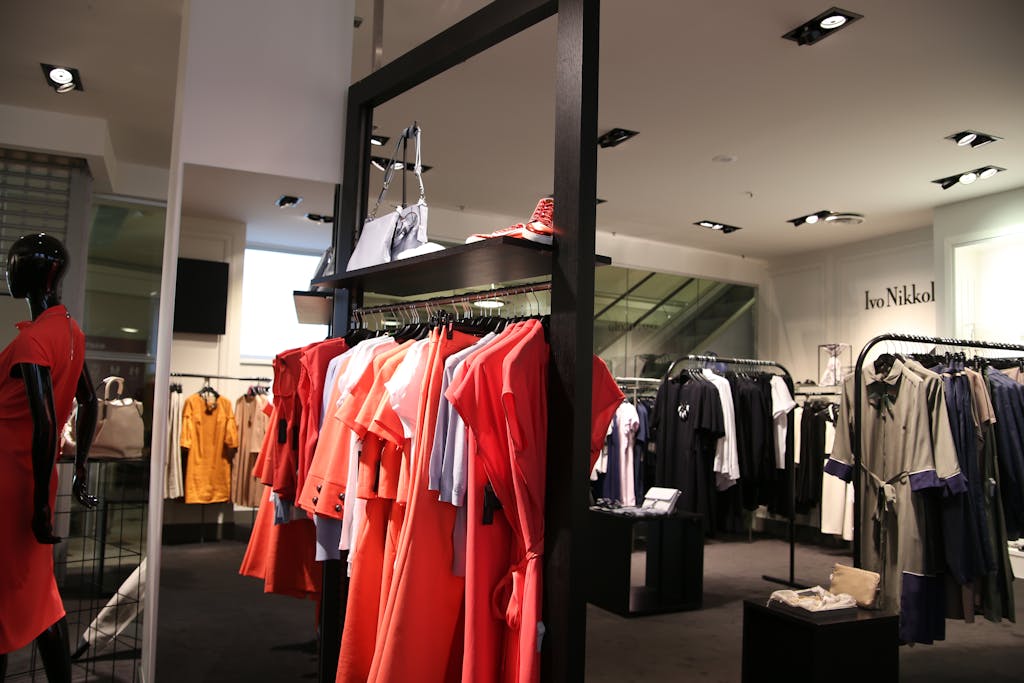
How Do Color Psychology and Personal Expression Work for Introverts?
Color choices play a significant role in how clothing makes you feel and how others perceive you. Understanding color psychology and your personal responses to different colors can help you build a wardrobe that supports your authentic self-expression and confidence.
Understanding Your Color Preferences
Personal Color Analysis: While formal color analysis can be helpful, understanding your intuitive responses to different colors is equally important for authentic style building. Notice which colors make you feel confident, energized, or comfortable, and use these observations to guide your wardrobe choices.
Psychological Impact of Color: Different colors can affect your mood and energy levels throughout the day. For example, some people find that wearing certain blues enhances their sense of calm, while others feel more confident in earth tones or classic neutrals.
Evidence from color psychology research reveals that individuals show measurable changes in confidence levels and stress responses when wearing colors they personally associate with positive experiences versus those they find neutral or unpleasant.
Professional Color Strategies: Understanding how different colors are perceived in professional settings helps you make strategic choices that support your career goals while maintaining authentic self-expression. This doesn’t mean abandoning your preferred colors, but rather understanding their impact and choosing when to incorporate them.
Building a Cohesive Color Palette
Effective Color Strategy Elements:
- Seasonal palette adaptation – Allow your color preferences to shift naturally with seasons while maintaining overall wardrobe cohesion
- Neutral foundation with intentional accents – Build versatility through neutrals while expressing personality through carefully chosen accent colors
- Lifestyle-integrated color choices – Consider practical factors like outdoor activities, travel, and work environments in your color decisions
- Personal meaning integration – Include colors that have positive associations or memories to enhance emotional connection to your wardrobe
Color and Lifestyle Integration: Consider how your color choices work with your lifestyle needs. If you spend time outdoors, travel frequently, or work in environments where certain colors are more practical, factor these considerations into your palette development.
How Can Accessories and Personal Details Enhance Introvert Style?
Accessories offer introverts an excellent way to express personality and add interest to outfits without overwhelming their natural presence. The key is choosing accessories that enhance rather than complicate your authentic style.
Strategic Accessory Choices
Quality Over Quantity: Like with clothing pieces, focusing on fewer, higher-quality accessories often serves introverts better than collecting many trendy pieces. This approach ensures your accessories coordinate with multiple outfits while reflecting your authentic preferences.
During my years in advertising, I observed that the most memorable professionals weren’t those with the most accessories, but those with one or two signature elements that felt genuinely personal. One creative director was known for her collection of meaningful vintage watches, while a successful account executive always wore simple but beautiful earrings that reflected her travels.
Meaningful Accessory Strategies:
- Personal story integration – Choose accessories with sentimental value or meaningful stories rather than purely decorative items
- Functional beauty balance – Select pieces that combine practical utility with aesthetic appeal, like quality watches or versatile scarves
- Signature element development – Consider developing one or two signature style elements that become part of your authentic personal brand
- Professional integration consideration – Ensure personal style signatures can be appropriately adapted for professional contexts
Building Signature Style Elements
Developing Your Signatures: Consider developing one or two signature style elements that become part of your authentic personal brand. This might be a particular type of jewelry, a specific color combination, or a certain style of accessory that feels uniquely you.
Consistency Without Rigidity: While signature elements add consistency to your style, allow for evolution and variation based on your changing preferences and lifestyle needs. The goal is authentic self-expression, not rigid adherence to a predetermined formula.
Creating these personal style signatures supports your overall journey of authentic self-expression. As discussed in our guide on the benefits of alone time for processing and self-reflection, developing consistent practices that honor your authentic self creates a foundation for overall well-being.
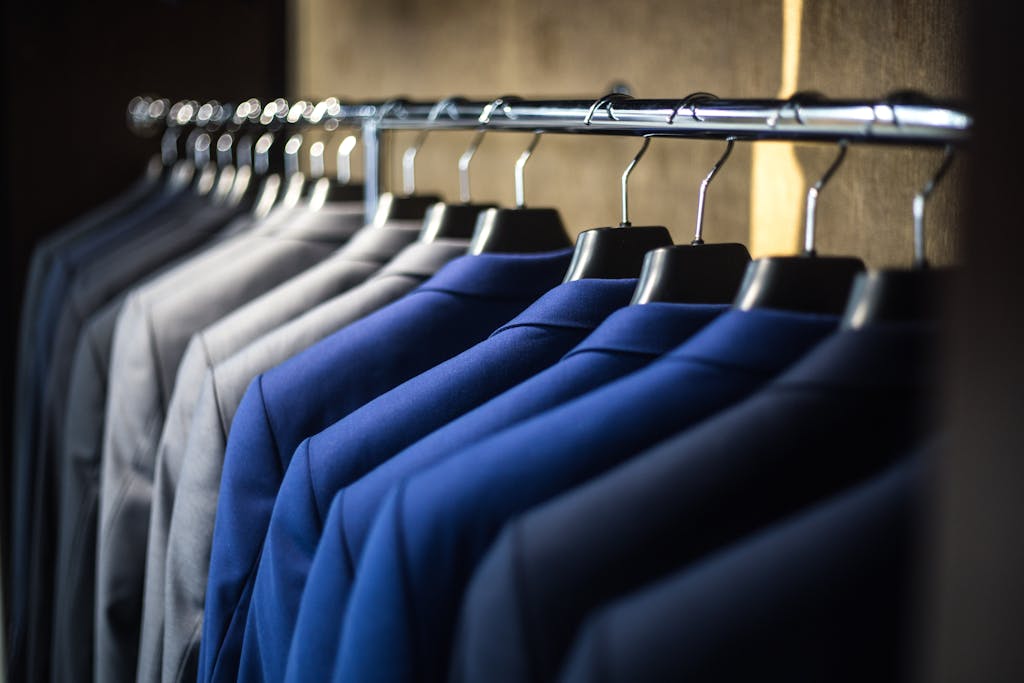
Seasonal Wardrobe Transitions
Managing seasonal wardrobe transitions efficiently reduces the mental energy required for dressing appropriately while ensuring you feel comfortable and authentic across different weather conditions and seasonal activities.
Layering Strategies
Seasonal Transition Essentials:
- Climate-specific planning – Understand your local weather patterns to invest in appropriate layering pieces that serve you across seasons
- Professional layering solutions – Develop strategies for maintaining polish while adapting to temperature changes in work environments
- Personal comfort prioritization – Honor your individual temperature preferences rather than following general guidelines that might not work for you
- Versatile transition pieces – Choose items that work effectively across multiple seasons and temperature ranges
Storage and Organization
Seasonal Rotation: Developing systems for seasonal wardrobe rotation helps keep your current options manageable while preserving off-season pieces properly. This organization supports the introvert preference for simplicity and efficiency in daily dressing.
Space Efficiency: Many introverts prefer streamlined living spaces, which requires strategic thinking about wardrobe storage and organization. Finding solutions that keep your clothing accessible while maintaining a peaceful environment supports both practical and aesthetic needs.
Scientists at the University of California found that organized living spaces contribute significantly to reduced cortisol levels, particularly benefiting individuals who prefer structured environments and minimal visual clutter.
Smart Organization Principles:
- Seasonal storage systems – Create efficient rotation systems that keep current season items accessible while properly storing off-season pieces
- Maintenance scheduling – Understand proper care techniques for different fabrics and establish cleaning and storage routines
- Visual simplicity maintenance – Organize wardrobes to support mental clarity and reduce daily decision fatigue
For introverts who value their personal space, learning to create an environment that supports your needs extends naturally to wardrobe organization and storage solutions.
How Do You Build Confidence Through Authentic Style?
The ultimate goal of fashion for introverts is building genuine confidence that supports your natural way of being in the world. When your clothing choices align with your authentic self, getting dressed becomes an empowering daily ritual rather than a source of stress or uncertainty.
Developing Style Confidence
Experimentation Within Comfort: Building authentic style confidence often involves gentle experimentation within your comfort zone rather than dramatic changes that feel uncomfortable or inauthentic. This might mean trying new colors in familiar silhouettes or exploring different textures in styles you already love.
I discovered this principle when transitioning from trying to emulate trendy fashion bloggers to developing my own authentic approach. Instead of dramatic overhauls, I made gradual adjustments based on what genuinely felt good and looked right on me. The confidence that came from those authentic choices was far more sustainable than any trend-driven decision I’d made.
Internal vs. External Validation: Authentic style confidence comes from internal satisfaction with your choices rather than seeking approval from others. This doesn’t mean ignoring appropriate dress codes or social contexts, but rather making choices based on your authentic preferences within those parameters.
Body Acceptance and Styling: Confidence in authentic style includes accepting and styling your body as it is rather than trying to conform to external ideals that might not align with your natural shape or personal preferences. This acceptance allows you to focus on finding pieces that truly flatter and make you feel confident.
Overcoming Style Challenges
Decision Fatigue Management: Developing systems and routines for clothing choices reduces daily decision fatigue while ensuring you always feel appropriately dressed. This might involve planning outfits in advance, creating uniform-like approaches for certain situations, or developing decision-making frameworks for different contexts.
Confidence-Building Strategies:
- Social pressure resistance techniques – Learn to maintain authentic style choices despite criticism or conformity pressure
- Evolution and growth allowance – Permit your style preferences to change naturally over time without feeling locked into past decisions
- Success celebration practices – Acknowledge and appreciate when your authentic choices lead to genuine confidence and positive interactions
- Support system development – Build relationships with people who appreciate and encourage your authentic self-expression
This confidence-building process connects to broader themes of self-acceptance and authentic living. Our article on communicating your authentic needs explores how confident self-expression contributes to overall psychological well-being.
Sustainable and Ethical Fashion for Introverts
Many introverts naturally gravitate toward sustainable and ethical fashion choices because these approaches align with preferences for thoughtful consumption, quality over quantity, and values-based decision making.
Sustainable Shopping Strategies
Investment Thinking: Approaching wardrobe building as long-term investment rather than short-term satisfaction often leads to more sustainable choices. This perspective encourages choosing pieces based on versatility, quality, and authentic personal preference rather than trending items with shorter lifespans.
Brand Values Alignment: Taking time to research and understand the values and practices of fashion brands helps ensure your purchases align with your personal values. This research might include understanding manufacturing processes, labor practices, environmental impact, and company values.
Analysis from the Global Fashion Agenda’s sustainability report indicates that consumers who prioritize brand values alignment in their purchasing decisions report 60% higher satisfaction with their wardrobe choices over time.
Sustainable Fashion Approaches:
- Secondhand and vintage exploration – Access unique pieces while supporting sustainable consumption through online platforms and curated vintage shops
- Quality assessment skill development – Learn to evaluate construction, materials, and durability to make better long-term investment decisions
- Proper garment care education – Understand fabric care requirements to extend the life of quality pieces
- Repair and maintenance relationships – Develop skills or professional relationships for maintaining and repairing valuable wardrobe pieces
Creating Your Personal Style Framework
Developing a personal style framework helps introverts maintain clarity about their authentic fashion goals while providing guidance for making confident style choices across different situations and life changes.
Defining Your Style Values
Core Principles: Identifying the fundamental principles that guide your style choices provides a foundation for decision-making that transcends specific trends or situations. These might include comfort, authenticity, sustainability, quality, or self-expression.
When I finally developed my personal style framework, it was built around three core principles: authenticity (choices that felt genuinely me), quality (pieces that would serve me well long-term), and comfort (both physical and psychological). This framework made shopping decisions much clearer and reduced the anxiety I used to feel about whether I was making the “right” choices.
Personal Style Framework Elements:
- Lifestyle alignment assessment – Ensure choices align with your actual life rather than aspirational versions
- Personal boundary identification – Understand and articulate your style boundaries while maintaining appropriate flexibility
- Decision-making framework creation – Develop criteria for evaluating potential wardrobe additions based on authenticity, quality, and versatility
- Regular assessment scheduling – Periodically review and adjust your style choices to support evolution while maintaining authenticity
Support Systems: Identifying friends, family members, or professionals who understand and support your authentic style goals provides encouragement and practical assistance when needed. These relationships can offer honest feedback and encouragement for maintaining authentic choices.
Creating these support systems and frameworks extends beyond fashion into creating an overall environment that honors your authentic self. Our article on career choices that align with your authentic nature explores how this same principle applies to your professional life.
Frequently Asked Questions About Fashion for Introverts
What makes fashion for introverts different from general style advice?
Fashion for introverts focuses on authentic self-expression, comfort that supports confidence, quality over quantity, and building wardrobes that align with energy patterns rather than following every trend. It emphasizes subtle sophistication and personal meaning over attention-seeking choices.
How should introverts approach professional dressing?
Introverts should focus on well-fitted, high-quality pieces that feel like natural extensions of their personal style. Invest in versatile foundation pieces, prioritize comfort that supports confidence, and choose professional wear that aligns with authentic preferences within workplace parameters.
What is a capsule wardrobe and why does it work for introverts?
A capsule wardrobe consists of versatile, high-quality pieces that mix and match easily. It works for introverts because it reduces decision fatigue, aligns with preferences for quality over quantity, and ensures consistent authentic self-expression without constant wardrobe updates.
How can introverts build confidence through their clothing choices?
Introverts build confidence by choosing pieces that align with their authentic preferences, prioritizing comfort that supports their natural energy, focusing on quality fits, and developing signature style elements that feel genuinely personal rather than trend-driven.
What colors work best for introvert fashion?
The best colors for introverts are those that personally resonate and support their confidence. Many prefer cohesive neutral palettes with carefully chosen accent colors, but the key is understanding your personal color responses and building a palette that feels authentically you.
How can introverts shop for clothes without feeling overwhelmed?
Plan ahead with specific needs lists, research brands and quality beforehand, choose shopping environments that feel comfortable (online or quiet stores), focus on investment pieces rather than impulse buys, and take time to consider purchases rather than making quick decisions.
Conclusion: Embracing Your Authentic Style Journey
Authentic fashion for introverts is about honoring your true self through thoughtful, confident clothing choices that support rather than compete with your natural way of being. When you dress authentically, you create a foundation of confidence that enhances every aspect of your daily experience while staying true to who you really are.
The journey toward authentic style isn’t about following prescribed formulas or copying others, but rather about developing deep self-awareness and the courage to express that awareness through your clothing choices. As I learned from my own experience in advertising and personal development, the most sustainable confidence comes not from trying to look trendy through external signals, but from making authentic choices that genuinely reflect who you are.
Your authentic style journey is uniquely yours, and the goal isn’t perfection but rather honest self-expression that supports your best life. When your wardrobe aligns with your authentic self, getting dressed becomes an act of self-respect and empowerment that sets a positive tone for every day.
Remember that building authentic style takes time and experimentation. Be patient with yourself as you discover what truly feels like you, and trust that the confidence that comes from authentic self-expression will serve you far better than any trend-driven approach ever could.
This article is part of our General Introvert Life Hub , explore the full guide here.
About the Author
Keith Lacy
Keith Lacy is an introvert who’s learned to embrace his true self later in life. With a background in marketing and a successful career in media and advertising, Keith has worked with some of the world’s biggest brands. As a senior leader in the industry, he has built a wealth of knowledge in marketing strategy. Now, he’s on a mission to educate both introverts and extroverts about the power of introversion and how understanding this personality trait can unlock new levels of productivity, self-awareness, and success.