

You know that tightness in your chest when someone mentions an upcoming funeral? As an introvert, you’re facing not just the pain of loss, but also hours of public mourning, forced conversations with distant relatives, and the exhausting performance of visible grief. The funeral home fills with people. Your phone buzzes with coordination messages. Everyone expects you to be present, engaged, appropriately emotional.
Fifteen years into my agency career, I attended the funeral of a longtime client. Over three hours of condolence lines, small talk, and explaining my connection to someone I’d worked with for a decade. By the time I reached my car, I felt more drained from the social demands than from processing the actual loss. That’s when I started questioning why mourning must happen this way.

- Recognize that funeral exhaustion stems from neurological differences in how introverts process social stimulation, not personal weakness.
- Claim control over your mourning experience by customizing how you participate rather than following rigid extroverted funeral expectations.
- Understand that grief stages don’t follow a fixed sequence and may occur privately, making public rituals feel misaligned with your process.
- Protect your mental health by limiting reception line time and scheduling solitude between social interactions at funeral events.
- Communicate your needs to family beforehand about alternative ways to show respect that honor both the deceased and your emotional capacity.
The Double Burden: Grief Plus Social Expectation
Most funerals follow an extroverted blueprint. Large gatherings. Extended reception lines. Hours of social interaction. Shared meals with multiple conversations happening simultaneously. For those who recharge through solitude, these practices create what psychologists describe as compounded energy depletion.
What’s your personality type?
Take our free 40-question assessment and get a detailed personality profile with dimension breakdowns, context analysis, and personalised insights.
Discover Your Type8-12 minutes · 40 questions · Free
Psychiatrist Elisabeth Kübler-Ross introduced her widely-referenced model of grief stages in 1969, originally describing how terminally ill patients cope with their diagnosis. According to research from The Loss Foundation, many misunderstand these stages as a fixed sequence, when Kübler-Ross herself emphasized they can overlap, occur simultaneously, or be missed altogether. People with introverted temperaments may experience these stages primarily in solitude, making public funeral expectations particularly jarring.
A 2020 study published in OMEGA–Journal of Death and Dying examined how funeral practices impact bereaved relatives’ mental health. The research found that the benefit of after-death rituals depends on the bereaved person’s ability to shape those rituals and say goodbye in a way that feels meaningful to them. When introverts lack control over funeral participation, the experience often intensifies distress rather than providing comfort.
During a leadership retreat years ago, a team member’s father died unexpectedly. Company culture expected visible grief support. Flowers. Public condolences. Attendance at the memorial service. I watched several introverted colleagues struggle with this performative aspect of mourning. One told me later she couldn’t actually process her feelings because she spent the entire week managing others’ reactions to the death.
Why Funerals Feel Different for Introverts
The exhaustion introverts experience at funerals isn’t weakness or antisocial behavior. It’s a neurological reality. Research consistently shows that people with introverted nervous systems process stimulation more intensely. Every handshake, every sympathetic comment, every forced smile depletes cognitive resources faster than for extroverted attendees.
Personality research experts at 16Personalities explain that funerals present a specific challenge because grief itself drains energy. Once we move beyond initial shock, sadness settles in. This emotional state naturally reduces our capacity for pleasure and engagement. For introverts, adding social demands onto this depleted state creates what they describe as a “double curse of energy loss.”

During funeral preparations for a close colleague, I found myself in a difficult position. As someone who knew her professional life well, family members expected me to help plan, speak, coordinate with coworkers. Each planning meeting left me more exhausted. I wanted to honor her memory, but I also needed space to process the loss privately. The demands felt incompatible.
People who thrive on social interaction gain energy from funeral gatherings. Sharing memories. Being surrounded by community. The collective mourning process literally fuels them. Those with introverted temperaments experience the opposite effect. Each interaction, however well-meaning, requires conscious effort. The cumulative effect resembles running a marathon while also managing intense emotional pain.
Many introverts report feeling misunderstood during bereavement. Families interpret their need for solitude as disrespect or insufficient grief. One research participant described her family’s alarm when she took a walk alone for several hours during a family mourning period. They questioned whether she felt suicidal. She simply needed restoration time.
Common Funeral Scenarios Introverts Face
Open casket viewings present their own challenges. You’re expected to approach, pause, display appropriate emotion, then step aside for the next person. This choreographed grief happens while dozens watch. For someone who processes feelings privately, performing this intimate moment publicly feels invasive.
According to funeral anxiety research, fear of mortality and heightened awareness of life’s fragility contribute to funeral distress. Social anxiety due to large gatherings or interactions with distant relatives intensifies this experience. Physical symptoms may include rapid heartbeat, sweating, nausea, or dizziness as your body’s fight-or-flight response activates.
Reception lines amplify social pressure. You stand for extended periods, repeating similar conversations. “How did you know them?” “How are you holding up?” “It’s been so long since we’ve seen each other.” Each exchange requires energy you’re already struggling to maintain. By the twentieth iteration, you’re operating on autopilot, disconnected from genuine emotion.
I learned to recognize my own limits after a particularly difficult funeral. My grandfather’s service included a two-hour visitation, ninety-minute ceremony, graveside service, then a three-hour reception at his church. Six hours of continuous social interaction while managing grief. I left feeling angry at myself for being too tired to properly mourn. It took weeks to realize my fatigue was legitimate, not a character flaw.
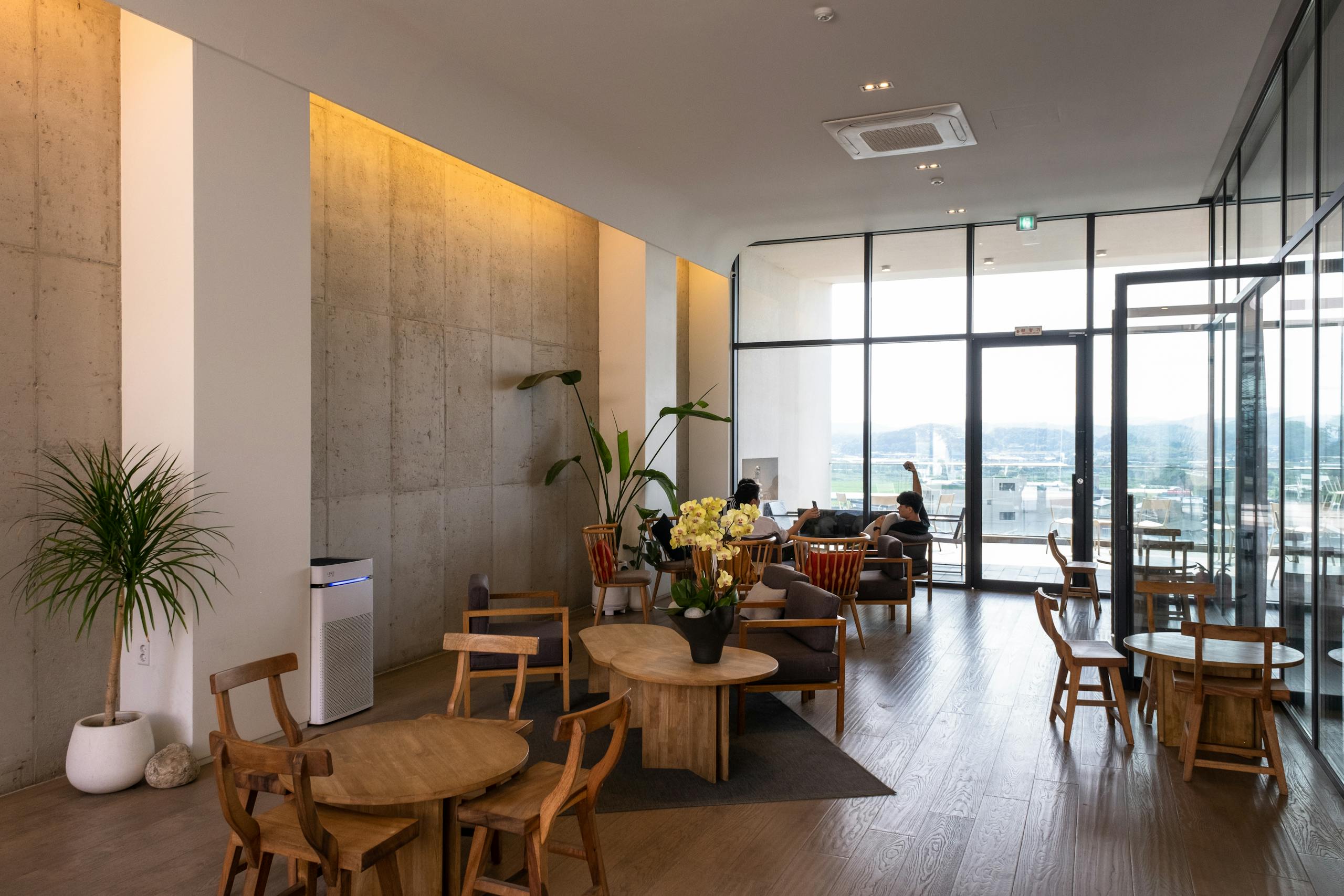
Post-funeral gatherings compound the challenge. Well-meaning people want to share memories, offer comfort, ensure you’re not alone. These intentions come from genuine care. Yet for someone desperately needing solitude to begin processing, this prolonged social expectation feels suffocating. You can’t excuse yourself without seeming rude or ungrateful.
Digital condolences create additional burdens. Text messages. Social media comments. Phone calls checking how you’re doing. Each requires response energy. Each interrupts whatever small pocket of recovery time you’ve carved out. The modern expectation of constant availability makes genuine withdrawal nearly impossible.
Professional Strategies That Actually Work
Setting clear boundaries before attending helps manage expectations. Decide in advance how long you’ll stay. Which portions feel essential versus optional. Whether you’ll attend the reception or excuse yourself after the ceremony. Having these decisions made reduces in-the-moment pressure.
Identify a safe person to attend with you. Someone who understands your needs and can help facilitate exits. During one particularly overwhelming memorial service, my wife and I developed hand signals. When I squeezed her hand twice, she knew I needed an escape route within ten minutes. This simple system eliminated the anxiety of feeling trapped.
According to bereavement specialists at Grief.com, the five stages don’t follow a linear timeline. You may flip between stages, experiencing one then returning to another. Depression after loss represents the appropriate response to significant loss, not a mental illness requiring fixing. Recognizing this helps legitimize your need for solitude during mourning.
Physical positioning matters. Sit near exits for quick access to fresh air. Position yourself at the edges of gathering spaces rather than in the center. Choose seats allowing you to observe rather than being constantly observed. Small environmental choices significantly impact your ability to cope.
When managing teams through loss, I apply these same principles. Not everyone grieves publicly. Some people need time away from the office. Others prefer diving into work. Creating space for different mourning styles demonstrates actual support rather than performative sympathy.
Setting Boundaries Without Guilt
Explaining your needs doesn’t require justification. “I need some quiet time to process” stands as a complete sentence. People who care about you will respect this. Those who don’t understand your boundaries may not be considering your wellbeing anyway.

Consider writing a brief statement for close family members before the funeral. Explain that you’re grieving differently, not less. That you need recovery time between social interactions. That your absence from certain activities reflects self-care, not disrespect. This preemptive communication prevents misunderstandings when you need to step away.
Limit your availability after the service. Turn off your phone. Let calls go to voicemail. Respond to messages in batches when you have energy. Constant accessibility fragments your recovery process. Protecting your time isn’t selfish during bereavement.
Some people will judge your approach. They’ll interpret your boundaries as coldness or insufficient grief. Their opinions reflect their own relationship with loss, not an accurate assessment of your feelings. Give yourself permission to disappoint people who prioritize social performance over genuine mourning.
After experiencing judgment at several funerals early in my career, I stopped explaining myself. When someone questions why I left early or didn’t attend the reception, I simply say, “I needed to take care of myself.” Most people respect that. Those who don’t are revealing their own limitations, not yours.
If you’re supporting someone struggling with depression and introversion, recognize that funeral attendance may intensify their symptoms. The combination of grief, social demands, and energy depletion can trigger or worsen depressive episodes. Professional support becomes especially important during this vulnerable period.
Alternative Ways to Honor the Deceased
Funeral attendance isn’t the only way to show respect. Private visits to the gravesite later allow solitary reflection without performance pressure. Writing a letter to the deceased provides processing space without audience. Creating a personal ritual at home honors the relationship in ways that feel authentic.
Digital memorial contributions offer meaningful participation without physical attendance. Donate to a cause important to the deceased. Share memories through written tributes. Create photo compilations or playlists. These actions demonstrate love and respect through channels aligned with your energy patterns.
One-on-one conversations with close family members often provide more genuine connection than large gatherings. Schedule individual phone calls or visits with people who knew the deceased well. These intimate exchanges allow deeper sharing than superficial reception line conversations.
When we lost a valued partner at our agency, several team members created a shared online document where people could contribute memories, stories, and reflections. This asynchronous approach allowed everyone to participate according to their own timeline and comfort level. Those who process internally found this method far more meaningful than standing in a receiving line.

Delayed memorials offer another option. Some families hold intimate funeral services immediately, then schedule larger celebrations of life weeks or months later. This approach gives those struggling with immediate attendance pressure time to recover while still participating in collective remembrance.
Consider how you genuinely connected with the person who died. If you shared quiet coffee conversations, replicate that experience alone. If you walked trails together, take a solitary hike in their memory. Authentic tribute mirrors the actual relationship rather than performing grief someone else’s way.
Recognizing When Professional Help Matters
Prolonged difficulty functioning after loss may signal complicated grief requiring professional support. If you’re unable to return to basic activities weeks after a death, struggling with intense emotions that don’t ease over time, or experiencing thoughts of self-harm, reaching out to a therapist becomes essential.
Individuals dealing with bipolar management challenges may find funeral attendance particularly triggering. The emotional intensity, sleep disruption from travel or extended events, and social stress can destabilize mood regulation. Working with mental health professionals to create a funeral attendance plan protects your wellbeing.
Those experiencing depression after job loss face compounded vulnerability when dealing with bereavement. Multiple losses simultaneously deplete resources needed for coping. Professional guidance helps navigate these overlapping challenges without overwhelming your capacity.
Online grief support groups provide community without the exhaustion of in-person gatherings. You can participate when energy allows, share as much or little as feels comfortable, and connect with others who understand your experience. This format accommodates introverted processing needs while reducing isolation.
After supporting numerous colleagues through loss over two decades, I’ve learned that effective grief support looks different for different people. Some need physical presence. Others prefer space with occasional check-ins. The best support asks what people need rather than assuming a one-size-fits-all approach.
Long-Term Recovery and Ongoing Remembrance
Initial funeral anxiety often fades, but grief itself continues long after services end. Building sustainable practices for ongoing remembrance prevents the exhaustion of repeated public mourning expectations. Annual private rituals on significant dates honor the deceased without social performance.
Many people find that depression recovery after loss involves accepting that grief changes rather than disappears. You integrate the loss into your life story rather than trying to return to who you were before. This process happens primarily in quiet reflection, not public display.
Creating personal memorial traditions provides ongoing connection without audience. Lighting a candle on birthdays. Visiting meaningful locations during anniversaries. Maintaining practices or hobbies you shared. These private acts of remembrance often feel more authentic than anniversary services or public commemorations.
Understanding depression relapse prevention becomes especially important around significant dates. Anniversary reactions can trigger depressive episodes even years after a loss. Recognizing this pattern allows you to plan extra self-care during vulnerable periods.
As someone who’s navigated loss multiple times throughout my career, I’ve developed a personal practice of writing letters I never send. When someone significant dies, I write to them over several months. This practice creates space for processing without requiring others to witness or validate my grief. It’s become my most meaningful way to honor what we shared.
Moving Forward With Your Needs Intact
Funeral attendance as an introvert requires balancing genuine respect for the deceased with legitimate self-care needs. These priorities aren’t mutually exclusive. Loving someone deeply doesn’t obligate you to mourn in ways that harm your wellbeing.
Your grief deserves the same respect as anyone else’s, even if it looks different. Mourning privately isn’t mourning less. Needing solitude doesn’t indicate insufficient love. Processing internally rather than publicly doesn’t diminish the relationship’s significance.
Give yourself permission to honor both the person you’ve lost and your own neurological reality. Attend what you can attend. Skip what depletes you beyond recovery. Create alternative tributes that feel authentic. Trust that people who truly knew the deceased will recognize your grief regardless of public performance.
The most meaningful memorial you can offer is living according to your authentic nature rather than society’s expectations. That lesson took me years to learn, but it’s transformed how I navigate loss. When I stopped forcing myself into extroverted mourning patterns, I finally had energy to actually grieve.
Frequently Asked Questions
Is it disrespectful for introverts to skip funeral receptions?
Skipping receptions isn’t disrespectful when you’ve genuinely honored the deceased through attendance at the service or alternative tribute. Protecting your mental health allows you to process grief authentically rather than performing for others. Most people understand when you explain your need for recovery time after the ceremony.
How can introverts explain their need for solitude during bereavement?
Direct communication works best. Explain that you process emotions privately and need quiet time to honor your feelings. Most caring people respect this once they understand it reflects your genuine mourning process, not avoidance. Share that solitude helps you connect with the loss more deeply than public gatherings.
What are signs funeral attendance is affecting an introvert’s mental health?
Warning signs include extended exhaustion lasting days after the service, inability to return to normal activities, persistent anxiety about similar future events, withdrawal beyond typical introversion, or intensifying depression symptoms. If these persist beyond two weeks, professional support becomes important for processing both grief and the trauma of overwhelming social demands.
Can introverts honor deceased loved ones without attending funerals?
Absolutely. Private cemetery visits, written tributes, memorial donations, personal rituals at home, or one-on-one conversations with close family all demonstrate respect and love. Authentic remembrance matters more than following social conventions that drain your capacity to genuinely grieve. Many people find these alternatives more meaningful than traditional services.
How long should introverts expect to feel drained after funeral attendance?
Recovery time varies based on the event’s length, your relationship with the deceased, and your current stress levels. Many introverts need one to three days of minimal social interaction after major funeral events. This represents normal recovery, not weakness. Plan accordingly by clearing your schedule and protecting time for restoration activities.
Explore more Depression & Low Mood resources in our complete hub.
About the Author
Keith Lacy is an introvert who’s learned to embrace his true self later in life. With a background in marketing and a successful career in media and advertising, Keith has worked with some of the world’s biggest brands. As a senior leader in the industry, he has built a wealth of knowledge in marketing strategy. Now, he’s on a mission to educate both introverts and extroverts about the power of introversion and how understanding this personality trait can unlock new levels of productivity, self-awareness, and success.