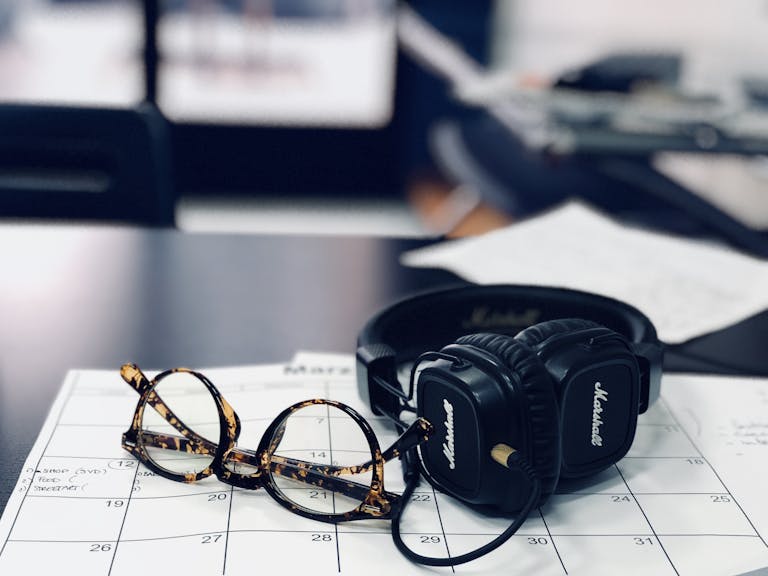

My colleague arrived fifteen minutes early to every meeting. She’d sit in the conference room corner, headphones in, eyes closed. Our manager once joked she was “antisocial.” I knew better. After twenty years managing teams, I’d learned to recognize energy conservation when I saw it.
Those quiet moments before chaos weren’t avoidance. They were preparation. She was gathering the mental resources needed to contribute meaningfully once the room filled with voices. That’s when I started paying closer attention to the small behaviors others dismissed as odd.
Many introvert habits look strange from the outside. People cancel plans last minute. They vanish during social events. They choose stairs over elevators, even when tired. Research published in PMC examining introversion and solitude shows that individuals with an introverted personality prefer solitude and choose behaviors that help them manage stimulation, not because something is wrong with them.
These patterns serve specific functions. Recognizing them removes the “weird” label and reveals intentional choices designed to protect well-being.
The “Early Arrival, Early Exit” Pattern
You show up first. You leave before it’s over. This confuses people who think engagement equals endurance.
What’s your personality type?
Take our free 40-question assessment and get a detailed personality profile with dimension breakdowns, context analysis, and personalised insights.
Discover Your Type8-12 minutes · 40 questions · Free
One client project revealed this perfectly. Our team planned a celebration dinner after landing a major account. My best project manager arrived at 6:00 PM sharp, fully engaged in conversation, laughing at jokes. By 7:30 PM, she politely excused herself. The team assumed she didn’t care about the win.
Truth: she’d planned exactly ninety minutes of social energy for the evening. Arriving early meant catching people when they’re fresh. Leaving before exhaustion meant she could participate fully during her window. Quality over duration.

This habit protects your best contribution. When you know you have two hours before your battery drains, spending those hours meaningfully beats forcing yourself to endure four hours of diminishing returns.
Strategic Bathroom Breaks During Events
Five-minute disappearances during parties aren’t digestive issues. They’re pressure release valves that introverts use instinctively.
Bathrooms offer the only socially acceptable escape from continuous interaction. No one questions a bathroom visit. No one follows you. According to Carl Jung’s original framework on introversion and extraversion, those with an inward orientation need periodic breaks from external stimulation to maintain equilibrium.
During my agency years, I watched countless professionals use this technique. The bathroom became a decompression chamber where you could drop the social mask for three minutes, breathe deeply, and return refreshed.
Some people call this avoidance. Psychology calls it self-regulation. Your nervous system requires recovery intervals. Finding ways to create those intervals maintains your social obligations and demonstrates sophistication, not weakness.
The Headphone Shield in Public Spaces
Wearing headphones with nothing playing seems pointless until you grasp what they signal. This is a classic introvert strategy.
This habit creates a boundary wordlessly. When you’re processing information, managing sensory input, or simply need to exist in public without fielding interactions, headphones communicate “occupied.” A PLOS ONE study on personality and solitude links choosing secluded behavioral strategies in public settings with lower extraversion, showing these are adaptive choices, not social deficits.
I started using this technique on business flights. The moment I’d sit down, headphones on, even if I planned to work in silence. It reduced unwanted conversation by ninety percent. Those who needed to speak to me still could. Those looking for casual chat moved on.

The silence wasn’t rude. It was efficient. You preserved energy for work that mattered instead of burning it on small talk you’d forget within hours. Many introverts master this technique early in their careers.
Preferring Text Over Phone Calls
This drives some people crazy. “Just call me!” they say. You don’t. This introvert preference has solid reasoning behind it.
Phone calls demand immediate response to verbal and emotional cues simultaneously. Psychology Today notes that different personality types process information at different paces, with some requiring time to formulate thoughtful responses compared to generating reactions in real-time.
Text-based communication lets you think before responding. You can review what you want to say. You can ensure clarity. You avoid the cognitive load of reading tone, managing silences, and performing social scripts as you exchange information.
When managing remote teams, I noticed my strongest performers preferred asynchronous communication. They’d send detailed messages that anticipated questions and provided complete context. Their phone-loving peers sent quick messages that spawned endless follow-up calls.
Guess which approach prevented miscommunication? The written record won every time. Phone aversion has legitimate foundations beyond personal preference. For introverts, this communication method simply works better.
Canceling Plans You Initially Made Enthusiastically
Tuesday you’re excited. Friday you’re canceling. People think you’re flaky. This pattern confuses extroverts endlessly.
Energy is a renewable resource, but the renewal rate varies by individual. What felt manageable on Tuesday might exceed your capacity by Friday if the week consumed more energy than expected.
This introvert habit looks like inconsistency from outside. Inside, it’s accurate self-assessment. You’re recognizing that showing up depleted helps no one. Your friend deserves better than a zombie version of you counting minutes until escape.

The solution isn’t becoming more reliable. It’s becoming more honest about capacity upfront. “I might need to cancel closer to the date” sets expectations. Your real friends will get it. Those who don’t were never your people anyway.
Sitting in Corners or Against Walls
You scan every room for the best seat. Best doesn’t mean closest to the action. It means protected. This introvert instinct runs deep.
Jung defined the inward-oriented attitude as characterized by a reflective, retiring nature that keeps to itself, which extends to physical positioning in spaces. Corner seats and wall-backed chairs reduce the 360-degree vigilance required in exposed positions.
One Fortune 500 client held quarterly reviews in a massive conference room. I’d arrive early specifically to claim the corner seat near the door. My team joked about my “escape route obsession.” They weren’t wrong. Knowing I could leave easily reduced the low-level anxiety that made it harder to focus.
This positioning isn’t paranoia. It’s sensory management. With your back protected, you eliminate one direction of potential approach. Your nervous system can relax slightly. That slight reduction in baseline activation preserves cognitive resources for the actual meeting content.
Spatial awareness drives more decisions than people realize for introverts. Recognizing how environment affects your functioning separates those who struggle from those who adapt strategically.
Needing Decompression Time After Social Events
The party ends. Everyone wants to grab drinks. You want to go home immediately. This introvert need is non-negotiable.
This confuses people who gain energy from social interaction. They can’t fathom why you’d skip the “best part” of the evening. What they don’t see: you’ve been performing for three hours. The mask is exhausting for any introvert.
Decompression isn’t optional. It’s maintenance. A study published in the Journal of Personality using experience sampling methods found that state-level behaviors can differ from trait-level personality, meaning you can act engaged during an event and still require substantial recovery afterward.
My recovery ritual after major client presentations became sacred: thirty minutes of complete silence in my car before driving home. No music. No phone. Just breathing and letting my system reset. Colleagues thought I was “processing the meeting.” I was processing the people.
Skipping this recovery creates deficit spending with your energy. Tomorrow’s tasks get funded by reserves you don’t have. Protecting recovery time prevents that cascade. Every introvert learns this lesson eventually.
Rehearsing Conversations Before They Happen
You script responses to questions no one has asked yet. You imagine entire dialogues. This feels excessive until you notice how much smoother your actual conversations go. It’s a typical introvert preparation technique.
Mental rehearsal reduces real-time processing load. When someone asks the question you anticipated, your brain retrieves a prepared response instead of generating one from scratch. This leaves more bandwidth for reading the room and adjusting to unexpected directions.

Before every major pitch, I’d spend two hours imagining objections and formulating responses. My team called it overthinking. I called it preparation. Our close rate proved me right. Those “spontaneous” answers to tough questions? All rehearsed days earlier.
Research on brain structure differences and personality shows that those with higher prefrontal cortex activity excel at planning and problem-solving, suggesting mental rehearsal aligns with natural cognitive strengths common among introverts.
Some people wing it. Others prepare. Neither approach is superior, but pretending preparation is weird dismisses a legitimate strategy for managing complexity. Introverts know this preparation pays off.
Avoiding Eye Contact During Deep Conversations
You’re sharing something meaningful. Your gaze drifts to the table, the wall, anywhere but their face. Many introverts experience this.
Eye contact demands processing power. When you’re formulating complex thoughts or accessing difficult emotions, maintaining visual connection diverts resources from the content you’re trying to express.
I noticed this pattern in therapy sessions with executive coaching clients. The deeper the topic, the more their eyes wandered. Less experienced therapists flagged this as avoidance. I recognized it as focus. They were concentrating on the internal work, not the social performance.
Breaking eye contact doesn’t signal disengagement. In many cases, it signals the opposite: you’re so engaged with the topic that maintaining social niceties becomes secondary. The conversation matters more than the choreography. Introverts grasp this intuitively.
Cultural conditioning teaches us that eye contact equals honesty and attention. Neuroscience tells a different story. Sometimes looking away helps you see more clearly. Recognizing this distinction prevents misinterpretation of genuine engagement.
Preferring Written Communication for Important Topics
Face-to-face feels more “personal.” You still choose email for topics that matter. This introvert communication preference has clear advantages.
Writing creates precision. You can revise until your meaning is exact. You eliminate the ambiguity that comes from tone mismatches, interrupted thoughts, and the pressure to respond before you’ve fully processed the question.
Email also creates records. When clarity matters, documentation matters. Verbal agreements morph in memory. Written ones stay fixed. This isn’t distrust. It’s accuracy that introverts value.
Leading global teams taught me that cultural differences in communication styles multiply opportunities for miscommunication. What sounds direct in one culture sounds aggressive in another. Written communication allowed time for cultural translation before sending, preventing conflicts that spontaneous speech would have triggered.
Jung’s framework suggests those with an inward orientation naturally gravitate toward reflection over immediate reaction, making written communication a strength instead of a limitation. Introverts can leverage this advantage.
Needing Complete Silence to Think Clearly
Background noise derails your concentration. Others thrive on coffee shop buzz. You need near-silence for complex work. This introvert requirement is biological.
Sensory filtering capacity varies by person. Some brains can partition auditory input, relegating background noise to unconscious processing. Others lack this filter. Every sound demands attention, fragmenting focus across multiple inputs. Introverts typically fall into the latter category.
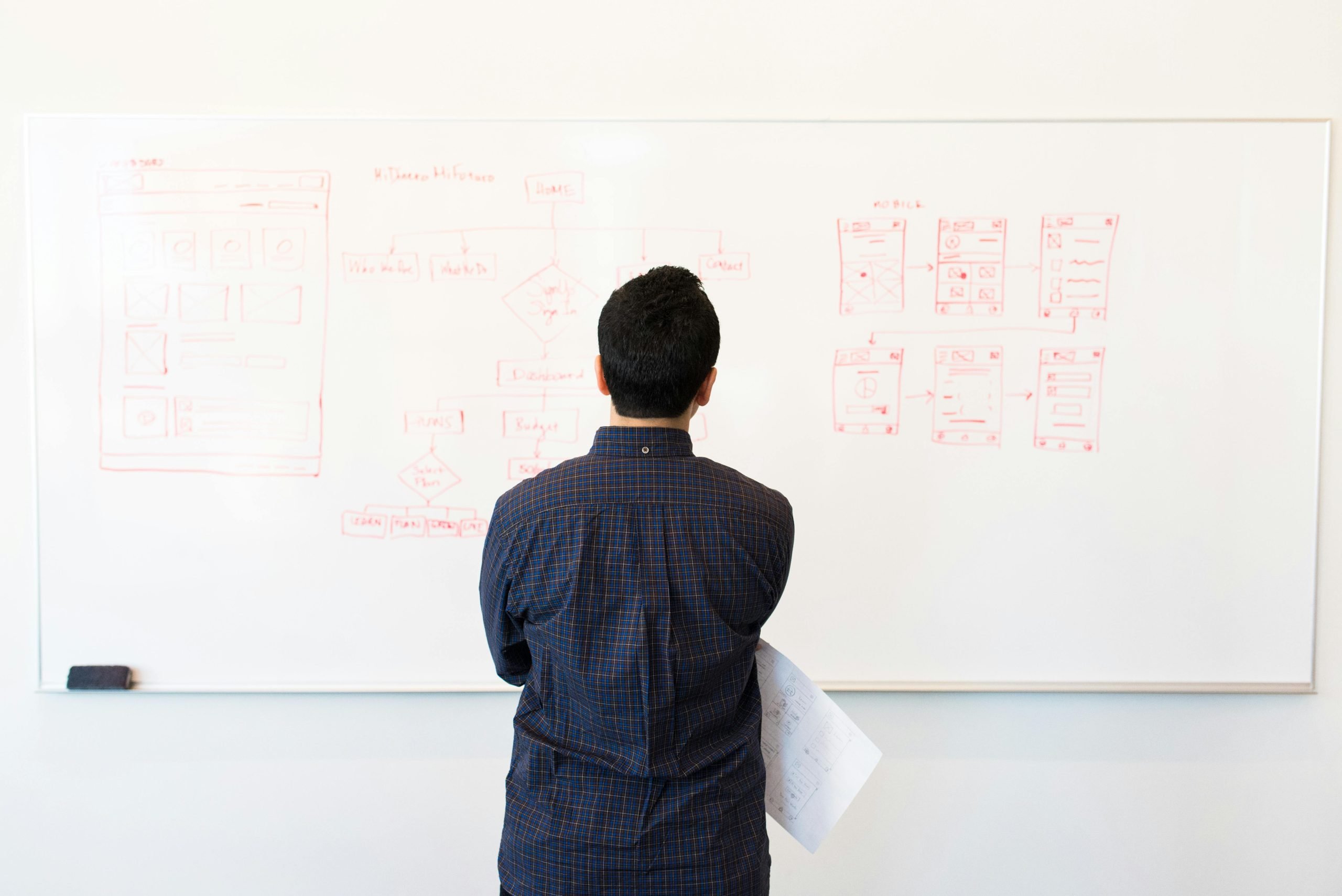
Open office plans destroyed productivity for half my team. The “collaborative” environment that energized some employees drained others. Those who needed silence started arriving at 6:00 AM or staying until 8:00 PM, working when the office finally quieted.
This wasn’t antisocial behavior. It was survival. When your brain processes ambient conversation as foreground data, working in silence becomes necessary for quality output. Recognizing your environmental needs prevents unnecessary struggle for introverts.
Some people work anywhere. Some require specific conditions. Neither is better. Pretending environment doesn’t matter ignores how brains actually function. Introverts know their brains need quiet.
The Social Energy Budget
These habits share a common thread: energy management. Each one protects limited resources by reducing unnecessary depletion or creating recovery opportunities for introverts.
People who recharge easily from social interaction don’t comprehend scarcity. They can’t fathom why you’d “waste” an opportunity to connect or why you’d choose solitude over community. Their tanks refill automatically. Yours require deliberate replenishment.
Different operating systems require different maintenance protocols. A diesel engine and a gas engine each work, but filling a diesel tank with gasoline destroys the engine. You’re running different fuel. Stop apologizing for your fuel type as an introvert.
After decades of working with diverse personality types, I’ve seen the cost of ignoring these differences. Teams that honor varied working styles outperform teams that demand conformity. Individuals who accept their natural patterns thrive, whereas introverts trying to fight their wiring can lead to burnout.
Why “Weird” Matters Less Than “Functional”
Society values behaviors that look like engagement, connection, and enthusiasm. Quiet preparation doesn’t photograph well. Strategic exit strategies seem unfriendly. Preferring text over voice sounds cold to non-introverts.
These judgments ignore outcomes. Does the behavior work? Does it let you show up as your best self? Does it prevent burnout and maintain relationships long-term for you as an introvert?
Function beats aesthetics. Someone who cancels plans to avoid showing up depleted maintains better friendships than someone who forces attendance and acts miserable. Someone who leaves parties early energized creates better impressions than someone who stays too long and wilts visibly.
Your habits might look odd to those who operate differently. They look sustainable to anyone paying attention to results. Sustainability wins over appearance every time, especially for introverts managing energy.
Building Systems Instead of Fighting Nature
Each habit represents a system for managing reality. You can fight your natural patterns and exhaust yourself, or you can design systems that work with your wiring as an introvert.
Strategic bathroom breaks aren’t weird. They’re engineered recovery intervals. Early exits aren’t rude. They’re capacity acknowledgment. Corner seats aren’t antisocial. They’re sensory optimization for introverts.
The most successful people I’ve worked with, regardless of personality type, shared one trait: they designed their lives around their actual needs instead of aspirational ideals. Those who stayed true to their natural operating system built careers and relationships that lasted. Those who forced themselves into molds designed for different brains burned bright and burned out.
Your habits aren’t character flaws requiring correction. They’re data about how you function best. Use them. Build on them. Stop apologizing for systems that work as an introvert.
The Permission You Don’t Need But Might Want Anyway
You don’t need permission to manage your energy effectively. You don’t need approval to honor your limits. You don’t need consensus to choose strategies that prevent depletion as an introvert.
But cultural pressure runs deep. You’ve probably spent years wondering if something was wrong with you. Watching others thrive in situations that drain you. Forcing yourself to perform because “normal” people don’t need breaks, don’t cancel plans, don’t prefer silence. Many introverts share this experience.
Consider what two decades of leadership taught me: normal is overrated. Effective is priceless. The habits that seem weird to others become competitive advantages when you stop apologizing and start optimizing. This applies to all introverts.
Those strategic exits? You leave remembered as engaged and energetic. Those text preferences? Your communication is clearer and better documented. That silence requirement? Your work quality exceeds those who half-focus in noise. Introverts can excel by honoring these needs.
Stop fighting to look like everyone else. Start building systems that let you be your best self. The world needs your contribution more than it needs your performance of someone else’s normal. Every introvert deserves to thrive on their own terms.
Explore more introvert life resources in our complete General Introvert Life Hub.
About the Author
Keith Lacy is an introvert who’s learned to embrace his true self later in life. With a background in marketing and a successful career in media and advertising, Keith has worked with some of the world’s biggest brands. As a senior leader in the industry, he has built a wealth of knowledge in marketing strategy. Now, he’s on a mission to educate both introverts and extroverts about the power of introversion and how recognizing this personality trait can reveal new levels of productivity, self-awareness, and success.