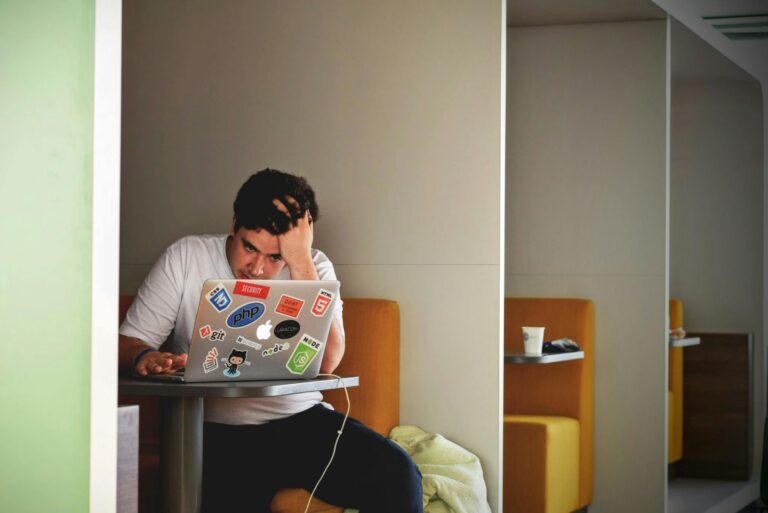

My calendar showed three meetings, a team lunch, and an evening networking event. By 4 PM, my vision started blurring at the edges. Words came slower. Someone asked me a simple question about quarterly targets, and my mind went completely blank.
What I experienced wasn’t just typical tiredness. An introvert hangover had taken hold, leaving me physically and mentally depleted in ways that felt alarming at the time. Years of leading agency teams taught me to recognize these symptoms early, though grasping what was happening took much longer.
Social exhaustion affects people across the personality spectrum, yet certain patterns emerge consistently for those who draw energy from solitude. These symptoms aren’t signs of weakness or antisocial tendencies. They’re biological responses to overstimulation that deserve recognition and appropriate management.
Physical Symptoms That Signal Overwhelm
The body provides clear signals when social energy reserves run low. Headaches typically appear first, starting as mild pressure behind the eyes before escalating into full migraine attacks. Muscle tension concentrates in shoulders and neck, creating discomfort that intensifies as conversations continue.
What’s your personality type?
Take our free 40-question assessment and get a detailed personality profile with dimension breakdowns, context analysis, and personalised insights.
Discover Your Type8-12 minutes · 40 questions · Free
Stomach upset represents another common response. Research shows that prolonged social interaction can trigger gastrointestinal distress in sensitive individuals. The connection between social stress and physical symptoms isn’t coincidental, when cortisol and adrenaline flood your system, your digestive processes slow dramatically.

During one particularly demanding conference season, I developed what I thought was chronic fatigue. Medical tests revealed nothing unusual. My doctor suggested examining my schedule instead. Three back-to-back conferences in different cities, each requiring constant networking and presentations, had pushed my nervous system into constant fight-or-flight mode.
Dizziness and lightheadedness accompany severe cases of social depletion. Some individuals report trembling hands, rapid heartbeat, or difficulty catching their breath. These aren’t panic attacks in the clinical sense, though they can feel equally distressing. They’re signs that your sympathetic nervous system has been activated too long lacking sufficient recovery time.
Why Your Body Reacts This Way
Grasping the neuroscience behind these physical responses helps remove the stigma. A Cornell University study examining brain chemistry found that individuals process dopamine differently based on personality type. Individuals with introvert neurochemistry and heightened dopamine sensitivity experience overstimulation more readily in high-energy social environments.
Your prefrontal cortex, the region responsible for decision-making and self-regulation, works overtime during social interaction. Every conversation requires processing facial expressions, tone of voice, body language, and verbal content simultaneously. For those wired for depth, this cognitive load depletes glucose reserves in your brain, leading to the foggy thinking and mental fatigue that characterize social exhaustion.
Cognitive Effects of Social Depletion
Mental clarity vanishes when social batteries drain too low. Simple decisions become overwhelming, choosing what to eat for dinner feels impossible when your cognitive resources are depleted. You might find yourself staring at a restaurant menu for five minutes, unable to make a choice that would normally take seconds.
Working memory suffers significantly. You’ll forget where you placed your keys moments ago or struggle to recall names of colleagues you’ve known for years. One afternoon following an all-day strategy session, I couldn’t remember my own phone number when asked to provide it for a delivery. The information existed somewhere in my brain, but accessing it felt like peering into dense fog.

Processing speed slows noticeably. Conversations that usually flow naturally become labored. You pause longer between sentences, searching for words that should come easily. Speech might become slightly slurred or words mispronounced, not from alcohol consumption but from cognitive fatigue.
Decision fatigue compounds existing mental exhaustion. After making countless small decisions throughout a social event, when to speak, how to respond, which topics to pursue, your brain simply runs out of processing capacity. Research indicates this phenomenon affects everyone eventually, though those who process information more deeply reach this point more quickly.
The Slower Response Pattern
Information travels longer neural pathways in some individuals, engaging more regions of the brain before producing responses. This isn’t a deficiency, it allows for more thorough analysis and consideration. This also means greater energy expenditure per social interaction.
Managing teams with varying personality types taught me to recognize when someone needed processing time versus when they were experiencing genuine cognitive overload. The latter shows up as confusion, repeated questions about information just discussed, or complete withdrawal from conversation.
Emotional Symptoms and Mood Changes
Irritability often emerges before conscious awareness of depletion. Small annoyances that normally wouldn’t register, someone chewing loudly, background music, overlapping conversations, become intensely aggravating. You might snap at loved ones over minor issues or feel disproportionately angry about trivial matters.
Anxiety intensifies as social reserves diminish. Worries about how others perceive you multiply. Self-consciousness spikes. You might obsessively replay recent conversations, analyzing every word for potential mistakes or misunderstandings. This anxious thought spiral feeds on depleted mental resources, creating a cycle that’s difficult to break absent adequate rest.
Emotional flatness can replace normal affective range. You feel detached from experiences that should generate enthusiasm or joy. A study published in Psychologies found that stress hormones remaining elevated after social events can dampen emotional responsiveness for hours or even days afterward.

Depression symptoms may surface following particularly intense social periods. This doesn’t necessarily indicate clinical depression, though prolonged social exhaustion lacking adequate recovery can contribute to mood disorders. One client engagement required me to facilitate workshops for three consecutive weeks. By the end, I experienced what felt like mild depression, loss of interest in activities I normally enjoyed, difficulty feeling pleasure, general hopelessness about the future.
The emotional component proves most distressing because it affects relationships. Friends and family may interpret withdrawal or irritability as personal rejection when it’s actually a symptom of nervous system depletion requiring time to recharge.
Behavioral Changes and Warning Signs
Observable behavior shifts provide external indicators of approaching or current social exhaustion. Canceling plans that you genuinely wanted to attend signals depleted reserves. You might accept invitations enthusiastically when extended, only to feel mounting dread as the date approaches.
Withdrawal from communication becomes pronounced. Text messages go unanswered for days. Phone calls feel impossible to manage. Even brief exchanges with neighbors or coworkers drain whatever energy remains. This isn’t rudeness or disinterest, it’s self-preservation.
Performance declines across multiple areas. Work quality suffers when cognitive resources are depleted. Creative problem-solving becomes nearly impossible. Tasks that normally take minutes stretch into hours because focus keeps fracturing.
Sleep patterns typically shift dramatically. Some people sleep excessively, their bodies demanding recovery time. Others experience insomnia despite exhaustion, their nervous systems too activated to settle properly. I’ve experienced both extremes, sleeping 12 hours straight after major social events, or lying awake all night despite bone-deep fatigue.
The Delayed Response Phenomenon
Symptoms don’t always appear immediately. You might feel energized during a social event, even enjoying yourself, only to crash hard 24 hours later. This delayed exhaustion pattern catches many people off guard, making it harder to connect current depletion with past social activity.
The lag time reflects how your body processes accumulated stress. Adrenaline and cortisol can maintain elevated energy during events, masking underlying fatigue. Once those hormones metabolize, the full extent of depletion becomes apparent.

Recovery Strategies That Actually Work
Solitude provides the most effective recovery mechanism for social depletion. This doesn’t mean isolation, it means time free from the demands of social interaction. Reading, walking alone, or simply sitting quietly allows your nervous system to downregulate.
During recovery periods, minimize additional stimulation. Turn off notifications. Avoid scrolling social media. Skip the news. Your brain needs genuine rest, not just a different type of stimulation. One executive I coached created what she called “recovery pods”, 90-minute blocks of completely unstructured, unstimulating time following demanding social periods.
Physical movement helps complete the stress response cycle. Light exercise like walking or gentle yoga signals your body that the perceived threat (social overstimulation) has passed. Intense workouts can actually increase stress hormones, so moderate activity works best during acute recovery phases.
Journaling offers immediate relief and long-term insight. Research published in JMIR Mental Health found that regular journaling reduced anxiety and depressive symptoms over time. Writing about your experience helps process the emotional residue of social interaction.
Establishing clear boundaries prevents severe depletion. Learning to decline invitations, limiting event duration, or building buffer time between social commitments all reduce the likelihood of reaching crisis levels of exhaustion.
Creating Sustainable Social Patterns
Prevention proves more effective than treatment. Schedule recovery time immediately following known draining events. If you attend a conference Tuesday through Thursday, block Friday and Saturday for minimal social interaction. This isn’t optional self-care, it’s essential maintenance.
Identify your specific triggers. Large crowds might deplete you faster than intimate gatherings. Networking events could drain you more than project meetings. Understanding your particular pattern allows strategic energy management. My own trigger analysis revealed that events requiring constant small talk exhausted me far more than deep discussions with smaller groups, even when the latter lasted longer.
Build micro-recovery moments into social events themselves. Step outside briefly. Take a bathroom break even when you don’t need one. These small pauses allow your nervous system brief respite, extending how long you can comfortably participate.

When Professional Help Becomes Necessary
Most social exhaustion resolves with adequate rest and boundary adjustments. Yet certain patterns warrant professional consultation. If symptoms persist beyond several days of reduced social contact, or if they intensify despite implementing recovery strategies, speak with a mental health professional.
Chronic social exhaustion can sometimes mask underlying conditions like social anxiety disorder, generalized anxiety, or depression. These conditions require different interventions than simple rest. A therapist can help distinguish between personality-based energy management needs and clinical conditions requiring treatment.
Physical symptoms that don’t resolve with rest deserve medical evaluation. Persistent headaches, ongoing digestive issues, or chronic fatigue might indicate health problems unrelated to social depletion. One acquaintance attributed her exhaustion to personality factors when it actually stemmed from an autoimmune condition.
Cognitive behavioral therapy helps many people develop more effective coping strategies. A therapist can guide you in challenging thought patterns that intensify social anxiety, teaching techniques for managing both the physical and emotional aspects of social exhaustion.
Embracing Self-Knowledge Without Limitation
Recognizing these symptoms serves as self-knowledge, not justification for avoiding all social interaction. Connection remains essential for wellbeing. The goal isn’t isolation but sustainable engagement that respects your neurological realities.
Your particular pattern of social energy isn’t a flaw requiring correction. It’s data about how your nervous system operates. Working with these tendencies yields better outcomes than fighting against them. Two decades of attempting to match extroverted leadership styles taught me this lesson the hard way.
Different environments drain energy at different rates. Recognizing your specific sensitivities allows strategic choices about when and how to engage socially. You might function well in small groups but struggle in large gatherings. Or perhaps brief but frequent interactions work better than extended but infrequent ones.
Building a life that honors these needs doesn’t mean missing out. It means participating in ways that leave you energized instead of depleted. Balancing solitude and connection becomes possible once you understand your own patterns and symptoms.
The crash after social overstimulation feels alarming when you don’t recognize it for what it is. Armed with knowledge about symptoms and recovery strategies, you can manage social demands successfully sacrificing wellbeing. Your energy management needs aren’t limitations, they’re specifications for optimal functioning.
Frequently Asked Questions
How long does an introvert hangover typically last?
Recovery time varies based on severity and individual factors. Minor social fatigue might resolve within a few hours of quiet rest. Moderate exhaustion typically requires a full day or weekend of minimal interaction. Severe depletion can take several days to a week for complete recovery. The duration also depends on how quickly you recognize symptoms and begin implementing recovery strategies.
Can extroverts experience social hangovers too?
Yes, anyone can experience social exhaustion given sufficient duration or intensity, though introverts reach this threshold more quickly of interaction. Research shows everyone eventually reaches a point where additional socialization becomes draining. However, those who require more external stimulation typically reach this threshold later and recover more quickly than individuals who process stimulation more intensely.
What’s the difference between social anxiety and an introvert hangover?
Social anxiety involves persistent fear of judgment or negative evaluation in social situations, often accompanied by avoidance behaviors. An introvert hangover is physiological and cognitive exhaustion resulting from social overstimulation, occurring after the event, not during it. Someone can experience these conditions simultaneously, but they stem from different mechanisms and require different management approaches.
Is it possible to prevent social hangovers entirely?
Complete prevention isn’t always possible, particularly when professional or family obligations require extended social engagement. However, you can significantly reduce frequency and severity via strategic planning, scheduling recovery time, setting clear boundaries, building breaks into social events, and declining commitments that exceed your capacity. The goal is managing energy proactively instead of recovering from depletion reactively.
Should I tell others when I’m experiencing social exhaustion?
Communicating your needs helps prevent misunderstandings. Close friends and family generally respond positively when you explain that you need recovery time after social events. For professional situations, you might frame it more generally, requesting quiet work time or declining optional social activities without detailed explanation. What matters is finding language that feels authentic while protecting your energy needs.
Explore more resources on managing energy and social interactions in our complete General Introvert Life Hub.
About the Author
Keith Lacy is someone who’s learned to embrace his true self later in life. With a background in marketing and a successful career in media and advertising, Keith has worked with some of the world’s biggest brands. As a senior leader in the industry, he has built a wealth of knowledge in marketing strategy. Now, he’s on a mission to educate people about the power of recognizing personality traits and how this knowledge can develop new levels of productivity, self-awareness, and success.