
How many times have you checked your phone during an after-work happy hour, calculating exactly when you can leave without seeming rude? If Friday team drinks feel more like a social endurance test than relaxation, you’re asking the right questions about how to protect your energy.
After eight hours of meetings, collaborative projects, and workplace conversations, your mind craves quiet. Then someone suggests hitting the bar across the street. The expectation hangs in the air: you should want to go. You should enjoy unwinding with coworkers. You should have energy left for socializing.
The reality feels different for introverts. Your social reserves are depleted, your nervous system is overstimulated, and the idea of managing small talk in a crowded bar sounds exhausting rather than appealing. This isn’t about disliking your colleagues or lacking team spirit. Your energy operates differently, and workplace happy hours tap into an already-drained resource.
The After-Work Energy Crisis
Research from personality psychology reveals why post-work socializing hits harder. A 2016 study published in the Journal of Personality found that after approximately three hours of socializing, participants reported significantly higher levels of fatigue. Surprisingly, this affected both personality types, though with different intensity levels and recovery needs.
What’s your personality type?
Take our free 40-question assessment and get a detailed personality profile with dimension breakdowns, context analysis, and personalised insights.
Discover Your Type8-12 minutes · 40 questions · Free
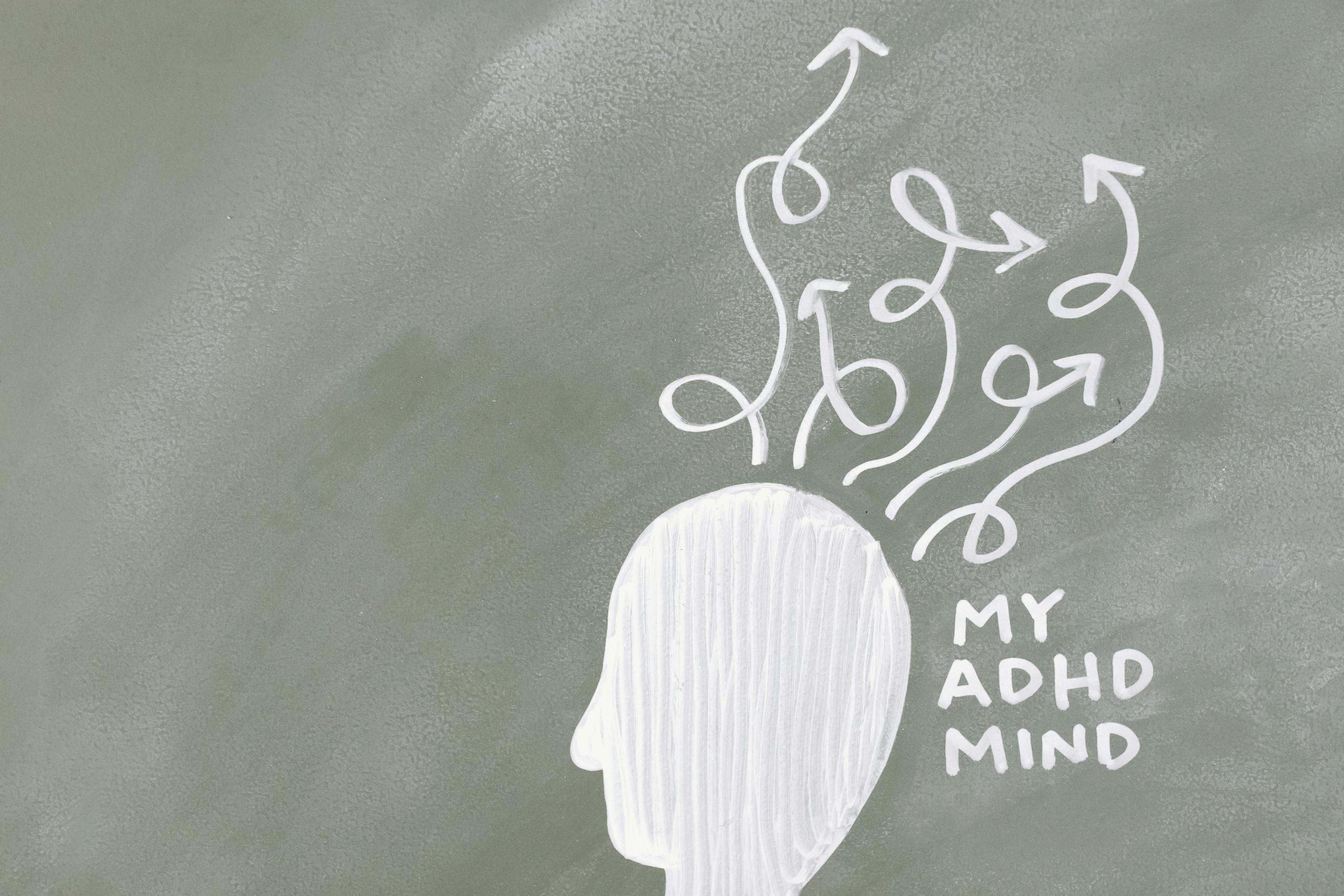
The distinction lies in how social interaction depletes your energy reserves. When you’re introverted, your brain processes stimulation differently from the start. According to Colin DeYoung, a psychology professor at the University of Minnesota who studies personality differences, those who identify as introverted have less active dopamine reward systems compared to their extroverted colleagues.
Dopamine drives reward-seeking behavior. When your coworker gets excited about networking opportunities at happy hour, their brain anticipates dopamine rewards from new connections and social engagement. For introverts, brain chemistry prioritizes different reinforcement patterns. Social situations don’t trigger the same reward anticipation, which means you’re expending energy without the neurochemical payoff that might make it feel worthwhile.
During my years managing agency teams, I watched this dynamic play out repeatedly. Extroverted staff members would stay late, energized by collaboration and brainstorming sessions. Meanwhile, I’d notice others quietly packing up, clearly depleted despite producing excellent work throughout the day. The difference wasn’t commitment or capability, it was fundamental energy economics.
Why Happy Hour Hits Harder Than It Should
The timing compounds the challenge. Happy hours typically start when your social battery is already running low. You’ve spent the day managing workplace interactions: participating in meetings, responding to interruptions, maintaining professional demeanor through countless small conversations. Each interaction draws from your limited daily reserve of social energy.
According to research on workplace energy management, people with lower stimulation thresholds need designated recovery periods after socially demanding activities. Happy hour arrives precisely when you need solitude most. Instead of recharging alone, you’re expected to continue performing socially in an even more stimulating environment than your office.
The bar environment adds layers of challenge. Loud music, overlapping conversations, crowded spaces, and unpredictable social dynamics create sensory overload. For introverts, the brain’s prefrontal cortex, already working overtime from a full day, must process additional stimuli while you try to engage in conversation and maintain appropriate social responses.
One client project taught me this lesson clearly. We’d won a significant account, and the team wanted to celebrate. I suggested a restaurant with private dining. Several team members pushed for a popular bar instead. Watching the evening unfold, I saw the pattern: extroverted members thrived in the chaos while others grew quieter as the night progressed, clearly struggling despite trying to appear engaged.
Strategic Tools for Energy Management
Surviving after-work socializing as an introvert starts with acknowledging your energy limits, not fighting them. The goal isn’t becoming someone who thrives at happy hour, it’s developing strategies that allow you to participate without complete depletion.
Pre-Event Energy Banking
Schedule quiet time before anticipated social commitments. If you know Friday drinks are expected, protect your lunch hour. Eat alone, take a walk, or find a quiet space where you can decompress. This preventive recharge extends your social capacity for the evening ahead.
I learned to block calendar time labeled “focus work” on afternoons before social events. Colleagues respected the boundary, and I arrived at evening commitments with more energy reserves. The key was treating this prep time as non-negotiable rather than something to sacrifice when other demands arose.
Time Boundaries That Actually Work
Decide your exit time before arriving. One hour is reasonable. Ninety minutes is generous. Two hours is your maximum. Commit to this limit internally, and when the time comes, leave without elaborate explanations. A simple “I need to head out” works better than detailed justifications that invite negotiation.
According to workplace psychology research, setting clear boundaries around availability preserves energy and prevents burnout. This applies to social commitments as much as work tasks. Your departure time is a boundary worth protecting.
Strategic Positioning in Space
Choose where you stand or sit carefully. Avoid the bar center where noise peaks. Position yourself near exits or quieter corners where you can engage in conversation without fighting background din. If possible, suggest outdoor seating or quieter venue areas before the group settles.

Noise-dampening technology helps more than you might expect. Quality noise-canceling earbuds in a case provide an easy excuse for brief breaks, step outside to “take a call” and experience five minutes of silence. Apps like ambient sound generators can help you transition and decompress during short absences.
Conversation Energy Conservation
Group conversations drain faster than one-on-one interactions for introverts. When possible, pull aside individual colleagues for brief conversations rather than trying to engage with the entire crowd. These focused exchanges feel more meaningful and require less energy to maintain.
Ask open-ended questions that encourage others to talk. People enjoy discussing themselves, and thoughtful questions demonstrate engagement without requiring you to generate constant content. Listen actively, respond genuinely, and let conversations flow naturally without forcing participation.
Journaling tools can help you process social interactions later, turning them into learning experiences rather than just energy drains. Reflecting on which conversations felt easier or more draining helps you identify patterns for future events.
The Boundary Conversation
Eventually, you’ll need to address the pattern with coworkers or managers. This conversation feels risky because workplace culture often equates socializing with team commitment. Frame your boundary as energy management rather than antisocial preference.
“I recharge differently than some people. After a full day of collaboration, I need quiet time to reset. I’ll join occasionally, but I can’t make every happy hour” communicates your needs without apologizing for them. Most reasonable colleagues understand once you explain the energy dynamics clearly.
During my agency years, I had this conversation with my management team. I explained that I’d attend quarterly celebrations and important milestones, but weekly drinks weren’t sustainable for me. The honesty strengthened relationships rather than damaging them. People respected the clarity and stopped taking my absence personally.
Research from Therapy Group of DC emphasizes that setting healthy boundaries is essential for managing social battery drain and maintaining psychological well-being. This isn’t optional self-care, it’s necessary energy conservation that allows you to show up effectively at work the next day.
Alternative Networking That Actually Energizes
Happy hour isn’t the only way to build workplace relationships for introverts. Suggest alternatives that suit your energy style. Coffee meetings, walking conversations, or lunch with one colleague at a time creates connection without the environmental overwhelm of crowded bars.
Organize activities with built-in structure rather than open-ended socializing. Book clubs, skill-sharing sessions, or team workshops provide conversation frameworks that reduce social pressure for introverts. When interaction has purpose beyond small talk, engagement comes easier.
I started monthly “working lunches” where small groups discussed professional development topics. The structured agenda reduced social anxiety while building genuine connections. People appreciated having conversation direction rather than forcing casual chat. This format worked better for multiple team members, not just those identifying as introverted.
If this resonates, introvert-work-lunches-social-eating-survival goes deeper.
Virtual connections count too. Low-noise productivity apps and collaboration tools allow relationship building through work projects rather than separate social events. Strong professional relationships develop through quality collaboration as much as casual socializing.
Recovery Strategies That Matter
When you do attend happy hour, plan recovery time immediately after. Psychologist N. Simay Gökbayrak notes that practicing mindfulness and scheduling alone time helps introverts manage social exhaustion more effectively. Don’t schedule commitments for the evening following happy hour. Protect that time for genuine rest.
Create a post-social ritual that signals transition. Change clothes immediately when you get home. Take a shower. Make tea. Put on noise-canceling headphones and listen to nothing. These small actions help your nervous system shift from social mode to recovery mode.

Timer apps can structure recovery periods, ensuring you take adequate downtime before jumping into other activities. Setting a specific recharge duration prevents you from pushing through fatigue or feeling guilty about needing rest.
Physical environment matters during recovery. Air purifiers and quiet technology in your home space create sensory calm that accelerates energy restoration. Think of your living environment as a recovery tool, not just a place to exist.
When to Say No Completely
Some weeks, you won’t have the capacity. Saying no is a complete sentence. You don’t owe detailed explanations about energy management or personality traits. “I can’t make it this time” is sufficient.
Track your attendance over time. Showing up to one event per month or quarter demonstrates team engagement without depleting yourself weekly. For introverts, this selective participation allows you to be present when you attend rather than merely surviving each event.
Professional success doesn’t require attending every social function. According to research on workplace introversion, strong performance, reliable collaboration, and quality relationships matter more than happy hour attendance. Focus your energy on work that showcases your strengths rather than forcing social performance that drains you.
After leading teams for two decades, I can confirm that the highest performers aren’t always the most socially visible. The colleagues who delivered exceptional results often declined regular social events while showing up fully for strategic meetings and important projects. Quality of contribution matters more than quantity of socializing.
Building Your Survival Kit
Create a mental checklist for handling after-work events. Before accepting an invitation, ask yourself: Do I have energy capacity? Can I leave after an hour? Will this serve my professional goals? Is there an alternative way to connect with these people? If most answers are no, declining makes sense.
When you do attend, bring tools that help. Phone for timed exits, water bottle to avoid alcohol pressure, conversation questions prepared in advance. Small preparations reduce cognitive load during the event, leaving more energy for actual interaction.
Success looks different for everyone. Your goal isn’t matching extroverted colleagues’ social stamina. Your goal is maintaining professional relationships while respecting your energy needs. These aren’t competing priorities, they’re interconnected aspects of sustainable career management.
Explore more tools and strategies for managing your energy in our complete resource hub.
Frequently Asked Questions
How long should I stay at an after-work happy hour?
Research shows social fatigue sets in after approximately three hours, but energy capacity varies individually. One hour demonstrates presence without complete depletion. If you feel comfortable, ninety minutes works well. Beyond two hours, diminishing returns typically outweigh benefits. Set your exit time before arriving and stick to it without guilt.
Is it unprofessional to skip workplace happy hours?
No. Professional relationships develop through quality collaboration, reliable performance, and genuine interaction, not mandatory socializing. Attending occasionally shows team engagement. Selective participation allows you to be present when you do show up rather than depleted at every event. Strong work performance matters more than happy hour attendance.
How do I explain my absence without seeming antisocial?
Frame it as energy management: “I recharge differently and need quiet time after a full day of collaboration. I’ll join for important celebrations, but I can’t make every event.” Most colleagues understand when you explain clearly without apologizing. You’re setting boundaries, not rejecting people. The distinction matters.
What are better alternatives to happy hour for networking?
Coffee meetings, walking conversations, lunch with one colleague, structured team activities like book clubs or skill-sharing sessions. Any format that reduces environmental stimulation while providing conversation structure works better than crowded bars. Quality one-on-one time builds stronger relationships than group happy hours anyway.
Why do I feel exhausted after socializing even when I enjoyed it?
Social interaction requires continuous cognitive effort, processing verbal and nonverbal cues, maintaining appropriate responses, managing how others perceive you. When you’re introverted, your brain’s dopamine reward system doesn’t provide the same energy boost from socializing that extroverted people experience. You can enjoy interaction while still finding it draining. These aren’t contradictory experiences.
About the Author
Keith Lacy is an introvert who’s learned to embrace his true self later in life. With a background in marketing and a successful career in media and advertising, Keith has worked with some of the world’s biggest brands. As a senior leader in the industry, he has built a wealth of knowledge in marketing strategy. Now, he’s on a mission to educate both introverts and extroverts about the power of introversion and how understanding this personality trait can reveal new levels of productivity, self-awareness, and success.