
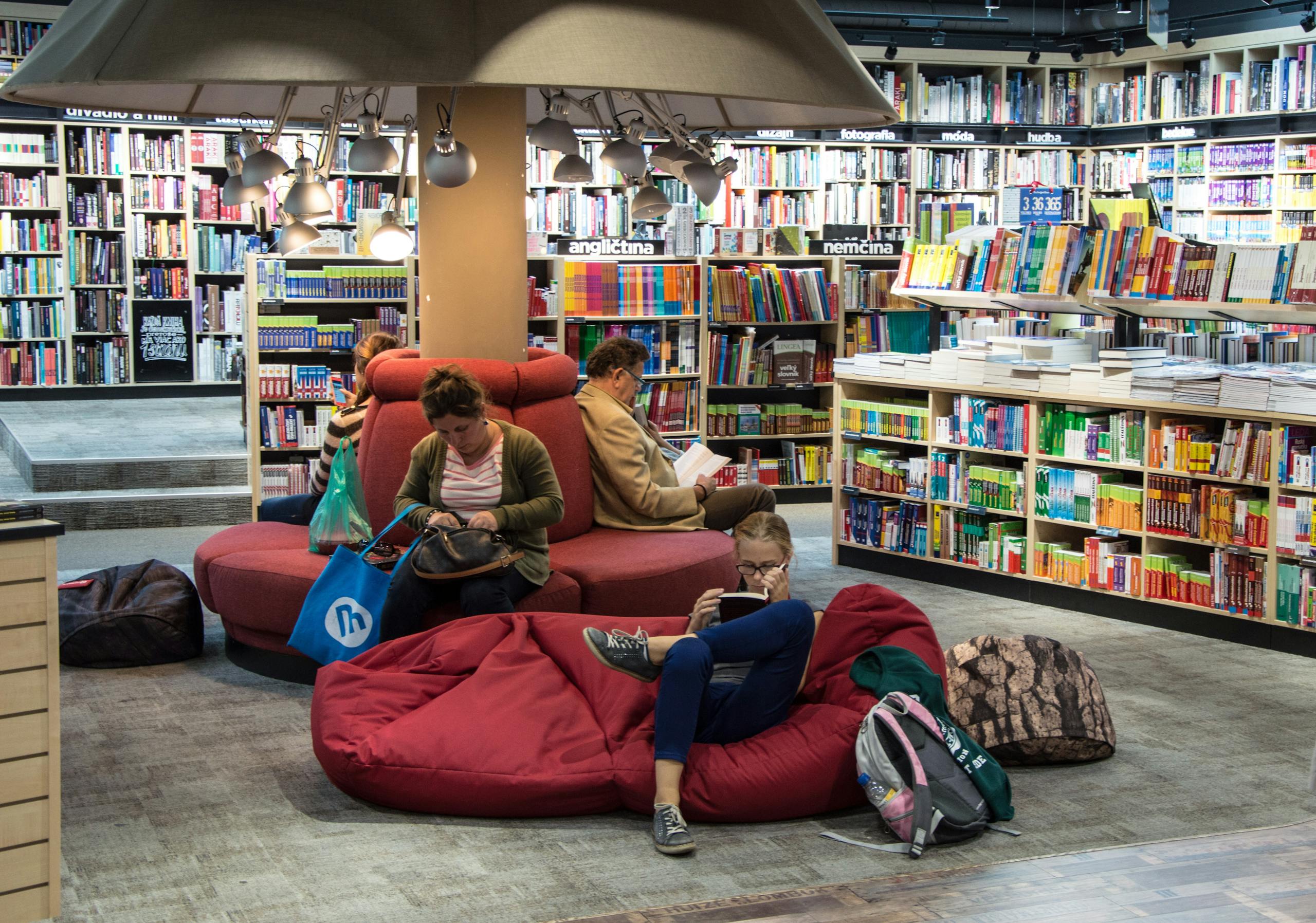
Between second and third period, I watched my daughter retreat to an empty corner of the library instead of joining her classmates in the bustling cafeteria. My heart sank initially, until I realized she was doing exactly what I wished I had known to do at her age: protecting her energy reserves in a school environment designed for more outgoing personalities.
High school presents a unique constellation of challenges for introverted teenagers. The constant social stimulation, group projects, class participation grades, and pressure to maintain an active social life can feel exhausting for young people who recharge in solitude. Yet these same qualities that make high school difficult also position introverted teens for remarkable success when they learn to work with their temperament instead of against it.
During my years managing diverse teams in advertising, I noticed that the professionals who struggled most were those who had spent their formative years trying to become someone they were not. The ones who thrived had learned early to leverage their natural tendencies. For introverted high schoolers, developing this self-awareness during adolescence creates a foundation for lifelong wellbeing and professional achievement.
The Science Behind Teen Social Sensitivity
Adolescence represents a period of extraordinary brain development, particularly in regions governing social cognition and self-awareness. Research published in Psychological Medicine demonstrates that the social brain undergoes significant structural changes during the teenage years, making adolescents more sensitive to peer acceptance and rejection than at any other life stage.
What’s your personality type?
Take our free 40-question assessment and get a detailed personality profile with dimension breakdowns, context analysis, and personalised insights.
Discover Your Type8-12 minutes · 40 questions · Free
For introverted teenagers, this heightened social sensitivity creates a double challenge. Their brains are wired to process social information deeply, yet the sheer volume of social stimulation in high school can quickly overwhelm their processing capacity. A 2020 study in Frontiers in Psychology examining ninth-grade students found that introverted students with high social engagement reported better self-esteem than introverted students with low engagement, suggesting that strategic participation matters more than constant socialization.
This finding mirrors what I observed when helping junior team members develop their presentation skills at the agency. The introverted creatives who learned to contribute meaningfully in specific moments outperformed those who either withdrew completely or exhausted themselves trying to match their extroverted colleagues’ constant engagement.
Why Traditional High School Environments Challenge Introverts
Modern educational philosophy increasingly emphasizes collaborative learning, group discussions, and active participation. The U.S. Department of Health and Human Services notes that expanding social roles during adolescence is developmentally appropriate, but the implementation in schools frequently disadvantages students who need processing time before contributing.
Consider the typical high school day: crowded hallways between classes, lunch periods in noisy cafeterias, group projects requiring constant coordination, and classroom discussions where quick verbal responses are rewarded. Each of these situations drains energy from introverted students who process information internally before speaking.

The challenge intensifies when participation grades penalize students who process information differently. An introverted student might have profound insights about literature or complex solutions to math problems, yet struggle to compete with classmates who think aloud and respond immediately. Psychology Today’s analysis of adolescent introversion reveals that eighth graders who prefer solitude face more adjustment difficulties than twelfth graders with the same preference, suggesting that early high school is particularly challenging for introverted teens.
When I think back to my own high school experience, I remember the relief I felt walking into classrooms where teachers allowed written responses alongside verbal participation. Those instructors gave introverted students like me the opportunity to demonstrate our thinking free from the pressure of immediate verbal performance.
Building Authentic Friendships as an Introverted Teen
One persistent myth suggests that introverted teenagers struggle with friendships or prefer complete isolation. This misunderstanding causes unnecessary concern for parents and unfair social pressure on introverted teens. The reality is that common myths about introverts misrepresent how these individuals approach connection.
You might also find introvert-middle-schooler-tween-social-pressure helpful here.
Introverted high schoolers typically excel at forming deep, meaningful relationships with a smaller circle of friends. They prefer substantial conversations over surface-level small talk, which can actually lead to more satisfying friendships in the long run. The challenge lies not in their capacity for connection, but in finding environments where deeper connection is possible.
Dr. Daniel Siegel’s research at UCLA confirms that adolescent brains are primed for developing social skills that will serve them throughout adulthood. For introverted teens, this means the high school years offer a critical opportunity to develop their unique approach to relationships, one that emphasizes quality over quantity.

My agency experience taught me that the professionals with the strongest client relationships were those who invested deeply in fewer connections. The same principle applies to teenage friendships. An introverted high schooler with three close friends who truly know them will likely experience more satisfaction than an extroverted peer with dozens of superficial acquaintances.
If you are questioning whether your social patterns are normal, exploring the characteristics of a social introvert can provide clarity about the spectrum of introverted experiences.
Practical Strategies for Classroom Success
Academic success for introverted high schoolers requires strategic energy management, not fundamental personality change. The goal is not to become extroverted but to develop sustainable approaches that honor introvert strengths and meet educational requirements.
Preparation becomes your greatest ally in classroom participation. When you review material before class and formulate your thoughts in advance, contributing to discussions feels less like a spontaneous performance and more like sharing prepared insights. I discovered this technique myself during college and later applied it before every major client presentation. Knowing exactly what I wanted to communicate removed the anxiety of thinking on my feet.
Strategic seating can also reduce social overwhelm. Choosing a seat near the front or along the side of the room limits the number of people in your peripheral vision and reduces sensory input during lectures. This small adjustment can make the difference between feeling overwhelmed and feeling focused.
For group projects, volunteer for roles that match your strengths. Introverted students typically excel at research, writing, and detailed analysis. Offering to handle these components allows you to contribute substantially and minimize draining social interaction. Your extroverted teammates will likely appreciate someone willing to handle the behind-the-scenes work that makes presentations successful.
Managing Energy Throughout the School Day
Energy management represents the most crucial skill for introverted high schoolers to develop. Neuroscience research from Leiden University demonstrates that adolescent brains process social information with heightened intensity, making energy depletion a genuine physiological experience, not a mere preference.
Identifying opportunities to recharge during the school day can transform your experience. Empty classrooms during lunch, quiet corners of the library, or even bathroom breaks can provide brief moments of solitude that restore capacity for social engagement. These micro-recovery periods prevent the complete energy depletion that leads to social exhaustion by day’s end.

After school, resist the pressure to fill every moment with social activities. Protecting time for solitary pursuits is not antisocial; it is essential maintenance for your wellbeing. During my advertising career, I learned that my best creative work emerged after periods of quiet reflection, not after back-to-back meetings. The same principle applies to academic and personal growth during high school.
Our comprehensive back to school guide for introverts offers additional specific strategies for thriving in classroom environments designed for more outgoing personalities.
Handling Social Pressure and Peer Expectations
High school social dynamics create intense pressure to conform to extroverted norms. Parties, large group hangouts, and constant social media engagement can feel mandatory when everyone around you seems to participate enthusiastically. Yet attempting to match extroverted peers’ social schedules leads to burnout that damages academic performance, mental health, and even those relationships you are trying to maintain.
Learning to decline social invitations gracefully represents an essential life skill that serves introverted individuals well beyond high school. A simple response like “I appreciate the invite, but I need some downtime this weekend” sets a boundary while maintaining the relationship. True friends will respect your need for balance; those who pressure you to constantly socialize may not be the connections worth investing in.
The question of whether introverts can become extroverted arises frequently among teenagers who feel pressure to change. The short answer is that while you can develop social skills and expand your comfort zone, your fundamental temperament is part of who you are. Energy and effort are better spent learning to thrive as an introvert than attempting to become someone you are not.
In my professional life, the moments I tried to perform constant extroversion led to the worst outcomes. Burnout affected my creativity, my relationships suffered from inauthenticity, and my work quality declined. Embracing my natural tendencies later in my career proved far more effective than years of attempted transformation ever did.
Communicating Your Needs to Parents and Teachers
Adults in your life may not immediately understand introversion, especially if they are more extroverted themselves. Parents sometimes worry when their teenager prefers solitude, interpreting it as depression or social problems. Teachers may misread quiet students as disengaged or unprepared. Clear communication about your temperament and needs can prevent these misunderstandings.
When talking with parents, explain that time alone is how you recharge, not a sign of something wrong. Share articles or research about introversion to help them understand that your need for solitude is neurologically based. If possible, agree on a system where you commit to regular family activities but also have protected time for yourself.

For teachers, consider speaking privately about alternative ways to demonstrate engagement. Some instructors are willing to accept written reflections, one-on-one discussions, or smaller group contributions instead of large class participation. The educators who made the biggest difference in my academic experience were those who recognized that engagement looks different for different students.
Sometimes the best approach involves expressing thoughts that introverts wish they could share openly with the people in their lives. Finding the courage to communicate your needs directly, even when it feels uncomfortable, builds relationships and creates understanding.
Preparing for Life Beyond High School
The social skills and self-awareness you develop during high school create a foundation for success in college, career, and personal relationships. Introverted teenagers who learn to work with their temperament instead of against it enter adulthood with advantages their peers may lack.
College and professional environments typically offer more flexibility than high school. You can choose courses with smaller class sizes, build schedules that include recovery time, and pursue careers that match your strengths. The self-knowledge you develop now informs better decisions about educational paths and professional directions.
Recent research on adolescent introversion and wellbeing emphasizes that social connection remains important for introverts, but the quality and nature of that connection differs from extroverted ideals. Learning to create meaningful connections on your own terms during high school establishes patterns that serve you throughout life.
Looking back at my career trajectory, the most important skill I developed was knowing when to engage fully and when to protect my energy. High school offers an invaluable laboratory for developing this awareness, even when the environment feels challenging. Every strategy you develop now, every boundary you learn to set, and every authentic relationship you build prepares you for a future where your introversion becomes an asset instead of an obstacle.
Explore more General Introvert Life resources in our complete hub.
About the Author
Keith Lacy is an introvert who’s learned to embrace his true self later in life. With a background in marketing and a successful career in media and advertising, Keith has worked with some of the world’s biggest brands. As a senior leader in the industry, he has built a wealth of knowledge in marketing strategy. Now, he’s on a mission to educate both introverts and extroverts about the power of introversion and how understanding this personality trait can unlock new levels of productivity, self-awareness, and success.
Frequently Asked Questions
Is it normal for my introverted teen to prefer eating lunch alone?
Yes, choosing solitude during lunch is a healthy way for introverted teens to recharge during an otherwise stimulating school day. This preference does not indicate social problems or depression; it reflects a neurological need for quiet time to restore energy for afternoon classes. If your teen maintains close friendships and participates appropriately in family activities, solitary lunch periods are simply effective energy management.
How can introverted high schoolers improve their participation grades?
Preparation is the most effective strategy for classroom participation. Review material before class and formulate specific contributions in advance. Arrive early to claim a comfortable seat and consider speaking during the first few minutes of discussion when your energy is highest. Speaking with teachers privately about alternative participation methods, such as written reflections or smaller group discussions, can also help demonstrate engagement in ways that match your temperament.
Should introverted teens push themselves to attend more social events?
Selective social engagement serves introverts better than constant forcing. Choose events that align with your interests or offer meaningful connection opportunities instead of attending everything. Quality matters more than quantity for introverted teenagers. Attending fewer events with full engagement produces better relationships than exhausted presence at every gathering. Protect time for recovery and honor your energy limits.
What extracurricular activities work best for introverted high schoolers?
Activities with smaller group sizes, individual contribution opportunities, and meaningful depth tend to suit introverted students well. Consider clubs focused on specific interests like writing, art, chess, coding, or academic competitions. Individual sports, theater tech crews, yearbook or newspaper staff, and volunteer positions with defined roles also provide social connection. Choose activities that genuinely interest you instead of those selected purely for college applications.
How can parents support their introverted high schooler without being overprotective?
Provide support and protected downtime as you encourage gradual expansion of comfort zones. Respect their need for solitude and avoid interpreting it as a problem requiring intervention. Ask questions about their social experiences with curiosity instead of concern. Help them identify strategies that work and avoid pushing them toward extroverted ideals. Celebrate their strengths and validate their approach to relationships and social engagement.