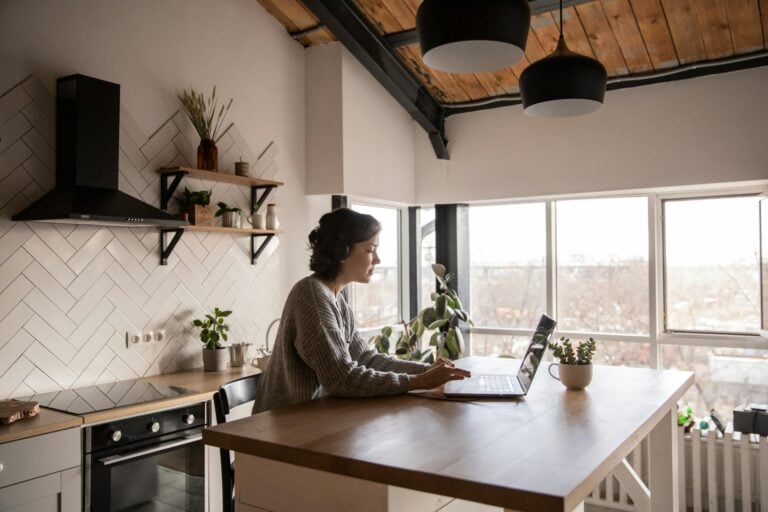

Your hands find their rhythm chopping vegetables. Steam rises from the pot. The aroma of garlic fills your kitchen. For just these few minutes, your racing mind slows to match the pace of your knife against the cutting board. This simple act becomes something more, a practice of presence that many introverts discover transforms ordinary meal preparation into meaningful restoration.
After years leading teams in high-pressure advertising agencies, I discovered something unexpected: my most peaceful moments came not from meditation apps or weekend retreats, but from my kitchen. Specifically, from the deliberate, sensory-rich practice of preparing meals with complete attention. What began as simple meal prep evolved into my primary tool for processing stress and reconnecting with myself. For those of us who recharge through solitude, the kitchen offers a unique form of restoration.
Cooking offers something that traditional meditation never quite provided for me. Where sitting still left my thoughts spinning faster, the tangible tasks of washing, measuring, and stirring gave my active mind somewhere productive to focus. My hands stayed busy even as my nervous system settled. This wasn’t about following recipes perfectly. It was about creating space for internal calm amid external motion. For introverts navigating demanding careers or social environments, the kitchen becomes a reliable refuge where we can process experience on our own terms.
Why Cooking Works as a Meditative Practice
Research from the National Institutes of Health analyzing multiple studies found that cooking interventions boost self-esteem, decrease anxiety, and improve psychological well-being. These aren’t minor effects. People report measurable improvements in mood and mental health outcomes from regular engagement with food preparation.
What’s your personality type?
Take our free 40-question assessment and get a detailed personality profile with dimension breakdowns, context analysis, and personalised insights.
Discover Your Type8-12 minutes · 40 questions · Free
The mechanism makes sense once you examine what happens during cooking. You’re engaging multiple senses simultaneously. Visual details demand attention: the precise color when onions turn translucent, the bubble patterns indicating proper boil temperature. Your sense of smell tracks progress: raw garlic transforms into caramelized sweetness. Touch provides constant feedback from texture changes as ingredients cook.
Licensed psychotherapist Israa Nasir explains that repetitive cooking motions become a form of moving meditation. Kneading dough, stirring a pot, or whisking ingredients create rhythmic patterns that anchor attention in the present moment. Your thoughts can’t easily wander when your hands are occupied with precise timing and technique.
During my agency years managing Fortune 500 accounts, I’d return home with my mind still processing client presentations, budget concerns, and team dynamics. Sitting meditation left me more agitated, my brain refusing to quiet. Yet twenty minutes chopping vegetables for soup would reset my entire system. The knife’s steady rhythm against the cutting board provided the structure my overactive mind needed.

The Sensory Anchor Effect
People who identify as thoughtful processors face a specific challenge: our minds generate constant internal dialogue. We analyze interactions, replay conversations, anticipate future scenarios. Traditional meditation asks us to observe these thoughts without engagement. Cooking offers something different, it redirects that analytical energy toward immediate sensory experiences. For introverts specifically, the combination of solitary focus and purposeful activity creates ideal conditions for mental restoration.
Consider what happens when you make bread from scratch. You measure flour by sight and touch, adjusting for humidity and texture. You knead dough, monitoring how resistance changes as gluten develops. You judge doneness by tapping the crust and listening for that hollow sound. Every step demands present-moment awareness.
A 2016 study published in the Journal of Positive Psychology found that people who engage in creative activities like cooking report leading happier lives. The research suggests that culinary creativity provides a joyful outlet for emotions. You’re not just following instructions. You’re making decisions, adapting techniques, expressing preferences. Introverts often discover that cooking provides a form of creative expression that feels less vulnerable than more public creative pursuits, the kitchen audience is just yourself.
I noticed this pattern when preparing dinner after particularly draining client meetings. My energy would shift the moment I started selecting ingredients. Decisions about which vegetables to include, what spices would complement the main dish, how to adjust cooking times, these choices engaged my problem-solving abilities in low-stakes, immediately rewarding ways.
Creating Your Kitchen Practice
Start with meals that involve distinct preparation stages. Soups, stews, and stir-fries work particularly well. These dishes require sequential tasks: wash produce, chop ingredients, heat oil, add components in specific order, adjust seasonings. Each step provides a natural transition point for attention.
Set up your space deliberately. Clear your counters of unnecessary items. Arrange ingredients before you begin. This mise en place, everything in its place, isn’t just professional kitchen technique. It removes decision fatigue and lets you focus on the cooking process itself.
Choose recipes slightly beyond your current skill level. Not so difficult they create frustration, but challenging enough to require full attention. When I first started this practice, I’d select one new technique per week: learning to properly dice onions, mastering a particular sauce, understanding how heat affects different proteins.
Solitude and the Introvert Kitchen
Your kitchen becomes a sanctuary when you’re alone there. No social performance required. No need to manage others’ expectations or energy. Just you and the simple tasks that sustain life. This solitary focus transforms routine meal prep into genuine self-care. Introverts understand this instinctively, the value of spaces where we can simply be ourselves without explanation or adjustment.
Dr. Elisabeth Crain, a California-based psychotherapist, notes that cooking offers specific benefits for people who process life internally. The activity provides structure without social demands. You can engage deeply with a task that produces tangible results. The outcome nourishes your body even as the process nourishes your mind. People who identify as introverted find particular value in activities that combine solitude with purpose. The kitchen becomes one of few spaces where society actually expects and accepts our preference for working alone.
Many who prefer contemplative processing struggle with meditation’s stillness requirement. Our thoughts accelerate when we try to quiet them. Cooking provides an alternative: moving meditation where your body’s activity grounds your wandering mind. You can think deeply about your day, your feelings, your challenges, all processed naturally as your hands work. Introverts especially benefit from this approach, as it honors our need for internal processing without forcing artificial stillness. We’re not trying to empty our minds. We’re giving our thoughts productive direction as we create something nourishing.

The Recharge Mechanism
After full days of meetings, presentations, and managing team dynamics, I’d need time alone to recover my equilibrium. Early in my career, I’d collapse on the couch, scrolling mindlessly. Later I discovered that active recharge worked better than passive rest. Cooking provided the perfect balance: engaging but not draining, purposeful but not pressured. Many introverts report similar discoveries, that restorative activities work better than complete stillness when we need to recover from overstimulation.
Success depends on approaching cooking as personal time rather than a chore. You’re not rushing to complete a task. You’re choosing to spend thirty or forty-five minutes in focused, sensory engagement. That shift in framing changes everything about the experience. Introverts often excel at reframing activities this way, we understand the value of intentional solitude.
Consider timing your cooking sessions when you most need mental reset. Late afternoon after work, before others arrive home. Sunday mornings when the house stays quiet. These become scheduled restoration periods, predictable spaces in your week where you reconnect with yourself. People with introverted tendencies recognize these timing choices as essential to sustained well-being.
Practical Techniques for Meditative Cooking
Transforming cooking from task to meditation requires deliberate practice. These techniques help cultivate that shift in awareness and intention.
Begin With Breath Awareness
Before touching any ingredient, take three conscious breaths. Notice how your body feels. Acknowledge tension or stress without judgment. This brief pause marks the transition from your previous activities into cooking time. You’re establishing a boundary between the busy external world and your internal kitchen sanctuary. Introverts understand the importance of such transitions, we need these markers to shift between different modes of being.
I started this practice after particularly intense budget meetings. That moment of intentional breathing became a signal to my nervous system: work has ended, restoration begins. My shoulders would drop, my jaw would unclench. The ritual itself mattered as much as the cooking that followed. These small rituals help introverts manage the constant switching between public performance and private restoration that defines our days.
Engage Each Sense Deliberately
As you prepare ingredients, consciously notice sensory details. The weight of a tomato in your palm. The sound of water running over lettuce leaves. The shift in aroma as herbs release oils when chopped. These observations aren’t extra work, they’re the core practice.
Research from Mindful magazine emphasizes that kitchens provide ideal environments for practicing mindfulness away from formal meditation. The abundance of sensory input naturally anchors attention. You’re not fighting your mind’s tendency to engage with stimuli. You’re redirecting that engagement toward immediate, nourishing experiences. Introverts find this redirection particularly effective, we’re already skilled at internal focus. Cooking simply gives that focus a productive, sensory-rich direction.
Start small. Choose one sense per cooking session to emphasize. Today, pay special attention to textures. Tomorrow, focus on how flavors develop and change. This targeted awareness trains your mind to stay present without becoming overwhelmed by trying to notice everything simultaneously. People with introverted processing styles often excel at this kind of focused, sequential attention.

Slow Your Pace Intentionally
Speed kills meditation. When you rush, cooking becomes another item checked off your to-do list. The meditative quality emerges from deliberately moving slower than necessary. Give yourself permission to take forty-five minutes for a meal you could prepare in twenty.
Select evenings or weekend mornings when time pressure doesn’t loom. Tell yourself explicitly: “I have enough time.” That internal permission changes how you experience each step. Chopping becomes savoring. Stirring becomes noticing. Waiting becomes breathing.
One project that taught me this involved homemade pasta. The dough required extended kneading, ten full minutes of rhythmic pushing and folding. My first attempts felt tedious. I kept checking the clock, eager to finish. Eventually I stopped timing and just worked the dough, feeling how it changed under my hands. Those ten minutes became the most peaceful part of my week.
Mental Health Benefits Beyond Stress Reduction
The psychological rewards of cooking extend well beyond simple relaxation. Research reveals connections to self-esteem, accomplishment, and emotional regulation that make this practice particularly valuable.
A study examining psychiatric inpatient wards found that cooking workshops improved mood among patients with depression, reducing sadness, hopelessness, and fatigue. The researchers noted that patients experienced pride and achievement from creating meals, tangible outcomes from their efforts.
That sense of accomplishment matters enormously. When you finish cooking, you hold physical evidence of your capability. A warm meal sits before you. Your efforts produced something concrete, immediate, and nourishing. Compare that to many modern work tasks where results feel abstract or delayed.
Building Mastery and Confidence
Each successful dish strengthens your belief in your own competence. You learn that practice improves outcomes. Mistakes teach rather than defeat. Skills compound over time. These lessons transfer beyond the kitchen into other areas where confidence wavers.
Research analyzing 8,500 adolescents in New Zealand found that self-reported cooking ability correlated positively with better mental well-being and lower depression levels. The connection wasn’t just about nutrition. Cooking skill itself, the confidence of knowing you can feed yourself well, contributed to improved mental health outcomes.
I witnessed this pattern when teaching my team members basic cooking techniques during company events. People who initially claimed they “couldn’t cook” would light up after successfully preparing a dish. That small success created openness to trying more. Their kitchen competence grew alongside their willingness to attempt other challenges.
Processing Emotions Through Action
Cooking provides a productive outlet when emotions feel overwhelming. The physical activity channels anxious or frustrated energy into purposeful motion. Your hands stay busy. Your mind processes thoughts naturally as you work. The end result nourishes rather than depletes.
After difficult days managing team conflicts or receiving critical feedback from clients, I’d head straight to my kitchen. Kneading bread dough worked particularly well, the physical effort matched my emotional intensity. By the time the dough rose and baked, I’d processed most of my frustration. The bread itself became a symbol: something worthwhile created from pressure and heat.
People experiencing grief find similar value in cooking, according to research on bereavement counseling programs. The familiar motions provide structure during chaotic emotional periods. Creating meals connects to memories of loved ones. The act of nourishing yourself becomes an expression of self-compassion during painful times.

Creating Your Sustainable Practice
Meditative cooking works best as a regular practice rather than occasional experiment. Building sustainable habits requires realistic approaches that fit your actual life, not idealized versions of how you think it should work.
Start Small and Specific
Don’t overhaul your entire cooking routine immediately. Choose one meal per week as your meditative practice. Sunday morning breakfast. Wednesday evening dinner. Whatever timing allows you genuine space to slow down and engage fully. Introverts understand the importance of protecting specific time blocks for restoration, apply that same principle to your cooking practice.
Select recipes with clear stages that naturally invite mindful attention. Risotto requires constant stirring and liquid addition, built-in rhythm and focus. Soup involves sequential preparation: sautéing aromatics, adding stock, simmering ingredients. These structured processes guide your attention without overwhelming your skills. People with introverted tendencies often appreciate this kind of clear, sequential task structure.
My own practice began with Sunday morning eggs. Nothing fancy, just scrambled eggs prepared slowly, with attention to temperature, texture, and timing. That single weekly ritual established the foundation. Other mindful cooking sessions grew naturally from there.
Eliminate Distractions Purposefully
Turn off notifications. Close the computer. Set phones aside. Your kitchen time deserves the same protection as any other restoration practice. These boundaries communicate to yourself and others: this time matters.
Some find instrumental music enhances the meditative quality. Classical compositions or ambient soundscapes can support rather than distract from attention. Others prefer complete silence, letting kitchen sounds, sizzling, bubbling, chopping, become the soundtrack. Experiment to discover what helps you stay present.
I maintained a strict no-phone policy during my cooking practice. That boundary proved essential. Checking messages or scrolling would immediately pull me out of the focused, internal state I was cultivating. The rule wasn’t about rigidity. It was about protecting something valuable.
Track Your Experience Without Judgment
Notice how you feel before and after cooking sessions. Do certain recipes leave you more peaceful? Does timing matter, are mornings more meditative than evenings? This information helps refine your practice toward what actually works for your nervous system.
Keep expectations realistic. Some sessions will feel deeply meditative. Others will just be cooking. That variation is normal and doesn’t indicate failure. The practice accumulates benefit over time, not through perfect execution of every session.
When my mind stayed particularly busy despite cooking, I learned not to force meditation to happen. Instead, I’d acknowledge the busy thoughts and return attention to immediate sensations whenever I noticed drifting. Even distracted cooking still provided more peace than scrolling social media or watching television.
Adapting the Practice to Your Needs
Your meditative cooking practice should reflect your actual preferences and constraints, not prescribed ideals about how it “should” look. Customization makes the difference between sustained practice and abandoned good intentions. Introverts excel at this kind of personalization, we understand our own needs and energy patterns better than generic advice ever could.
Consider Your Energy Patterns
People who process life internally experience predictable energy fluctuations. You might feel drained after social interactions or mentally fatigued following intense focus work. Schedule cooking practice when you have sufficient bandwidth but need restoration. Introverts recognize these energy patterns instinctively; cooking can become your reliable method for managing them effectively.
Completely depleted isn’t ideal timing. You need enough energy to engage with the process. Save meditative cooking for moments when you’re tired but not exhausted, stressed but not overwhelmed. The sweet spot exists when you have capacity to pay attention but genuinely need the restorative effects.
I found late afternoon worked best. Post-work exhaustion hadn’t fully set in, yet I clearly needed transition time between professional and personal modes. That thirty-minute window became sacred, a daily bookmark between my public and private selves.
Adjust Complexity to Your State
Match recipe complexity to your mental bandwidth. Challenging cooking can engage and restore when you’re moderately stressed. When you’re deeply overwhelmed, simpler preparations work better. Roasting vegetables requires minimal technique but still provides sensory engagement. Introverts become skilled at this kind of self-assessment, recognizing our current capacity and choosing activities accordingly.
Create a rotation of go-to recipes at different complexity levels. Quick comfort meals for low-energy days. Involved projects for when you need substantial mental engagement. This flexible approach prevents cooking from becoming another source of pressure. People who identify as introverted excel at building these flexible systems that adapt to changing energy levels.
During particularly intense work periods leading major client pitches, I’d default to simple grain bowls: cook rice, roast vegetables, add protein. Still meditative, still nourishing, but forgiving enough that I couldn’t fail even when mentally depleted. These fallback options matter enormously for introverts managing the constant balance between engagement and preservation of limited energy resources.

Honor Your Solitude Needs
Cooking alone provides different benefits than cooking with others. Both have value, but for meditative purposes, solitude amplifies the practice. You control the pace, follow your own rhythm, process thoughts without external input. Introverts understand this distinction intuitively, we recognize when activities gain or lose value based on whether we’re alone or accompanied.
Communicate this need clearly if you share living space. Your roommates or family might not initially understand why you want the kitchen to yourself. Frame it as personal restoration time, equivalent to someone else’s gym session or meditation practice. Most people respect boundaries once they understand their purpose. Fellow introverts will immediately grasp this need; others may require patient explanation.
My partner eventually recognized that my Sunday morning cooking time was non-negotiable. Not because I was being difficult, but because that practice sustained my mental health throughout the week. The boundary benefited our relationship by ensuring I brought my best self to our shared time. Introverts master this balance, protecting solitude to preserve our capacity for genuine connection when it matters.
The Cumulative Effect
Individual cooking sessions provide immediate calm. The real transformation appears over weeks and months of regular practice. You’re training your nervous system to access peaceful states more readily. You’re building confidence in your ability to self-regulate through purposeful activity. Introverts particularly benefit from this kind of consistent, solitary practice, it plays to our strengths as contemplative processors who thrive on routines we design ourselves.
Research examining cooking frequency found that people who cook regularly demonstrate better overall mental well-being. The effect compounds. Each session strengthens neural pathways connecting hands-on activity with internal peace. Your body learns: kitchen equals restoration. For those of us who recharge through solitude rather than socialization, the kitchen becomes a predictable refuge.
Six months into daily meditative cooking, I noticed I could access that same internal quiet during other activities. Washing dishes became meditative. Walking to work provided similar grounded presence. The kitchen practice had taught my nervous system a skill that transferred beyond food preparation. Introverts recognize this pattern, how skills developed in safe, solitary spaces gradually become accessible in more challenging environments.
People in your life will likely notice changes too. Improved mood regulation. Greater patience with frustration. Enhanced ability to be present in conversations. These aren’t grand transformations. They’re subtle shifts that accumulate into meaningful quality-of-life improvements. Colleagues and friends may comment that you seem calmer, more grounded, less reactive to daily stressors.
The beauty lies in sustainability. You’ll cook anyway, might as well transform that necessity into nourishment for both body and mind. The practice costs nothing beyond ingredients you’d purchase regardless. It requires no special equipment beyond basic kitchen tools. It fits naturally into existing routines. Introverts appreciate this kind of practical self-care that doesn’t demand additional social energy or external resources.
Your kitchen already exists as potential sanctuary. The ingredients wait in your refrigerator. The tools sit in your drawers. All that’s missing is the intention to approach cooking as meditation rather than mere task completion. That shift in awareness changes everything. For introverts seeking sustainable practices that honor our need for solitude and internal processing, the kitchen offers exactly what we need: space, purpose, and peace.
Frequently Asked Questions
Can cooking really replace traditional meditation for introverts?
Cooking provides an alternative form of mindfulness practice that works particularly well for people whose minds stay active during stillness. Research shows cooking interventions produce similar mental health benefits as traditional meditation: reduced anxiety, improved mood, and enhanced well-being. The key difference is that cooking engages your hands and senses, which can help ground racing thoughts more effectively than sitting meditation for some individuals. Many introverts find this hands-on approach more accessible than formal meditation practices that require sustained stillness.
How long should a meditative cooking session last to be effective?
Start with 30 to 45 minutes for meaningful engagement. This duration allows you to move beyond rushed task completion into genuine presence with the process. You need enough time to settle your nervous system and establish the rhythmic, sensory focus that creates meditation-like effects. As your practice develops, even shorter sessions can provide benefits, but initially, give yourself sufficient time to fully engage. Introverts often find this timeframe aligns naturally with our preference for sustained, uninterrupted focus on single activities.
What types of recipes work best for meditative cooking practice?
Choose recipes with clear sequential stages and repetitive motions: soups, stews, risotto, bread, stir-fries. These dishes naturally guide your attention and provide rhythm. Avoid overly complex recipes with simultaneous timing requirements when starting out. You want enough challenge to hold your focus without creating stress about getting steps right. Simple preparations done with full attention prove more meditative than complicated dishes prepared hurriedly. Introverts typically appreciate this structured, sequential approach that provides clear direction without overwhelming demands.
How do I maintain the meditative quality when cooking feels like a chore?
Reframe cooking as personal restoration time rather than an obligation. Set boundaries around this practice by eliminating distractions, choosing when you have adequate energy, and selecting recipes you genuinely enjoy preparing. Start with just one designated meditative cooking session per week rather than attempting to transform all meal prep. That single session can become your anchor practice. Not every cooking experience needs to be meditative; protect the ones that are. Introverts excel at this kind of selective intentionality, choosing which activities deserve our full presence and which can remain routine tasks.
Can I practice meditative cooking if I share living space with others?
Absolutely, but you’ll need to communicate your needs clearly. Designate specific times when you use the kitchen alone for your practice. Frame this as restoration time equivalent to someone else’s gym session or meditation practice. Most people respect boundaries once they understand the purpose. Consider early morning or late evening when others are less likely to need the space. The key is treating your kitchen time as non-negotiable self-care rather than a flexible preference. Introverts understand this necessity, solitary restoration time isn’t optional for our well-being; it’s essential.
Explore more Solitude, Self-Care & Recharging resources in our complete Solitude, Self-Care & Recharging Hub.
About the Author
Keith Lacy is someone who has learned to embrace his introversion later in life. With a background in marketing and a successful career in media and advertising, Keith has worked with some of the world’s biggest brands. As a senior leader in the industry, he has built a wealth of knowledge in marketing strategy. Now, he’s on a mission to educate individuals about the power of introversion and how understanding this personality trait creates new levels of productivity, self-awareness, and success.