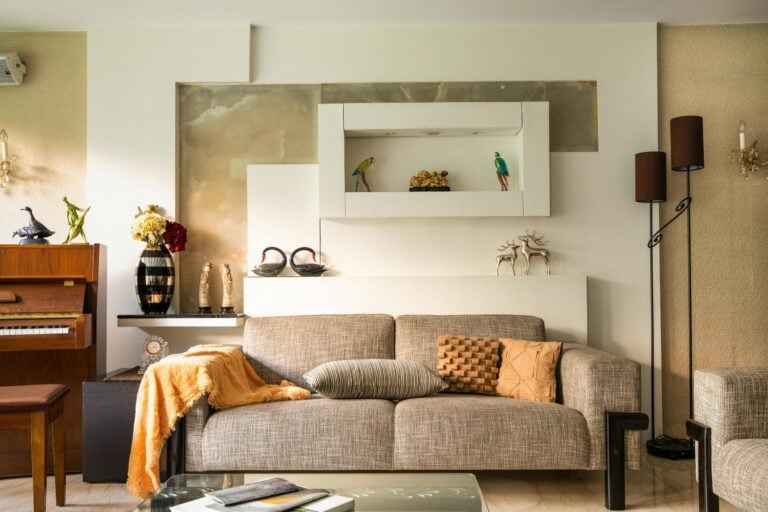
My favorite client meeting happened in my own living room. Not in a boardroom at the agency, not at a downtown restaurant, but in the space I’d carefully designed to reflect quiet comfort. The executive across from me visibly relaxed into the armchair, commenting on how different it felt from typical corporate environments. We signed a million-dollar contract that afternoon.
That experience taught me something valuable about social spaces designed for introverts and people who process the world deeply. Your living room doesn’t need to match magazine layouts optimized for constant entertaining. It needs to support the way you actually live and connect with others.
Introverts who host small gatherings face unique challenges creating spaces that energize rather than drain them. Standard design advice assumes everyone hosts the same way, but quiet confidence requires environments designed for meaningful conversation over maximum capacity. Your living room should support how you naturally connect with others, not force you into hosting patterns that exhaust you before guests even arrive.
Why Do Standard Living Room Designs Drain Introverts?
Most interior design advice assumes everyone hosts the same way. Open floor plans, bright overhead lighting, and furniture arranged for maximum capacity make sense if you’re throwing parties for dozens of people weekly. For introverts who prefer deeper conversations with a few people at a time, these layouts create the opposite of what we need.
What’s your personality type?
Take our free 40-question assessment and get a detailed personality profile with dimension breakdowns, context analysis, and personalised insights.
Discover Your Type8-12 minutes · 40 questions · Free
A 1997 study published in the Journal of Personality and Social Psychology by researchers E.N. Aron and A. Aron identified sensory processing sensitivity as distinct from social anxiety. The research demonstrated that approximately 20% of people process environmental stimuli more deeply. For introverts with high sensory processing sensitivity, living room design becomes especially important as these individuals experience social spaces differently, requiring environments that support rather than overwhelm their natural processing style.
During my years managing client relationships in advertising, I noticed patterns in where productive conversations happened. The conference rooms with harsh fluorescent lighting and hard surfaces produced shorter, more guarded exchanges. The smaller meeting spaces with softer lighting and comfortable seating led to longer, more honest discussions. Environment shapes interaction quality more than most people realize, particularly for introverts who pay close attention to environmental details.
How Does Environmental Psychology Create Calm Social Spaces?
Environmental psychology examines how physical spaces affect behavior and emotional states. Interior designers increasingly apply neuroarchitecture principles to create spaces supporting psychological wellbeing. Research in neuroaesthetics shows that specific design choices trigger positive sensory processing by enhancing instinctively preferred characteristics.
Sensory processing impacts how comfortable introverts feel in social settings. Professionals focusing on neuroarchitecture consider these key elements:
- Visual characteristics including lighting temperature, color psychology, and visual complexity that either calm or overstimulate
- Auditory elements such as echo control, background noise management, and acoustic absorption for comfortable conversation volumes
- Tactile features like furniture textures, temperature control, and material choices that signal safety to the nervous system
- Spatial relationships including proximity zones, sight lines, and circulation patterns that support natural interaction styles
Color psychology plays a significant role. Studies show that warm-toned lighting improves mood and reduces anxiety compared to cool fluorescent light. Blue tones have been shown to decrease blood pressure and promote calmness, making them particularly effective in living spaces designed for introverts who value relaxation and meaningful conversation.
What Lighting Strategy Works Best for Conversation?
Lighting transforms how people feel in a room. I learned this managing late-night client presentations at the agency. When we switched from overhead fluorescents to adjustable task lighting and warmer ambient light, client feedback became more thoughtful and less rushed. People stayed longer, spoke more openly, and seemed genuinely at ease.
For introverted individuals hosting in their living rooms, layered lighting provides flexibility that matches energy levels throughout the day:
- Install dimmer switches on all lighting sources to adjust brightness based on group size and time of day
- Use warm white bulbs (2000-3500 Kelvin) instead of cooler temperatures that increase agitation
- Position floor and table lamps to create multiple light pools rather than relying on a single overhead source
- Layer ambient, task, and accent lighting for complete control over room atmosphere
- Consider natural light patterns and use mirrors strategically to amplify available daylight
Natural light matters too. Large windows bring daylight that regulates circadian rhythms and boosts mood. When natural light isn’t abundant, position seating near windows and use mirrors strategically to amplify available light. Sheer curtains allow light control for different times of day and varying sensitivity levels.
How Can You Manage Sound for Introverted Hosting?
Sound management might be the most overlooked aspect of living room design for introverts. Hard surfaces like hardwood floors, bare walls, and glass windows create echo that amplifies noise. For those who process auditory information deeply, this echo turns pleasant conversation into overwhelming sensory input that quickly drains energy reserves.
A 2025 study on neurodiversity in home design emphasizes that acoustic control is essential for comfort. Here’s how to create better sound environments:
- Add carpets and area rugs under seating arrangements to absorb floor-level sound reflection
- Install heavy curtains on windows for both sound absorption and external noise buffering
- Use acoustic ceiling tiles in open-plan homes to dampen overhead sound bounce
- Choose solid-core doors and double-glazed windows to reduce external noise intrusion
- Position acoustic panels behind artwork on walls for professional-quality sound control
During a renovation of my own space, I added acoustic panels behind artwork on the walls. Guests commented that the room felt “calmer” even when multiple conversations happened simultaneously. The panels absorbed harsh frequencies that would otherwise bounce around the room creating audio chaos that particularly affects introverted hosts.
What Furniture Arrangement Supports Small Group Dynamics?
Traditional living room layouts optimize for maximum seating capacity. Furniture lines up against walls, facing a television or fireplace. This arrangement works for watching movies together but fails for actual conversation, especially the type of deep exchanges that introverts prefer.
Small group conversations thrive in arrangements supporting eye contact and comfortable distance:
- Create conversation clusters using chairs and sofas positioned at right angles or in small circles
- Aim for seating groups of 3-4 people maximum to maintain intimacy and manage group dynamics
- Position seats 4-6 feet apart for comfortable conversation distance without intrusion
- Use side tables between seats to create subtle territorial boundaries and provide surface space
- Arrange furniture at slight angles rather than directly facing to allow natural eye contact breaks
One Fortune 500 CEO I worked with transformed his personal meeting space by arranging four comfortable chairs around a low table instead of using his formal conference room. He said the setup changed the quality of discussions completely. Executives who typically competed for speaking time in traditional meetings listened more carefully and shared more honestly in the smaller, more intimate configuration.
Which Colors and Textures Create Calm Environments?
Bold, busy patterns overstimulate visual processing. Clashing colors create subtle anxiety. The decorating choices that make stunning magazine photographs sometimes translate poorly to spaces where people spend extended time.
Research from environmental psychology demonstrates that natural materials and neutral tones create restorative environments:
- Natural materials like solid wood, organic textiles, cotton and linen introduce warmth and tactile comfort
- Monochromatic color schemes create visual calm using one primary color in varying shades and intensities
- Texture variety through smooth and rough surfaces, matte and glossy finishes provides interest without visual chaos
- Green and blue tones promote relaxation and have been shown to reduce blood pressure
- Soft grays and warm beiges establish neutral foundations that don’t demand attention
Rich, deep hues like navy or forest green create cocooning sensations that make open spaces feel appropriately sized for introverted hosting preferences.
How Do Storage Solutions Reduce Visual Overwhelm?
Visual clutter creates mental clutter. Open shelving displaying dozens of items forces your brain to process every object each time you enter the room. For those who seek peace in a noisy world, this constant visual input drains energy before social interaction even begins.
Closed storage options minimize visual overwhelm:
- Cabinets with doors hide items completely when not in use
- Storage ottomans provide dual function as seating and hidden storage
- Built-in solutions create clean lines and organized appearances
- Decorative baskets contain items while adding texture and warmth
- One wall of closed cabinetry significantly reduces visual noise compared to multiple open shelving units
I redesigned my living room storage after noticing how exhausted I felt before anyone arrived for gatherings. Replacing three open bookcases with two closed cabinets transformed the room’s energy. Guests commented the space felt “lighter” even though we removed nothing, just hid it behind doors.

How Can You Create Subtle Escape Zones?
Even in social settings, people who process deeply need moments to reset. Providing subtle escape options within your living room prevents the need for people to leave entirely when feeling overstimulated.
Position one chair slightly separated from main conversation areas. Place it near a window or in a corner with a reading lamp. This spot signals “brief retreat space” to those who need it. A small side table with books or magazines gives people something to focus on during sensory breaks.
Window seats work beautifully for this purpose. Looking outside provides natural visual escape from social intensity. The physical boundary of the window frame creates psychological distance from the room’s activity.
Plants serve similar functions. Larger plants placed strategically create visual softeners between seating areas. Introverted guests can redirect attention to greenery when conversations intensify beyond their comfort zone. Studies show that indoor plants reduce anxiety and enhance focus, making them valuable additions to social spaces designed for meaningful connection.
Why Do Temperature and Air Quality Matter for Introverted Hosting?
Physical comfort directly impacts social comfort. Rooms that feel too warm or stuffy shorten gatherings. Poor air circulation increases anxiety and reduces patience for extended conversation, particularly for introverts who notice environmental details more acutely.
Optimal environmental conditions include:
- Temperature between 68-72 degrees Fahrenheit for most people to feel comfortable
- Throws and blankets available for those who run cold during extended sitting
- Windows or doors accessible for fresh air circulation when needed
- Air purifiers running quietly to improve air quality during gatherings
- Humidity levels maintained between 40-60% for optimal respiratory comfort
Fresh air benefits extend beyond temperature control. Research demonstrates that opening windows and circulating outdoor air aids the body in releasing serotonin, which stabilizes mood and brings feelings of wellbeing. Even brief air circulation makes noticeable difference in how long people comfortably stay in one space.
What Role Does Scent Play in Social Environments?
Scent directly influences mood and memory faster than any other sense. Overpowering fragrances trigger headaches and discomfort. Absence of any scent feels sterile and unwelcoming. The goal is subtle, pleasant background scent that supports rather than dominates the environment.
Essential oil diffusers allow scent control. Lavender promotes relaxation and has been shown to improve mood and enhance cognitive performance. Eucalyptus feels fresh and clean. Citrus scents energize lightly. Run diffusers at low settings 30 minutes before guests arrive, then turn off during gatherings to prevent overwhelming concentration.
Natural scent sources work well too. Fresh flowers provide gentle fragrance. Open windows bring outdoor air. Avoid scented candles with artificial fragrances that can trigger sensitivities. If using candles, choose soy or beeswax options with essential oils for clean-burning scent.
How Should Technology Support Rather Than Dominate?
Screen-dominated living rooms pull attention away from conversation. Large televisions positioned as focal points signal that watching content together is the room’s primary purpose. For spaces designed around meaningful exchange between introverts, technology needs to serve social connection, not replace it.
Position screens away from main seating areas. Use furniture arrangements that don’t face toward television locations. Install speakers for background music at conversation-comfortable volumes. Voice-controlled smart home systems allow lighting and temperature adjustments during gatherings, letting introverted hosts stay engaged with guests instead of constantly adjusting controls.
Music selection matters. Instrumental music at 50-60 decibels creates pleasant background for introverts engaged in meaningful conversation, not interfering with speech. Avoid lyrics that pull attention away from discussion. Jazz, classical, or ambient electronic works well for most small gatherings.

What Personal Touches Tell Your Story Best?
Generic spaces feel empty even when beautifully designed. Personal elements create conversation starters and help visitors understand who you are, reducing social anxiety for introverted hosts and guests through shared context.
Display meaningful items sparingly. Three significant objects communicate more than thirty random decorations:
- Artwork from places you’ve lived provides natural conversation topics about travel and experiences
- Family photographs in quality frames show personal connections without overwhelming space
- Collections reflecting genuine interests give introverts concrete topics when conversation lulls
- Books arranged by topic or color provide visual organization and intellectual connection points
- Handmade or unique items with stories behind them become social lubricant for natural discussions
One executive client kept a small collection of chess sets from different countries displayed on a side table. Guests invariably asked about them, leading to stories from his travels and often to friendly games during longer visits. The chess sets became social lubricant, giving people something concrete to discuss beyond weather and traffic.
How Can You Design Flexible Arrangements?
Your living room serves multiple social functions for introverts. Sometimes you host one friend for coffee. Other times three couples gather for dinner conversation. Design flexibility allows the space to adapt to different scenarios when you want to break comfort zones and host various groups.
Lightweight accent chairs that move easily let you expand or contract conversation areas:
- Nesting tables provide surface space when needed, then tuck away when not in use
- Ottomans serve as both footrests and additional seating for larger groups
- Modular furniture pieces reconfigure quickly for different gathering sizes
- Rolling carts bring beverages and snacks without permanent surface commitment
- Folding or stackable extra chairs stored nearby expand capacity when needed
I learned this hosting client meetings that varied from one person to six. Having furniture that rearranged quickly meant I could adapt the room’s energy to match group size. Small gatherings felt intimate. Larger meetings felt appropriately open. The space worked with my introverted nature instead of limiting my options.

Bringing It All Together
Your living room should support how you naturally connect with others, not force you into hosting patterns that drain your energy. Design choices that reduce sensory overwhelm create environments where meaningful conversations flourish for introverts and guests alike.
Start with lighting. Warm, adjustable light sources replace harsh overhead fixtures. Add acoustic softening through rugs, curtains, and strategic fabric choices. Arrange furniture for small group conversation rather than maximum capacity. Choose colors and textures that calm introverted nervous systems rather than stimulate them.
Create storage that hides visual clutter. Include subtle escape zones for sensory breaks. Control temperature and air quality for physical comfort. Integrate technology as a tool for connection rather than focal point. Display personal items that tell your story and spark natural conversation.
The living room that works best for introverts reflects your authentic style and supports your natural way of building connections. Design choices rooted in environmental psychology and sensory processing research create spaces that energize rather than exhaust. Small adjustments compound into significant differences in how comfortable you feel hosting and how long meaningful conversations last.
After two decades managing client relationships in high-pressure environments, I’ve learned that the best conversations happen in spaces designed for actual human comfort rather than aesthetic perfection. Your living room can become a sanctuary that welcomes others, allowing introverts to stay present and engaged during social time instead of counting down minutes until everyone leaves.
Frequently Asked Questions
What lighting temperature works best for conversation spaces?
Warm white bulbs between 2000-3500 Kelvin create the most comfortable environment for extended conversation. This temperature range mimics natural candlelight and reduces anxiety compared to cooler fluorescent lighting. Install dimmer switches on all light sources to adjust brightness based on time of day and group size.
How can I reduce echo in a living room with hardwood floors?
Layer multiple sound-absorbing elements. Add area rugs under seating arrangements, hang heavy curtains on windows, place acoustic panels behind artwork on walls, and use upholstered furniture rather than all leather or wood pieces. Each element absorbs different sound frequencies, combining to significantly reduce echo and create calmer acoustic environments.
What’s the ideal seating distance for comfortable conversation?
Position seats 4-6 feet apart for most conversations. Closer distances feel intrusive and increase social stress. Greater distances require raised voices and reduce intimacy. Arrange furniture at slight angles rather than directly facing each other to allow natural eye contact breaks during extended discussions.
How do I create escape zones for overstimulated guests?
Position one comfortable chair slightly separated from main conversation areas, ideally near a window or in a corner. Add a reading lamp and small table with books or magazines. This setup signals availability for brief sensory breaks when guests need to step back from intense social interaction, preventing the need to leave the room entirely.
Should I prioritize open or closed storage in a living room?
Closed storage significantly reduces visual overwhelm for those who process environmental stimuli deeply. Cabinets with doors, storage ottomans, and baskets hide items when not in use, creating cleaner visual lines that reduce mental processing load. Reserve open shelving for carefully curated displays of 10-15 meaningful items maximum rather than using it for general storage.
Explore more resources about designing spaces that work with your personality in our complete General Introvert Life Hub.
About the Author
Keith Lacy is an introvert who’s learned to embrace his true self later in life. With a background in marketing and a successful career in media and advertising, Keith has worked with some of the world’s biggest brands. As a senior leader in the industry, he has built a wealth of knowledge in marketing strategy. Now, he’s on a mission to educate both introverts and extroverts about the power of introversion and how understanding this personality trait can reveal new levels of productivity, self-awareness, and success.