

If you’re an introvert seeking deeper levels of mental peace, you’ve likely discovered that traditional meditation advice doesn’t always align with how your mind actually works. While the world promotes one-size-fits-all approaches to mindfulness, the truth is that achieving meditation excellence as an introvert requires understanding your unique mental landscape and working with it, rather than against it.
As someone who embraced introversion later in life while navigating the complexities of anxiety and depression, I’ve learned that meditation excellence for introverts isn’t about forcing ourselves into extroverted mindfulness models. It’s about developing mastery over our natural contemplative gifts and transforming our tendency toward deep introspection into a pathway to profound mental peace.
The journey toward meditation excellence begins with recognizing that your introvert brain is already primed for contemplative practice. The challenge lies in channeling your natural introspective abilities away from rumination and toward genuine peace achievement, building on the foundational practices explored in introvert mindfulness approaches.
This article is part of our Solitude, Self-Care & Recharging Hub , explore the full guide here.
Understanding Introvert Meditation Excellence
Meditation excellence for introverts goes beyond basic stress reduction or occasional mindfulness moments. It’s about developing sophisticated mastery over your internal landscape, transforming your greatest mental challenges into sources of profound peace and wisdom.
What’s your personality type?
Take our free 40-question assessment and get a detailed personality profile with dimension breakdowns, context analysis, and personalised insights.
Discover Your Type8-12 minutes · 40 questions · Free
True meditation excellence manifests as the ability to navigate your rich inner world with skill and grace. You’ll know you’re achieving it when your natural tendency toward deep thinking becomes a source of clarity rather than confusion, when your introspective nature generates peace rather than anxiety, and when your need for solitude becomes a gateway to profound spiritual and emotional nourishment.
This level of practice requires understanding the unique advantages and challenges that introvert minds bring to meditation. Unlike extroverts who might struggle with sitting still and turning inward, introverts often excel at the foundational elements of meditation practice. However, we face different obstacles that require specific approaches and understanding.
The Introvert Advantage in Contemplative Practice
Research from Harvard Medical School shows that introverts often have natural advantages in meditation that can lead to exceptional levels of practice when properly developed. Our brains are wired for reflection, internal processing, and sustained attention – all crucial elements of advanced meditation practice.
The prefrontal cortex, which governs executive function and self-reflection, tends to be more active in introverted brains. This natural inclination toward internal awareness provides a foundation for developing the meta-cognitive skills that characterize meditation excellence: the ability to observe thoughts without being controlled by them, recognize emotional patterns without being overwhelmed by them, and maintain equanimity in the face of mental turbulence.
Your comfort with solitude, often seen as a limitation in our extrovert-biased world, becomes a tremendous asset in meditation practice. While others struggle to find time alone for practice, you naturally create the conditions necessary for deep contemplative work, as explored in how introverts use solitude for restoration.
Transforming Rumination into Contemplative Mastery
One of the most significant challenges introverts face on the path to meditation excellence is learning to distinguish between productive contemplation and destructive rumination. This distinction is crucial because the same mental processes that can trap us in cycles of worry and overthinking can be refined into tools for profound insight and peace, as detailed in comprehensive anxiety management strategies for introverts.
Rumination feels like meditation to the untrained mind, but it’s actually its opposite. Where rumination is repetitive, circular, and anxiety-producing, true contemplative practice is fresh, directional, and peace-generating. Studies published in Clinical Psychological Science confirm that mindfulness meditation specifically helps break rumination cycles that are particularly common in introverted minds.
The Transformation Process
The journey from rumination to contemplative mastery begins with developing what meditation teachers call “mindful awareness” – the ability to observe your mental processes objectively rather than being swept away by them. This skill allows you to catch rumination early and redirect that mental energy toward productive contemplation.
Start by learning to recognize the physical sensations that accompany rumination versus peaceful reflection. Rumination typically creates tension in the body – tightness in the chest, clenched jaw, or restless energy. Peaceful contemplation, by contrast, feels spacious, calm, and naturally settling.
When you notice rumination beginning, you can use simple redirection techniques: take three conscious breaths, physically change your position, or gently ask yourself, “Is this thinking serving my peace right now?” This creates space between you and the thought pattern, allowing you to choose contemplative engagement over automatic rumination.

Advanced Practices for Introvert Meditation Excellence
Once you’ve established basic meditation skills and learned to work with rumination, you can begin developing the advanced practices that lead to true meditation excellence. These approaches are specifically designed to leverage introvert strengths while addressing common challenges.
Insight-Oriented Meditation
Introverts often excel at insight-oriented meditation practices that engage their natural analytical abilities in service of wisdom rather than worry. These practices involve deep inquiry into the nature of thoughts, emotions, and experience itself.
One powerful approach is contemplative inquiry, where you use questions as meditation objects. Instead of focusing on breath or body sensations, you might contemplate questions like “What is aware of this thought?” or “What remains constant while emotions change?” This type of practice satisfies the introvert mind’s need for meaningful engagement while developing profound insights into consciousness itself.
Self-inquiry meditation is particularly transformative for introverts dealing with negative self-talk or perfectionism. By investigating thoughts like “I’m not good enough” with gentle curiosity rather than belief or resistance, you can discover their impermanent nature and reduce their power over your peace of mind.
Loving-Kindness Excellence
Traditional loving-kindness meditation can be especially powerful for introverts who struggle with self-criticism or social anxiety. However, achieving excellence in this practice requires adapting it to introvert preferences and challenges, working alongside comprehensive stress management approaches that honor your natural energy patterns.
Begin with self-compassion rather than trying to generate love for others immediately. Many introverts find it easier to develop genuine kindness toward themselves when they understand it as a practical tool for mental health rather than a sentimental practice.
Start with simple phrases like “May I be free from unnecessary suffering” or “May I treat myself with kindness.” Notice any resistance or self-judgment that arises, and include these reactions in your practice rather than fighting them. The goal isn’t to force positive feelings but to develop a kind, spacious awareness toward whatever arises.
Integration with Creative Practice
Many introverts achieve meditation excellence by combining formal practice with creative expression. This approach honors the natural connection between contemplative awareness and creative flow while providing multiple pathways for developing mindfulness skills.
Consider alternating between sitting meditation and creative activities like writing, drawing, or music with contemplative awareness. Begin with 10-15 minutes of formal meditation, then transition into creative expression while maintaining the same quality of mindful attention you cultivated during sitting practice.
This integration can be particularly powerful for processing emotions and insights that arise during meditation. Creative expression provides a natural outlet for the rich internal material that emerges from deep contemplative practice.
Developing Unshakeable Mental Peace
True meditation excellence culminates in what meditation traditions call “unshakeable peace” – a quality of mental stability that remains accessible even during challenging circumstances. For introverts, this doesn’t mean becoming emotionally flat or disconnected, but rather developing the skill to remain centered while fully experiencing life’s complexities.
This level of peace achievement emerges from understanding that peace isn’t the absence of mental activity but rather a transformed relationship with that activity. Your introvert mind doesn’t need to become quiet to be peaceful; it needs to become skillful. Research from the American Psychological Association demonstrates that this shift in relationship to thoughts is one of meditation’s most profound therapeutic benefits.
Building Resilience Through Practice
Unshakeable peace develops through consistent practice that gradually increases your capacity to remain centered during mental and emotional storms. This resilience isn’t built by avoiding difficult experiences but by learning to meet them with increasing skill and composure, building on foundational resilience principles.
One powerful approach is what meditation teachers call “stability training” – deliberately practicing with mildly challenging material to build your capacity for equanimity. This might involve meditating with background noise, practicing when you’re slightly tired or stressed, or working directly with difficult emotions during sitting practice.
The goal isn’t to become immune to life’s challenges but to develop confidence in your ability to meet whatever arises with awareness and grace. This confidence becomes a foundation for mental peace that doesn’t depend on external circumstances.
Maintaining Practice During Difficult Periods
Meditation excellence includes the ability to maintain practice during periods of depression, anxiety, or life stress – times when meditation might feel impossible but is most needed. This requires developing flexible approaches that honor your current capacity while maintaining the continuity of practice.
During challenging periods, reduce expectations while maintaining consistency. Five minutes of gentle breathing awareness might be more valuable than struggling through a longer session that leaves you feeling defeated. The key is adapting your practice to support your current needs rather than abandoning it when it’s most crucial.
Remember that meditation during difficult times often looks different from practice during stable periods. The goal isn’t to achieve the same states but to maintain your connection to contemplative awareness regardless of circumstances.

The Ripple Effects of Meditation Excellence
As you develop genuine meditation excellence, the benefits extend far beyond your formal practice sessions. The peace and clarity you cultivate during meditation begins to infuse your daily life, transforming how you navigate relationships, work challenges, and personal growth.
Many advanced practitioners report that their need for external validation decreases as they develop internal stability through meditation. This can be particularly liberating for introverts who may have struggled with people-pleasing or social anxiety.
Enhanced Creativity and Problem-Solving
Meditation excellence often unlocks new levels of creativity and insight. The same mental clarity that brings peace to your internal landscape also enhances your ability to see creative solutions and approach challenges with fresh perspectives. Neuroscience research from Johns Hopkins University shows that regular meditation practice increases activity in brain regions associated with creative thinking and executive function.
Regular advanced practice seems to dissolve the artificial barriers between logical and creative thinking, allowing for more integrated and innovative approaches to both personal and professional challenges.
Improved Relationships
Paradoxically, developing excellence in solitary meditation practice often leads to improved relationships with others. As you become more skilled at maintaining inner peace, you naturally bring more presence and authenticity to your interactions with others.
The emotional regulation skills developed through meditation translate directly into better communication, reduced reactivity, and increased empathy – all qualities that strengthen relationships without requiring you to become more extroverted.
Creating Your Path to Meditation Excellence
Developing true meditation excellence is a highly individual journey that must honor your unique personality, life circumstances, and goals. Rather than following rigid formulas, successful introverts learn to adapt traditional teachings to their specific needs and preferences.
Designing Your Optimal Practice Environment
Excellence requires creating environmental conditions that support rather than hinder your practice. This means designing meditation spaces that honor your introvert preferences for minimal stimulation and maximum comfort, incorporating principles from comprehensive self-care approaches.
Consider factors like lighting, sound, temperature, and even scent when creating your practice environment. Many introverts find that consistency in their physical environment supports consistency in their mental states during meditation.
Your practice environment should feel like a sanctuary rather than another obligation. Invest time in creating a space that makes you want to practice rather than forcing yourself to meditate in conditions that feel stressful or uncomfortable.
Balancing Solitude with Guidance
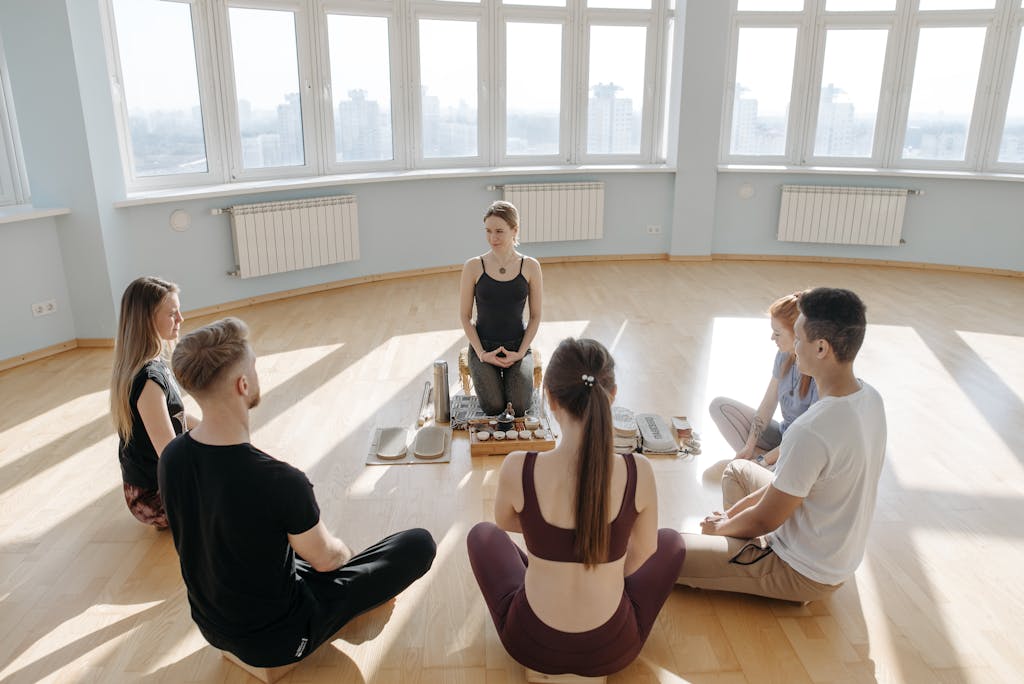
While introverts naturally gravitate toward solitary practice, achieving excellence often benefits from periodic guidance and community connection. The challenge is finding ways to access teaching and support that honor your introvert preferences.
Consider working with teachers who understand introvert learning styles, joining online communities rather than in-person groups, or participating in silent retreat formats that minimize social demands while providing structured guidance.
The goal is finding the minimal effective dose of external support – enough guidance to prevent stagnation and error, but not so much social engagement that it drains your energy for practice.
Sustaining Excellence Through Life Transitions
True meditation excellence includes the ability to maintain your practice and its benefits through major life changes, transitions, and challenges. This sustainability requires developing flexible approaches that can adapt to changing circumstances while preserving the essential elements of your contemplative development.
Life will inevitably present obstacles to consistent practice: career changes, relationship transitions, health challenges, or family responsibilities. Excellence means having the tools and understanding to maintain your contemplative development regardless of external circumstances.
Long-term Perspective
Developing meditation excellence is a lifelong journey rather than a destination to reach and maintain. This perspective helps you stay motivated during inevitable periods of struggle or stagnation while appreciating the gradual but profound transformations that emerge from consistent practice.
Many advanced practitioners report that their relationship with meditation continues evolving even after decades of practice. What begins as stress relief often develops into a profound spiritual practice that provides meaning and purpose throughout life’s various stages. Longitudinal studies from the University of Wisconsin demonstrate that long-term meditation practitioners show sustained improvements in emotional regulation and life satisfaction.
Conclusion: Your Journey to Mental Peace Achievement
Meditation excellence for introverts isn’t about becoming someone you’re not or forcing your natural contemplative nature into extroverted meditation models. It’s about developing sophisticated mastery over your greatest strength – your ability to go deep within yourself – and transforming it into a source of unshakeable peace and wisdom.
The path to genuine meditation excellence honors both your introvert nature and your human need for growth and development. It recognizes that your tendency toward introspection is not a limitation to overcome but a profound capacity to develop and refine.
Your journey toward mental peace achievement through meditation excellence is ultimately a journey toward becoming more fully yourself – not despite your introversion, but because of it. The world needs the unique peace and wisdom that emerge from contemplative introverts who have learned to work skillfully with their minds.
Every moment you choose contemplative awareness over automatic reactivity, inner peace over mental chaos, and skillful response over habitual reaction, you’re not just transforming your own life – you’re contributing to a quieter, more thoughtful world.
The revolution toward mental peace begins with introverts like you who understand that true strength lies not in controlling your mind but in developing an increasingly wise and compassionate relationship with it. Your meditation excellence becomes a gift not only to yourself but to everyone whose life you touch with the peace and presence you’ve cultivated through dedicated practice.
This article is part of our Solitude, Self-Care & Recharging Hub , explore the full guide here.
About the Author:
Keith Lacy
Keith Lacy is an introvert who’s learned to embrace his true self later in life. With a background in marketing and a successful career in media and advertising, Keith has worked with some of the world’s biggest brands. As a senior leader in the industry, he has built a wealth of knowledge in marketing strategy. Now, he’s on a mission to educate both introverts and extroverts about the power of introversion and how understanding this personality trait can unlock new levels of productivity, self-awareness, and success.