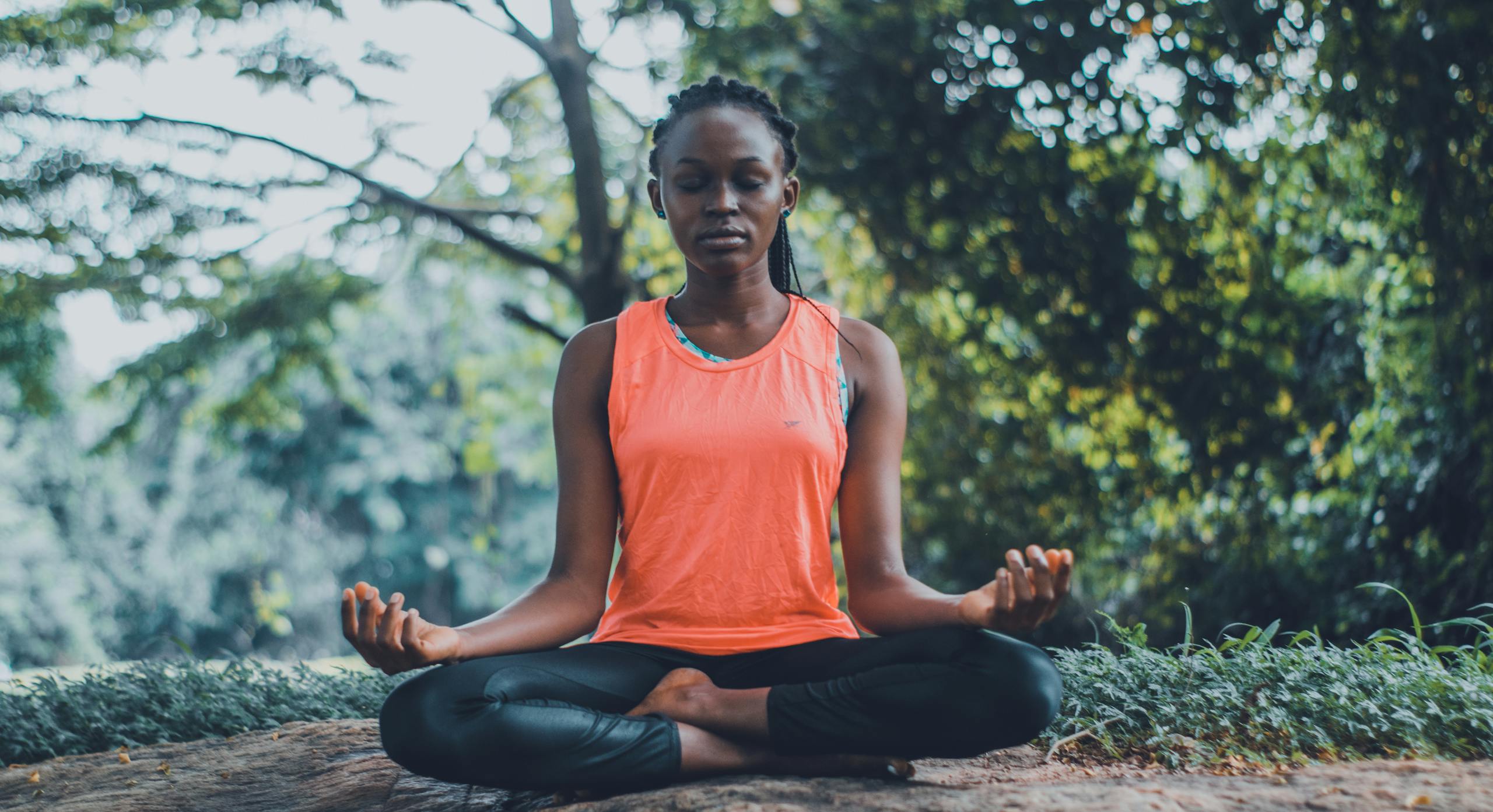

Introvert mindfulness works best when it aligns with how your brain already processes the world. Rather than forcing silence or guided apps, it draws on your natural depth and internal focus. Practices like sensory observation, reflective writing, and deliberate solitude give introverts a present-moment anchor that feels earned, not performed. No app required.
Quiet leadership isn’t a compromise. It’s a different operating system, and mindfulness is one of the places where that becomes most obvious.
I spent a long time believing that mindfulness meant sitting cross-legged in a silent room, breathing on command, and feeling peaceful on cue. None of that came naturally to me. My mind doesn’t go quiet because someone tells it to. It goes quiet when it has something worth thinking about, when I’m deep in a problem, when I’m watching a room instead of performing in it.
What changed things for me was recognizing that my brain was already doing something close to mindfulness every single day. I just hadn’t named it that way. Once I stopped trying to copy extroverted wellness culture and started working with my actual wiring, present-moment awareness stopped feeling like a chore and started feeling like coming home.

Why Does Standard Mindfulness Advice Often Miss the Mark for Introverts?
Most mainstream mindfulness content is built around a social model of wellness. Group meditation classes. Apps with cheerful instructors. Breathing exercises designed to calm anxiety from overstimulation in crowds. That framing assumes the problem is too much internal noise and not enough external engagement, though research from Psychology Today suggests this model may not account for how introverts naturally process stimulation differently. In fact, Psychology Today has found that introverts often bring distinct strengths to how they engage with the world.
What’s your personality type?
Take our free 40-question assessment and get a detailed personality profile with dimension breakdowns, context analysis, and personalised insights.
Discover Your Type8-12 minutes · 40 questions · Free
For many introverts, the opposite is true. The noise isn’t internal. It’s external. According to research from PubMed Central, the overstimulation doesn’t come from a busy mind left alone. It comes from a busy environment that won’t leave the mind alone. This external sensitivity is further supported by research from Waldenu on introvert psychology.
A 2023 study published through the National Institutes of Health found that introverted individuals demonstrate heightened sensitivity to environmental stimuli and process social information more deeply than their extroverted counterparts. That depth of processing is a strength, but according to research from Sc, it also means that mindfulness practices designed to quiet an under-stimulated brain will often feel hollow or even counterproductive for someone whose brain is already running at full depth.
During my agency years, I sat through more than a few corporate wellness initiatives that included guided meditation sessions before all-hands meetings. The intention was good. The execution felt like asking a marathon runner to stretch by doing jumping jacks. My brain didn’t need to be activated. It needed permission to slow down on its own terms.
What introverts often need from mindfulness isn’t stimulation or social accountability. They need practices that honor the internal processing that’s already happening, practices that feel like a natural extension of how they already move through the world.
What Does Present-Moment Awareness Actually Look Like for an Introvert?
Present-moment awareness, at its core, means noticing what’s happening right now without immediately evaluating it, fixing it, or filing it away for later analysis. For introverts, that last part is the tricky bit. We’re built for analysis. Turning that off isn’t the goal. Redirecting it is.
I had a client meeting years ago with a Fortune 500 brand where the room was tense and the stakes were high. My extroverted colleagues were managing the energy in the room, filling silences, performing confidence. I was doing something different. I was watching. I noticed the slight hesitation before the client’s lead answered a question. I noticed the way two of their team members exchanged a glance when we pitched a particular concept. I filed all of it.
That wasn’t distraction. That was deep present-moment awareness. I wasn’t somewhere else in my head. I was more in that room than anyone else at the table. The difference was that my version of presence looked like stillness from the outside while it was actually intense observation from the inside.
Present-moment awareness for introverts doesn’t require emptying the mind. It requires focusing the mind’s natural depth on what’s actually in front of you right now, the texture of a sound, the weight of a decision, the specific quality of light in a room, the feeling in your chest before you speak.
According to the American Psychological Association, mindfulness practices that emphasize non-judgmental observation, rather than thought suppression, tend to produce more sustainable benefits across personality types. That framing fits introverts far better than the “clear your mind” instruction that dominates popular wellness culture.

Which Mindfulness Practices Work Best Without Apps or Group Settings?
The practices that have worked for me, and that I’ve seen work for other introverts, share a common thread. They’re solitary, they’re sensory, and they give the analytical mind something specific to do rather than demanding it go blank.
Reflective Writing as Mindfulness
Writing is the practice I return to most consistently. Not journaling in the sense of documenting events, but writing as a way of slowing thought down enough to actually feel it. There’s something that happens when you put a pen to paper and commit to describing exactly what you’re experiencing in this moment, not what you think about it, not what it means, just what it is.
During a particularly difficult stretch when I was running my second agency and managing a team through a major client loss, I started keeping what I called a “right now” notebook. Each morning, before email, before strategy, I’d write three to five sentences describing only what was physically present in my experience at that moment. The temperature of my coffee. The sound of traffic outside. The specific quality of tiredness in my shoulders. It sounds small. It wasn’t. It anchored me to the present in a way that made everything that came after clearer.
A 2021 research paper from the Mayo Clinic highlighted expressive writing as a meaningful tool for stress regulation, particularly for individuals who tend toward internal processing. The act of externalizing internal experience, even briefly, creates a kind of cognitive pause that functions similarly to formal meditation.
Sensory Observation Walks
Walking without a destination and without earbuds is something I’ve practiced for years without realizing it had a name. The practice is simple. You walk slowly, and you deliberately notice five things you can see, four you can hear, three you can feel physically, two you can smell, and one you can taste or sense internally. You don’t analyze them. You just register them.
This works particularly well for introverts because it gives the observational mind a structured task. You’re not trying to think about nothing. You’re thinking about something very specific and very immediate. The analytical tendency gets redirected toward sensory detail instead of spinning on abstract worries or future planning.
I used to take these walks between client meetings when I was in the city. Twenty minutes, no phone calls, no podcasts, just the street and my own attention. I came back to meetings noticeably more present than colleagues who had spent the same twenty minutes on their phones. That wasn’t discipline. It was just a better match for how my brain recharges.
Deliberate Solitude with a Single Focus
Introverts often already practice this without labeling it as mindfulness. You sit with a cup of tea and look out the window. You spend twenty minutes with a book and actually absorb it. You cook a meal and pay attention to the process rather than treating it as something to get through.
The mindfulness piece comes from intentionality. The difference between zoning out and being present is whether you’re choosing to be in this moment or simply defaulting to it. Choosing matters. It shifts something in how the experience registers.
Psychology Today has written extensively about the restorative function of solitude for introverts, noting that deliberate alone time, when chosen rather than imposed, correlates with higher measures of life satisfaction and creative output in introverted individuals. That distinction between chosen and imposed is worth holding onto. Solitude as a mindfulness practice requires the choosing.

How Does Introvert Mindfulness Help with Burnout Recovery?
Burnout, for introverts, often arrives quietly. It doesn’t announce itself with a dramatic breakdown. It shows up as a gradual flattening, a loss of the depth that normally makes life feel interesting. Colors get less vivid. Problems feel less solvable. The internal richness that introverts rely on starts to feel like static.
I hit that wall in my mid-forties. I had been running agencies for over fifteen years and had spent most of that time performing a version of leadership that didn’t fit me. I was good at it, technically. But the performance cost was enormous, and I had been ignoring the bill for years. By the time I recognized what was happening, I was exhausted in a way that sleep didn’t fix.
What started pulling me back wasn’t therapy or vacation, though both helped. It was the deliberate return to small, present-moment practices. The morning writing. The walks without earbuds. The habit of sitting with my coffee for fifteen minutes before opening anything with a screen. These weren’t grand gestures. They were tiny reclamations of my own attention.
The World Health Organization classifies burnout as an occupational phenomenon characterized by feelings of energy depletion, increased mental distance from one’s work, and reduced professional efficacy. For introverts, the mental distance component often arrives first, and it arrives specifically because the internal life that normally provides meaning and energy has been crowded out by constant external demands.
Mindfulness practices that restore access to the internal world, rather than adding more external input, are particularly well matched to introvert burnout recovery. success doesn’t mean feel better by doing more. It’s to feel better by doing less, more deliberately.
A 2022 study through the National Institutes of Health on mindfulness-based interventions found that practices emphasizing present-moment awareness significantly reduced burnout symptoms across professional populations, with particularly strong effects in individuals who scored higher on measures of internal processing and sensitivity. That finding aligns with what I experienced personally and what I hear consistently from introverts who have worked through burnout.
Can Mindfulness Actually Change How Introverts Handle High-Pressure Situations?
Yes, and the mechanism is more practical than most wellness content suggests.
High-pressure situations, whether a difficult client presentation, a team conflict, or a high-stakes decision, tend to pull introverts out of the internal depth that is their actual advantage. The pressure to respond quickly, to perform confidence, to match the energy in the room, all of that pulls attention outward in a way that disconnects introverts from their strongest cognitive mode.
Mindfulness, practiced consistently, builds what I’d describe as a return mechanism. You develop the ability to find your internal anchor even in a noisy room. You learn to notice when you’ve been pulled off your own axis and to come back without drama.
There was a board presentation I gave about twelve years into running my first agency. The stakes were significant, the room was skeptical, and I had prepared thoroughly. Midway through, a board member interrupted with a pointed challenge that was designed to destabilize. In the past, I would have either over-explained or gone quiet in a way that read as weakness. Instead, I paused. Not a dramatic pause, just a breath and a moment of noticing where I was. Then I answered from a grounded place rather than a reactive one.
That ability to pause and return wasn’t natural talent. It was the product of months of small daily practices that had built a kind of internal steadiness. The mindfulness wasn’t happening in that boardroom. It had happened at 6 AM every morning for the previous year, and it showed up when I needed it.
Harvard Business Review has published several pieces on the relationship between mindfulness practice and executive presence, noting that leaders who practice present-moment awareness consistently demonstrate stronger decision-making under pressure and more effective communication in high-stakes environments. That tracks with my experience, and with what I’ve observed in other introverted leaders who have developed a consistent practice.

What Common Mindfulness Mistakes Do Introverts Make?
The most common mistake is treating mindfulness as another performance metric. Introverts who already hold themselves to high internal standards can easily turn a wellbeing practice into a checklist item, something to do correctly rather than something to actually experience.
I did this for the first two years of trying to build a practice. I would complete the morning writing and mentally check it off, then move immediately to the next thing. The form was there. The presence wasn’t. I was doing mindfulness rather than being present.
A second mistake is choosing practices that are too socially demanding. Group meditation, accountability apps with social features, wellness programs that require check-ins with a partner, all of these add a layer of social energy expenditure to something that should be restorative. Introverts often abandon these practices not because mindfulness doesn’t work for them, but because the delivery format drains them faster than the practice can restore them.
A third mistake is expecting quick results. Introverts tend to process deeply and expect their efforts to produce proportionally deep outcomes. Mindfulness builds slowly and compounds over time. The benefits at three months look nothing like the benefits at three years. Staying with a practice through the period when it doesn’t feel like it’s working is where the real development happens.
The Centers for Disease Control and Prevention has published guidance on mental health and stress management that emphasizes consistency over intensity in wellbeing practices. Brief, regular practices sustained over time produce more durable benefits than intensive short-term efforts. For introverts who tend toward depth over breadth, that finding can feel counterintuitive, but it holds.
How Do You Build a Sustainable Introvert Mindfulness Practice from Scratch?
Start smaller than feels meaningful. That’s the honest answer, and it took me years to accept it.
Five minutes of deliberate present-moment attention each morning, done consistently for sixty days, will do more for an introvert’s mental clarity and emotional steadiness than a weekend meditation retreat followed by nothing. The retreat might feel more significant. The daily five minutes will actually change things.
Pick one practice that matches your natural tendencies. If you’re a writer, start with reflective writing. If you’re a walker, start with sensory observation walks. If you’re someone who already has a quiet morning ritual, add intentionality to what you’re already doing. Don’t build a new structure. Deepen an existing one.
Protect the practice from social obligation. Tell people you have a morning commitment. Don’t explain what it is. Introverts often over-explain their need for solitude to people who won’t fully understand it anyway. You don’t owe anyone a justification for the fifteen minutes before your phone turns on.
Notice what the practice produces over time, not in the moment. Present-moment awareness doesn’t always feel profound while you’re doing it. The evidence shows up later, in a meeting where you stayed grounded, in a conversation where you listened more fully, in a decision where you didn’t rush past your own instinct. Those are the returns on the practice. They’re real, and they accumulate.
After twenty years in advertising, I can say with confidence that the most effective tool I developed wasn’t a strategic framework or a leadership style. It was the ability to be genuinely present in a moment that mattered, to bring my full attention to what was actually happening rather than what I was worried might happen next. That ability came from practice. Quiet, unglamorous, daily practice that no one else could see.

Explore more on personality, self-awareness, and introvert wellbeing in our complete Introvert Mindfulness and Self-Awareness Hub at Ordinary Introvert.
About the Author
Keith Lacy is an introvert who’s learned to embrace his true self later in life. After 20 years in advertising and marketing leadership, including running agencies and managing Fortune 500 accounts, Keith now channels his experience into helping fellow introverts understand their strengths and build fulfilling careers. As an INTJ, he brings analytical depth and authentic perspective to every article, drawing from both professional expertise and personal growth.
Frequently Asked Questions
What is introvert mindfulness and how is it different from standard mindfulness?
Introvert mindfulness is present-moment awareness practiced in ways that align with how introverts naturally process experience. Standard mindfulness advice often focuses on quieting an under-stimulated mind or building social accountability, both of which tend to work against introvert strengths. Introvert mindfulness draws on the natural depth, observation, and internal focus that introverts already bring to their daily experience, redirecting those qualities toward deliberate present-moment attention rather than trying to suppress them.
Do introverts need apps or guided programs to practice mindfulness effectively?
No. Many introverts find that apps and guided programs add a layer of social or performative pressure that works against the restorative quality of the practice. Solitary practices like reflective writing, sensory observation walks, and deliberate quiet time tend to be more sustainable and more effective for introverts than app-based or group-based approaches. The absence of external structure is often a feature, not a limitation, for introverted practitioners.
How does mindfulness help introverts recover from burnout?
Introvert burnout typically involves a loss of access to internal depth, the rich inner life that normally provides introverts with energy and meaning. Mindfulness practices that restore present-moment connection, particularly solitary sensory and reflective practices, help rebuild that internal access gradually. The process isn’t about adding more input. It’s about creating enough stillness that the internal world can re-emerge. Consistent small practices sustained over weeks and months produce more durable recovery than intensive short-term efforts.
What are the best mindfulness practices for introverts who don’t like meditation?
Reflective writing, sensory observation walks, and deliberate single-focus solitude are three practices that work well for introverts who find formal sitting meditation uncomfortable or ineffective. Each gives the analytical mind a specific task rather than demanding it go blank. Reflective writing externalizes internal experience in a way that creates cognitive pause. Sensory walks redirect observational depth toward immediate physical detail. Deliberate solitude with intentional focus transforms existing quiet habits into genuine mindfulness practice.
How long does it take to see real benefits from a mindfulness practice as an introvert?
Most introverts begin noticing subtle shifts in mental clarity and emotional steadiness within four to six weeks of consistent daily practice, even with sessions as short as five minutes. More significant benefits, including improved presence under pressure, stronger decision-making, and more durable burnout resilience, tend to become apparent after three to six months. The practice compounds over time. The benefits at one year are substantially greater than the benefits at one month, which is why consistency matters more than duration or intensity in any single session.