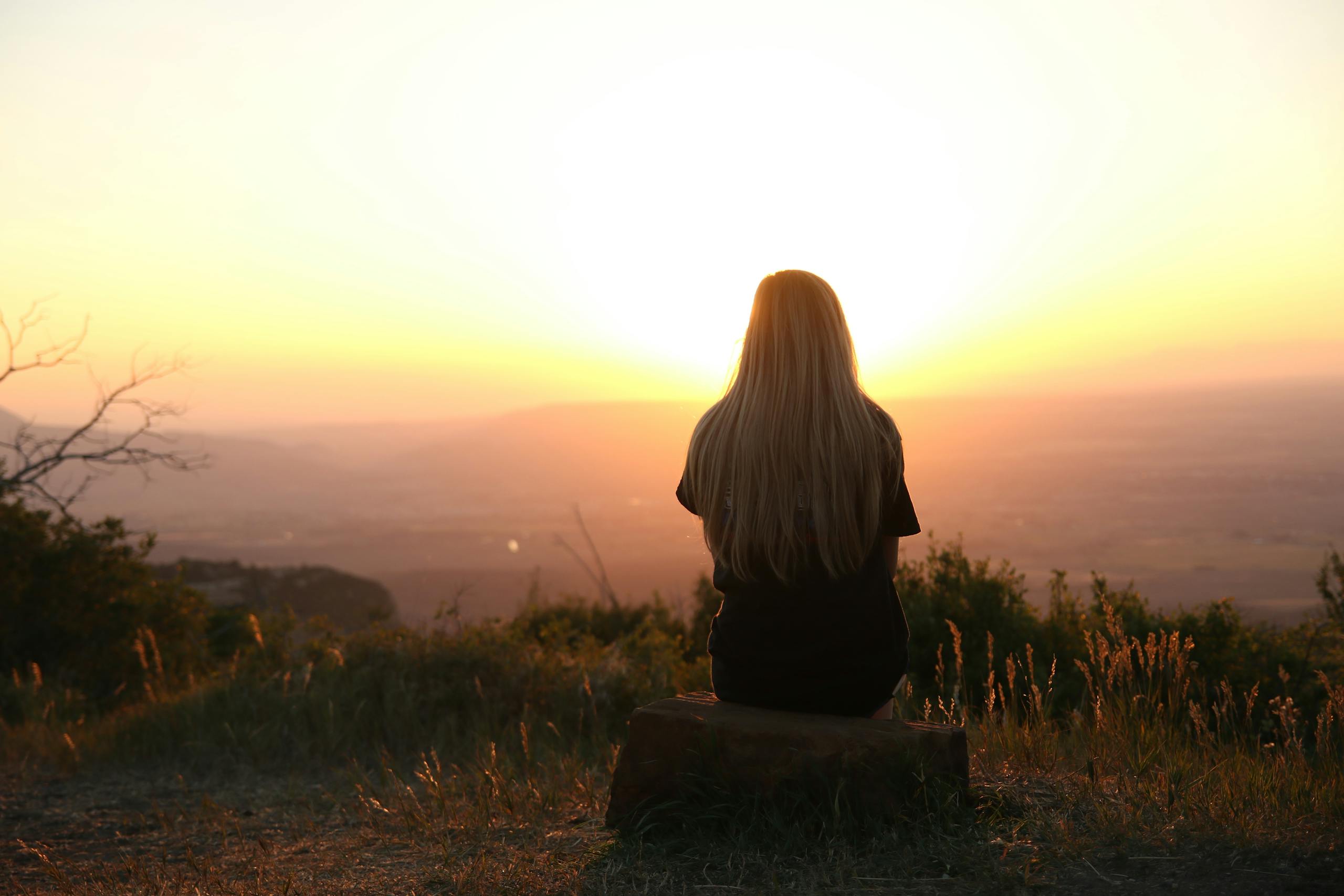

Nature doesn’t ask you to be louder, quicker, or more social. It simply exists, offering restoration on your terms.
After twenty years managing high-pressure client campaigns, I discovered something that changed how I approach energy management entirely. The strategy sessions, the conference calls stretching past midnight, the constant demand to be “on” left me depleted in ways I couldn’t articulate. My team noticed when I’d retreat to our building’s rooftop terrace during lunch breaks, drawn to the small garden someone had planted years ago. They assumed I was making calls. I was actually just sitting there, letting the wind move through the plants around me, feeling something click back into place. What I didn’t recognize then was how my introverted nature craved those outdoor moments.
People with this personality trait face unique challenges around energy depletion. Social situations, even enjoyable ones, drain mental resources faster for introverts who process stimulation differently. Nature offers something remarkable: a recharge mechanism that works with your wiring rather than against it.

The Science Behind Nature’s Restoration Effect
A comprehensive systematic review published in BMC Public Health examined 50 studies involving nature-based interventions. Researchers found that activities like gardening, green exercise, and nature-based therapy effectively improved depressive mood, reduced anxiety, and increased positive affect. The most effective programs ran eight to twelve weeks, with optimal sessions lasting twenty to ninety minutes.
What’s your personality type?
Take our free 40-question assessment and get a detailed personality profile with dimension breakdowns, context analysis, and personalised insights.
Discover Your Type8-12 minutes · 40 questions · Free
What matters here isn’t just exposure to green space. The data suggests active engagement with natural environments produces measurable mental health improvements. Participants who deliberately interacted with nature through structured activities showed greater benefits compared to passive exposure alone.
Your nervous system responds to outdoor environments differently than it responds to urban spaces. Research from the International Journal of Environmental Research and Public Health demonstrates that nature exposure correlates with improved cognitive function, better sleep quality, and reduced blood pressure. For introverts who experience overstimulation quickly, these physiological changes matter enormously.
Think about what happens in your body during a typical workday. Cortisol rises. Heart rate elevates. Mental fatigue accumulates. When researchers examined people who spent five to eight hours outdoors on weekends, they found lower rates of depression compared to those who stayed indoors less than thirty minutes. The contrast becomes stark when you consider how much time most of us spend in artificial environments.
Why Outdoor Spaces Work Differently for Introverts
People who recharge through solitude operate under different neurological patterns. Research from Oregon State University reveals that less complete forms of solitude provide more effective energy restoration for introverts. Activities like reading in a quiet park or walking alone on a familiar trail outperformed intense isolation in maintaining both energy and social connectedness.
Notice the pattern there. Complete disconnection doesn’t optimize recovery. Accessible solitude in natural settings offers something better: restoration alongside the option to engage if desired. Your brain doesn’t have to perform social calculations. It can simply exist, processing at its natural pace.
One agency client pushed back hard on our recommendation to move team meetings outdoors. She worried it would seem unprofessional. Six months later, after implementing weekly walking meetings in a nearby park, her team reported 30% less burnout. The change wasn’t about rejecting work. It was about creating conditions where people could think more effectively.

How Nature Reduces Cognitive Load
Urban environments demand constant attention filtering. You process traffic signals, move through crowds, interpret social cues, manage noise pollution. Each decision depletes cognitive resources. Research from UC Davis Health demonstrates that natural settings allow mental rest by reducing sensory overload.
Your brain’s default mode network activates during periods of reduced external stimulation. Researchers found that people who spent regular time in nature showed improved focus and concentration when returning to complex tasks. The mechanism appears straightforward: fewer demands on attention systems allow recovery of executive function.
Consider how different activities tax your mental resources for introverted individuals. A conversation requires processing verbal content, reading facial expressions, managing turn-taking, and monitoring your own responses simultaneously. Sitting near a stream eliminates most of those demands. The water flows regardless of your attention. Trees don’t require reciprocal engagement.
Leading diverse creative teams taught me something crucial about cognitive capacity. People produce their best work when they have space to think deeply. Forcing constant collaboration exhausted the team members who needed processing time. Once I started scheduling optional outdoor reflection periods before major brainstorming sessions, the quality of ideas improved noticeably. Those who opted for solo nature time arrived with more developed concepts.
The Solitude Factor
Time spent alone in natural environments serves a specific psychological function. Research distinguishes between isolation (loneliness) and chosen solitude (restorative). A 21-day diary study published in Scientific Reports found that autonomous solitude reduced daily loneliness and improved life satisfaction. The critical variable wasn’t the amount of time alone, but the voluntary nature of that choice.
You likely experience this distinction regularly. Forced social withdrawal feels isolating. Deliberately choosing to spend a Saturday morning hiking alone feels entirely different. Your nervous system recognizes the difference between avoidance and authentic preference.
Many people struggle to articulate why outdoor solitude differs from indoor isolation. The research suggests several factors: natural light exposure, physical movement, engagement with living systems, and the absence of social performance demands. Combined, these elements create conditions where mental restoration occurs naturally.

Practical Implementation Strategies
Knowing nature helps introverts doesn’t automatically translate into consistent practice. Life’s demands, weather conditions, and access barriers create real obstacles. Effective implementation requires strategic planning rather than wishful thinking.
Start with location assessment. Research from the Mental Health Foundation indicates that proximity to green space matters significantly. People living near parks, lakes, or gardens show higher rates of nature connection and lower depression scores. If accessing remote wilderness feels impractical, focus on discovering overlooked natural spaces near your regular routes.
Frequency beats duration for most people. Evidence suggests two hours weekly, divided across multiple sessions, produces measurable well-being improvements. That might mean four thirty-minute park visits or two hour-long trail walks. Consistency matters more than epic weekend adventures.
Try anchoring outdoor time to existing routines. Morning coffee on a balcony with plants. Lunch breaks spent sitting under a tree. Evening walks around the neighborhood before dinner. These small additions accumulate.
Addressing Common Barriers
Weather creates legitimate challenges. Rain, extreme heat, and cold temperatures require adaptation rather than cancellation. Covered porches, proper clothing layers, and timing adjustments all work. One of my former colleagues resisted outdoor meetings until we equipped everyone with quality rain jackets. Suddenly weather became less of an obstacle.
Urban environments present different complications. Limited green space access affects lower-income communities disproportionately. Solutions include seeking out green corridors, rooftop gardens, and planted street medians. Even small doses of nature exposure provide benefits compared to none.
Social pressure sometimes creates the biggest barrier. Friends and family who don’t understand your need for outdoor solitude may interpret it as rejection. Clear communication helps: “I’m going for a walk to clear my head. I’ll be back in an hour feeling more like myself.” Most people accept straightforward explanations better than vague excuses.

Different Nature, Different Results
Not all outdoor environments provide equal restoration for introverts. Research identifies specific characteristics that maximize mental health benefits: biodiversity, cleanliness, accessibility, and complexity. Parks with varied plant species and clear sight lines outperform monoculture spaces or areas with poor maintenance.
Blue spaces offer distinct advantages for introverts. Research indicates that people living near water bodies report higher life satisfaction and lower anxiety compared to those with access only to green spaces. The combination of visual beauty, sound variation, and open horizons appears particularly effective for mental restoration among those who need quiet environments.
Activity type matters too. Research distinguishes between passive nature exposure and active engagement. Gardening, nature photography, and gentle hiking produce stronger mental health improvements than simply sitting in a park. The key seems to be purposeful interaction rather than passive observation.
During my agency career, I noticed that account executives who engaged in active outdoor hobbies handled client stress more effectively than those who attempted to decompress through Netflix marathons. The ones who kayaked, gardened, or hiked maintained steadier energy levels throughout demanding project cycles. Their recovery patterns suggested something fundamental about how physical engagement with natural environments supports mental resilience.
Building a Sustainable Practice
Short-term experiments often fail because they lack integration with existing life patterns. Sustainable nature practice requires system design rather than motivation dependence.
Track your energy patterns for two weeks. Note when depletion hits hardest. Schedule outdoor time strategically around those periods. Many people discover that pre-emptive nature exposure prevents exhaustion more effectively than reactive recovery attempts.
Create location variety. Different outdoor spaces serve different restoration needs. A crowded park works fine for gentle stimulation reduction. Deep forest solitude serves different purposes. Beach environments offer yet another recovery profile. Matching environment to specific energy needs increases effectiveness.
Consider seasonal adaptation. Summer heat might push morning outdoor time earlier. Winter cold could shift focus to shorter, more frequent exposure. Flexibility prevents abandonment during challenging weather periods.
For additional energy management strategies, see our comprehensive guide on energy management beyond the social battery. Understanding signs your social battery is running low helps you recognize when outdoor restoration becomes necessary. For daily implementation, explore our article on energy management throughout the day.
Those seeking faster recovery methods might benefit from quick recharge techniques, alongside understanding the complete science behind social battery. If you work in environments that drain energy consistently, our guide on office survival strategies offers complementary approaches.
Making It Work Long-Term
Effectiveness requires ongoing adjustment. What works in spring might need modification by autumn. Life circumstances shift. Energy demands fluctuate. Rigid adherence to specific outdoor routines often leads to abandonment.
Pay attention to what actually restores your energy versus what you think should work. Some introverts find solo trail running restorative. Others need slow walks with frequent stops. Your specific restoration profile emerges through experimentation and honest self-assessment.
Document what works. Simple notes tracking which activities and environments produce genuine energy recovery help identify effective patterns. Over time, you’ll develop personalized knowledge about your optimal nature recharge methods.
Most importantly, recognize that nature-based restoration represents one tool among many. It works synergistically with proper sleep, meaningful work, and authentic relationships. No single approach handles all energy management needs. Integration creates resilience.
Explore more resources in our complete Energy Management and Social Battery Hub.
Frequently Asked Questions
How much nature time do I actually need each week?
Research suggests a minimum of two hours weekly produces measurable mental health benefits. You can divide that time across multiple sessions. Four thirty-minute periods work as effectively as two hour-long blocks. What matters most is consistency rather than session length. Start with fifteen minutes daily if two hours feels unattainable, then gradually increase as the practice becomes habitual.
Does my backyard count as nature exposure?
Yes. Research on nature exposure demonstrates that even small amounts of nature contact provide benefits compared to zero exposure. A backyard with plants, a balcony garden, or a tree-lined street all offer restoration potential. While wilderness experiences might provide stronger effects, accessible everyday nature serves your energy management needs effectively. Quality matters more than exotic locations.
What if I live in a city with limited green space?
Urban environments require creative solutions. Look for rooftop gardens, community parks, tree-lined streets, and waterfront areas. Green corridors connecting different neighborhoods often go unnoticed. Even indoor plants, window views of trees, or recordings of natural sounds provide measurable benefits compared to complete absence of nature connection. Distance to perfect wilderness shouldn’t prevent accessible nature use.
Can I combine nature time with social activities?
Combining outdoor time with social interaction reduces some restoration benefits but doesn’t eliminate them entirely. The research suggests that solo nature experiences provide maximum energy recovery. However, gentle social activities like walking with one trusted friend offer different but still valuable benefits. Match activity type to your current energy needs and restoration goals.
What activities work best for energy restoration?
Active engagement with nature produces stronger results than passive observation for introverts. Gardening, nature photography, gentle hiking, and mindful walking all show significant mental health improvements. The key involves purposeful interaction rather than simply being present. Choose activities that match your energy level: strenuous when energized, gentle when depleted. Different activities serve different restoration needs throughout varying life circumstances.
About the Author
Keith Lacy is someone who learned to embrace his true self later in life. With a background in marketing and a successful career in media and advertising, Keith has worked with some of the world’s biggest brands. As a senior leader in the industry, he built extensive knowledge in marketing strategy. Now, he’s on a mission to educate both those who identify this way and others about the power of this personality trait and how recognizing these characteristics can lead to new levels of productivity, self-awareness, and success.