
Introverts and extroverts don’t just prefer different social situations. They process the world through fundamentally different neurological systems, which means their emotional reactions, decision-making patterns, and responses to stress often look nothing alike. Understanding why these differences exist, rather than judging them, changes how you see yourself and the people around you.

My first real awareness of this came during a new business pitch at my agency. We’d spent three weeks preparing. The creative was strong, the strategy was tight, and I felt genuinely confident walking in. Then the client started asking rapid-fire questions, one after another, barely pausing between them. My extroverted account director was in his element, answering each one with visible energy. I, on the other hand, felt something close to a mental traffic jam. Not because I didn’t know the answers. Because I needed a beat to process before I could speak well. That moment planted a question I’ve been sitting with ever since: why do two equally capable people react so differently to the exact same situation?
The answer runs deeper than personality preference. It reaches into brain chemistry, nervous system wiring, and decades of psychological research.
Why Do Introverts and Extroverts React Differently to the Same Situation?
The most widely cited neurological explanation points to dopamine sensitivity. A 2005 study published through the American Psychological Association found that introverts and extroverts respond differently to dopamine, the brain’s primary reward chemical. Extroverts appear to have a higher threshold, meaning they need more stimulation to feel that reward response. Introverts are more sensitive to it, which is why a quiet evening at home genuinely feels satisfying rather than like settling for less.
What’s your personality type?
Take our free 40-question assessment and get a detailed personality profile with dimension breakdowns, context analysis, and personalised insights.
Discover Your Type8-12 minutes · 40 questions · Free
There’s also the acetylcholine pathway. Introverts tend to rely more heavily on this neurotransmitter, which is associated with focused attention, long-term memory, and calm alertness. It’s why many introverts feel most alive when they’re thinking deeply about a problem rather than moving quickly through a crowd of conversations.
None of this is a flaw in either direction. It’s simply two different operating systems running on the same hardware.

| Dimension | Introvert | Extrovert |
|---|---|---|
| Dopamine Sensitivity | More sensitive to dopamine; requires less stimulation to feel reward response and satisfaction | Higher dopamine threshold; needs more stimulation to trigger reward response and feel energized |
| Primary Neurotransmitter | Rely on acetylcholine for focused attention, long-term memory, and calm alertness | Respond more to dopamine pathways that drive stimulation-seeking and social interaction |
| Emotional Processing Method | Process emotions internally first; may take hours or days to fully understand feelings | Process emotions outwardly and in real time; talk through feelings as they occur to understand them |
| Cognitive Style in Meetings | Think before speaking; best thinking happens before, after, or away from the room entirely | Thinking happens through speaking; verbal processing is part of their cognitive process |
| Stress Recovery Method | Seek solitude to restore energy; crowded interaction amplifies stress and overwhelm | Seek social connection and discussion; solitude can amplify stress rather than reduce it |
| Overstimulation Response | Neurological response to excessive sensory and social input; performance differs from comfort | Stimulation generally feels energizing; designed by and for people who thrive on high input |
| Relationship Communication Needs | Need quiet time before engaging after demanding situations; silence is restorative not rejecting | Want immediate conversation and debriefing after events; discussing outwardly helps them process |
| Behavioral Adaptation Capacity | Can stretch outside comfort zone situationally, but core wiring remains; adaptation has costs | Naturally suited to fast-paced environments; verbal responsiveness aligns with core personality |
| Professional Strength | Exceptional at noticing subtle details and hesitations others miss; better follow-up analysis | Excel in immediate verbal contribution and fast-paced group collaboration and brainstorming |
How Does Emotional Processing Differ Between Introverts and Extroverts?
Emotional reactions are where the introvert-extrovert divide becomes most visible, and most misunderstood. Extroverts tend to process emotions outwardly and in real time. They talk through feelings as they’re having them. They get energy from the act of expressing, and that expression helps them understand what they actually think or feel.
Introverts do the opposite. Emotion lands internally first, sometimes sitting quietly for hours or days before it fully surfaces. I’ve had situations where a difficult client conversation happened on a Monday, and I didn’t fully understand how I felt about it until Wednesday morning in the shower. That’s not avoidance. That’s just how my processing works.
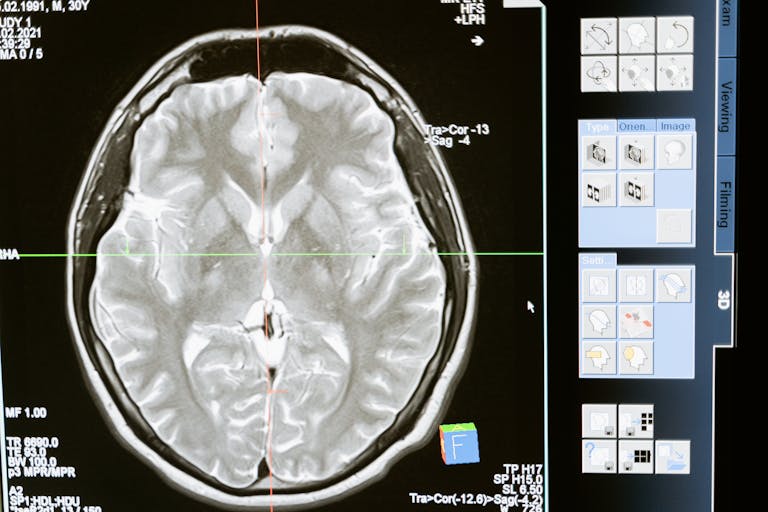
A 2012 study from researchers at the National Institutes of Health found differences in blood flow patterns between introverted and extroverted brains. Introverts showed more activity in frontal lobe regions associated with internal processing, planning, and self-reflection. Extroverts showed stronger activity in sensory and motor processing areas tied to external experience. These aren’t just personality quirks. They’re structural tendencies with real behavioral consequences.
What this means practically is that an introvert who seems quiet or withdrawn after a difficult conversation isn’t being cold or dismissive. They’re doing the work of understanding what just happened. Pushing them to react immediately often produces a response that doesn’t reflect what they actually think, which creates more confusion for everyone.
Why Do Introverts Need More Time to Respond Than Extroverts?
One of the most consistent frustrations introverts face in professional settings is the expectation of immediate verbal response. Meetings, brainstorming sessions, client calls, all of them reward the person who speaks first and speaks fast. Extroverts are naturally wired for that environment. Their thinking happens through speaking, so the act of talking out loud is itself part of their cognitive process.
Introverts think before they speak. That’s not a slower version of extroversion. It’s a different sequence entirely. My best thinking at the agency almost never happened in the room. It happened afterward, or in the quiet before the meeting started, or during a long drive home. I learned to build that reflection time into my process deliberately, sending written follow-ups after client calls, scheduling thinking time before major decisions, and letting my team know that my silence during a presentation wasn’t disengagement.
The Psychology Today research library has documented this pattern extensively, noting that introverts often produce more carefully considered responses precisely because they’ve had time to filter information through multiple layers of analysis before speaking. The cost is speed. The benefit is depth and accuracy.
In a culture that often equates speed with intelligence, this creates a real perception problem for introverts. Learning to advocate for your processing style, to say “I want to think about this and come back to you tomorrow,” is one of the most professionally valuable things an introvert can do.

How Do Introverts and Extroverts React Differently to Stress?
Stress responses diverge significantly along this personality dimension, and the differences matter enormously for how people recover and function under pressure.
Extroverts under stress often seek social connection. They want to talk about what’s happening, be around other people, and process the difficulty through interaction. Solitude can actually amplify their stress rather than reduce it. This is why an extroverted colleague might want to debrief immediately after a hard meeting, calling someone or walking into a colleague’s office to process out loud.
Introverts under stress do the opposite. Crowding more social interaction into an already stressful situation can feel genuinely overwhelming. Solitude is restorative, not isolating. Quiet is productive, not empty. After a particularly brutal client review once, where a campaign we’d spent months on got pulled at the last minute, I needed about two hours alone before I could think clearly again. My extroverted creative director wanted to gather the team immediately and talk it through. Neither of us was wrong. We just needed completely different things.
The Mayo Clinic has noted that chronic misalignment between a person’s natural stress-recovery style and their environment can contribute to burnout and anxiety over time. For introverts who spend years forcing themselves into extroverted recovery patterns, this is a real and underappreciated risk.
Understanding your own stress signature, knowing what you actually need when things get hard, is one of the more practical forms of self-knowledge available to any introvert. It’s also something worth communicating clearly to the people you work and live with.
Do Introverts Experience Overstimulation Differently Than Extroverts?
Yes, and the gap is wider than most people realize. Overstimulation for an introvert isn’t just feeling tired at a loud party. It’s a genuine neurological response to sensory and social input that has exceeded the system’s comfortable threshold.
I spent years in advertising, which is an industry built on stimulation. Pitches, presentations, client entertainment, industry conferences, open-plan offices with music and conversation happening simultaneously. Every one of those environments was designed by and for people who found stimulation energizing. I learned to perform in them. But performance is different from comfort, and the gap between the two has a cost.
A 2021 report from the Harvard Business Review examined how introverted leaders manage energy across high-demand environments, finding that the most effective ones built deliberate recovery practices into their schedules rather than waiting until they were depleted. That resonated with me deeply. My most productive years were the ones where I stopped pretending I could match the stamina of my extroverted colleagues and started designing my schedule around how I actually function.
Extroverts experience something closer to the opposite. Understimulation is the problem for them. A quiet afternoon with no meetings, no social interaction, and no external input can feel draining rather than restorative. Their nervous system is looking for input the way a phone looks for a signal.
Neither response is a character flaw. Both are legitimate neurological realities that deserve to be accommodated rather than corrected.
How Do These Reaction Differences Show Up in Relationships?
The introvert-extrovert divide creates some of the most common friction points in close relationships, particularly when neither person understands what’s actually happening underneath the surface behavior.
An extrovert who comes home wanting to talk through their day and encounters a partner who needs an hour of quiet first can easily interpret that silence as rejection or disinterest. The introvert, meanwhile, may feel genuinely overwhelmed by the immediate demand for engagement and withdraw further, which confirms the extrovert’s fear. Both people are responding authentically to their own needs. The problem is the absence of a shared framework for understanding those needs.
The same dynamic plays out in professional relationships. An extroverted manager who interprets an introvert’s silence in meetings as lack of engagement may start overlooking them for visible projects. An introverted employee who doesn’t understand why their extroverted colleague seems to need constant conversation may read it as neediness or poor focus. Personality type awareness doesn’t solve these tensions automatically, but it gives people a vocabulary for talking about them without blame.
The American Psychological Association has published extensively on how personality differences in couples and work teams affect communication patterns and conflict resolution. The consistent finding is that awareness of difference, not similarity, is what predicts relational success. People don’t need to be wired the same way. They need to understand how the other person is wired.

Can Introverts Learn to React More Like Extroverts, and Should They?
This is a question I sat with for most of my career, and I want to be honest about how I answered it for a long time versus how I answer it now.
For years, I tried to adapt. I pushed myself to respond faster in meetings, to match the social energy of extroverted colleagues, to perform enthusiasm I didn’t naturally feel in large group settings. Some of that was useful. Stretching outside your comfort zone builds range, and range is valuable. But there’s a difference between expanding your repertoire and abandoning your wiring entirely, and I spent too long trying to do the latter.
The research on this is fairly clear. A 2018 study from researchers affiliated with the National Institutes of Health found that while people can and do adapt their behavior situationally, core personality traits remain relatively stable across adulthood. Introverts who consistently act against their natural orientation report higher levels of emotional exhaustion and lower life satisfaction over time. success doesn’t mean become extroverted. It’s to become a more effective, self-aware version of who you already are.
What introverts can genuinely develop is fluency. The ability to engage more comfortably in extroverted environments, to communicate their needs clearly, to advocate for the conditions that allow them to do their best work. That’s not imitation. That’s adaptation with self-respect intact.
I eventually stopped trying to run my agency the way I imagined an extroverted CEO would run it. I started running it the way I actually think and work well. Smaller meetings with clear agendas sent in advance. Written communication for complex decisions. One-on-one conversations instead of large group brainstorms. My team got better work out of me once I stopped pretending to be someone else.
What Are the Strengths That Come From Introverted Reactions?
There’s a tendency in conversations about introvert-extrovert differences to frame extroverted reactions as the default and introverted reactions as the limitation. That framing is worth pushing back on directly.
The same internal processing that makes introverts slower to respond in fast-paced group settings also makes them exceptionally good at catching what others miss. I’ve sat in client meetings where the conversation was moving quickly and everyone seemed aligned, and I was the one who noticed the subtle hesitation in the client’s voice when a particular budget figure was mentioned. My instinct was to sit with that observation rather than voice it immediately. After the meeting, I brought it up privately with my account director, and it turned out to be exactly the issue that nearly derailed the project two weeks later.
That capacity for deep observation, for noticing the quiet signals beneath the surface noise, is a genuine strength. So is the tendency toward careful preparation, thorough analysis, and considered communication. These aren’t consolation prizes for people who can’t keep up with extroverts. They’re distinct capabilities with real professional value.
The most effective introverts I’ve known, and the version of myself I’m most proud of, aren’t people who learned to hide their introversion. They’re people who learned to deploy it strategically, to be present and quiet when presence and quiet is exactly what the situation needs.

If you want to go deeper on how introversion shapes your professional strengths and daily experience, the Ordinary Introvert personality hub covers the full spectrum of what it means to be wired this way in a world that often rewards the opposite.
About the Author
Keith Lacy is an introvert who’s learned to embrace his true self later in life. After 20 years in advertising and marketing leadership, including running agencies and managing Fortune 500 accounts, Keith now channels his experience into helping fellow introverts understand their strengths and build fulfilling careers. As an INTJ, he brings analytical depth and authentic perspective to every article, drawing from both professional expertise and personal growth.
Frequently Asked Questions
Why do introverts take longer to respond than extroverts?
Introverts process information internally before speaking, which means their thinking happens in sequence rather than simultaneously with expression. This produces more considered responses but requires more time. Extroverts think through talking, so the verbal response is itself part of their cognitive process. Neither approach is superior. They’re simply different sequences for arriving at a response.
What causes introverts to feel drained by social interaction?
The neurological sensitivity that characterizes introversion means social environments require more active processing. Introverts are managing more internal data during interactions, reading subtle cues, filtering responses, and sustaining attention across multiple conversational threads simultaneously. That cognitive load is real, and solitude allows the nervous system to recover from it. It’s not about disliking people. It’s about how the system restores itself.
Do introverts feel emotions more intensely than extroverts?
Not necessarily more intensely, but often more privately and with a longer processing arc. Introverts tend to experience emotions deeply and internally, which can make those emotions feel more sustained because they’re not being expressed and released in real time. Extroverts often process emotion through expression, which can make feelings move through them more quickly. Both experiences are valid. The difference lies in timing and direction, not depth.
Can introverts become more extroverted over time?
People can develop behavioral flexibility and become more comfortable in extroverted environments through practice and self-awareness. Core personality orientation, though, tends to remain stable across adulthood. The more useful goal for most introverts isn’t becoming extroverted but becoming fluent enough in extroverted contexts to function well without abandoning what makes them effective. Sustainable adaptation looks different from wholesale personality change.
How do introvert and extrovert stress responses differ?
Extroverts typically recover from stress through social connection and external stimulation. Introverts recover through solitude and reduced input. Forcing an introvert into social recovery strategies, or leaving an extrovert alone when they’re stressed, can actually worsen the situation rather than improve it. Recognizing your own stress signature and communicating it clearly to the people around you is one of the most practical things either personality type can do for their own wellbeing.