You’ve been counting down the days for weeks. A retreat designed specifically for introverts, promising meditation sessions, solo nature walks, and peaceful contemplation time. The brochure featured images of serene landscapes and people sitting in comfortable silence. This was supposed to be your sanctuary from an overstimulating world. Then you arrived and discovered something unexpected: the retreat was anything but quiet.
The opening circle required everyone to share their deepest struggles with total strangers. Group activities filled every waking hour. Facilitators insisted that meaningful connections happen best in large gatherings. Your quiet sanctuary transformed into an extrovert’s playground wearing introvert clothing. If this scenario feels painfully familiar, you’re not alone.

The Promise Versus the Reality
I’ve experienced this disconnect firsthand during my years in the advertising industry. Company retreats were marketed as team-building opportunities with ample downtime, but the reality featured wall-to-wall activities designed to maximize interaction. Managing Fortune 500 accounts meant attending countless events labeled as “quiet networking sessions” that were anything but peaceful. The pattern became predictable: someone’s idea of restorative rest meant structured bonding exercises that left me more depleted than before I arrived.
What’s your personality type?
Take our free 40-question assessment and get a detailed personality profile with dimension breakdowns, context analysis, and personalised insights.
Discover Your Type8-12 minutes · 40 questions · Free
The wellness industry has embraced retreats as a solution for modern burnout, but many organizers fundamentally misunderstand what quietness means for those who process the world differently. According to research published by the Calm mindfulness platform, the gap between expectation and reality serves as one of the primary drivers of emotional distress. Anticipating peace and receiving chaos creates a cognitive dissonance that compounds the very stress you sought to escape.
Psychologists describe this phenomenon as expectation violation, where our mental preparation for an experience clashes dramatically with what unfolds. For introverts already sensitive to environmental stimuli, this violation hits particularly hard. Your nervous system prepared for restoration, and instead it received additional demands.
Why “Quiet” Means Different Things to Different People
The core issue stems from a fundamental misalignment in how introverts and extroverts define restful experiences. Retreat organizers, even well-intentioned ones, frequently default to social definitions of fulfillment. They assume that meaningful experiences require verbal sharing, group processing, and collective activities. This assumption ignores the neurological differences between personality types that psychology research has documented for decades.
Cornell University researchers found that extroverts possess a more active dopamine reward system, causing them to seek external stimulation for satisfaction. Introverts, conversely, experience overstimulation more rapidly because their brains process dopamine differently. What energizes one personality type can overwhelm another within the same environment.

During one agency leadership summit I attended, organizers scheduled what they called a “reflective afternoon.” Upon arrival, I discovered this meant small group discussions about our vulnerabilities, followed by partner exercises requiring extended eye contact. The facilitator seemed genuinely confused when several of us requested actual solitary reflection time. Her concept of reflection still centered on social interaction, just with fewer participants.
This disconnect explains why many introvert-focused events fail their intended audience. Organizers may genuinely believe they’ve created restorative spaces by reducing group sizes or lowering music volume. They address surface-level symptoms of overstimulation yet fail to tackle the underlying structural demands on social energy.
Recognizing Red Flags Before You Book
Protecting your energy starts before arrival. Carefully reviewing retreat descriptions can reveal whether organizers truly understand introvert needs or simply borrowed marketing language. Watch for these warning signs:
Schedules packed with group activities from morning until evening suggest limited personal space. Phrases like “sharing circles,” “group processing sessions,” or “community bonding experiences” indicate social-heavy programming. Requirements to participate in all activities signal inflexibility around individual needs. Shared accommodations with strangers means zero guaranteed private recharge time.
Genuine introvert-friendly retreats build significant unstructured time into their schedules. They offer private or semi-private accommodations. They clearly state that participation in group activities remains optional. Most importantly, they demonstrate awareness that some attendees will spend substantial portions of their retreat in solitary pursuits, and they design the experience to support this choice, ensuring no one feels antisocial.
I learned to ask pointed questions before committing to any retreat or conference. What percentage of the schedule involves optional versus mandatory activities? Are meals communal or can attendees eat privately? Is there easy access to quiet outdoor spaces? Can I leave group sessions early if needed? Organizers who respond defensively to these questions reveal their true priorities.

Survival Strategies When You’re Already There
Sometimes you discover the mismatch after arriving. Perhaps the description was misleading, or the reality deviated significantly from the marketing materials. A Johns Hopkins University study on social expectations found that introverts generally anticipate social interactions will be more draining than they actually experience. Yet even accounting for this tendency toward pessimism, some events genuinely exceed reasonable demands on social energy.
Creating micro-boundaries becomes essential for survival. Arrive at meals slightly after the rush to secure a quieter table position. Sit near exits so you can slip away gracefully when overwhelmed. Use bathroom breaks strategically as brief decompression periods. Return to your room between sessions to reset your nervous system before the next activity.
Communicate your needs directly when necessary. Most facilitators will accommodate reasonable requests once they understand the genuine need behind them. Saying “I’m feeling overstimulated and need some quiet time” works better than pushing yourself until shutdown becomes inevitable. Research on social exhaustion indicates that proactive boundary-setting prevents the deeper recovery periods required after complete burnout.
My experience leading diverse teams taught me that advocating for your needs rarely offends reasonable people. During one corporate wellness retreat, I politely skipped the evening karaoke session and took a solo walk instead. Several colleagues thanked me afterward for “giving them permission” to do the same next time. Modeling boundary-setting can benefit everyone, not just yourself.
The Rise of Genuinely Introvert-Designed Experiences
The good news is that awareness is growing. More retreat organizers are recognizing that quiet means different things to different nervous systems. Introvert-specific social groups are emerging across the country, offering alternatives to traditionally extrovert-dominated spaces.
These genuinely introvert-friendly experiences share common characteristics. They prioritize solo contemplation time as equal to group activities. They design spaces that allow easy retreat, free from social penalty. They train facilitators to recognize signs of overstimulation and respond appropriately. They accept that someone spending an entire afternoon reading alone is experiencing the retreat exactly as intended.

A study published in Frontiers in Psychology demonstrated that introverts with high social engagement actually report greater self-esteem than introverts with low engagement. The crucial factor is quality over quantity. Brief, meaningful interactions followed by adequate recovery time produce better outcomes than forced marathon socialization. Retreats designed around this research create space for connection without demanding constant availability.
Creating Your Own Quiet Within Chaos
Sometimes the perfect retreat simply doesn’t exist, or budget constraints limit your options. In these situations, developing internal quietness becomes a portable skill you carry everywhere. Mindfulness practices allow you to create mental sanctuary regardless of external noise. Noise-canceling headphones provide physical buffer when environmental control proves impossible.
Reframing expectations can also reduce disappointment. Approaching a retreat as a buffet where you’ll sample what serves you, rather than an obligation requiring full consumption, shifts the experience dramatically. You attended seeking restoration; the specific path toward that goal can flex based on what you encounter.
Building personal practices for finding peace in noisy environments serves you far beyond retreat settings. Workplaces, family gatherings, and daily life all present similar challenges. The skills you develop working through disappointing retreats transfer directly to countless other situations where quiet isn’t readily available.
After two decades of managing teams and attending corporate events, I realized that protecting my energy wasn’t selfishness. It was maintenance. Just as a car requires fuel to function, introverts require adequate quiet to perform at their best. Apologizing for this need made as much sense as apologizing for needing sleep.
When to Cut Your Losses and Leave
Knowing when to abandon an experience that’s actively harmful requires honest self-assessment. Some retreats are salvageable with boundary-setting and creative adaptation. Others are fundamentally incompatible with your needs, and staying only deepens the damage.
Signs that leaving makes sense include physical symptoms of prolonged overstimulation: persistent headaches, difficulty sleeping, increased irritability, or feeling disconnected from yourself. If you’re spending more energy managing the retreat than benefiting from it, the cost-benefit analysis shifts dramatically. The research on introversion and wellbeing confirms that forcing social engagement beyond your capacity produces diminishing returns and potential harm.
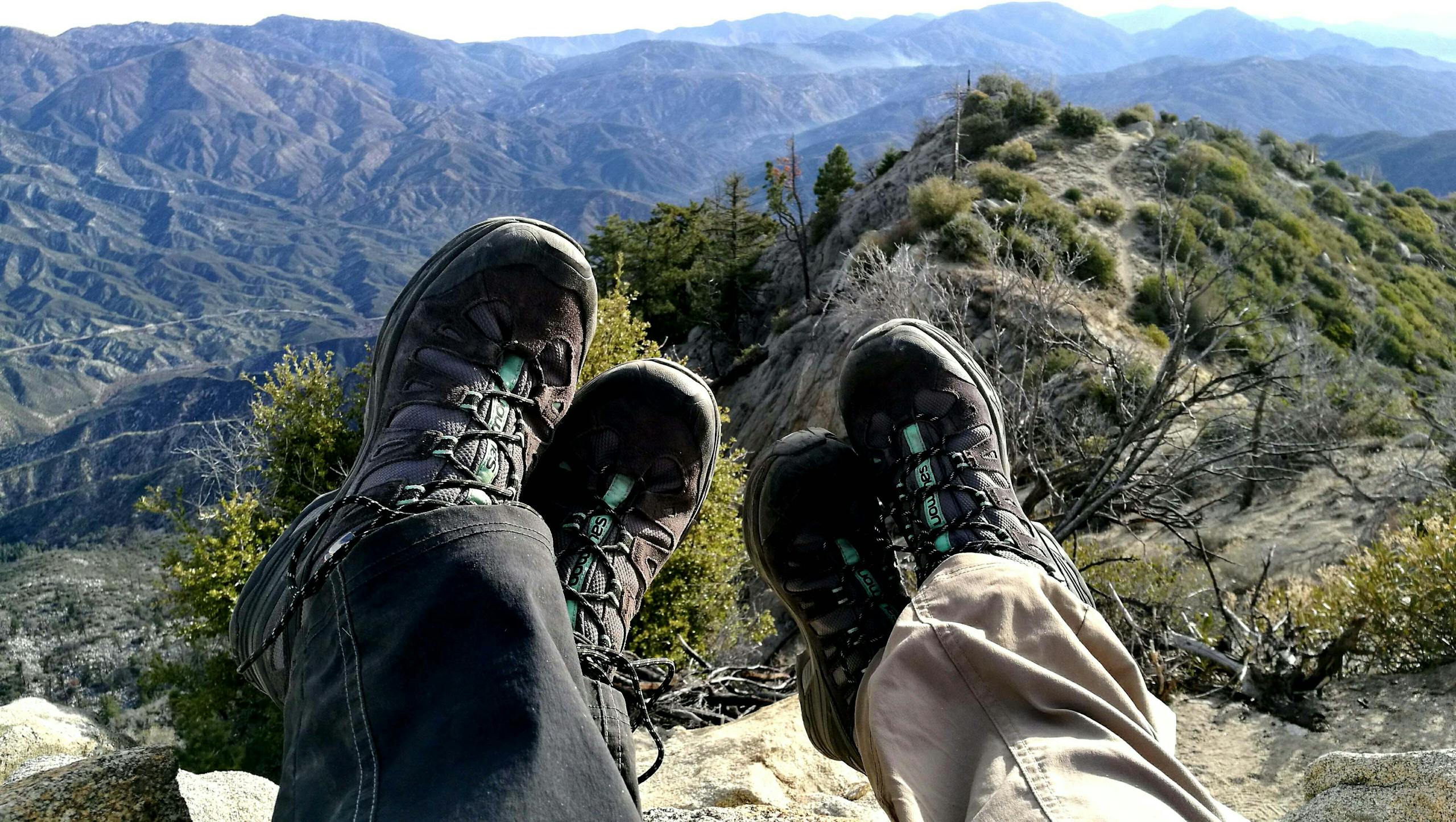
Leaving early feels like failure only if you measure success by endurance. Reframe departure as wisdom: you recognized what you needed and took action to protect yourself. Support groups and community resources exist for processing these experiences afterward, helping you identify better-suited opportunities for your next attempt at restorative retreat.
Advocating for Better-Designed Experiences
Beyond individual coping strategies, systemic change requires collective voice. Leaving honest reviews about retreat experiences helps future attendees make informed decisions. Communicating directly with organizers about what worked and what didn’t provides feedback they may genuinely need. Many wellness professionals want to serve all personality types but lack the perspective to grasp introvert needs absent direct input.
Suggesting specific improvements proves more effective than general criticism. Recommending built-in solo time, optional group activities, or quiet dining options gives organizers actionable steps. Frame suggestions around serving attendees better, not personal preferences alone. Data on the quiet power of introversion and its prevalence in the population strengthens your case that these modifications serve substantial numbers of potential attendees.
Some of my most meaningful professional contributions came from advocating for quieter spaces in traditionally loud environments. Suggesting a “recharge room” at agency conferences or quiet hours during team retreats initially met resistance but eventually became standard practice. The quiet ones need champions who vocalize needs that many of us struggle to articulate in the moment.
Finding Your Personal Definition of Restoration
At the core, grasping what truly restores your energy matters more than fitting into any retreat’s definition of restoration. For some introverts, solo hiking provides more rejuvenation than any organized event could offer. For others, structured activities with clear endpoints and ample recovery time work well. There’s no universal prescription for what “quiet enough” means.
Pay attention to what genuinely refills your energy reserves versus what society suggests should work. Your nervous system contains wisdom about its own needs if you develop the awareness to listen. The reasons introverts prefer certain communication styles reflect deeper neurological patterns worth honoring instead of overriding.
Creating your ideal restorative experience might require combining elements from multiple sources: solo travel with brief, optional social components; personal retreats at quiet accommodations where you control your schedule entirely; or staycations designed around your precise restoration needs. The goal isn’t finding the perfect retreat out there; it’s knowing yourself well enough to build what you actually need.
Years of leading teams taught me that my best work emerged from adequate restoration, not relentless pushing. The same principle applies to life beyond work. Protecting your quiet isn’t avoiding growth; it’s creating the foundation from which growth becomes sustainable. Quiet events that aren’t quiet represent a mismatch between packaging and contents. Your job is distinguishing genuine restoration from its imitation, then choosing accordingly.
Explore more resources for balanced living in our complete General Introvert Life Hub.
About the Author
Keith Lacy is an introvert who’s learned to embrace his true self later in life. With a background in marketing and a successful career in media and advertising, Keith has worked with some of the world’s biggest brands. As a senior leader in the industry, he has built a wealth of knowledge in marketing strategy. Now, he’s on a mission to educate both introverts and extroverts about the power of introversion and how understanding this personality trait can unlock new levels of productivity, self-awareness, and success.
Frequently Asked Questions
How can I tell if a retreat will actually be quiet before I book?
Review the daily schedule for unstructured time blocks and optional activity designations. Contact organizers directly to ask about participation requirements, accommodation privacy, and whether attendees can skip sessions without penalty. Genuine introvert-friendly retreats welcome these questions and provide clear, accommodating answers.
What should I do if I feel overwhelmed during a retreat?
Step away from group activities to a private space when overstimulation signs appear. Communicate your needs to facilitators using clear language about requiring quiet time. Use strategic breaks between sessions to reset your nervous system. Remember that protecting your energy serves your long-term wellbeing more than pushing past your limits.
Is it acceptable to leave a retreat early if it’s not meeting my needs?
Absolutely. Recognizing when an experience is harmful rather than helpful demonstrates self-awareness, not failure. If physical symptoms of overstimulation persist despite boundary-setting efforts, leaving protects your mental and physical health. Reframe early departure as wisdom about your genuine needs.
Why do so many introvert-friendly events still feel overwhelming?
Many organizers reduce surface-level stimulation like volume or group size yet fail to address the structural social demands. They may define quiet differently than introverts do, still centering activities around interaction and sharing. The disconnect stems from fundamental misunderstanding of how introvert nervous systems process stimulation and restore energy.
How can I create a restorative experience if traditional retreats don’t work for me?
Design personal retreats at quiet accommodations where you control your entire schedule. Combine solo travel with brief, optional social components on your terms. Develop portable mindfulness practices that create internal quiet regardless of external circumstances. The goal is knowing your specific restoration needs and building experiences around them.