Winter arrives quietly, but for many introverts, it brings more than shorter days and colder temperatures. The combination of seasonal affective disorder (SAD) and introversion creates a unique set of challenges that require specific understanding and targeted strategies.
During my early career managing creative teams at a digital agency, I noticed something troubling about our most talented introvert employees every October. Sarah, one of our best content strategists, would gradually withdraw from team collaboration. Marcus, our lead developer, stopped contributing his usual insightful questions during morning standups. What I initially attributed to typical introvert behavior was actually something more complex. These weren’t just introverts preferring solitude, they were experiencing the compounding effects of seasonal depression on already energy-conscious personalities. That winter, I watched three exceptional team members struggle with what I now understand as the double challenge of SAD and introversion.
This article is part of our Depression & Low Mood Hub , explore the full guide for lots more in-depth articles on depression and low mood.
What Makes Seasonal Affective Disorder Hit Introverts Differently?
Seasonal Affective Disorder is a type of depression that follows a seasonal pattern, typically beginning in fall or winter and improving in spring and summer. According to the National Institute of Mental Health, SAD affects approximately 5% of adults in the United States, with symptoms lasting about 40% of the year.
Introverts and SAD share several surface-level similarities: preference for indoor activities, need for solitude, and lower social energy during certain periods. However, research published in the Journal of Affective Disorders suggests that people with introvert-associated personality traits face higher vulnerability to seasonal depression.
Key SAD symptoms that amplify introvert challenges:
- Persistent low mood during specific seasons that goes beyond normal winter preferences
- Loss of interest in activities you usually enjoy including favorite solitary pursuits
- Changes in appetite and weight with increased cravings for carbohydrates
- Sleep disturbances typically involving oversleeping rather than insomnia
- Fatigue and low energy that doesn’t improve with rest or solitude
- Difficulty concentrating on tasks that normally engage introvert focus
- Feelings of hopelessness about seasonal patterns continuing
- Social withdrawal beyond normal preferences including avoiding close relationships

Why Are Introverts More Vulnerable to Seasonal Depression?
The relationship between introversion and seasonal affective disorder isn’t coincidental. Several factors unique to introvert experience create increased vulnerability to seasonal depression.
Reduced Light Exposure and Social Connection
Introverts often prefer indoor, quieter activities, especially during colder months. This natural preference can lead to significantly reduced exposure to natural light, which is crucial for regulating circadian rhythms and mood. The American Psychological Association notes that light therapy is one of the most effective treatments for SAD because it helps reset disrupted sleep-wake cycles.
During winter months, many introverts may spend entire days with minimal natural light exposure, working indoors and engaging in preferred indoor activities during evening hours when darkness has already fallen. This pattern differs from how extroverts typically handle seasonal changes, as they tend to maintain more outdoor social activities even in colder weather.
Introvert-specific light exposure challenges:
- Home-based work preferences that reduce midday outdoor exposure
- Evening activity patterns when natural light is already diminished
- Resistance to group outdoor activities that might increase light exposure
- Preference for indoor hobbies during traditional daylight hours
- Smaller social networks meaning fewer invitations to outdoor gatherings
How Does Winter Disrupt Introvert Energy Systems?
Introverts already carefully manage their energy reserves, and seasonal changes can disrupt these finely-tuned systems. Our comprehensive guide to introvert energy management explores how introverts process different types of energy depletion. The reduced daylight and increased social obligations of holiday seasons can create perfect storm conditions for energy depletion.
Winter energy disruption patterns for introverts:
- Holiday social obligations that drain introvert energy reserves during low-energy seasons
- Disrupted routines due to weather and seasonal schedule changes
- Reduced opportunities for solitary outdoor restoration activities
- Increased indoor confinement with family members or roommates
- Compressed daylight hours limiting peak energy periods
- Weather-related activity limitations that restrict preferred restoration methods
Isolation vs. Chosen Solitude
One of the most challenging aspects of SAD for introverts is distinguishing between healthy chosen solitude and problematic isolation. As we explore in our guide to introvert mental health, understanding the difference between introversion and mental health symptoms is crucial.
Healthy introvert solitude characteristics:
- Feels restorative and energizing after time alone
- Includes engagement in meaningful solo activities
- Maintains connection with close friends and family
- Allows for productive thought and creative expression
- Chosen timing and duration based on energy needs
SAD-related isolation warning signs:
- Feels empty or disconnecting rather than restorative
- Involves withdrawal from previously enjoyable activities
- Includes avoiding even close relationships
- Creates feelings of loneliness rather than restoration
- Persists beyond normal introvert recharge needs
How Do You Recognize SAD Symptoms as an Introvert?
Because introversion and SAD can share similar behaviors on the surface, it’s crucial to understand how seasonal depression specifically manifests in introverts. Understanding the connection between depression and introversion provides essential context for recognizing when seasonal patterns cross into clinical territory, making this distinction even more important during winter months.
Beyond Normal Winter Preferences
Many introverts naturally prefer winter activities and cozy indoor environments, so distinguishing normal seasonal preferences from SAD symptoms requires careful attention to changes in functioning and mood.
Normal introvert winter patterns:
- Enjoying quieter indoor activities more than summer social events
- Preferring smaller gatherings during holiday seasons
- Feeling content with increased alone time
- Maintaining interest in hobbies and meaningful relationships
- Using winter months for reflection and creative projects
SAD symptoms that go beyond normal preferences:
- Loss of interest in previously enjoyed solitary activities
- Feeling unable to recharge even after extended alone time
- Avoiding contact with even close friends and family
- Persistent feelings of sadness that don’t lift with preferred activities
- Significant changes in sleep, appetite, or energy that interfere with daily functioning

What Physical and Cognitive Changes Signal SAD?
Research from Harvard Medical School shows that SAD involves measurable changes in brain chemistry, particularly in neurotransmitters like serotonin and melatonin. For introverts, these changes may be particularly noticeable because we often rely on consistent internal states for optimal functioning.
Physical symptoms that require attention:
- Sleep changes beyond normal seasonal adjustments
- Appetite changes particularly increased cravings for carbohydrates and sweets
- Weight gain of more than 5-10 pounds during winter months
- Persistent fatigue that doesn’t improve with rest
- Physical symptoms like headaches or muscle aches
- Reduced immune function leading to frequent minor illnesses
Cognitive and emotional warning signs:
- Difficulty concentrating on tasks that usually engage you
- Persistent negative thoughts about yourself or your future
- Loss of motivation for personal projects or goals
- Feeling hopeless about the winter season ending
- Increased irritability or sensitivity to criticism
- Memory problems or difficulty with decision-making
What Evidence-Based Treatments Work Best for Introverts?
Managing SAD as an introvert requires a multifaceted approach that works with introvert tendencies rather than against them. The most effective strategies combine medical treatments with introvert-friendly lifestyle modifications.
Light Therapy: The Gold Standard
Light therapy remains the most researched and effective treatment for SAD. Clinical studies show that daily exposure to bright light can significantly improve SAD symptoms within 2-4 weeks.
Introvert-optimized light therapy strategies:
- Morning routine integration using light therapy during preferred quiet morning activities
- Consistent timing most effective when used at the same time daily
- Proper positioning light box at eye level, 16-24 inches away
- Activity pairing combine with enjoyable solo activities
- Duration optimization typically 20-30 minutes within first hour of waking
Three years ago, I started using a 10,000 lux light box every morning while reading industry reports and drinking coffee. What seemed like a clinical intervention became part of my treasured morning solitude. Rather than disrupting my quiet start to the day, the light therapy enhanced it. I positioned the light box on my kitchen table where I naturally spend my first hour awake, and within two weeks, I noticed my energy remained more stable throughout those gray February days.
Choosing effective light therapy equipment:
- 10,000 lux intensity for maximum therapeutic benefit
- UV filtration to protect eye safety
- Appropriate size for consistent daily use
- User reviews from people with similar needs
- FDA approval for seasonal affective disorder treatment
Professional Mental Health Support
Working with mental health professionals who understand both SAD and introversion can provide crucial support during difficult winter months. Effective depression recognition and recovery strategies are essential components of managing seasonal mood changes while honoring your introvert nature.
Therapeutic approaches that align with introvert preferences:
Cognitive Behavioral Therapy (CBT): The structured, insight-oriented nature of CBT often appeals to introverted minds. Research shows that CBT specifically designed for SAD can be as effective as light therapy and may provide longer-lasting benefits.
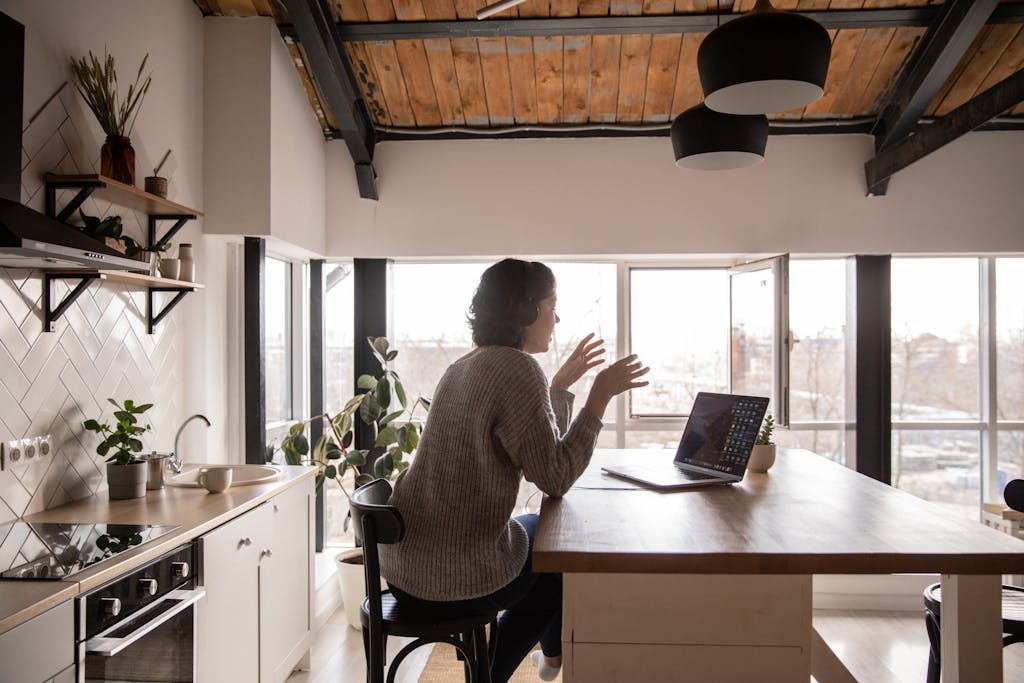
Online therapy accessibility: Many introverts find online therapy more accessible and comfortable. Being in your own space can make it easier to engage in the therapeutic process and maintain consistency during winter months.
Individual vs. group therapy considerations: While group therapy can be effective for SAD, many introverts prefer individual sessions where they can process deeply without the additional energy demands of group dynamics.
Medication Considerations
For some introverts with SAD, medication can be an important component of treatment. The American Psychiatric Association notes that antidepressant medications can be effective for treating SAD, particularly when combined with other interventions.
Medication considerations for introverts:
- Support authentic functioning not change fundamental personality
- Monitor energy level effects carefully for introverts who manage energy consciously
- Optimal functioning goal not becoming more extroverted
- Healthcare provider understanding of introversion as personality trait, not disorder
- Combination treatment approach often most effective with light therapy and lifestyle changes
What Lifestyle Strategies Work With Your Introvert Nature?
The most successful SAD management plans for introverts incorporate strategies that align with natural introvert tendencies while addressing specific seasonal challenges. Understanding your unique introvert strengths can help you develop coping strategies that feel natural rather than forced, and establishing solid day-to-day stress management strategies for introverts creates essential groundwork before winter’s additional challenges compound existing pressures.
Light and Environment Optimization
Natural light exposure maximization strategies:
- Strategic workspace positioning near windows when possible
- Brief outdoor breaks during peak daylight hours, even on cloudy days
- Light-colored surfaces near windows to increase ambient light
- Full-spectrum bulbs in frequently used spaces
- Outdoor morning activities when energy levels are highest
Indoor environment optimization techniques:
- Lighter window treatments that allow more natural light
- Strategic mirror placement to reflect and amplify available light
- Lighter paint colors for winter months
- Clean windows to maximize light transmission
- Light-reflecting decor during darker seasons
How Do You Manage Energy During Dark Months?
Winter requires modified energy management strategies that account for reduced daylight and increased seasonal demands.
During my third winter of managing a creative team, I learned the hard way that my normal energy management strategies weren’t sufficient for seasonal challenges. I had always managed my introvert energy carefully, but I hadn’t accounted for how much the shortened daylight hours would impact my baseline energy levels. By December, I was making poor decisions from chronic energy depletion, including agreeing to too many holiday client events that left me exhausted for weeks.
Seasonal energy management adjustments:
- Reduced social commitments during winter months
- Increased restoration time after holiday gatherings
- Extra transition time between activities to prevent overwhelm
- High-energy activities scheduled during peak daylight hours
- Energy reserves built before challenging seasonal periods
Physical Activity and Movement
Regular physical activity is one of the most effective interventions for SAD, but the approach needs to align with introvert preferences and energy patterns.
Introvert-friendly exercise approaches:
- Solo activities like walking, hiking, or home workout videos
- Yoga or stretching routines that can be done quietly at home
- Swimming during off-peak hours at less crowded facilities
- Seasonal outdoor activities like snowshoeing or cross-country skiing
- Indoor alternatives for extremely cold or dark days
Exercise for optimal light exposure:
- Morning walks during peak daylight hours
- Outdoor activities that provide both exercise and natural light
- Winter sports that maximize time spent outdoors during daylight
- Brief outdoor exposure during lunch breaks for circadian rhythm support
Nutrition and Sleep Optimization
Managing seasonal food cravings effectively: SAD often involves increased cravings for carbohydrates and comfort foods. While some carbohydrate intake can support serotonin production, balance is crucial for maintaining stable energy levels.
- Complex carbohydrates with protein to avoid blood sugar spikes and crashes
- Vitamin D, omega-3, B vitamin rich foods for mood support
- Regular meal timing to support circadian rhythm stability
- Adequate hydration as dehydration worsens fatigue and mood symptoms
- Mindful comfort eating rather than restrictive approaches
Winter sleep hygiene optimization:
- Consistent sleep/wake times even on weekends
- Limited evening screen time to support natural melatonin production
- Relaxing bedtime routines that promote restful sleep
- Blackout curtains for sleep quality during longer winter nights
- Temperature regulation for optimal sleep conditions

How Do You Build Support Systems That Work for Introverts?
Managing SAD effectively requires support, but the type of support that works best for introverts often differs from conventional approaches.
Maintaining Meaningful Connections
The tendency toward isolation during SAD episodes can be particularly challenging for introverts who need to balance social connection with energy management. Learning how to maintain deep, meaningful friendships as an introvert becomes especially critical during winter months when isolation risks increase.
Quality-focused connection strategies:
- Regular contact with 2-3 close people rather than maintaining broader networks
- Written communication when verbal feels overwhelming
- Low-energy social activities like parallel activities rather than high-stimulation events
- Honest communication about seasonal challenges with trusted people
- Scheduled check-ins that don’t require high social energy
Professional Support Networks
Healthcare team development:
- Primary care physician for medical evaluation and potential medication management
- Mental health professional experienced in both SAD and introversion
- Seasonal check-ins rather than waiting for crisis intervention
- Integrated treatment approach coordinating multiple interventions
Workplace accommodation strategies: Many introverts with SAD benefit from workplace modifications during winter months:
- Flexible scheduling to maximize exposure to daylight hours
- Workspace positioning near windows when possible
- Light therapy device use permission at work
- Understanding from supervisors about seasonal productivity patterns
- Remote work options during particularly challenging periods
What Technology and Tools Support SAD Management?
Modern technology offers several tools that can support SAD management in ways that align with introvert preferences.
Light Therapy Technology
Advanced light therapy device options:
- Light alarm clocks that gradually increase light to simulate sunrise
- Wearable light therapy devices for increased flexibility
- Full-spectrum light bulbs for general room lighting
- Light therapy glasses for light exposure during other activities
- Timer-controlled devices for consistent daily use
Digital Mental Health Support
Technology tools for self-monitoring:
- Mood tracking apps to monitor patterns and identify early warning signs
- Meditation and mindfulness apps for stress management and emotional regulation
- Sleep tracking to ensure adequate rest and identify disruptions
- Weather apps providing UV index and sunlight exposure information
- Activity scheduling apps for maintaining structure during low-energy periods
Online Communities and Resources
While in-person support groups may not appeal to many introverts, online communities can provide valuable connection and information sharing with others who understand both introversion and seasonal challenges.
Frequently Asked Questions About SAD and Introversion
How do I know if I have SAD or if I’m just a typical introvert who prefers winter solitude?
The key difference lies in how you feel during your alone time. Healthy introvert solitude feels restorative and allows you to engage in activities you enjoy, while SAD-related isolation feels empty and includes loss of interest in previously enjoyed activities. If your winter preference significantly interferes with daily functioning, relationships, or causes persistent sadness that doesn’t lift with your usual coping strategies, it may be SAD rather than normal introversion.
Can introverts use light therapy without it disrupting their quiet morning routines?
Absolutely. Light therapy actually works perfectly with introvert morning preferences. Position your light box where you normally read, journal, have coffee, or work on personal projects. The 20-30 minutes of daily light exposure can be integrated seamlessly into existing quiet activities, making it feel natural rather than disruptive to your routine.
Do I need to become more social to overcome SAD as an introvert?
No. Effective SAD management doesn’t require changing your fundamental introvert nature. Focus on maintaining quality connections with a small circle of close friends or family rather than expanding your social network. Even brief, meaningful interactions or written communication can provide necessary connection without overwhelming your energy reserves.
What’s the difference between SAD and regular depression in introverts?
SAD follows a predictable seasonal pattern, typically beginning in fall or winter and improving in spring and summer. Regular depression persists year-round without seasonal variation. If your symptoms consistently appear during specific seasons and resolve as seasons change, SAD is more likely. However, both conditions can occur simultaneously and require professional evaluation for accurate diagnosis.
How long does it take for light therapy to work for SAD?
Most people notice improvement within 2-4 weeks of consistent daily light therapy use. Some individuals experience benefits within a few days, while others may take longer. The key is consistency, using your light box at the same time each day, typically for 20-30 minutes in the morning. If you don’t see improvement after 4 weeks of consistent use, consult with a healthcare provider about adjusting your treatment approach.
Is it normal for introverts to need more sleep during winter months?
While some increased sleep need during winter is normal due to reduced daylight hours, excessive sleep (more than 9-10 hours regularly) or persistent fatigue despite adequate sleep may indicate SAD. Normal winter sleep patterns involve slightly extended sleep duration but still leave you feeling reasonably rested. If you’re sleeping excessively but still feeling exhausted, or if sleep changes significantly interfere with your daily life, consider consulting a healthcare provider.
How Do You Create Your Personal SAD Management Plan?
Developing an effective SAD management strategy requires a personalized approach that considers your individual introvert needs, lifestyle, and resources.
Assessment and Planning
Seasonal pattern recognition strategies:
- Track mood and energy for at least one full year to identify patterns
- Note challenging months specifically which winter months are most difficult
- Identify personal triggers and early warning signs
- Document helpful strategies from previous years
- Monitor environmental factors like light exposure and social demands
Resource evaluation considerations:
- Current support system assessment identifying gaps
- Environment evaluation for light exposure opportunities
- Financial resource planning for devices, treatment, lifestyle modifications
- Healthcare access evaluation and planning
Creating Your Action Plan
Prevention strategies (late summer/early fall):
- Begin light therapy early before symptoms typically appear
- Establish winter exercise routines while motivation remains high
- Plan social commitments with seasonal energy patterns in mind
- Schedule professional check-ins proactively
- Prepare environmental modifications before seasonal challenges begin
Active management strategies (winter months):
- Daily light therapy routine at consistent times
- Modified energy management accounting for seasonal challenges
- Regular symptom monitoring and adjustment
- Maintained support system connection
- Professional treatment as needed
Recovery and evaluation (spring):
- Gradual strategy adjustment as natural light increases
- Evaluate effectiveness what worked well and needs modification
- Plan improvements for following year
- Continue professional support if needed
When Should You Seek Professional Help?
While self-management strategies can be highly effective for many introverts with mild to moderate SAD, professional help becomes important in certain situations.
Seek immediate professional help for:
- Thoughts of self-harm or suicide
- Inability to function in work, relationships, or daily activities
- Substance use as a coping mechanism
- Persistent symptoms into spring and summer months
- Worsening symptoms despite self-management efforts
Consider professional consultation for:
- First-time seasonal depression experience
- Significant quality of life interference
- Difficulty distinguishing introversion from depression
- Medication evaluation needs
- Additional coping strategies and support needs
Long-term Strategies: Thriving Through Multiple Winters
Successfully managing SAD as an introvert involves developing long-term strategies that evolve and improve over time.
Building Seasonal Resilience
Year-round preparation approaches:
- Maintain physical health throughout all seasons
- Develop strong coping skills and emotional regulation techniques
- Build supportive relationships during non-winter months
- Create resources for seasonal needs
- Practice stress management consistently
Learning and adaptation strategies:
- Keep detailed records of effective and ineffective strategies
- Stay informed about new research and treatment options
- Modify approaches as life circumstances change
- View each winter as refinement opportunity
- Build on successes from previous years
Embracing Seasonal Rhythms
Rather than fighting against seasonal changes, many introverts find success in embracing modified seasonal rhythms that honor both their introvert nature and seasonal needs.
Winter as restoration season approach:
- View winter months as natural time for increased reflection
- Engage in seasonal activities that align with introvert strengths
- Plan major commitments for higher-energy seasons
- Use winter months for sustained attention activities
- Honor natural rhythms rather than fighting seasonal changes
The Path Forward: Living Fully as an Introvert Through All Seasons
Managing Seasonal Affective Disorder as an introvert requires understanding that this isn’t about fixing something broken, it’s about developing sophisticated strategies that allow you to thrive throughout the full cycle of seasons.
The intersection of introversion and SAD presents unique challenges, but it also offers opportunities for developing remarkable self-awareness and resilience. When you learn to work with both your introvert nature and seasonal patterns, you create a foundation for not just surviving difficult winters, but finding meaning and even joy during darker months.
Your path with SAD and introversion is unique, and what works for others may need modification to fit your specific needs and circumstances. The key is approaching this challenge with patience, self-compassion, and willingness to experiment with different strategies until you find the combination that works best for you.
Remember that seeking help, whether through light therapy, professional mental health support, or lifestyle modifications, isn’t a sign of weakness. It’s a sign of wisdom and self-awareness. You deserve support in creating a life where you can thrive as your authentic introvert self through all seasons of the year.
With understanding, appropriate tools, and targeted strategies, it’s possible to transform winter from a season of endurance into a season of different but equally valuable experiences. Your introvert nature, when properly supported and understood, becomes not a vulnerability during winter months, but a strength that allows for deep restoration, meaningful reflection, and preparation for the more socially demanding seasons ahead.
This article is part of our Depression & Low Mood Hub , explore the full guide here.