
A 2010 study from Walter Reed Army Institute of Research revealed something counterintuitive about how personality affects sleep resilience. After exposing participants to 36 hours of continuous wakefulness, researchers found that social interaction before sleep deprivation impaired performance in one group but left the other relatively unaffected. The difference? Personality type shaped the entire equation.
I spent two decades in agency leadership managing teams, pitching Fortune 500 clients, and maintaining the constant “on” presence that comes with high-stakes work. My calendar looked like every other executive’s: back-to-back meetings, client dinners, networking events. What differed was how I felt after each day. Other leaders seemed energized by the interaction. I felt processed through a grinder.
Sleep became my recovery mechanism. Not just rest, but genuine neurological restoration. The exhaustion from social overstimulation didn’t vanish with eight hours like normal tiredness. It required specific recovery conditions that took me years to understand. Managing energy strategically throughout the day eventually revealed patterns I couldn’t see when treating sleep as just another health habit.
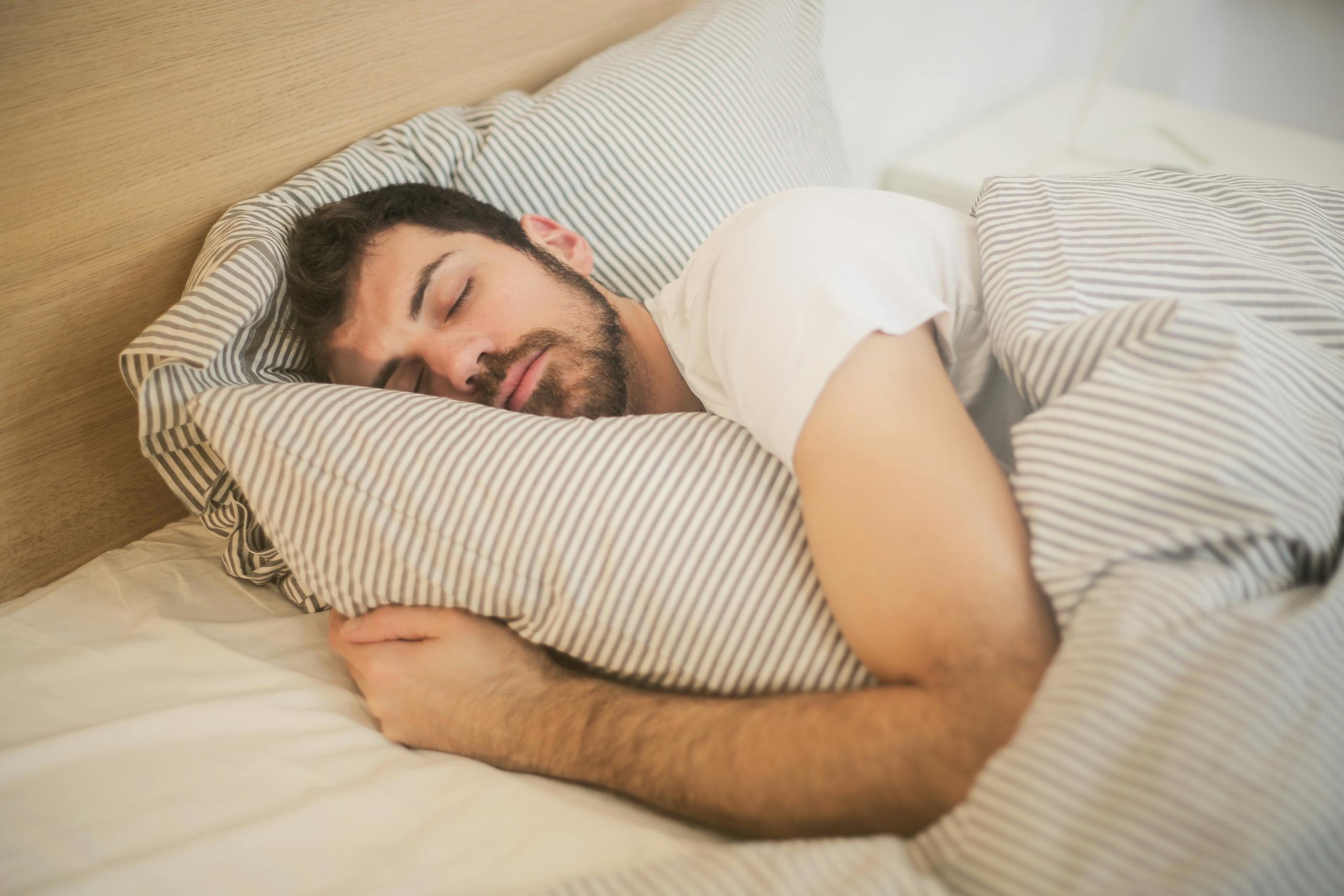
The Science Behind Introvert Sleep Needs
Your personality type influences your cortical arousal levels at baseline. Neuroimaging studies demonstrate that people with more reserved temperaments display greater activation of the prefrontal cortex during resting periods. This higher baseline arousal provides advantages in certain contexts but creates unique challenges for sleep.
What’s your personality type?
Take our free 40-question assessment and get a detailed personality profile with dimension breakdowns, context analysis, and personalised insights.
Discover Your Type8-12 minutes · 40 questions · Free
A 2010 study from Walter Reed Army Institute of Research examined how social exposure affects vulnerability to sleep deprivation. Participants classified as more extroverted showed significantly impaired psychomotor vigilance after social enrichment followed by sleep deprivation. Their speed on cognitive tasks slowed dramatically during early morning hours. Those with more reserved personalities maintained relatively stable performance regardless of prior social exposure.
The mechanism involves cortical arousal patterns. Higher prefrontal activation serves as a buffer against sleep loss effects. Social stimulation increases arousal temporarily in everyone, but the impact differs based on baseline levels. More socially oriented individuals seek external stimulation to reach optimal arousal. Quieter individuals start from a higher baseline and can become overstimulated.
This shows up in real terms. After intense client presentations, I noticed colleagues heading to happy hour seeking more interaction. I needed complete silence and darkness. Not preference, physiological necessity. My cortisol levels remained elevated hours after social demands ended, blocking the natural melatonin rise required for sleep initiation. Understanding how to recharge effectively after depletion became essential.
Overstimulation Disrupts the Sleep Architecture
Chronic overstimulation creates a cascade of sleep disruptions rooted in the hypothalamic pituitary adrenal axis. This system regulates cortisol production following a distinct 24-hour pattern. Levels typically reach their lowest point near midnight, then increase two to three hours after sleep onset. The peak occurs around 9 a.m., followed by progressive decline throughout the day.
Overstimulation throws this rhythm into chaos. Elevated cortisol suppresses melatonin production. Your brain receives conflicting signals: circadian rhythm says sleep time has arrived, but stress hormones insist on staying alert. The result is delayed sleep onset, fragmented sleep architecture, and reduced slow wave sleep, the deepest and most restorative stage. Research on cortisol’s effects on sleep confirms this bidirectional relationship.
Studies published in Psychoneuroendocrinology confirm bidirectional effects between sleep and the HPA axis. Poor sleep quality increases daytime cortisol levels, perhaps as the body attempts to stimulate alertness. Higher cortisol disrupts that night’s sleep. The cycle reinforces itself.

Sensitive Refuge research identifies constant overstimulation as exhausting both physically and mentally. This exhaustion differs from typical tiredness. Your nervous system remains activated beyond its capacity to recover, producing cortisol continuously. Even when you’ve slept your usual amount, fatigue persists because the sleep quality deteriorated.
The Unique Challenge for Quiet Personalities
Those with more reserved temperaments process environmental stimuli more intensely. Small shifts in tone, inconsistencies in feeling, and the emotional atmosphere of spaces register more strongly. This sensitivity provides advantages for understanding nuanced situations but creates vulnerability to overstimulation.
During agency work, I recognized this pattern. Conference rooms with ten competing voices. Open offices with constant movement. Client presentations requiring sustained performance. Each interaction accumulated internally, forming what felt like sensory debt. The stimulation didn’t dissipate when the meeting ended. It continued processing hours later.
Sleep becomes the only mechanism for clearing this accumulated stimulation. Not just closing your eyes, but genuine neurological downtime where the prefrontal cortex can reduce its activation level. This requires specific environmental conditions and preparation that differ from general sleep advice.
Why Standard Sleep Advice Falls Short
Generic sleep hygiene recommendations assume everyone reaches bedtime from the same physiological state. Go to bed at consistent times. Avoid screens. Keep the bedroom cool. All accurate but incomplete for those dealing with overstimulation.
The assumption is that winding down takes 30-60 minutes. Read a book. Take a warm bath. Your body naturally transitions to sleep. This timeline works when you start from normal arousal levels. When overstimulation has elevated your cortisol and activated your nervous system, 30 minutes doesn’t suffice. Understanding the complete energy management picture reveals why standard approaches miss the mark.
Clayton Sleep Institute research found that individuals scoring lower on extroversion scales and higher on neuroticism made significantly more complaints about pain, fatigue, and anxiety. These factors compound sleep difficulties. Standard advice doesn’t address the underlying overstimulation that prevents sleep initiation.

Sleep Hygiene Adapted for the Overstimulated
Effective sleep preparation for those dealing with overstimulation requires extending the wind-down window and addressing specific physiological needs. Harvard Health Publishing research emphasizes that your actions during the day affect that night’s sleep. For someone managing sensory processing intensity, this connection becomes even more pronounced.
Extended Transition Time
Standard recommendations suggest beginning your bedtime routine 30-60 minutes before sleep. When dealing with overstimulation, double that minimum. Start disengaging from stimulating activities at least 90-120 minutes before your target sleep time.
This timeline allows cortisol levels to decline naturally. Your hypothalamic pituitary adrenal axis needs sufficient time to reduce its activity. Rushing this process means attempting sleep while your stress response system remains partially activated.
I discovered this through trial and error during my agency years. Ending client calls at 8 p.m. and attempting sleep at 9:30 p.m. never worked. My mind continued processing conversations, anticipating next-day demands, replaying interactions. Moving the transition point to 7 p.m. created space for genuine decompression.
Environmental Manipulation
Your bedroom environment requires more aggressive sensory reduction than typical recommendations suggest. Cleveland Clinic research advises keeping bedrooms quiet and comfortable, but for those with heightened sensory processing, “quiet” means absolute silence where possible.
Consider these adjustments:
Light control extends beyond curtains. Even small LED indicators from electronics can disrupt melatonin production. Cover or remove all light sources. Complete darkness signals your circadian system more effectively than dimness.
Temperature matters more than most recognize. Research consistently shows people sleep better in cooler environments, typically 65-68°F. Lower temperatures facilitate the natural body temperature drop associated with sleep onset. Overstimulation often raises body temperature, making cooling more critical.
Sound management requires deliberate choices. White noise machines mask unpredictable sounds that trigger alertness. Earplugs work for some but create their own sensory experience that bothers others. Test different approaches to find what reduces your sensory input without creating new irritation.
The bedroom serves exclusively as a sleep space. No laptop work. No phone scrolling. No television. Your brain associates environments with activities. Keep the bedroom associated only with rest and intimate connection.
Blue Light and Melatonin Suppression
Electronic devices emit blue wavelength light that mimics daylight. Exposure floods your brain with signals indicating daytime has arrived. Melatonin production stops. Your circadian rhythm receives conflicting information.
Sleep Foundation research confirms that blue light exposure delays melatonin onset and reduces sleep quality. For someone already dealing with elevated cortisol from overstimulation, adding melatonin suppression compounds the problem.
Eliminate screens at least two hours before bed. If work requires evening device use, enable red light filters well before your wind-down period begins. Better still, complete device-related tasks earlier in the evening and protect the final hours for genuine disconnection. Creating effective evening routines makes this transition sustainable.

Wind-Down Rituals That Address Overstimulation
Your pre-sleep routine should systematically reduce arousal levels. Standard relaxation techniques work, but they require adaptation for those managing intense sensory processing.
Sensory Reduction Sequence
Begin by eliminating stimulation sources progressively. Start with obvious ones: turn off overhead lights and switch to lamps. Disable notifications on all devices. Lower ambient noise. Create a gradual sensory descent rather than an abrupt transition.
Physical relaxation techniques help discharge accumulated tension. Progressive muscle relaxation systematically tenses and releases muscle groups, helping you recognize and release physical manifestations of overstimulation. Deep breathing activates the parasympathetic nervous system, counteracting the stress response.
Warm baths provide multiple benefits. Temperature increase followed by cooling mimics the natural body temperature drop associated with sleep onset. Warm water relieves physical tension. The quiet privacy offers respite from social demands.
Cognitive Processing Time
Overstimulation often includes accumulated mental processing. Conversations replay. Decisions need consideration. Tomorrow’s demands loom. Your mind continues working even as you attempt sleep.
Build in explicit time for this processing earlier in your wind-down period. Journal about the day. Write tomorrow’s to-do list. This externalizes the mental content, reducing the need for your brain to maintain active processing overnight.
Research from Sleep Foundation demonstrates that writing out your to-do list helps you fall asleep faster. The act of recording tasks reduces cognitive load. Your brain doesn’t need to remember everything actively once it’s documented externally.
I built this into my evening routine during high-pressure campaign seasons. Thirty minutes spent processing the day’s interactions, documenting next-day priorities, and acknowledging unresolved tensions prevented hours of mental churning once in bed.
Consistent Routine Matters More
Following identical steps each night trains your brain to recognize sleep preparation signals. The sequence matters more than the specific activities. Your body learns to initiate the sleep transition when it recognizes the familiar pattern.
Select activities you genuinely find calming. Read in soft light. Listen to quiet music. Do gentle stretches. Practice meditation. The activities themselves matter less than performing them consistently in the same order.
Avoid introducing stimulating content even in relaxing formats. Reading engaging thrillers activates your nervous system. Watching dramatic shows triggers emotional responses. Save stimulating content for earlier in the day when activation helps productivity.
Daytime Strategies That Support Nighttime Sleep
Sleep quality depends on the entire day’s patterns, not just evening preparation. Managing overstimulation requires strategic choices throughout waking hours.
Social Exposure Management
The Walter Reed research demonstrated that social enrichment before sleep deprivation impaired performance in more extroverted individuals. For those with higher baseline cortical arousal, excessive social exposure accumulates as stimulation debt that affects subsequent sleep.
Structure your day to balance necessary social interaction with recovery periods. Schedule demanding meetings earlier when you’re fresher. Protect afternoon and evening hours from unnecessary social demands. Build in brief recovery periods between social obligations.
This doesn’t mean avoiding all social interaction. It means strategic distribution that prevents accumulation of excessive stimulation. One client dinner requires less recovery than three consecutive networking events.
Exercise Timing and Type
Physical activity supports sleep quality but timing matters significantly. Healthline research notes that exercising within one to two hours of bedtime can increase energy levels and body temperature, making sleep initiation harder.
Schedule vigorous exercise for morning or early afternoon hours. This provides the sleep benefits of regular physical activity without the arousal effects near bedtime. Save gentle movement like stretching or restorative yoga for evening hours.
Physical exhaustion differs from overstimulation. You can be physically tired but mentally overstimulated, creating the frustrating state of exhausted yet unable to sleep. Exercise helps, but it must be properly timed to support rather than disrupt sleep. Optimizing your entire daily routine requires attention to how activities affect evening energy levels.
Caffeine and Substance Management
Caffeine remains active in your system for 3-7 hours after consumption. For those with heightened sensitivity to stimulants, effects persist even longer. The afternoon coffee that seems harmless may contribute to sleep difficulties hours later.
Limit caffeine intake to morning hours, ending by noon for most people. Those with high sensitivity should consider ending even earlier. Track your sleep quality relative to caffeine timing to identify your personal tolerance window.
Alcohol presents a different challenge. Initial sedation feels like it supports sleep, but as your body metabolizes alcohol, sleep becomes fragmented. REM sleep decreases. You wake more frequently. The sleep you get provides less restoration. CDC guidance recommends avoiding alcohol before bedtime for these reasons.

Morning Light Exposure
Circadian rhythm regulation begins when you wake. Direct sunlight exposure early in the day triggers cortisol production at the appropriate time. This reinforces the natural rhythm: elevated cortisol in morning, declining throughout the day, reaching its lowest point near midnight.
Get outside within an hour of waking, even briefly. Ten to fifteen minutes of natural light exposure helps set your circadian clock. During darker seasons, this becomes even more important despite being harder to achieve.
This morning practice improves mood, focus, and ensures cortisol peaks early as designed. Proper timing of cortisol elevation makes its evening decline more reliable, supporting natural melatonin rise.
When to Seek Professional Help
Persistent sleep difficulties lasting three months or longer qualify as diagnosable sleep disorders. If you’ve implemented these strategies consistently for several weeks without improvement, consultation with a healthcare provider becomes appropriate.
Sleep medicine specialists can identify underlying conditions contributing to sleep problems. Sleep apnea, restless leg syndrome, or other medical issues require professional diagnosis and treatment. Behavioral approaches help many people, but some situations need medical intervention.
Don’t interpret ongoing sleep difficulties as personal failure. Chronic overstimulation can create physiological changes requiring professional support to address. Earlier diagnosis and treatment protect your long-term health more effectively than struggling alone.
Building Your Personalized Approach
Your sleep needs differ from generic recommendations because your nervous system processes stimulation differently. Standard sleep hygiene provides the foundation, but effective implementation requires adaptation for overstimulation management.
Start with small adjustments. Extend your wind-down period by 30 minutes. Eliminate one stimulation source. Add one calming activity. Measure results through sleep quality tracking, noting which changes produce the most improvement.
Progress takes time. Your nervous system developed its current patterns over years. Changing them requires consistent practice, not instant transformation. Focus on building sustainable routines rather than achieving perfect execution immediately.
The effort invested in sleep quality pays returns across every life domain. Better cognitive function. Improved emotional regulation. Enhanced physical health. Sustained energy throughout the day. Sleep represents the foundation supporting everything else.
Managing overstimulation and protecting sleep quality isn’t about isolating yourself or avoiding challenges. It’s about recognizing your physiological needs and creating conditions that support optimal functioning. Your nervous system isn’t defective. It simply requires different recovery conditions than conventional advice assumes.
After decades of forcing myself into schedules and routines designed for different nervous systems, I’ve learned that working with my natural patterns produces better results than fighting them. Sleep became not just rest but strategic restoration, protected and prioritized as the essential resource it is.
Frequently Asked Questions
Do introverts actually need more sleep than extroverts?
Research shows differences in sleep quality rather than quantity. Studies from Myers-Briggs analysis found that individuals with more reserved personalities report less consistent sleep, more intense dreams, and greater difficulty with nighttime wakefulness. The need isn’t necessarily for more hours but for higher quality restoration to recover from sensory processing intensity.
Why does social activity affect my sleep so dramatically?
Social interaction increases cortical arousal in everyone, but the impact varies by baseline arousal levels. Those with higher baseline prefrontal cortex activation become overstimulated more easily. This elevated arousal persists after social exposure ends, keeping cortisol levels elevated when they should naturally decline for sleep. Your body requires extended recovery time to process accumulated stimulation.
How long should my wind-down routine actually be?
Standard recommendations suggest 30-60 minutes, but managing overstimulation requires extending this to 90-120 minutes minimum. Your hypothalamic pituitary adrenal axis needs sufficient time to reduce cortisol production and allow natural melatonin rise. Track your own patterns to identify how long you need for genuine decompression, then protect that time consistently.
Can I train myself to need less recovery time after social events?
Your baseline cortical arousal represents a stable trait, not a temporary condition requiring correction. The goal isn’t forcing yourself to process stimulation differently but creating sustainable systems that work with your natural patterns. Strategic scheduling of social exposure and building in recovery periods proves more effective than attempting to change fundamental nervous system characteristics.
What if I can’t eliminate all evening stimulation due to work demands?
Focus on reducing controllable stimulation sources and extending recovery time when possible. Enable red light filters on required devices. Take brief breaks between evening obligations. Build in extra wind-down time on nights following particularly demanding days. The goal is managing total stimulation load, not achieving perfect elimination. Small adjustments compound over time.
Explore more energy optimization resources in our complete Energy Management & Social Battery Hub.
About the Author
Keith Lacy is an introvert who’s learned to embrace his true self later in life. With a background in marketing and a successful career in media and advertising, Keith has worked with some of the world’s biggest brands. As a senior leader in the industry, he has built a wealth of knowledge in marketing strategy. Now, he’s on a mission to educate both introverts and extroverts about the power of introversion and how understanding this personality trait can unlock new levels of productivity, self-awareness, and success.