Introverts experience faster mental fatigue on social media because constant connectivity triggers the same overstimulation as crowded spaces. Effective boundaries include limiting daily usage windows, muting notifications, curating feeds to remove draining content, scheduling specific engagement times, and designating phone-free hours to restore energy.
You know that feeling when you finally put your phone down after scrolling for an hour, and you somehow feel more drained than when you started? If you’re an introvert who has ever wondered why digital spaces can feel just as exhausting as crowded rooms, you’re asking exactly the right question. Social media promises connection on our own terms, yet it depletes the very reserves we need to show up in our lives. Setting healthy boundaries around these platforms isn’t about rejecting technology or missing out. It’s about protecting your energy so you can engage with the digital world intentionally.
During my years running an advertising agency, I watched social media transform from a marketing channel into something that demanded constant attention from everyone on my team. Creative professionals who thrived in focused, quiet environments found themselves pulled into a relentless stream of notifications, metrics, and real-time engagement. The most talented people I worked with weren’t struggling because they lacked skill. They were burning out because digital platforms were designed to capture attention indefinitely, and introverted team members felt the impact most acutely.
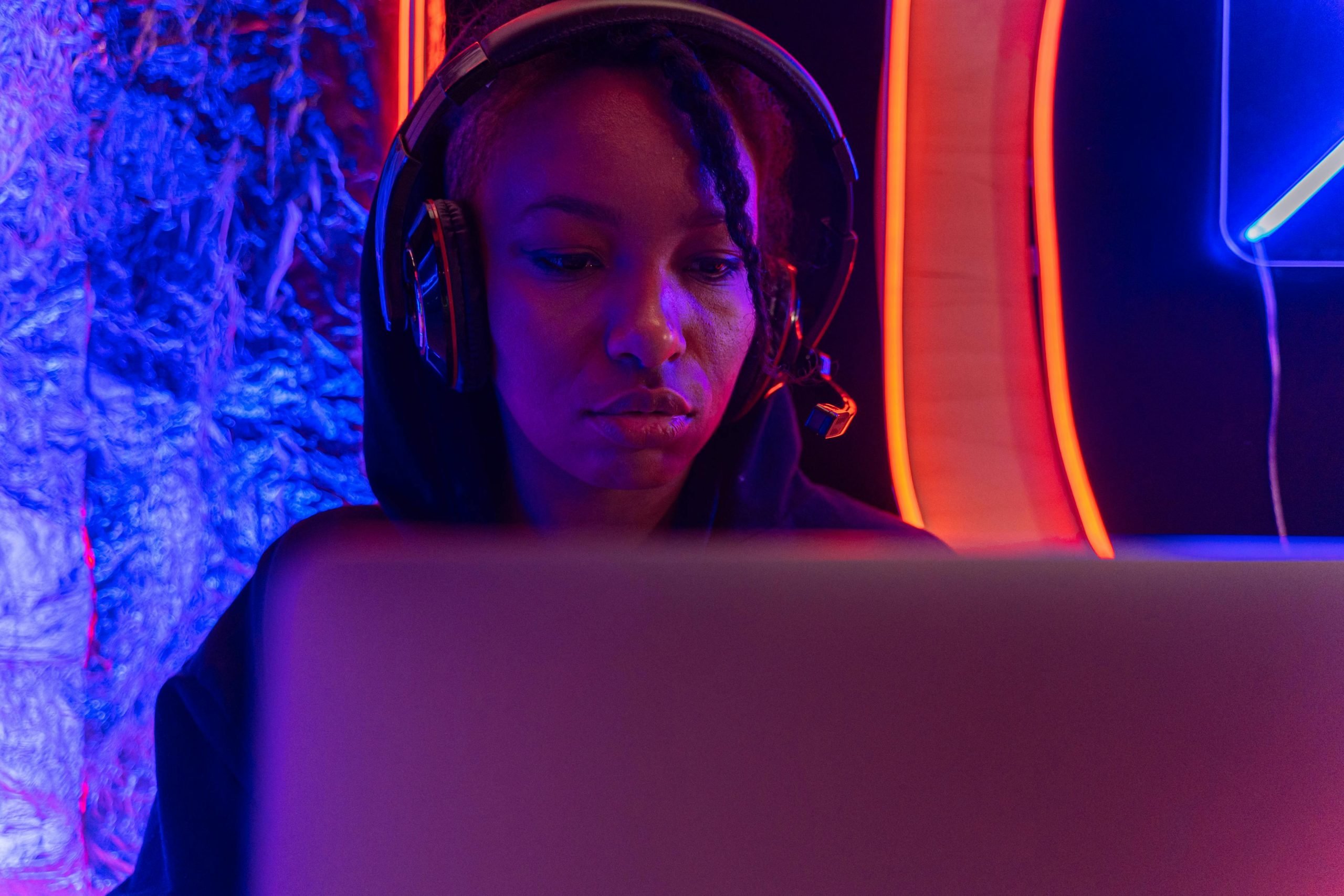
Why Does Social Media Drain Introverts Faster Than Extroverts?
The relationship between personality type and social media engagement reveals important patterns. A study published in the American Psychological Association’s Psychology of Popular Media found that high-functioning individuals who preferred solitude demonstrated the lowest social media use overall. These individuals showed greater identity development and lower loneliness scores, suggesting that people who are comfortable spending time alone don’t rely on digital platforms to fill social gaps.
What’s your personality type?
Take our free 40-question assessment and get a detailed personality profile with dimension breakdowns, context analysis, and personalised insights.
Discover Your Type8-12 minutes · 40 questions · Free
What makes this finding particularly relevant for those with quieter personalities is the distinction between social need and platform design. Social media platforms are engineered to trigger specific neurological responses. Every notification, comment, and like activates the brain’s reward system, releasing dopamine in patterns that researchers at the National Institutes of Health have compared to addictive substances. For someone who already processes stimulation more intensely, these constant dopamine triggers can overwhelm the nervous system faster than they would for someone with higher stimulation thresholds.
I’ve experienced this pattern firsthand. After particularly demanding client presentations, I would reach for my phone during what should have been recovery time. The scrolling felt passive, almost restful compared to the high-stakes meetings I’d just finished. Yet thirty minutes later, I felt more depleted, not less. My brain wasn’t getting the downtime it needed. It was processing a different kind of stimulation entirely.
What Is the Real Energy Cost of Staying Constantly Connected?
Digital platforms create what psychologists call a state of continuous partial attention. Your mind remains alert to potential notifications even when you’re not actively using your device. This vigilance consumes cognitive resources that people with quieter temperaments need for deeper processing and creative thinking. The mental tab that stays open for potential social interactions doesn’t close just because you’ve put your phone in another room.
Fear of missing out compounds this problem significantly. A comprehensive overview in the National Library of Medicine explains that this phenomenon begins with distorted thinking related to being excluded from rewarding experiences, then becomes reinforced by constant platform checking. The cycle creates anxiety about what others might be experiencing and satisfaction we might be missing. For those who already invest significant mental energy in social situations, this additional layer of concern can feel particularly draining.

Understanding why phone-based communication feels exhausting helps explain the broader pattern. Digital interactions remove the contextual cues that make communication easier to process, requiring more cognitive effort to interpret meaning and respond appropriately. Social media amplifies this effect by multiplying the number of interactions you’re expected to manage simultaneously.
If this resonates, introvert-social-media-strategy goes deeper.
Which Boundaries Actually Work for Introvert Social Media Use?
Effective social media boundaries for people with quieter personalities look different from generic digital wellness advice. The goal isn’t simply reducing screen time. It’s protecting the mental space you need to function at your best. This requires understanding your personal patterns and designing systems that support your natural rhythms.
Start by identifying your highest-energy periods and protecting them from digital interruption. If your mornings are when you do your best thinking, keep social media completely out of that window. The temptation to check platforms first thing after waking can set a reactive tone for your entire day, pulling you into other people’s agendas before you’ve had a chance to establish your own intentions.
During my agency years, I implemented a policy for myself that seemed radical at the time. No social media before noon. The first few weeks felt uncomfortable, like I was missing something important. What I discovered instead was that nothing urgent ever happened that couldn’t wait. Meanwhile, my morning productivity increased substantially, and I arrived at lunch feeling accomplished instead of scattered.
Learning to establish firm boundaries in professional contexts translates directly to digital spaces. Saying no to constant availability requires the same skills as declining additional projects when your capacity is full. The principle remains consistent: protecting your resources allows you to bring your best to what matters most.

How Can You Design Digital Spaces That Protect Your Energy?
The accounts you follow and the platforms you use shape your digital experience significantly. Curating your feeds to include content that genuinely interests you, instead of content designed purely for engagement, can transform social media from an energy drain into something more sustainable. Unfollow accounts that trigger comparison, anxiety, or the urge to scroll endlessly. Follow sources that inspire, educate, or genuinely connect.
Platform selection matters as well. Different social media environments create different demands on your attention and emotional resources. Text-based platforms may feel more manageable for some, while others prefer visual content they can consume without the pressure of immediate response. Pay attention to which platforms leave you feeling energized versus depleted, and allocate your time accordingly.
Some content creators with quieter personalities have found ways to engage with social media that align with their strengths. These individuals build audiences by offering depth instead of constant presence, proving that successful digital engagement doesn’t require extroverted energy or round-the-clock availability.
What Does Science Say About Digital Detoxes for Introverts?
Stepping away from social media produces measurable mental health benefits. A 2024 meta-analysis published in Narra Journal examined ten studies on digital detox interventions and found significant improvements in mental well-being and decreases in depression symptoms among participants who reduced their social media use. The findings held across different intervention approaches, from complete abstinence to modest reductions in daily usage.
More recent findings from Harvard Medical School researchers showed that young adults who participated in a one-week social media detox experienced notable improvements, with anxiety symptoms dropping by over sixteen percent and depression symptoms decreasing by nearly twenty-five percent. The lead researcher noted that achieving similar reductions typically requires months of intensive therapy, making the behavioral intervention remarkably efficient.

What makes these findings particularly interesting is the variation in individual responses. Some participants experienced dramatic improvements, while others showed minimal change. The researchers emphasized that personalized approaches work better than one-size-fits-all recommendations, which aligns with what many people with quieter temperaments already know intuitively: recognizing your own patterns matters more than following generic advice.
The phenomenon of delayed energy crashes after extended social engagement applies equally to digital interactions. You might feel fine during a scrolling session, only to experience the full impact hours later. Tracking your energy patterns before and after social media use can reveal connections you might otherwise miss.
What Practical Strategies Help Introverts Stay Engaged Sustainably?
Building sustainable social media habits requires intentional design instead of willpower alone. Your environment shapes your behavior more powerfully than motivation, so creating friction between yourself and mindless scrolling produces better results than simply trying harder to resist.
Remove social media apps from your home screen. The extra steps required to access them creates a pause that allows conscious decision-making. Disable notifications for all but the most essential contacts. Most platform notifications exist to serve the platform’s engagement metrics, not your genuine interests or relationships.
Designate specific times for social media use and treat those windows as appointments instead of open-ended sessions. Twenty minutes of intentional engagement produces more satisfaction than two hours of mindless scrolling. Use timers if needed, and have a plan for what you’ll do when your allocated time ends.
A study examining two-week social media detoxes found that participants who succeeded in reducing their usage improved not only their relationship with technology but also their sleep quality, life satisfaction, and supportive relationships. The benefits extended far beyond screen time metrics into areas that matter deeply for overall wellbeing.
Consider exploring alternative digital social spaces that offer more control over your level of engagement. Newer platforms and technologies sometimes provide features that align better with preferences for depth over breadth and quality over quantity in social connections.

How Should Introverts Redefine Meaningful Online Connection?
Healthy social media boundaries come down to redefining what meaningful connection looks like for you personally. Platforms profit from convincing users that more engagement equals better relationships, but depth and authenticity matter far more than volume for people who value quality interactions.
One client I worked with spent years believing she needed to maintain an active social media presence to stay connected with her industry. When she finally reduced her posting and scrolling significantly, she discovered that her most valuable professional relationships actually strengthened. The people who mattered most appreciated her focused attention when they did connect, and superficial digital interactions hadn’t been contributing much to begin with.
Your relationship with social media deserves the same thoughtful consideration you give to other areas of your life. The platforms will always want more of your attention than serves your wellbeing. Setting boundaries isn’t about missing out. It’s about choosing where to direct your finite energy and attention so you can show up fully for what matters most. The quiet strength you bring to relationships, work, and creative pursuits requires protection. Guarding that resource from endless digital demands isn’t selfish. It’s essential.
Explore more General Introvert Life resources in our complete General Introvert Life Hub.
About the Author
Keith Lacy is an introvert who’s learned to embrace his true self later in life. With a background in marketing and a successful career in media and advertising, Keith has worked with some of the world’s biggest brands. As a senior leader in the industry, he has built a wealth of knowledge in marketing strategy. Now, he’s on a mission to educate both introverts and extroverts about the power of introversion and how understanding this personality trait can unlock new levels of productivity, self-awareness, and success.
Frequently Asked Questions
How much social media use is healthy for an introvert?
Healthy social media use varies significantly between individuals and depends on factors like platform choice, content consumed, and personal energy patterns. Instead of focusing on specific time limits, pay attention to how you feel before and after using these platforms. If social media consistently leaves you feeling drained, anxious, or less satisfied with your life, reducing usage or changing how you engage may help restore balance.
Why do I feel exhausted after scrolling social media even though I’m not interacting with anyone?
Passive scrolling still requires significant cognitive processing. Your brain continuously evaluates content, compares your life to what you see, and processes emotional reactions to images and posts. For people who process stimulation more deeply, this constant input can be as taxing as active social interaction. The design of these platforms also triggers dopamine responses that leave you wanting more, creating a cycle of diminishing returns on your mental energy investment.
Can taking breaks from social media actually improve mental health?
Multiple studies confirm that reducing social media use correlates with improvements in mental health markers including anxiety, depression, and sleep quality. Some research shows measurable benefits from breaks as short as one week, though individual responses vary considerably. The key appears to be replacing scrolling time with activities that genuinely support wellbeing instead of simply creating a void.
How can I stay connected with friends and family if I limit social media?
Limiting social media doesn’t mean ending relationships. Many people find that reducing platform use actually improves their closest connections by creating space for more intentional communication. Direct messages, phone calls, video chats, and in-person meetings typically provide more satisfying connection than public posts and comments. Prioritize the relationships that matter most and find communication methods that work for your energy levels.
What are the best times to use social media if I want to protect my energy?
Avoid using social media during your highest-energy periods when you do your best work, first thing in the morning before establishing your daily intentions, and in the hour before sleep when screens can disrupt rest. Mid-afternoon often works well for many people, as it falls after primary productive hours and before evening wind-down time. Experiment with different schedules to find what supports your natural rhythms best.