
Have you ever finished a teaching day feeling so completely drained that forming a coherent sentence felt impossible? That sensation of walking to your car on autopilot, replaying every interaction while simultaneously craving absolute silence? If you’re an introverted teacher, this experience likely feels painfully familiar.
Teaching demands constant performance, continuous social interaction, and relentless emotional availability. For those who process the world internally and recharge in solitude, these demands create a unique energy equation that requires intentional management. The good news is that classroom energy management becomes significantly more achievable once you understand how your introverted nature interacts with the teaching environment.
During my years managing large teams in advertising agencies, I discovered something crucial about energy expenditure. Leading meetings, client presentations, and creative brainstorms consumed resources differently than quiet strategic planning. Teaching operates on similar principles, except the “meetings” never end and your “clients” number between twenty and thirty at any given moment.
The Unique Energy Demands of Teaching for Introverts
Teaching represents one of the most socially demanding professions available. A 2023 study published in Frontiers in Psychology examining teacher emotional exhaustion found that educators face constant interpersonal demands that significantly impact their psychological well-being. For introverted teachers, these demands carry additional weight because of how they process social stimulation.
What’s your personality type?
Take our free 40-question assessment and get a detailed personality profile with dimension breakdowns, context analysis, and personalised insights.
Discover Your Type8-12 minutes · 40 questions · Free
Introverts possess what researchers describe as higher baseline cortical arousal, meaning external stimulation reaches their processing threshold more quickly than it does for extroverted colleagues. A classroom filled with student questions, behavioral management needs, and instructional delivery creates a continuous stream of stimulation that accumulates throughout the day.
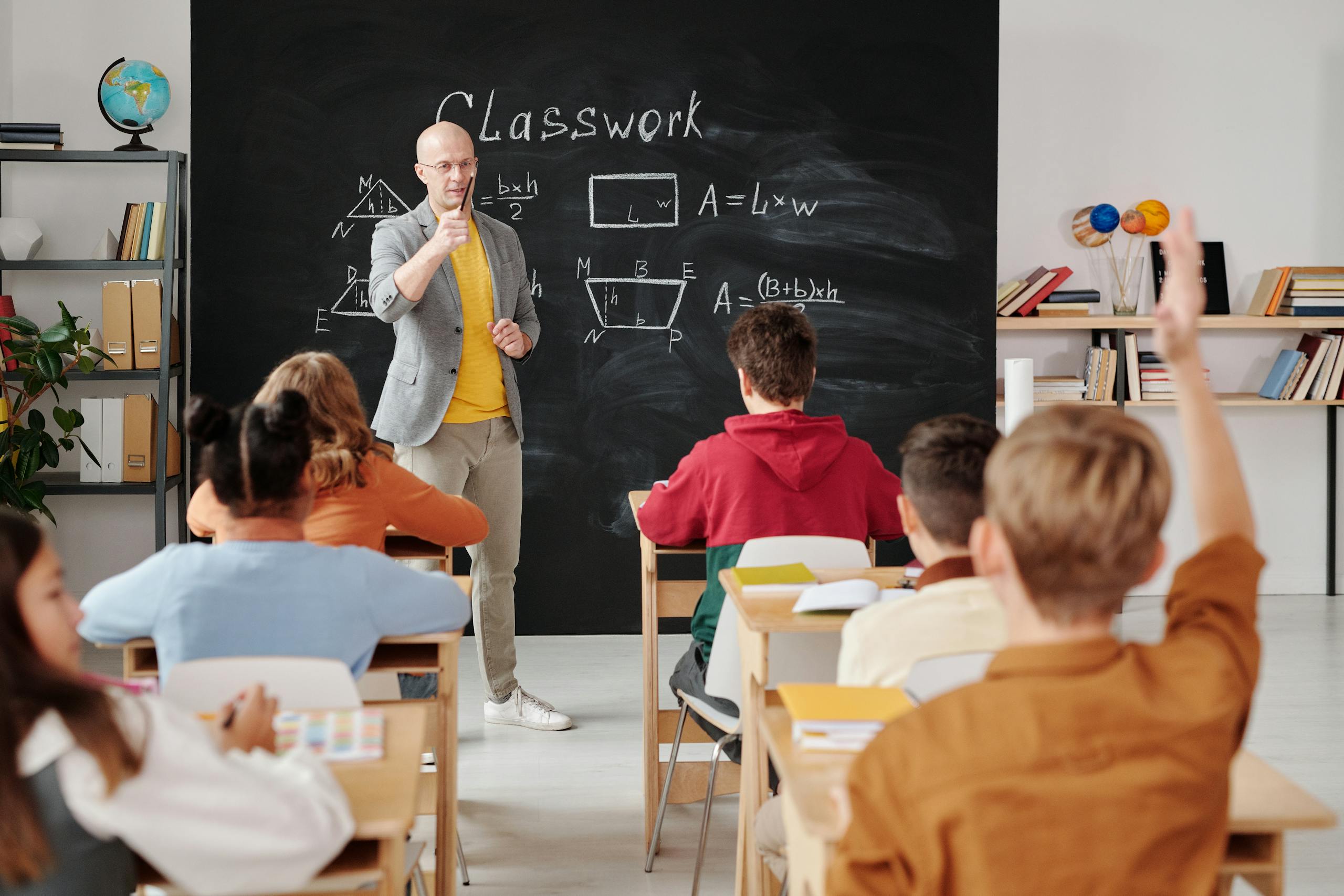
This accumulation effect explains why introverted teachers may feel energized during first period yet completely depleted by afternoon dismissal. Each interaction, each redirected behavior, each enthusiastic explanation draws from the same internal reservoir. Recognizing this pattern represents the first step toward sustainable classroom energy management.
Why Traditional Teaching Advice Falls Short
Most professional development for teachers assumes an extroverted baseline. Suggestions to increase student participation, facilitate more group discussions, and maintain high classroom energy levels work beautifully for educators who gain energy from social interaction. For introverted teachers, following this advice can accelerate burnout rather than enhance instruction.
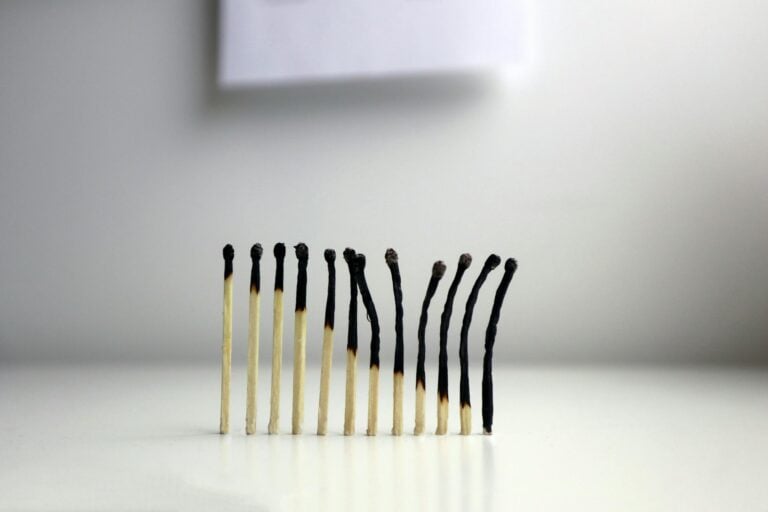
According to recent teacher burnout research, 44% of K-12 teachers report feeling burned out very often or always. This statistic represents one of the highest burnout rates across all professions. Female teachers experience even higher rates at 55%, suggesting that burnout prevention strategies must account for individual differences rather than applying universal solutions.
In my agency career, I watched talented introverted colleagues flame out because they tried matching the visible energy of their extroverted peers. They believed exhaustion indicated inadequacy rather than recognizing it as a signal that their approach needed adjustment. The same dynamic plays out in schools daily.
Strategic Energy Allocation in the Classroom
Effective classroom energy management begins with accepting that your energy supply has limits and those limits deserve respect. This acceptance isn’t weakness; it’s wisdom. Strategic allocation means identifying where your energy investment yields the greatest return and protecting resources for those high-impact moments.
Consider structuring your instructional day to alternate between high-interaction and lower-interaction activities. Independent work periods, silent reading time, and individual writing exercises create natural recovery windows within the teaching day. These aren’t lazy teaching; they’re pedagogically sound practices that simultaneously support student learning and teacher sustainability.

A study published in Frontiers in Psychology examining introversion and social engagement found that introverts who strategically manage their social energy report higher self-esteem and lower burnout than those who attempt constant high engagement. This finding translates directly to classroom settings where teachers control instructional pacing.
Related reading: from-teacher-to-corporate-introvert-transition-guide.
Building Recovery Moments Into Your Day
Recovery cannot wait until after dismissal. Introverted teachers who survive and thrive in the profession build micro-recovery moments throughout their workday. Understanding signs your social battery is running low helps you intervene before reaching complete depletion.
Transition times between classes offer brief but valuable recovery opportunities. Walking students to specials, supervising bathroom breaks, or monitoring hallway movement can become quasi-solitary moments if approached intentionally. Rather than filling these moments with collegial conversation, protect them as essential energy maintenance.
Planning periods deserve fierce protection. The temptation to spend this time collaborating with colleagues, attending impromptu meetings, or socializing in the teachers’ lounge directly competes with your energy recovery needs. Learning to establish boundaries around planning time isn’t antisocial; it’s essential professional self-care.
One strategy I developed managing demanding client relationships involved what I called “strategic unavailability.” Being genuinely present for important interactions required being genuinely absent during less critical moments. The same principle applies to teaching. Your students deserve your full presence during instruction, which means protecting your capacity to deliver that presence.
Classroom Design for Energy Conservation
Your physical environment directly impacts energy expenditure. Classroom arrangements that minimize unnecessary movement, reduce noise levels, and create clear spatial boundaries support both student learning and teacher energy conservation.
Consider creating a designated teacher space within your classroom that signals unavailability during independent work time. This might be a desk positioned away from high-traffic areas or a specific chair you occupy only during student work periods. Training students to recognize and respect these spatial cues reduces interruptions and protects recovery moments.

Lighting, noise management, and visual clutter all contribute to overall stimulation levels. Classrooms with softer lighting, sound-absorbing materials, and organized visual spaces create calmer environments that benefit everyone. Making small environmental adjustments can meaningfully reduce the energy cost of spending seven hours in the same space daily.
Leveraging Introverted Teaching Strengths
Energy management works best when paired with strength utilization. Introverted teachers possess significant advantages that, when leveraged properly, enhance both instructional effectiveness and energy sustainability. According to research examining effective introvert teachers, these educators excel in planning, preparation, and building meaningful individual relationships with students.
Deep preparation represents one such strength. Introverted teachers tend toward thorough lesson planning that anticipates student needs and reduces on-the-spot improvisation. This preparation conserves energy during instruction because fewer unexpected situations require immediate problem-solving. Investing energy in planning yields returns throughout the teaching day.
One-on-one student interactions also align with introverted strengths. Brief individual check-ins during independent work time can be more energizing than whole-class instruction because they allow for the depth of connection introverts naturally prefer. These moments build student relationships while avoiding the performance demands of addressing an entire group.
Understanding how the social battery works helps introverted teachers structure their instruction around these natural advantages. Activities that leverage strengths feel less draining than those that require fighting against natural tendencies.
Managing Especially Draining Situations
Certain teaching situations consume energy faster than others. Parent conferences, staff meetings, professional development sessions, and observation days represent particularly challenging energy expenditures for introverted teachers. Planning for these situations helps prevent the cascading effects of severe depletion.
Research from Psychology Today examining why socializing drains introverts suggests that after approximately three hours of continuous social interaction, fatigue significantly increases for both personality types. Conference days or professional development sessions extending beyond this threshold require intentional recovery planning.

Consider scheduling lighter instructional days before and after major energy expenditures. When possible, spread conferences across multiple days rather than concentrating them into marathon sessions. Understanding why some interactions feel more draining than others can help you anticipate and prepare for particularly challenging meetings.
The Role of Boundaries in Teaching Sustainability
Boundary setting determines long-term career sustainability for introverted teachers. These boundaries protect evening hours, weekend time, and personal spaces from professional demands that would otherwise prevent adequate recovery.
Learning to decline additional committee assignments, say no to social invitations from colleagues, and protect personal time requires practicing a skill that may feel uncomfortable initially. The alternative, chronic depletion leading to eventual burnout, represents a far worse outcome than occasional social discomfort.
Applying principles from managing your social battery at work to teaching contexts helps establish sustainable boundaries. This includes setting expectations with colleagues about availability, creating buffer time around demanding activities, and protecting essential recovery periods.
In my leadership experience, the most sustainable performers weren’t those who said yes to everything. They were those who understood their capacity limits and allocated resources strategically. Teaching careers spanning decades require the same strategic approach.
Building a Sustainable Teaching Career
Long-term success as an introverted teacher requires viewing energy management as an ongoing practice rather than a problem to solve once. Your capacity fluctuates based on life circumstances, seasonal demands, and cumulative stress. Sustainable approaches adapt to these fluctuations rather than demanding consistent performance regardless of conditions.
Understanding how to manage energy throughout the day provides a foundation for daily sustainability. Building on this foundation involves developing awareness of your personal patterns, identifying your highest-energy teaching times, and structuring demanding activities accordingly.

Research published in Frontiers in Psychology examining teacher emotional exhaustion emphasizes that autonomy in decision-making significantly reduces burnout risk. Advocating for scheduling flexibility, curriculum choices, and instructional approaches that align with your energy patterns represents important professional self-advocacy.
Learning how to recharge your social battery quickly provides essential recovery skills for those inevitable days when demands exceed capacity. Having reliable recovery strategies means temporary depletion doesn’t spiral into chronic exhaustion.
Embracing Your Introverted Teaching Identity
The most effective energy management emerges from self-acceptance rather than self-modification. Your introversion isn’t an obstacle to overcome in teaching; it’s a characteristic that shapes your particular teaching strengths and requires specific sustainability strategies.
Introverted teachers often build exceptionally strong relationships with students, create thoughtfully designed learning environments, and bring depth and reflection to their professional practice. These contributions matter enormously, and protecting your capacity to continue making them deserves priority.
The teaching profession benefits from personality diversity. Students need teachers who model different ways of engaging with the world, including quieter approaches to leadership and thoughtful responses to challenges. Your sustainable presence in the classroom serves students in ways that burning out and leaving the profession never could.
Classroom energy management for introverted teachers isn’t about performing extroversion; it’s about honoring how you actually function while meeting the genuine demands of your profession. This balance is achievable, and finding it makes the difference between a teaching career that depletes and one that fulfills.
Explore more Energy Management and Social Battery resources in our complete Energy Management and Social Battery Hub.
About the Author
Keith Lacy is an introvert who’s learned to embrace his true self later in life. With a background in marketing and a successful career in media and advertising, Keith has worked with some of the world’s biggest brands. As a senior leader in the industry, he has built a wealth of knowledge in marketing strategy. Now, he’s on a mission to educate both introverts and extroverts about the power of introversion and how understanding this personality trait can unlock new levels of productivity, self-awareness, and success.
Frequently Asked Questions
Can introverts be effective teachers?
Absolutely. Introverted teachers bring unique strengths to the classroom including thorough preparation, deep listening skills, and the ability to build meaningful one-on-one relationships with students. Research demonstrates that effective teaching depends on instructional quality and student connection rather than personality type. Many students thrive with teachers who model thoughtful, reflective approaches to learning.
How can introverted teachers avoid burnout?
Burnout prevention requires building recovery time into each day rather than waiting until weekends or vacations. Protect planning periods from social demands, create classroom structures that include independent work time, and establish firm boundaries around personal time. Recognizing early warning signs of depletion and responding before reaching exhaustion prevents the accumulation that leads to burnout.
What classroom activities work best for introverted teachers?
Activities that balance teacher-led instruction with student independent work create sustainable energy patterns. Individual conferencing, written discussion responses, small group work with teacher observation, and think-pair-share structures allow meaningful learning while providing natural energy conservation moments. Avoiding continuous whole-class interaction throughout entire periods helps maintain sustainable energy levels.
How do introverted teachers handle parent conferences?
Preparation reduces the energy cost of conferences significantly. Create organized notes for each conversation, establish clear time boundaries for each meeting, and schedule brief breaks between sessions when possible. Spreading conferences across multiple days prevents the exhaustion that comes from marathon sessions. Having written materials to share reduces on-the-spot explanation demands.
Should introverted teachers disclose their introversion to colleagues?
Disclosure depends on your workplace culture and personal comfort level. Explaining that you recharge through solitude rather than social interaction can help colleagues understand when you decline lunch invitations or prefer email communication. Framing introversion as a preference rather than a limitation helps others respect your boundaries without misinterpreting them as unfriendliness or disengagement.