Most travel advice focuses on packing light and staying connected. Nobody talks about protecting your energy while crossing time zones.
During my agency years, client presentations took me everywhere from Tokyo to London. Conference hotels, red-eye flights, taxi rides through unfamiliar cities at midnight. The exhaustion came less from jet lag than from the constant sensory bombardment.

Establishing introvert-friendly travel routines transforms how you experience the world. Our General Introvert Life hub covers various lifestyle considerations, and choosing appropriate gear becomes essential for maintaining equilibrium during trips when environments shift constantly and recovery spaces shrink.
The gear you carry determines your ability to recharge between obligations. Travel essentials for those needing energy management differ significantly from standard packing lists.
Noise Management as Travel Priority
Airport terminals assault your nervous system from the moment you arrive. Gate announcements layer over crying babies, travelers shouting into phones, and the constant hum of HVAC systems cycling air through massive spaces.
What’s your personality type?
Take our free 40-question assessment and get a detailed personality profile with dimension breakdowns, context analysis, and personalised insights.
Discover Your Type8-12 minutes · 40 questions · Free
Research from Wantek’s 2025 study on noise-canceling technology confirms that active noise cancellation significantly reduces cognitive load by creating a controllable buffer against environmental sounds. The technology uses microphones to analyze incoming sound waves and generates mirror-image anti-noise waves that cancel them through destructive interference.
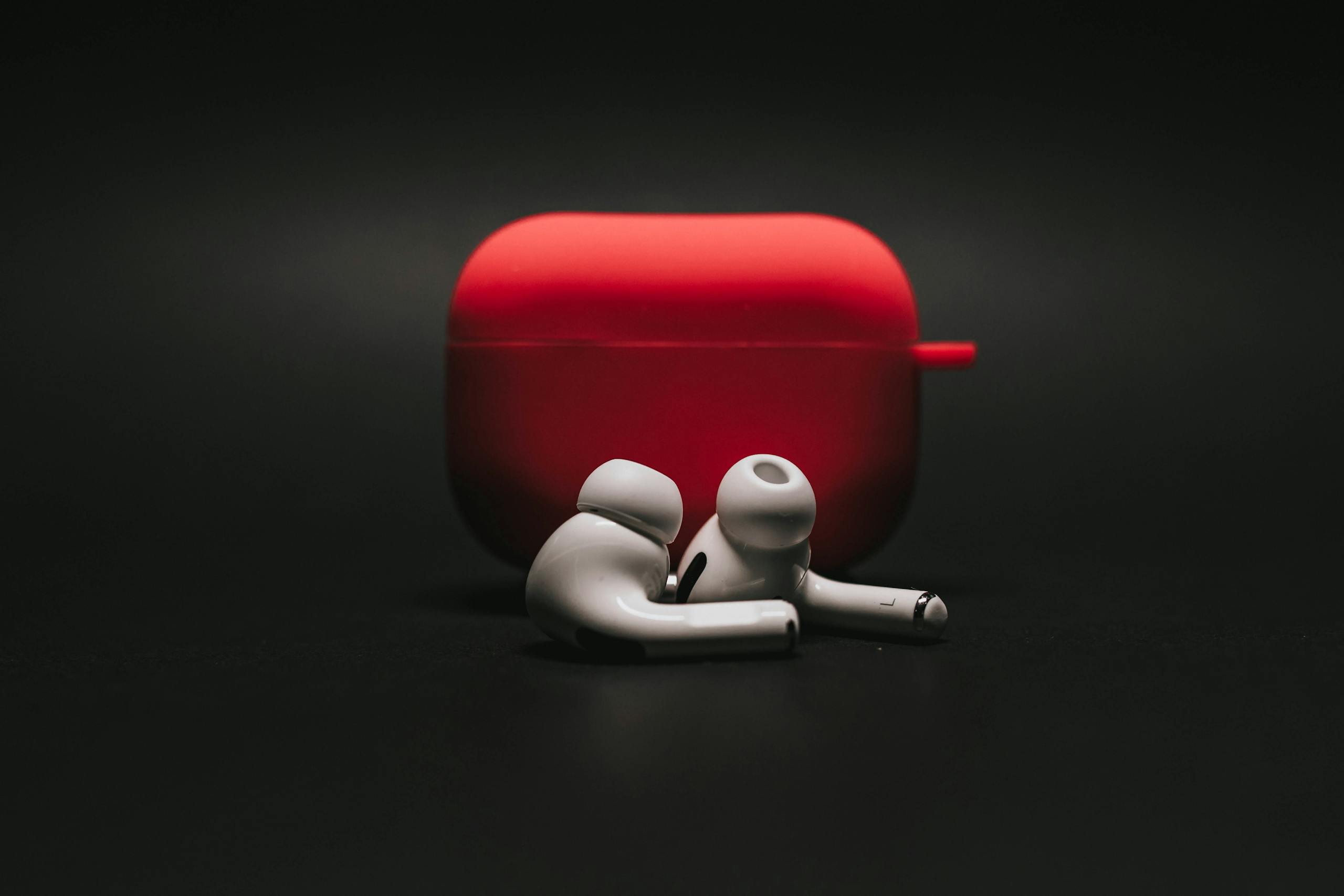
Quality noise-canceling headphones transform brutal airport experiences into manageable ones. Bose QuietComfort and Sony WH-1000XM5 models dominate professional recommendations because they offer adjustable cancellation levels and transparency modes that allow situational awareness without removing the device.
On one particularly challenging Frankfurt layover, I watched extroverted colleagues chat energetically at the gate while I sat with noise-canceling headphones, actively preserving energy for the client dinner scheduled four hours after landing. They wondered why I seemed antisocial. I knew I’d be the only one still coherent by dessert.
Comfort matters for extended wear. Look for plush, breathable ear pads and minimal clamping force. Some individuals experience “eardrum suck” from active noise cancellation, so test headphones before committing to a model you’ll wear for eight-hour flights.
Power Independence Through Portable Charging
Dead devices create forced social interaction. When your phone dies, you ask strangers for directions, borrow chargers from chatty seatmates, or stand near outlets hoping someone will finish soon.
According to TechRadar’s portable charger testing, the Anker PowerCore 20,000mAh delivers sufficient capacity to recharge phones four complete times while maintaining a compact form factor. The 87W total power output handles laptops and tablets alongside smartphones.

Capacity determines autonomy. A 10,000mAh power bank suffices for day trips, providing approximately two full phone charges. Extended travel demands 20,000mAh or higher, particularly when supporting multiple devices or powering e-readers and noise-canceling headphones simultaneously.
Features worth paying for include integrated cables, which eliminate the need to dig through bags mid-flight, and pass-through charging that lets you recharge the power bank while it charges connected devices. USB-C Power Delivery enables fast charging when time between flights runs short.
Weight matters for carry-on compliance and physical comfort. The INIU 45W Portable Charger achieves 20,000mAh capacity while remaining one of the smallest units in its class, using high-density TinyCell battery technology that reduces bulk without sacrificing power.
Creating Portable Recovery Spaces
Hotel rooms offer recovery, but eighteen-hour travel days include countless moments when rest proves impossible. Airports, taxis, conference lobbies between sessions, these transitional spaces drain energy faster than active engagement.
Travel pillows create micro-environments for rest. Memory foam models conform to neck contours, preventing the head-bob jerks that wake you repeatedly during attempted naps. Inflatable versions pack smaller but require manual inflation, which feels absurd when exhaustion has already arrived.
Sleep masks block visual stimulation when overhead lights won’t dim. Contoured designs prevent pressure on closed eyelids while maintaining complete darkness. Silk materials reduce facial skin irritation during extended wear.
Quality earplugs complement noise-canceling headphones for situations demanding absolute quiet. Loop Earplugs and Flare Audio provide acoustic filtering without electronic components, offering backup when battery-powered options fail or feel uncomfortable after hours of continuous wear.
The combination creates conditions for actual rest. During a particularly brutal week of European presentations, I learned to identify departure gate corner seats with wall access, position my carry-on as a footrest, and construct a sensory isolation bubble using all three items. Colleagues thought I was being dramatic. I arrived at each meeting functional while they relied on caffeine and adrenaline.
Organization Systems That Reduce Cognitive Load
Decision fatigue compounds travel exhaustion. Where did you pack the adapter? Which pocket holds the boarding pass? Searching through disorganized luggage while boarding announcements play overhead adds stress to already overwhelming situations.
Packing cubes transform chaos into systems. Travel experts at SmarterTravel recommend compression packing cubes for maintaining organization across multiple destinations. Color-coded cubes let you locate specific items instantly without unpacking entire bags.

Tech organization pouches centralize cables, adapters, and batteries in single locations. Eagle Creek and Osprey manufacture pouches with transparent panels that reveal contents without opening, plus individual compartments that prevent tangled cables.
Document holders keep passports, boarding passes, and hotel confirmations accessible without excavating luggage at security checkpoints. Under-clothing models provide theft protection in crowded spaces while maintaining easy access when needed.
The investment in organization systems pays dividends in reduced mental overhead. When agency travel meant four cities in five days, systematic packing meant I could locate any item within seconds while half-asleep at 5 AM check-in counters. My colleagues fumbled through bags searching for passports. I processed through security focused on conserving energy for actual work.
Hydration and Nutrition Autonomy
Asking flight attendants for water feels minor until you’ve done it six times during an Atlantic crossing. Each interaction drains energy, particularly when crew members engage in enthusiastic small talk while you’re attempting to minimize all social contact.
Collapsible water bottles pass through security empty and expand to full capacity once you reach fill stations beyond checkpoints. The Nomader Collapsible Water Bottle holds 22 ounces while packing to three inches flat, eliminating the space penalty of rigid bottles.
Refillable bottles create independence from service schedules. Fill before boarding. Refill during layovers. Maintain consistent hydration without requesting assistance or waiting for beverage carts to reach your row.
Snack bars prevent forced restaurant visits when hunger arrives but social energy remains depleted. Pack Hacker’s travel essentials guide recommends protein-dense bars that provide sustained energy without requiring refrigeration or producing strong odors in confined spaces.
Carrying nutrition allows strategic eating. Skip the overpriced airport meal when crowds overwhelm your capacity. Eat the bar you packed instead. Save social dining energy for client dinners that actually matter for business relationships.
Digital Reading Without Screen Fatigue
Books provide escape, but carrying physical volumes adds weight and bulk. Smartphones offer digital reading but create screen fatigue and drain batteries needed for navigation and communication.
E-readers solve both problems. Kindle and Kobo devices use e-ink technology that mimics printed pages without emitting blue light or consuming significant battery power. A single charge lasts weeks rather than hours.
The reading escape matters during travel stress. Airport delays extend indefinitely. Hotel evenings in foreign cities offer limited entertainment options. E-readers provide thousands of book choices in devices weighing less than a single paperback.
Backlit models enable reading without relying on overhead airplane lights or inadequate hotel lamps. The Kindle Paperwhite offers adjustable warm lighting that reduces eye strain during evening reading while roommates or seatmates sleep.
During agency travel, my e-reader became essential recovery equipment. Twenty minutes reading before client meetings helped transition from overstimulating transit to professional presentation mode. Colleagues arrived at meetings still processing travel chaos. I arrived centered because I’d claimed transition time for mental decompression.
Temperature Regulation Across Climate Zones
Airport terminal temperatures swing wildly. Gates feel subtropical while planes maintain arctic conditions. Hotels set thermostats to random numbers that satisfy no actual human comfort preferences.
Layering systems provide temperature control without requiring checked luggage. Outdoor Gear Lab’s packing research identifies lightweight fleece jackets and packable puffer vests as essential travel layers that compress to minimal space while offering maximum warmth per ounce.
Merino wool base layers regulate temperature naturally, wicking moisture during exertion while maintaining warmth during rest. The material’s antimicrobial properties allow multiple wears between washes, reducing luggage volume on extended trips.
Travel scarves serve multiple functions. Neck warmth on frigid planes, makeshift blankets during layovers, light shawls for overly air-conditioned conference rooms. The versatility justifies the space they occupy.
Physical comfort affects emotional capacity. When you’re shivering on a plane or sweating in a terminal, managing social interactions becomes exponentially more difficult. Proper temperature regulation maintains the baseline comfort needed to handle travel’s social demands without complete energy depletion.
Luggage That Supports Energy Conservation
Carry-on bags prevent forced conversations at baggage claim. Checked luggage creates dependency on airline systems and generates anxiety about lost bags that compounds travel stress.
Backpack-style carry-ons distribute weight evenly across shoulders, reducing physical strain during long terminal walks. The Osprey Farpoint 40 opens like a suitcase for easy packing while carrying like a backpack for hands-free navigation through crowded spaces.

Compression straps stabilize contents and reduce bag volume for overhead compartment storage. Multiple access points allow grabbing specific items without fully unpacking bags during layovers or security checks.
Wheels offer convenience but add weight and reduce versatility. Backpacks handle stairs, fit under airplane seats, and compress to minimal space in hotel rooms. The physical effort of carrying pays dividends in flexibility and independence.
Dedicated laptop compartments protect electronics while maintaining separate organization from clothing. Quick-access pockets hold items needed frequently without requiring full bag opening at security or boarding gates.
Quality construction matters for repeated travel. YKK zippers withstand thousands of cycles without failure. Reinforced stress points prevent strap separation under load. Water-resistant materials protect contents during unexpected weather.
Building Your Essential Travel Kit
Travel gear accumulates through experimentation rather than single purchases. What works varies by individual sensitivity, trip duration, and destination characteristics. Budget destinations like those covered in budget travel for introverts require different equipment than business trips with corporate lodging.
Start with noise management. Quality headphones transform travel more significantly than any other single item. Test multiple models to find comfort that supports extended wear during long flights.
Add power independence through portable charging. Calculate your device needs across typical trip durations to determine appropriate capacity. Include backup charging options for situations when primary power banks fail.
Establish organization systems before your first trip. Packing cubes and tech pouches create reproducible routines that reduce decision-making during already stressful travel days. Knowing exactly where items live eliminates searching while exhausted.
Consider recovery tools based on your specific sensitivities. Some travelers prioritize sleep masks and earplugs. Others need reading materials and hydration systems. Honor what actually helps you maintain function rather than copying generic packing lists.
During my transition from frequent business travel to choosing trips more intentionally, I discovered that European travel guides like our solo Europe travel strategies require gear emphasizing cultural immersion without social overwhelm, while approaches like global nomad life for introverts demand sustainable systems for continuous movement.
Test gear on shorter trips before committing to extended travel. Weekend getaways reveal which items actually support your energy management versus which sounded good but proved unnecessary in practice.
Invest gradually rather than purchasing everything simultaneously. Quality noise-canceling headphones cost more initially but provide years of reliable service. Cheap alternatives fail mid-trip, creating the exact stressful situations you’re attempting to prevent.
Gear as Energy Management System
Travel gear for those managing energy differs fundamentally from standard travel advice. Packing light matters less than packing strategically for the specific challenges that drain your reserves.
Noise-canceling headphones create auditory boundaries in chaotic environments. Portable chargers eliminate forced interactions with strangers. Organization systems reduce cognitive load during decision-fatigued moments. Each item serves the larger goal of maintaining function when surroundings actively work against your natural rhythms.
The cost appears in luggage weight and financial investment. The return manifests in arriving at destinations still capable of engaging with experiences rather than needing two days to recover from transit itself.
During my final year of agency travel, I calculated that proper gear reduced my recovery time by approximately 48 hours per international trip. Instead of spending weekends recuperating from business travel, I could engage with new cities or simply rest in ways that actually restored energy. The gear didn’t eliminate travel challenges, but it made them manageable enough to maintain both professional performance and personal wellbeing.
Consider how moving between spaces affects you specifically. Some struggle most with noise. Others face challenges around food timing or temperature regulation. Select gear addressing your particular pressure points rather than attempting to prepare for every possible scenario.
The portable sanctuary you create through strategic gear selection determines whether travel expands your world or depletes your capacity to engage with it. Choose tools that protect your energy while you explore beyond familiar spaces.
Explore more lifestyle considerations in our complete General Introvert Life Hub.
About the Author
Keith Lacy is an introvert who’s learned to embrace his true self later in life. With a background in marketing and a successful career in media and advertising, Keith has worked with some of the world’s biggest brands. As a senior leader in the industry, he has built a wealth of knowledge in marketing strategy. Now, he’s on a mission to educate both introverts and extroverts about the power of introversion and how understanding this personality trait can unlock new levels of productivity, self-awareness, and success.