Most people return from vacation needing another vacation. The exhaustion hits harder when you spend your energy managing group dynamics, small talk with strangers, or packed itineraries designed for people who recharge differently than you do.
Travel doesn’t have to drain you. The difference lies in designing trips that honor how your energy actually works, not how travel magazines insist it should work.
During my years running a marketing agency, I watched colleagues return from tropical getaways looking more frazzled than when they left. They’d squeezed themselves into group tours, networking cruises, and resort activities built around constant interaction. I learned early that vacations designed for extroverted energy patterns would leave me depleted for weeks.
This guide shows you how to plan travel that actually restores your energy instead of draining it. From choosing destinations to structuring your days, each strategy helps you vacation on your terms.
Why Vacations Exhaust Introverts
According to research from Psych Central, social interactions extending over three hours can trigger post-socializing fatigue. Vacation environments amplify this effect by stripping away your usual recovery zones.
What’s your personality type?
Take our free 40-question assessment and get a detailed personality profile with dimension breakdowns, context analysis, and personalised insights.
Discover Your Type8-12 minutes · 40 questions · Free
A 2012 exploratory study published in Tourism Analysis found that trip planning created the highest stress levels, particularly for those traveling internationally with family. Even after arrival, many travelers experienced moderate stress throughout their vacation.
The American Psychological Association’s 2018 survey revealed that 57% of working adults felt more motivated after vacation, but these benefits faded within days for most people. The temporary relief doesn’t justify weeks of recovery time if the trip itself depletes you.
Standard vacation packages assume everyone thrives on stimulation. Group tours move quickly from sight to sight, leaving no time for processing. Shared accommodations eliminate privacy. Social activities dominate schedules. These elements energize some travelers but drain others completely.
The exhaustion compounds when you lack control over your schedule, your space, or your social exposure. Each forced interaction chips away at your reserves until you’re running on empty before the trip ends.

Choose Destinations That Match Your Processing Style
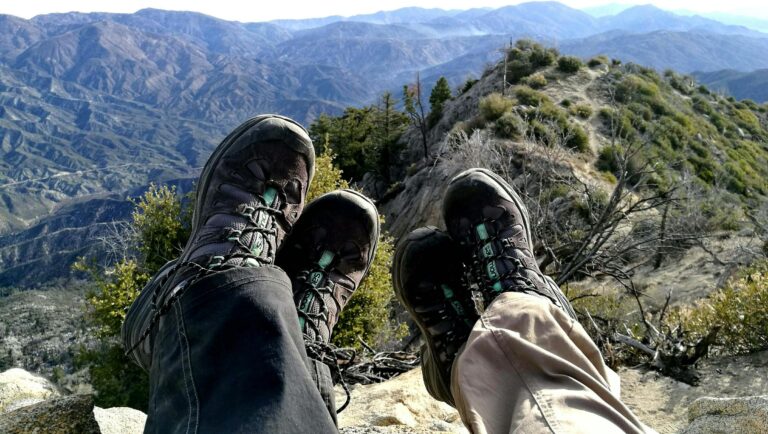
Destination selection determines vacation success more than any other factor. Cities with aggressive crowds and constant noise will drain you regardless of how you structure your days. Natural settings and smaller towns typically offer the quieter environments that let you recharge.
Consider what stimulates versus overwhelms you. Some people thrive in museums where they can observe without participating. Others need hiking trails where they won’t encounter crowds every ten minutes. Your ideal destination provides stimulation without constant social demands.
Research destinations before booking. Check population density, typical tourist volumes, and seasonal patterns. A charming European village during peak season might resemble Times Square. The same village in shoulder season could offer exactly the peaceful exploration you need.
Geographic isolation serves as natural protection. Islands, mountain regions, and rural areas inherently limit crowds. You might encounter other travelers, but you won’t face the constant stream of people that major cities produce.
One client project required extended stays in major metropolitan areas. I discovered that even crowded cities contain quiet pockets. Early morning walks before tourist areas opened, neighborhood cafes away from attractions, and parks on weekdays provided restoration between meetings. The key was identifying these spaces before exhaustion forced me to find them.
Design Itineraries With Recovery Time
Traditional itineraries pack activities from morning until night. This approach works for people who gain energy from external stimulation. For others, it guarantees burnout by day three.
Plan half as many activities as you think you want. Schedule recovery blocks between experiences. A morning at a museum followed by three hours alone in your accommodation lets you process what you encountered. Afternoon exploration works better when you’re not running on empty.
Build flexibility into every day. Fixed schedules create pressure to perform even when you’re depleted. Open afternoons let you choose between more exploration or necessary recovery based on your actual energy levels.
According to CNBC’s guide to group travel for introverts, small group sizes and minimizing time in confined vehicles significantly reduces exhaustion. Even when traveling solo, these principles apply. Shorter transportation segments and smaller venues preserve energy better than marathon tours.
Consider alternating days. One day of intense exploration followed by one day of quiet observation creates sustainable patterns. You experience the destination without depleting yourself completely.

Accommodation Selection Changes Everything
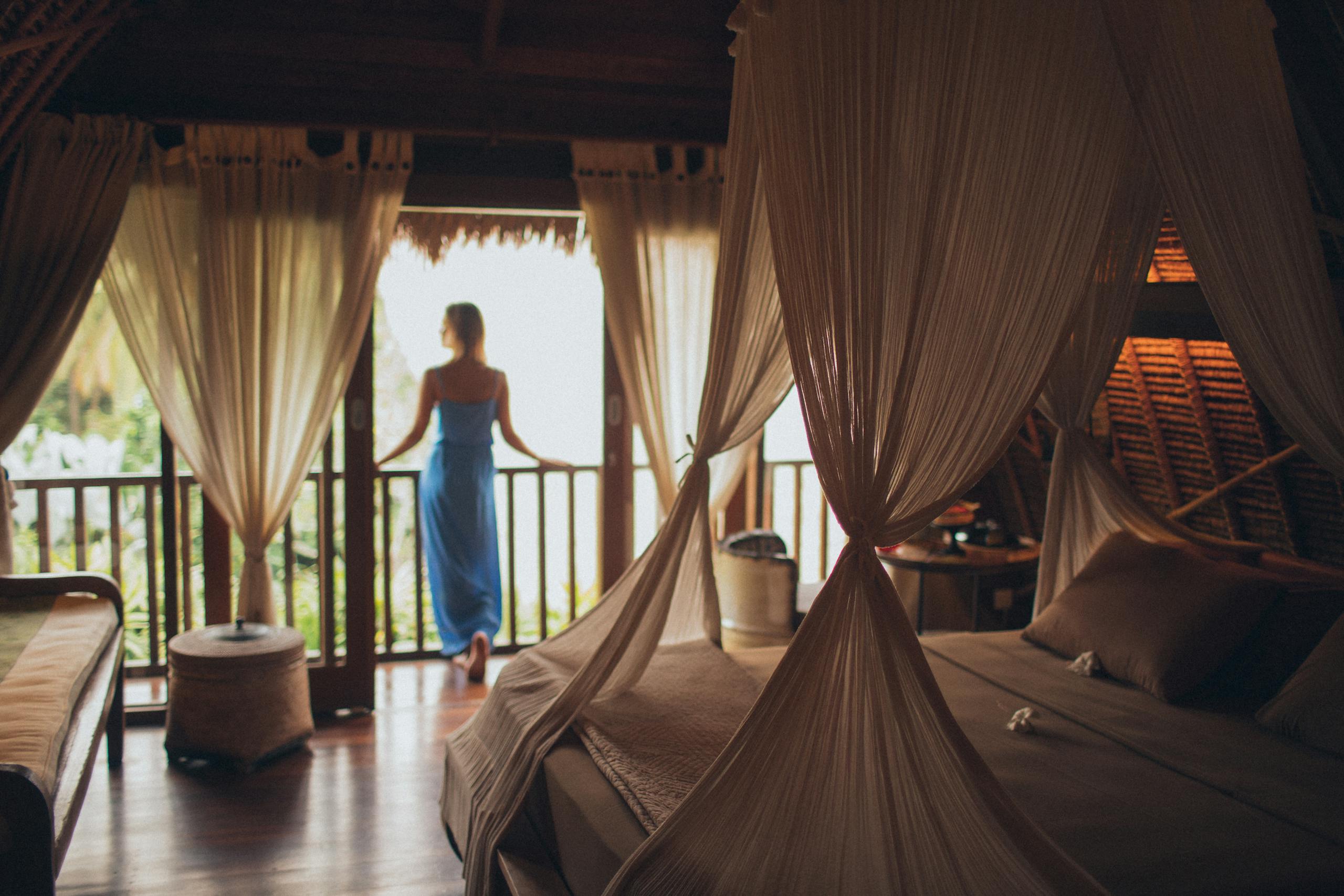
Your accommodation serves as your recovery base. Shared spaces like hostels might save money but cost energy. Private rooms with minimal social requirements let you fully recharge between activities.
Rental apartments or small boutique hotels typically offer more control than large resorts. You can prepare meals in private, control your schedule, and avoid lobby small talk. The trade-off in amenities often proves worthwhile for the energy you preserve.
Location matters as much as accommodation type. Staying outside tourist centers means fewer chance encounters with other travelers. A ten-minute walk to attractions is a small price for quiet evenings in your space. Consider researching adventure planning strategies that prioritize recovery zones.
Room service eliminates the need to navigate busy restaurants when you’re depleted. Balconies or windows with views provide external stimulation without leaving your recovery space. These features let you engage with your destination at your own pace.
Consider booking accommodations with kitchens. Preparing your own meals removes the energy drain of restaurant interactions. You still experience local ingredients and flavors, just without the performance required in dining establishments.
Solo Travel Offers Maximum Control
Group dynamics drain energy even when you enjoy your companions. Research published in November 2025 found that solo travelers experience measurable improvements in self-efficacy and emotional wellbeing, alongside reductions in anxiety and stress.
Solo travel eliminates negotiation. You choose when to explore, when to rest, and when to interact with others. This autonomy prevents the energy drain of constant compromise.
Studies from the Journal of Travel Research indicate that solo travelers report greater feelings of accomplishment and personal growth after overcoming obstacles independently. These benefits compound when you’re not also managing other people’s needs and expectations.
Starting small makes solo travel less daunting. Weekend trips to nearby cities build confidence before international adventures. Each successful trip proves you can handle the logistics, creating momentum for more ambitious plans.
After leading teams for two decades, I found that solo travel provided the first genuine quiet I’d experienced in years. No one needed my input on restaurant choices. No one required reassurance about directions. The mental space this created let me actually experience destinations instead of managing them.

Manage Social Interactions Strategically
Complete isolation isn’t necessary or desirable for most people. Strategic social interaction lets you connect with others without depleting yourself.
Structure interactions around activities rather than pure socializing. Joining a cooking class or guided nature walk provides built-in conversation topics and natural endpoints. These formats eliminate the open-ended energy drain of unstructured social time.
Set boundaries before interactions begin. Mention your afternoon plans when meeting someone at breakfast. This creates exit strategies without awkwardness. People understand scheduling conflicts better than vague discomfort.
Choose activities that limit conversation naturally. Museums, libraries, and nature walks provide companionship without constant talking. You can enjoy shared experiences without performing social engagement every moment.
Research from the University of Richmond’s psychology department found that relaxation causes cortisol levels to drop, which can actually make some people more susceptible to illness during vacation. Managing your social exposure helps maintain moderate stimulation levels that keep you healthy without overwhelming your system.
Transportation Choices Impact Energy Levels
Transportation consumes more energy than most people realize. Airports overwhelm with crowds, noise, and unpredictability. Long flights in cramped spaces drain reserves before vacation even begins.
Consider alternatives when possible. Train travel offers more space, fewer crowds, and scenery that provides gentle stimulation. Driving yourself eliminates forced interaction and provides complete schedule control.
When flying is necessary, choose early morning flights. Airports operate more calmly before peak hours. Shorter security lines and quieter gates preserve energy for your destination.
Book nonstop flights even when they cost more. Layovers multiply the stress of airports and introduce opportunities for delays that spike anxiety. Direct routes get you to your recovery base faster.
Arrive at destinations with time to decompress before activities begin. Landing at night lets you go straight to your accommodation to rest. Starting exploration the next morning means you tackle new experiences with full reserves.
Pack Comfort Tools That Support Recovery
Noise-canceling headphones transform travel experiences. They eliminate airport chaos, airplane conversations, and hotel hallway noise. These devices provide portable quiet regardless of environment.
Bring items that help you decompress. Books, journals, or familiar music create recovery rituals in unfamiliar spaces. Small comforts from home reduce the cognitive load of processing entirely new environments.
Pack snacks to avoid forced restaurant visits when you’re depleted. Having food available in your accommodation means you can skip dining out when social interaction would drain you more than hunger.
Recognize Recovery Signals Before Depletion
Early warning signs indicate when you need recovery time. Difficulty making simple decisions, irritability, or mental fog all signal depleted reserves. Catching these signs early prevents complete exhaustion.
Schedule automatic recovery breaks regardless of how you feel. Two hours alone in your accommodation after lunch creates consistent restoration. You might not always need it, but having it prevents emergency shutdowns.
Give yourself permission to skip planned activities. That museum visit can happen tomorrow. The tourist attraction will still exist next year. Pushing through depletion creates recovery debt that takes weeks to repay.
Trust your energy assessment over itinerary pressure. Vacation success isn’t measured by activities completed but by how you feel throughout and after the experience. Missing sights beats returning home needing recovery time.
One major campaign required me to spend two weeks at an industry conference. I built recovery into each day by scheduling late starts, skipping evening events, and taking breaks in my hotel room between sessions. Colleagues attended every panel and networking event, then spent weeks recovering. I missed some content but returned to work immediately productive. The trade-off proved worthwhile.
Balance Exploration and Observation
Active exploration consumes energy. Passive observation restores it partially. Finding the right mix lets you experience destinations without complete depletion.
Spend time watching rather than doing. Cafe tables overlooking busy squares let you absorb local life without participating. Park benches near landmarks provide excellent people-watching opportunities that feel enriching without draining you.
Choose experiences that match your current energy state. Museums work better than bustling markets when you’re running low. Nature walks surpass city tours when you need gentler stimulation.
Photography provides purposeful observation. Framing shots requires attention to detail that engages your mind without demanding social performance. You create memories and souvenirs through a quiet, contemplative practice.
Early mornings and late afternoons offer better observation opportunities than midday. Fewer people means less sensory input to process. Dawn walks through destinations reveal rhythms impossible to see during peak hours.
Return Transitions Require Planning
The return home often proves more exhausting than the trip itself. Jumping directly from vacation back to regular responsibilities compounds fatigue.
Schedule buffer days between returning and resuming normal activities. These transition days let you unpack, process the experience, and gradually shift mental gears. Returning Friday evening and going to work Monday morning sets up failure.
Communicate reduced availability before leaving. Set expectations that you’ll respond slowly for a few days after return. This prevents the overwhelm of catching up immediately.
Process vacation photos and memories gradually. Trying to organize everything immediately creates another exhausting task. Spreading this work over weeks lets you extend vacation benefits.
Resist pressure to share extensive trip reports. Brief updates satisfy curiosity without requiring you to relive every moment while still recovering. Save detailed sharing for when you’re fully recharged.

Financial Planning Reduces Pre-Trip Stress
Money concerns create stress that undermines vacation benefits before you leave. The 2012 Tourism Analysis study identified financial worries as the top pre-travel stressor.
Save specifically for travel instead of using general funds. Dedicated vacation savings eliminate guilt about spending and reduce financial stress during the trip itself.
Budget for flexibility. Extra funds for unexpected accommodations or transportation changes prevent the stress of being locked into plans that aren’t working. Having options preserves energy.
Consider off-season travel for significant savings. Lower prices often correlate with fewer crowds, creating double benefits. Destinations cost less exactly when they’re more enjoyable for those who need quieter environments.
Prioritize experiences that match your values instead of checking boxes on popular attraction lists. Expensive group tours might seem like good value, but they’re worthless if they leave you depleted. Spending more for private experiences often provides better return on investment.
Create Sustainable Vacation Patterns
Single perfect vacations matter less than sustainable patterns. Regular shorter trips often provide better restoration than annual exhausting marathons.
Weekend getaways to nearby locations let you practice travel strategies with lower stakes. Building these skills makes larger trips less stressful and more restorative. Some travelers find that solo healing practices translate naturally into vacation planning.
Alternate trip types throughout the year. Adventurous exploration trips balanced with pure relaxation trips provide different kinds of restoration. Both serve important purposes in maintaining long-term energy.
Track what works for you. Note which destinations, accommodations, and activities left you energized versus depleted. Patterns emerge that guide future planning toward experiences that actually restore you.
Share successful strategies with other travelers who understand energy management. Travel planning for adventure-seeking introverts requires different approaches than conventional wisdom suggests. Building community around these approaches validates your needs and provides new ideas.
Making Peace With Your Travel Style
Vacation success depends on accepting how you actually function rather than forcing yourself into travel styles designed for different energy patterns. The goal isn’t experiencing everything but creating trips that genuinely restore you.
You might miss some experiences other travelers consider essential. That trade-off buys you energy, presence, and the ability to truly enjoy what you do choose. Quality beats quantity when measuring vacation success. For those interested in extended travel, global nomad lifestyle strategies offer insights into sustainable long-term approaches.
Stop comparing your travel to others’ highlight reels. Their packed itineraries might energize them. Your quieter approach serves you better. Neither style is superior, just different.
Building travel around your actual needs creates experiences worth having. Returning from vacation feeling restored instead of depleted should be the standard, not the exception. When you design trips that honor your energy patterns, vacation becomes what it’s supposed to be, genuine restoration.
Frequently Asked Questions About Introvert Vacations
How do introverts survive long vacations?
Long vacations work best with built-in recovery days. Alternate active exploration with quiet observation. Schedule accommodation time between activities. Consider staying in one location rather than moving frequently, which eliminates the energy drain of constant packing and adjusting to new spaces.
What’s the best vacation length for introverts?
Four to seven days typically provides enough time to decompress without exhausting recovery capacity. Shorter weekend trips work well for nearby destinations. Longer vacations require more recovery time built into the itinerary. Your ideal length depends on destination distance, planned activity intensity, and how quickly you typically deplete.
Should introverts always travel alone?
Solo travel offers maximum control but isn’t necessary for everyone. Traveling with understanding companions who respect recovery needs can work well. The key is choosing people who don’t require constant interaction and who understand when you need alone time. Some introverts prefer budget travel strategies that include private accommodation even when traveling with others.
How do you handle forced social situations on vacation?
Create exit strategies before entering social situations. Mention time constraints upfront. Use activities with natural endpoints like guided tours or classes. Keep interactions brief and purposeful. Choose accommodations with private spaces you can retreat to immediately when needed. Learn to recognize depletion signals early enough to extract yourself gracefully.
What destinations work best for introverts?
Natural settings, smaller towns, and cities with good public transportation typically work well. Destinations with museums, libraries, and walking paths provide stimulation without forced interaction. Consider European destinations popular with solo introverts or locations known for respecting personal space. Avoid cruise ships, all-inclusive resorts with group activities, and cities during peak tourist seasons unless you specifically thrive on that energy.
Explore more lifestyle strategies and travel resources in our complete General Introvert Life Hub.
About the Author
Keith Lacy is an introvert who’s learned to embrace his true self later in life. With a background in marketing and a successful career in media and advertising, Keith has worked with some of the world’s biggest brands. As a senior leader in the industry, he has built a wealth of knowledge in marketing strategy. Now, he’s on a mission to educate both introverts and extroverts about the power of introversion and how understanding this personality trait can unlock new levels of productivity, self-awareness, and success.