Most people assume yoga studios buzz with energy and community. For me, that atmosphere felt like walking into an overcrowded conference room when I’d already maxed out my social battery.
My first yoga class left me drained, not from the poses but from the sensory overload. Twenty bodies breathing in sync, mirrors reflecting everyone’s movements, upbeat music playing overhead. I spent more energy managing the environment than connecting with the practice. That disconnect frustrated me because I understood yoga’s potential benefits. The problem wasn’t yoga itself. The problem was forcing an inherently introspective practice into a format designed for people who recharge in groups.
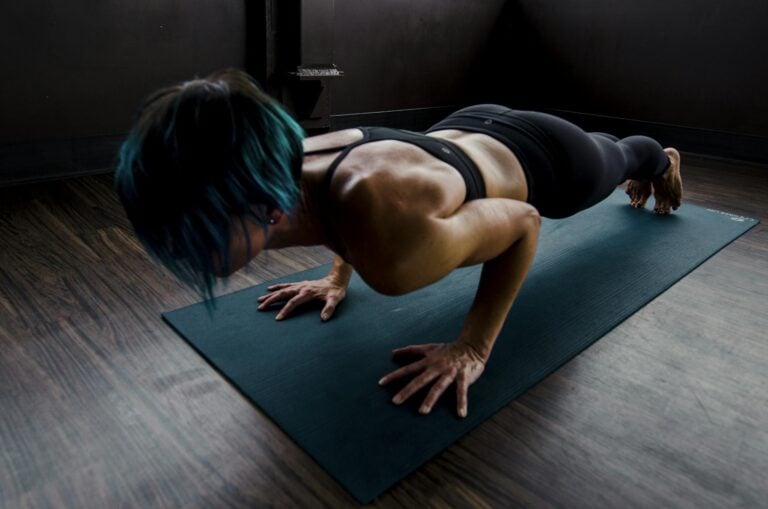
Discovering solo yoga practice changed everything. Rolling out a mat at home, moving at my own pace, processing the physical sensations in silence finally made sense for my wiring.
Why Traditional Yoga Classes Drain Some People
Group fitness settings create specific challenges for those who process information internally. Harvard Medical School research reveals yoga elevates gamma-aminobutyric acid (GABA) levels in the brain, improving mood and reducing anxiety. The practice works. The delivery method doesn’t always match how different brains function.
What’s your personality type?
Take our free 40-question assessment and get a detailed personality profile with dimension breakdowns, context analysis, and personalised insights.
Discover Your Type8-12 minutes · 40 questions · Free
Studio environments require constant awareness of others. Someone’s mat sits too close. The instructor’s voice projects across the room. Adjacent students move out of sync, creating visual disruption. Each element demands processing power that could go toward the actual practice.
Class schedules impose rigid timing. You arrive at 6:30 PM regardless of your energy state. The sequence follows a predetermined path whether your body needs gentle stretching or vigorous movement. This structure serves the business model but not necessarily the practitioner’s needs. Success requires avoiding common self-sabotage patterns and honoring your natural rhythms.

During my agency leadership years, I noticed this pattern. Team members who thrived in brainstorming sessions sometimes struggled in open-plan offices. The same energy that fueled collaboration in controlled bursts became draining as constant background noise. Yoga classes created a similar mismatch.
Home Practice Creates Mental Space
Practicing alone removes performance pressure. No one watches as you modify a pose. No one notices when you skip a challenging position. Cristie Newhart, Dean of the Kripalu School of Yoga, notes practicing solo offers a perfect place to discover who you truly are.
Home practice allows authentic listening. Your body signals when it needs rest. Your mind indicates whether it wants flow or stillness. These signals get drowned out in group settings where instructors dictate the pace and sequence.
The environment stays predictable. Same space, same lighting, same sounds (or silence). This consistency reduces cognitive load. Your brain stops monitoring external variables and focuses inward.
Timing flexibility matters tremendously. Morning practice when energy peaks works better than evening sessions when you’re depleted. Ten minutes of focused stretching beats skipping class entirely because the scheduled time doesn’t fit your day.
Physical Benefits Multiply With Consistency
Research reviews indicate yoga shows beneficial effects for pain-associated disability and mental health, particularly when practiced regularly. Home practice enables the consistency that delivers results.
Daily 15-minute sessions compound more effectively than weekly 90-minute classes. Your body adapts gradually. Muscles strengthen progressively. Flexibility improves incrementally. This steady accumulation works better than sporadic intensive sessions followed by long gaps.
Solo practice also teaches body awareness. You learn which hip holds tension. You notice when shoulders creep toward ears during stress. These observations develop slowly, requiring the quiet attention that group classes often interrupt. This heightened awareness can reveal patterns you’ve missed, similar to how later-life diagnoses illuminate lifelong experiences.

Mental Health Improvements From Solitary Practice
Studies conducted with students found yoga produces moderately large effects in reducing distress symptoms, with improvements lasting several months. The research focused on consistent practice, not sporadic attendance.
Quiet practice amplifies yoga’s mental health benefits. According to Kripalu’s mindfulness resources, meditation provides a context for going within and nurturing quiet. Home sessions create space for genuine introspection.
Managing Fortune 500 client relationships taught me something crucial about stress management. The strategies that work in crisis mode differ from sustainable daily practices. Quick fixes help short-term. Building resilience requires consistent, quieter work.
Yoga serves this second function. Each session doesn’t erase stress but gradually increases capacity to handle it. This happens more effectively when practice becomes routine rather than occasional.
Reduced Social Performance Anxiety
Home practice eliminates comparison. Your Warrior II doesn’t need to match anyone else’s form. Your balance in Tree Pose matters only for your own stability. This freedom accelerates learning because energy goes toward improvement, not evaluation.
Studio mirrors create constant visual feedback. Helpful for form correction but exhausting for people who already monitor themselves critically. Practicing without mirrors initially feels disorienting, then liberating. You learn to feel alignment rather than see it.
Control Over Sensory Environment
Silence or music becomes your choice. Natural light or dimmed lamps depends on your preference. Temperature control stays in your hands. These details significantly impact how deeply you can sink into practice.
Research published in the journal Psychosis indicates solitude can facilitate recovery of sense of self and escape from sensory overload. Home yoga practice provides this sanctuary.

Building Your Solo Practice Framework
Starting home practice doesn’t require extensive knowledge. Three to five poses you enjoy create a foundation. Complexity develops naturally as you explore what feels beneficial.
Begin with observation. Notice your body’s current state before moving. Tight shoulders? Restless mind? Low energy? This assessment informs which movements serve you today.
Short sessions build momentum better than attempting full-length classes. Ten minutes daily beats one weekly hour-long session. Consistency matters more than duration, especially initially.
Online resources provide guidance without requiring studio attendance. Quality instruction exists on platforms like YouTube, offering everything from beginner sequences to advanced practices. You access expertise while maintaining solitude.
Creating Physical Space
Dedicated space helps but isn’t mandatory. A corner of your bedroom works. The living room cleared of furniture suffices. Location matters less than consistency in where you practice. Just as finding quiet spaces in busy cities requires creativity, creating home practice space works with what you have.
Minimal equipment suffices initially. A mat provides cushioning and grip. Everything else remains optional. Blocks, straps, and bolsters enhance practice but don’t constitute requirements.
Environmental control proves more valuable than equipment. Adjustable lighting, temperature regulation, and sound control create conditions that support deep focus.
Timing Your Practice
Morning sessions offer a different quality than evening practice. Energy levels, mental clarity, and flexibility vary throughout the day. Experiment to find your optimal window.
Consistency in timing helps establish routine but shouldn’t become rigid. Adapting to daily variations works better than forcing practice at predetermined times regardless of circumstances.
Progression Without Pressure
Solo practice removes external benchmarks. Progress unfolds according to your body’s timeline, not a curriculum’s schedule. This pace allows genuine development rather than forced advancement.
Learning happens differently in private. You repeat poses until they feel natural. You spend extra time on challenging positions. You skip what doesn’t serve you. This customization accelerates meaningful progress.
Leadership roles taught me that sustainable growth rarely follows linear paths. Teams develop in spurts, plateaus, and occasional setbacks. Individual skill building works similarly. Home practice accommodates this natural rhythm.
Mistakes become learning opportunities rather than public embarrassments. You fall out of balance without witnesses. You struggle with flexibility in private. This safety enables experimentation that drives improvement.
Common Misconceptions About Solo Practice
Many assume home practice requires advanced knowledge. Reality proves different. Beginners benefit tremendously from solo sessions that let them move at appropriate speeds.
Others believe group energy provides essential motivation. Some people find this true. Others discover that eliminating performance pressure creates stronger internal drive.
The notion that proper form requires constant instructor supervision overestimates complexity. Basic poses offer significant benefits even with imperfect alignment. Body awareness develops naturally as practice continues.
According to research in mental health care, yoga functions as an integrated comprehensive system that alleviates physical, mental, and emotional suffering. These benefits don’t require studio settings.

Integrating Practice Into Daily Routine
Morning stretches before starting work. Evening relaxation after finishing tasks. Brief midday breaks when energy dips. Home practice fits into life’s gaps rather than requiring dedicated blocks.
This flexibility proves especially valuable for people managing demanding careers. No commute to studio. No rigid class times. Practice adapts to your schedule instead of competing with it.
Small sessions add up. Five minutes of breathing exercises. Ten minutes of gentle stretches. Fifteen minutes of flowing movement. These brief practices deliver benefits without overwhelming busy schedules.
Consistency builds naturally when practice feels accessible. The barrier between deciding and doing shrinks to nearly nothing. Your mat stays ready. Your space waits. Movement becomes as simple as stepping onto the mat.
Long-Term Benefits of Quiet Practice
Years of solo practice develop self-knowledge that group classes can’t provide. You understand which movements calm anxious thoughts. You recognize tension patterns before they escalate. You know which practices restore energy versus those that deplete it.
This wisdom accumulates slowly. Each session adds data points. Your body communicates preferences. Your mind reveals patterns. Attention to these signals builds a personalized practice more effective than any generic approach.
The independence becomes valuable beyond yoga. Self-awareness developed on the mat transfers to other areas. Decision-making improves. Stress responses become more manageable. Physical boundaries feel clearer.
Leading creative teams for two decades showed me that peak performance emerges from understanding your natural rhythms rather than fighting them. Yoga practice reinforces this principle daily. Working with your energy patterns instead of against them creates sustainable results.
Explore more solitude and self-care resources in our complete General Introvert Life Hub.
Frequently Asked Questions
Can beginners practice yoga at home safely?
Beginners can absolutely start home practice safely. Begin with basic poses like Child’s Pose, Cat-Cow, and Downward Dog. Online resources provide clear instruction on proper form. Listen to your body and avoid pushing into pain. Start with short sessions and gradually increase duration as comfort develops. If you experience persistent discomfort, consult a qualified instructor or healthcare provider. Many successful practitioners started their path at home using free online videos or beginner-focused apps.
How long should a home yoga session last?
Session length depends entirely on your schedule and energy levels. Ten minutes provides meaningful benefits when practiced consistently. Some days you might practice 15 minutes, others 30 or more. Quality and consistency matter more than duration. Regular short sessions deliver better results than sporadic long ones. Let your body guide the length. If you feel energized and present, continue. If focus fades or fatigue sets in, end the session. As you develop your practice, natural preferences emerge about optimal session length. Similar to career testing approaches, finding what works requires experimentation.
Do I need special equipment for home practice?
A yoga mat provides the only essential equipment. Everything else remains optional. Blocks help with flexibility limitations. Straps assist in certain stretches. Bolsters support restorative poses. Start with just a mat and add props as you discover specific needs. Household items substitute well initially. Books replace blocks. Belts work as straps. Pillows function like bolsters. Invest in equipment gradually as your practice evolves and you identify which props enhance your sessions. Many practitioners maintain simple setups and still experience profound benefits. The practice matters more than the accessories.
What time of day works best for home yoga?
Optimal timing varies individually. Morning practice energizes and sets intentions for the day. Evening sessions release accumulated tension and prepare for sleep. Midday breaks refresh focus during work hours. Experiment with different times to discover your preferences. Energy levels, flexibility, and mental clarity shift throughout the day. Some people move more easily in the morning. Others find their body opens up later. Track how you feel after sessions at different times. This experimentation reveals your ideal practice window. Just as developing authentic presence requires self-awareness, finding your rhythm takes observation and adjustment.
How do I stay motivated without class structure?
Motivation shifts from external to internal with home practice. Set realistic expectations. Five minutes daily beats unrealistic goals of hour-long sessions. Create environmental cues that trigger practice. Keep your mat visible. Designate a specific space. Track sessions to build momentum. Connect practice to immediate benefits you notice, like reduced tension or improved sleep. Vary sequences to maintain interest. Online classes provide structure when needed. Remember that motivation fluctuates naturally. Some days practice feels effortless. Others require more intention. Both patterns are normal. Like working through corporate environments, staying motivated requires strategies that work with your natural tendencies rather than against them. Focus on how practice makes you feel rather than arbitrary metrics.
About the Author
Keith Lacy is someone who embraced his identity as someone wired for depth and reflection later in life. With a background in marketing and a successful career in media and advertising, Keith has worked with some of the world’s biggest brands. As a senior leader in the industry, he has built a wealth of knowledge in marketing strategy. Now, he’s on a mission to educate both those who recharge through solitude and those who gain energy from groups about the power of understanding different personality traits and how this awareness can improve productivity, self-awareness, and success.