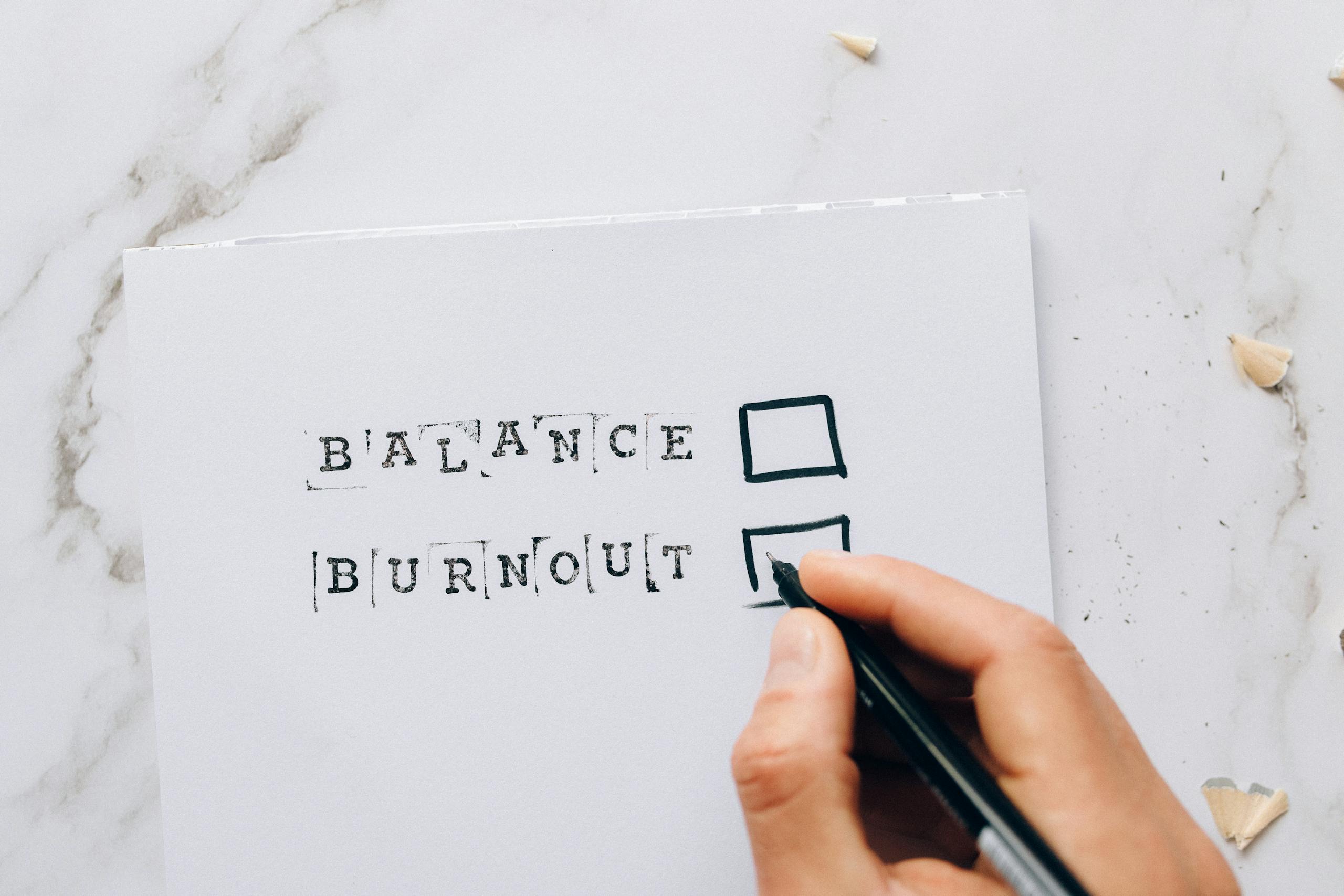

Introvert energy is the finite internal resource that powers how introverts think, connect, and function throughout the day. Unlike extroverts who recharge through social interaction, introverts draw energy from solitude, deep focus, and quiet reflection, and lose it steadily through prolonged social engagement, sensory overload, and environments that demand constant performance.
If you’ve ever left a perfectly good dinner party feeling hollowed out, or spent a Monday morning dreading a full calendar of back-to-back meetings, you already understand this at a gut level. What the #introvertenergy conversation gets right is that this isn’t laziness or antisocial behavior. It’s biology, wiring, and a fundamentally different relationship with the world around you.
I spent more than two decades running advertising agencies, managing teams, pitching Fortune 500 clients, and wondering why I always felt so depleted while my extroverted colleagues seemed to get more energized the busier things got. Understanding introvert energy didn’t just change how I managed my calendar. It changed how I understood myself.
If you want a broader look at how social energy works and why protecting it matters, the Energy Management and Social Battery hub pulls together everything I’ve written on this topic. It’s a good place to start if you’re trying to make sense of patterns you’ve noticed in yourself for years.

What Does Introvert Energy Actually Feel Like?
Most people describe introvert energy depletion as tiredness, but that word doesn’t quite capture it. It’s more like a signal, a quiet but insistent pull toward stillness and privacy. Your thinking gets slower. Your patience thins. Conversations that would normally feel easy start requiring deliberate effort. You find yourself counting down to the moment you can be alone.
What’s your personality type?
Take our free 40-question assessment and get a detailed personality profile with dimension breakdowns, context analysis, and personalised insights.
Discover Your Type8-12 minutes · 40 questions · Free
I remember a particular stretch during my agency years when we were pitching a major automotive account. Three weeks of presentations, strategy sessions, client dinners, and internal alignment meetings. By the final pitch day, I was performing on fumes. Not physically exhausted, exactly, but mentally scraped clean. My INTJ wiring runs on internal processing, pattern recognition, and quiet strategic thinking. None of that was available to me after three weeks of near-constant external engagement. I delivered the pitch well enough, but I knew something important had been running on empty for days.
What I didn’t understand then was that this depletion is real and measurable in neurological terms. Cornell University research on brain chemistry has shown that introverts and extroverts process dopamine differently, with introverts generally more sensitive to stimulation. What feels energizing to an extrovert can push an introvert’s nervous system past its comfortable threshold, triggering the exact kind of withdrawal I experienced during that pitch cycle.
Many introverts also carry a layer of guilt about this. They feel they should be able to sustain the pace that their extroverted colleagues maintain. That guilt compounds the depletion, because you’re not just managing the energy drain, you’re also managing the internal narrative that something is wrong with you. Nothing is wrong with you. Your energy system just operates differently, and that difference deserves respect, not apology.
Why Does Social Interaction Drain Introverts More Than Extroverts?
The short answer is that social engagement costs more cognitive resources for introverts than it does for extroverts. But the longer answer is more interesting and more useful.
Introverts tend to process experiences more deeply. A conversation isn’t just an exchange of information. It’s a layered experience that gets filtered through observation, subtext, emotional undercurrent, and meaning-making. Psychology Today explains that introverts use a longer neural pathway when processing stimuli, running information through memory, planning, and emotional processing regions of the brain. That depth is a genuine strength in many contexts. It’s also genuinely expensive in terms of mental energy.
Add to that the social performance layer. Many introverts, especially those in leadership or client-facing roles, develop highly polished social personas that don’t fully match their internal experience. I did this for years. My agency persona was warm, confident, and decisive in rooms full of clients and creatives. That persona was real, but it was also constructed and maintained at a cost. Every hour I spent performing extroversion was an hour drawing down reserves I needed for actual thinking.
It’s also worth noting that this isn’t purely about social interaction. Introverts get drained very easily by a wide range of stimuli, not just people. Noise, bright light, unpredictable environments, and even certain textures can contribute to sensory overload that compounds social fatigue. The energy picture is more complex than most people realize.

How Does Sensory Sensitivity Connect to Introvert Energy?
Not every introvert is a Highly Sensitive Person (HSP), but there’s significant overlap between the two traits, and understanding that overlap matters a great deal when you’re trying to manage your energy effectively.
HSPs process sensory information more deeply than non-HSPs, which means their nervous systems are working harder in any given environment. Loud open-plan offices, fluorescent lighting, constant background noise, even the feel of certain fabrics against skin can all contribute to a cumulative drain that has nothing to do with how many people you’ve spoken to that day. If you’ve ever wondered why you arrive home from work already exhausted before the evening even begins, sensory load is often a significant part of the answer.
Sound is one of the most common culprits. Managing HSP noise sensitivity requires specific, practical strategies, not just a general intention to seek quieter spaces. Open offices, which were everywhere in the advertising world I inhabited, are particularly brutal for people wired this way. I once moved my entire personal workspace to a small conference room for two weeks during a campaign build because the floor noise had become genuinely unworkable for the kind of deep thinking the project required. My team thought I was being eccentric. I was actually just protecting my ability to do the work.
Light sensitivity is another factor that rarely gets discussed in energy management conversations. HSP light sensitivity can create a persistent low-level drain that accumulates across a workday, making the end-of-day exhaustion feel disproportionate to what actually happened. Fluorescent overhead lighting, bright screens, and harsh sunlight through office windows all contribute to this load. Small adjustments, like warmer lighting, screen filters, or even just positioning your desk differently, can meaningfully shift your energy reserves by the end of the day.
Touch sensitivity is less commonly discussed but equally real. Understanding HSP touch sensitivity and tactile responses can help explain why some introverts feel oddly depleted after a day of handshakes, shoulder pats, and the general physical contact that comes with professional environments. It’s not about being unfriendly. It’s about a nervous system that processes physical sensation more intensely and needs more recovery time from it.
What Happens When Introvert Energy Runs Out?
Introvert energy depletion doesn’t always look like what people expect. It’s rarely dramatic. More often, it’s a quiet withdrawal that can be misread as coldness, disengagement, or even arrogance.
When my energy reserves hit empty, I get quieter and more internal. My responses get shorter. My tolerance for ambiguity drops sharply. I stop generating creative ideas and start wanting to reduce complexity rather than add to it. In a leadership context, this can read as being checked out or unavailable, which was occasionally a source of friction in my agency years. Some team members interpreted my withdrawal as a signal that something was wrong with the project or with them personally. It wasn’t. It was just me running low and needing to conserve what was left.
Truity’s research on why introverts need downtime points to the way introverts use quiet periods not just to rest but to actively process and integrate experiences. Downtime isn’t idle time. It’s when the introvert’s brain does some of its most important work, consolidating information, making connections, and restoring the clarity needed for good judgment and creativity.
Without that restoration, the effects compound. Decision fatigue sets in faster. Emotional regulation becomes harder. The kind of deep thinking that many introverts rely on as their primary professional strength becomes inaccessible. Research published in PubMed Central on cognitive load and mental fatigue supports the idea that sustained high-demand cognitive environments deplete executive function over time, and introverts operating in extroverted environments are often carrying a heavier cognitive load than their surroundings suggest.

How Do You Protect and Restore Introvert Energy?
Protecting introvert energy is a practical discipline, not a personality indulgence. The strategies that work are specific, repeatable, and often counterintuitive in cultures that reward constant availability.
The most effective thing I ever did in my agency career was block calendar time the same way I blocked client meetings. Not as “free time” or “thinking time” but as non-negotiable commitments. Early mornings before the office filled up, a midday hour that I protected fiercely, and hard stops at the end of days when I knew I’d been running hot. My team eventually understood that these weren’t signs of disengagement. They were how I showed up at full capacity when it mattered.
Proactive energy management is a concept worth taking seriously. Protecting your HSP energy reserves requires anticipating drain before it happens, not just recovering after the fact. If you know Tuesday has three back-to-back client calls followed by a team dinner, Monday evening and Wednesday morning need to be protected accordingly. Reactive recovery is always harder than proactive buffering.
Stimulation balance is another piece of this. Finding the right level of HSP stimulation isn’t about eliminating challenge or avoiding engagement. It’s about calibrating your environment so that the stimulation you’re receiving matches what your nervous system can process sustainably. Too little, and introverts can feel understimulated and restless. Too much, and the system starts shutting down. The sweet spot is real and worth finding deliberately.
Physical environment matters more than most productivity advice acknowledges. The temperature of a room, the quality of lighting, background noise levels, even how cluttered a space is can all shift your energy trajectory across a day. I became almost obsessive about my physical workspace during the years I ran my second agency. Warmer lighting, a door that actually closed, a small ritual of clearing my desk before deep work sessions. These weren’t quirks. They were infrastructure.
Harvard Health’s guidance on introverts and socializing emphasizes the importance of choosing quality over quantity in social engagement, a principle that applies broadly to how introverts should approach their entire day. Every commitment to an interaction, a meeting, an event, is a withdrawal from a finite account. Spending that account intentionally, on what genuinely matters, is how introverts sustain themselves over the long term.

Can Introverts Build a Larger Energy Reserve Over Time?
Yes, with an important caveat: building capacity isn’t the same as changing your fundamental wiring. Introverts who develop strong energy management practices can sustain more demanding schedules, handle higher social loads, and recover faster than those who don’t. What they can’t do is permanently rewire themselves into extroverts, and attempting to do so is one of the most reliable paths to burnout I’ve observed.
What actually builds capacity is a combination of self-knowledge, environmental design, and skill development. Self-knowledge means understanding your personal patterns: which types of interactions cost more than others, what time of day your energy peaks, how long you can sustain high-demand engagement before quality starts to degrade. This takes honest observation, and it often requires letting go of the story that you should be able to do what your extroverted colleagues do without the same cost.
Environmental design means structuring your days, workspaces, and commitments to support your natural rhythm rather than fight it. This is harder in organizational contexts where you don’t control your own schedule, but even within constraints there are usually more degrees of freedom than introverts initially realize. Choosing where you sit in a meeting, how you prepare for high-stakes interactions, when you schedule your most demanding work, all of these are levers worth pulling.
Skill development means getting genuinely good at the social and professional competencies that introverts find most draining, so they require less energy over time. Presenting to large groups, for example, cost me an enormous amount of energy early in my career because I was improvising my way through it. Once I developed a reliable preparation process, a specific way of structuring my thinking and managing the room, the energy cost dropped significantly. The interaction itself hadn’t changed. My efficiency within it had.
A study in PubMed Central examining personality and well-being found that introverts who develop effective coping strategies and environmental accommodations report significantly higher well-being scores than those who don’t, without any change in their underlying personality traits. The trait itself isn’t the problem. The mismatch between the trait and the environment is.
What Does the #IntroverEnergy Conversation Get Right, and What Does It Miss?
The #introvertenergy conversation that’s grown across social media and wellness communities has done something genuinely valuable: it’s given introverts a shared vocabulary for an experience that used to feel invisible or shameful. Seeing “this is what introvert energy feels like” reflected back in content you recognize is meaningful. It reduces the isolation that comes with spending years wondering why you’re different.
What it sometimes misses is the distinction between introversion as a fixed limitation and introversion as a trait that requires specific management. Some corners of the #introvertenergy conversation veer into a kind of permission-seeking that stops short of agency. Yes, you need downtime. Yes, your energy works differently. And you also have more control over how you structure your life around that reality than the most sympathetic social media posts tend to suggest.
There’s also a tendency to conflate introversion with anxiety, depression, or social phobia in ways that aren’t always helpful. Introversion is a personality dimension, not a mental health condition. An introvert who’s managing their energy well can be socially engaged, professionally ambitious, and deeply connected to the people they care about. success doesn’t mean withdraw from life. It’s to engage with it on terms that are sustainable for how you’re actually wired.
A 2024 study published in Nature examining personality and environmental adaptation found that individuals who accurately understand their own traits and design their environments accordingly show better long-term outcomes across multiple well-being measures. Knowing yourself is the foundation. What you build on that foundation is up to you.
The most honest version of the #introvertenergy conversation acknowledges both the real constraints and the real possibilities. Your energy is finite and works differently than an extrovert’s. You can protect it, build it, and spend it wisely. And doing that well, over time, is one of the more meaningful forms of self-respect available to you.

Managing introvert energy is a practice that builds over a lifetime. If you want to go deeper on the full range of strategies, tools, and perspectives around this topic, the Energy Management and Social Battery hub is where I’ve brought together everything I know about how introverts can protect and spend their energy more intentionally.
About the Author
Keith Lacy is an introvert who’s learned to embrace his true self later in life. After 20 years in advertising and marketing leadership, including running agencies and managing Fortune 500 accounts, Keith now channels his experience into helping fellow introverts understand their strengths and build fulfilling careers. As an INTJ, he brings analytical depth and authentic perspective to every article, drawing from both professional expertise and personal growth.
Frequently Asked Questions
What is introvert energy and why does it feel different from regular tiredness?
Introvert energy refers to the internal cognitive and emotional resource that powers how introverts engage with the world. When it depletes, the experience is distinct from physical tiredness. It feels more like a narrowing of bandwidth, where thinking slows, patience shortens, and social engagement requires deliberate effort rather than flowing naturally. Physical rest helps, but genuine restoration for introverts typically requires solitude, quiet, and freedom from external demands on their attention.
How can I tell if I’m an introvert who needs energy management or just someone who’s burnt out?
Both are possible, and they often overlap. A useful distinction is to notice what consistently restores you. If solitude and quiet reliably bring you back to yourself, introversion is likely a significant factor in your energy patterns. Burnout tends to feel more total, where even activities you normally enjoy stop providing relief. Introvert energy depletion, by contrast, responds relatively quickly to the right kind of rest. If you’re not recovering even after genuine downtime, burnout or other factors may be at play and worth exploring with a professional.
Does introvert energy depletion get worse with age?
Many introverts report that their awareness of energy depletion sharpens with age, partly because they’ve accumulated more self-knowledge and partly because they’ve stopped suppressing the signals. Whether the depletion itself intensifies is more individual. What tends to change is tolerance for environments that don’t fit. Introverts who spend decades in high-demand extroverted contexts often find their capacity for that kind of sustained performance decreasing over time, which can feel like worsening but is often the body and mind insisting more firmly on what they always needed.
Is it possible to be an introvert and still enjoy social interaction?
Absolutely, and this is one of the most persistent misconceptions about introversion. Introverts can genuinely enjoy social interaction, parties, deep conversations, collaborative work, and time with people they care about. The difference is that these interactions cost energy rather than generate it. An introvert can leave a wonderful evening with close friends feeling both fulfilled and depleted. Both things are true simultaneously. Enjoying connection and needing recovery afterward are not contradictory.
What are the most effective ways to restore introvert energy quickly?
The most reliable quick-restoration strategies tend to involve solitude, reduced sensory input, and activities that engage the mind without requiring social performance. A short walk alone, twenty minutes of reading, a quiet lunch away from colleagues, or even just closing a door and sitting in silence can provide meaningful restoration in a compressed timeframe. The specific activity matters less than the quality of the solitude. Checking your phone during “alone time” doesn’t count, because the social and informational demands of digital engagement continue drawing on the same reserves you’re trying to restore.