
Yes, alone time is genuinely good for you, and not just as a treat or a recovery tool. Regular solitude supports clearer thinking, emotional regulation, creativity, and a stronger sense of who you actually are. For introverts especially, time spent alone isn’t optional self-indulgence. It’s essential maintenance.
That answer sounds simple, but the fuller picture is more interesting. Alone time works differently depending on how you approach it, how much you need, and whether you’re giving yourself permission to take it in the first place. Those last two factors are where most introverts get stuck.
Our Solitude, Self-Care & Recharging hub covers the complete landscape of how introverts restore themselves, but this particular question deserves its own honest treatment. Because for decades, I answered it wrong, mostly by not asking it at all.

What Does “Good” Actually Mean When We Talk About Alone Time?
There’s a version of this question that wants a simple yes or no. And the honest answer is yes, with one important qualification: alone time is good when it’s chosen, not imposed. The difference between solitude and isolation matters enormously.
What’s your personality type?
Take our free 40-question assessment and get a detailed personality profile with dimension breakdowns, context analysis, and personalised insights.
Discover Your Type8-12 minutes · 40 questions · Free
Solitude is time alone that you enter voluntarily, with some degree of intention. Isolation is disconnection that happens to you, often against your preferences. Harvard Health has written about this distinction, noting that loneliness, which is the painful feeling of being disconnected, is the real risk, not aloneness itself. You can be alone and feel completely at peace. You can be surrounded by people and feel profoundly lonely.
As an INTJ who spent two decades running advertising agencies, I lived inside that distinction without fully understanding it. My best thinking always happened alone. My worst days were the ones packed with back-to-back client meetings, internal reviews, and what the industry calls “alignment calls,” which are essentially meetings to plan future meetings. By the time I got home, I had nothing left. Not for my family, not for myself, and not for the strategic work I was actually good at.
What I didn’t understand then was that I wasn’t just tired. I was depleted in a specific way that only solitude could address. That’s the core of why alone time is good: it restores something that social interaction, no matter how positive, gradually draws down.
Why Does Alone Time Restore Energy for Introverts?
The introvert energy model is widely discussed but often misunderstood. It’s not that introverts dislike people or find all social interaction draining. It’s that the mental processing required to engage socially, reading the room, managing impressions, tracking multiple conversations, responding in real time, draws on a finite resource. Alone time is how that resource gets replenished.
There’s meaningful support for this in how the brain processes stimulation. Research published in PubMed Central points to differences in how introverted and extroverted brains respond to external stimulation, with introverts generally operating closer to their optimal arousal threshold. More input pushes them past it. Solitude brings them back.
What I noticed in my own experience was that the quality of my strategic thinking was directly tied to how much uninterrupted time I’d had recently. My best campaign concepts, the ones that actually moved client metrics, came after mornings when I’d been left alone to read, think, and write without interruption. My worst presentations were the ones I prepared between meetings, in 20-minute windows, constantly context-switching.
This is also why what happens when introverts don’t get alone time is worth understanding clearly. The effects aren’t just tiredness. They include irritability, difficulty concentrating, emotional reactivity, and a kind of creeping numbness where you stop feeling like yourself. I’ve been in that place, and it’s not a sustainable way to lead or to live.

Is Alone Time Good for Mental Health, or Just for Productivity?
Both, and the two are more connected than most people realize. But let’s take mental health first, because that’s the more important claim.
Voluntary solitude has been linked to greater emotional clarity, reduced anxiety, and stronger self-awareness. Psychology Today notes that embracing solitude can support psychological wellbeing in meaningful ways, particularly when people use that time for reflection rather than passive avoidance. The distinction between restorative solitude and avoidant isolation matters here too.
Restorative solitude is active in a quiet way. You’re processing, reflecting, creating, or simply being present with your own thoughts. Avoidant isolation is different: it’s withdrawing from discomfort rather than genuinely recharging. Both look the same from the outside, but they feel different and produce different outcomes.
On the productivity side, the Greater Good Science Center at Berkeley has explored how solitude supports creativity, pointing to the way uninterrupted time allows the mind to make connections that busy, social environments interrupt. I saw this play out constantly in agency work. The people on my teams who produced the most original creative work were the ones who fiercely protected their thinking time, not the ones who thrived in open-plan brainstorm sessions.
One of my creative directors, an INFP, had a standing rule: no meetings before 11 AM. Her account team resented it at first. But her campaign concepts consistently outperformed the work coming from our more “collaborative” teams. She wasn’t being difficult. She was being honest about what her brain needed to do its best work.
How Much Alone Time Is Actually Enough?
This is the question I wish someone had handed me a practical answer to in my 30s. The honest response is that it varies significantly by person, life circumstances, and what kind of social demands you’re managing. Still, some patterns are worth knowing.
Most introverts find that even 30 to 60 minutes of genuine solitude per day, time that isn’t interrupted, isn’t spent scrolling, and isn’t just physical aloneness while mentally rehearsing conversations, makes a measurable difference. It’s not a dramatic amount. It’s less than most people spend on social media. But the intentionality is what makes it work.
For highly sensitive people, who often overlap significantly with introverts, the need can run deeper. HSP solitude isn’t just a preference but an essential need, because the nervous system processes stimulation at a more intense level. More input requires more recovery time. If you identify as both introverted and highly sensitive, you may need to be more deliberate about protecting solitude than the average introvert.
During my agency years, I had a ritual I didn’t fully recognize as intentional at the time. Every morning, before anyone else arrived at the office, I’d spend the first 45 minutes alone with coffee and my notebook. No email, no Slack, no phone. Just thinking. My team thought I was an early riser. What I was actually doing was buying myself enough mental space to function well for the rest of the day. When that ritual got disrupted, early breakfast meetings, early calls with East Coast clients, everything downstream suffered.
Can Alone Time Be Harmful? When Does It Cross a Line?
Yes, and this is worth being honest about. Solitude is healthy. Chronic social withdrawal is not. The CDC identifies social disconnection as a genuine health risk, associated with poorer physical and mental health outcomes over time. This doesn’t contradict what I’ve said about solitude’s benefits. It just means that solitude and connection aren’t opposites. Healthy introverts need both.
The warning signs that alone time has shifted from restorative to avoidant are worth knowing. Avoiding social contact because it feels threatening rather than simply tiring is one signal. Using solitude to escape from problems rather than process them is another. Feeling relief when plans cancel but also feeling increasingly disconnected or hollow is a third.
There’s also a specific pattern I’ve seen in introverts who’ve spent years in high-demand social environments: they pendulum too far in the other direction when they finally get space. After leaving a particularly brutal stretch of agency work in my late 40s, I went through a period where I was genuinely over-isolating. It felt like rest. It was actually avoidance. The difference only became clear when I noticed I was declining invitations I actually wanted to accept.
The Frontiers in Psychology journal has published work on solitude quality, distinguishing between solitude that supports wellbeing and solitude that reflects or deepens distress. The same amount of alone time can serve very different psychological functions depending on the emotional state you bring to it.
What Makes Alone Time Actually Restorative Instead of Just Empty?
Not all solitude is created equal. An hour of anxious rumination alone is not the same as an hour of quiet reading. An evening spent alone scrolling through other people’s lives is not the same as an evening spent cooking, walking, or writing. The container matters.
Restorative alone time tends to share a few qualities. It’s relatively free from digital interruption. It involves some form of gentle engagement, whether that’s a physical activity, a creative practice, or simply being present in a calm environment. And it’s entered with at least some degree of intention, even if that intention is just “I’m going to let my mind rest.”
Spending time in nature is one of the most consistently effective forms of restorative solitude available. The healing power of nature connection is particularly well-documented for sensitive and introverted people, whose nervous systems respond strongly to sensory environment. A walk outside does something that sitting alone in a bright, noisy apartment simply doesn’t.
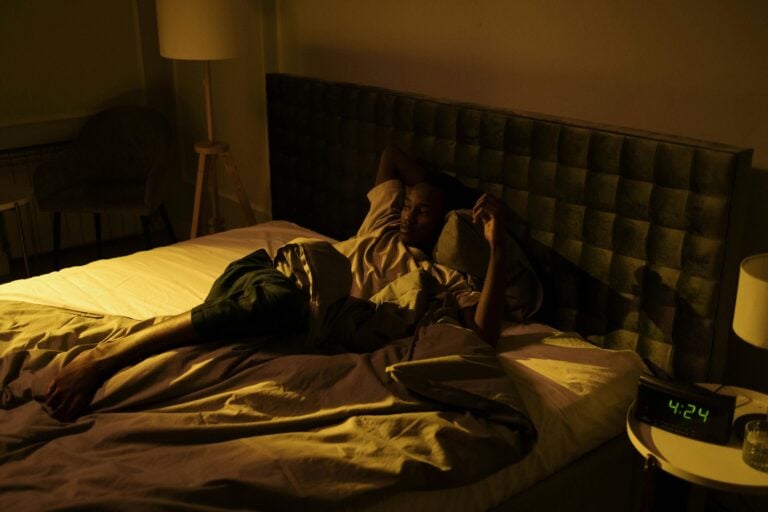
Sleep is another dimension of this that often gets overlooked. Solitude during waking hours helps, but if your sleep is fragmented or insufficient, none of the daytime restoration fully takes hold. Rest and recovery strategies for sensitive people address this specifically, because sleep deprivation and social exhaustion compound each other in ways that are hard to separate once they’re both in play.
I went through a period during a major agency merger where I was averaging five hours of sleep, working seven days a week, and telling myself I just needed to push through. My alone time during that stretch was technically present, I was physically alone every morning, but my mind was never quiet. The solitude was hollow. It took me longer than I’d like to admit to recognize that I wasn’t resting. I was just being alone with my anxiety.

How Do You Build Alone Time Into a Life That Wasn’t Designed for It?
Most modern lives, especially professional ones, are structured around availability. Open-door policies, shared calendars, Slack channels that ping at all hours, the implicit expectation that responsiveness equals commitment. For introverts trying to protect their solitude, this environment is genuinely hostile.
The practical answer isn’t to fight the structure head-on. It’s to build your solitude into the margins that already exist and gradually expand them as you demonstrate that your output doesn’t suffer. In fact, for most introverts, output improves.
Morning time before the workday starts is often the most defensible. Lunch breaks, if you’re willing to spend them alone rather than networking. Commute time, if you treat it as thinking time rather than catching-up time. Evening rituals that signal to your household that you’re in recharge mode rather than available mode.
Building consistent daily self-care practices around these pockets of time creates a structure that holds even when life gets chaotic. The practices themselves don’t need to be elaborate. What matters is the regularity and the intention behind them.
There’s also something worth saying about the permission piece. Many introverts, especially those who’ve spent years in high-visibility professional roles, carry a residual guilt about needing alone time. They’ve internalized the message that productivity means constant engagement, that good leaders are always accessible, that wanting to be alone is somehow antisocial or selfish. None of that is true, but it can take time to fully believe it.
One reframe that helped me was thinking about alone time the way I thought about client strategy: as an investment with measurable returns. When I protected my solitude, I made better decisions, communicated more clearly, and managed my team with more patience and precision. When I didn’t, I was reactive, scattered, and operating from depletion. The business case for my own introversion was actually quite strong. I just had to stop apologizing for it and start treating it as a professional asset.
Does Alone Time Look Different Depending on Personality Type?
Yes, and the differences are meaningful enough to be worth understanding. Introverts need solitude to recharge. Extroverts can benefit from it too, but they don’t experience its absence as the same kind of depletion. For extroverts, too much alone time can actually feel draining rather than restorative.
Within introversion, there are also differences. As an INTJ, my preferred solitude tends to be mentally active: reading, writing, planning, analyzing. I’m not particularly drawn to purely passive rest. Other introverted types may find their deepest restoration in stillness, in creative expression, in physical movement, or in nature. The form matters less than the function.
What’s interesting is that alone time can look completely different from person to person even among introverts, and what counts as restorative for one person may feel empty or restless to another. success doesn’t mean replicate someone else’s solitude practice. It’s to find what actually works for your specific nervous system and life circumstances.
I’ve had introverted colleagues who found their deepest restoration in solo travel, being physically alone in an unfamiliar place, with no obligations and no familiar faces. Psychology Today has explored how solo travel functions as a genuine preference for many people rather than a last resort, and for introverts especially, the freedom of being anonymous and unscheduled can be profoundly restorative. I’m not a solo traveler by nature, but I understood exactly what they were describing.
What’s the Connection Between Alone Time and Self-Knowledge?
This is the dimension of solitude that gets the least attention, and it might be the most important one.
Knowing yourself, your actual values, preferences, limits, and desires rather than the ones you’ve absorbed from other people’s expectations, requires time alone with your own thoughts. Not time spent performing for an audience, not time spent reacting to other people’s needs, but genuine internal space where your own signal can come through clearly.
For much of my 30s, I had very little of that space. I was running agencies, managing large teams, serving demanding clients, and playing the role of extroverted leader that the industry seemed to require. My sense of self was largely constructed from external feedback: client satisfaction scores, revenue numbers, team morale surveys. I knew how I was performing. I didn’t know who I was.
The shift came gradually, as I started protecting morning time consistently. Not for productivity, just for quiet. Over months, I began to notice what I actually thought about things, separate from what I was supposed to think. What I genuinely valued in work, separate from what the industry rewarded. What kind of leader I wanted to be, separate from the models I’d been given.
PubMed Central has published research on how solitude supports identity development and self-concept clarity, particularly in adults handling significant life transitions. That language matches what I experienced, even if I wouldn’t have used those words at the time. Alone time wasn’t just rest. It was the space where I became more genuinely myself.
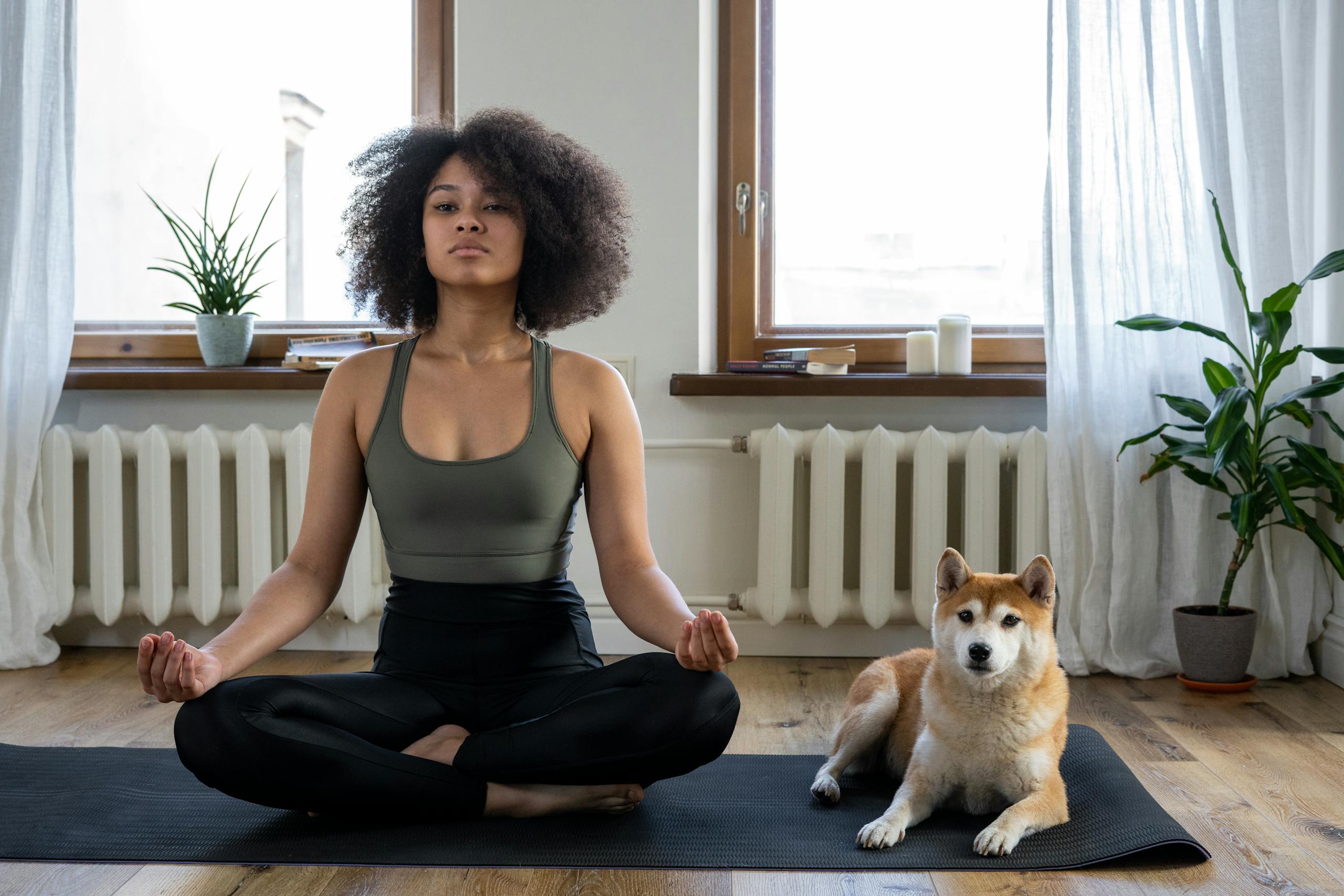
Is There a Right Way to Spend Alone Time?
No, but there are more and less effective ways, and the difference usually comes down to presence versus distraction.
Alone time spent in genuine presence with yourself, whether that’s through reading, walking, creating, cooking, gardening, or simply sitting quietly, tends to produce the restoration and clarity that solitude is capable of. Alone time spent consuming content, scrolling, or mentally rehearsing stressful conversations can feel like solitude without delivering its benefits.
That said, there’s no virtue in making solitude into another performance. Some days, watching a film alone or listening to music without doing anything else is exactly what you need. The test isn’t whether your alone time looks impressive. It’s whether you feel more like yourself afterward.
One practical question worth asking at the end of any solo stretch: do I feel more settled, or less? More clear, or more scattered? More connected to myself, or more disconnected? Those answers will tell you more about the quality of your solitude than any framework or schedule.
If you’re building a more intentional relationship with solitude and want to explore the full range of ways introverts restore themselves, the Solitude, Self-Care & Recharging hub is a good place to go deeper. It covers everything from daily practices to recovery from burnout to the specific needs of highly sensitive introverts.
About the Author
Keith Lacy is an introvert who’s learned to embrace his true self later in life. After 20 years in advertising and marketing leadership, including running agencies and managing Fortune 500 accounts, Keith now channels his experience into helping fellow introverts understand their strengths and build fulfilling careers. As an INTJ, he brings analytical depth and authentic perspective to every article, drawing from both professional expertise and personal growth.
Frequently Asked Questions
Is alone time good for your mental health?
Yes, voluntary alone time is genuinely good for mental health. Solitude that you choose, rather than isolation imposed by circumstances, supports emotional clarity, reduces anxiety, and builds self-awareness. The distinction between chosen solitude and unwanted isolation matters: the former tends to restore wellbeing, while the latter can deepen feelings of loneliness. For introverts especially, regular alone time isn’t a luxury. It’s a core part of how the nervous system recovers from social demands.
How much alone time do introverts need each day?
There’s no universal number, but many introverts find that even 30 to 60 minutes of genuine, uninterrupted solitude per day makes a meaningful difference. What matters most is the quality of that time, meaning it’s free from digital interruption and entered with some intention, rather than the quantity. Highly sensitive introverts may need more. People in especially demanding social or professional roles may need more during high-pressure periods. The best gauge is your own sense of whether you feel restored or depleted at the end of a given day.
Can too much alone time be harmful?
Yes. Solitude is healthy, but chronic social withdrawal is not. The risk isn’t alone time itself but the shift from restorative solitude to avoidant isolation. Warning signs include declining social contact that you actually want, using aloneness to escape from problems rather than process them, and feeling increasingly hollow or disconnected over time. Healthy introverts need both solitude and meaningful connection. The goal is balance, not maximum aloneness.
What’s the difference between solitude and loneliness?
Solitude is the state of being alone, which can be peaceful, productive, and deeply restorative. Loneliness is the painful feeling of being disconnected from others, regardless of whether you’re physically alone or surrounded by people. You can experience solitude without loneliness, and you can feel profoundly lonely in a crowded room. For introverts, solitude is often actively sought and genuinely enjoyable. Loneliness, by contrast, is a distress signal indicating a need for connection that isn’t being met.
How do you make alone time actually restorative instead of just empty?
Restorative alone time tends to involve some degree of presence, meaning you’re genuinely with your own thoughts rather than filling the space with distraction. Activities like reading, walking, journaling, cooking, or spending time in nature tend to support restoration more than passive scrolling or anxious rumination. Sleep quality also matters: solitude during waking hours works best when it’s supported by adequate rest. The simplest test is whether you feel more like yourself after a period of alone time. If yes, you’re doing it right.