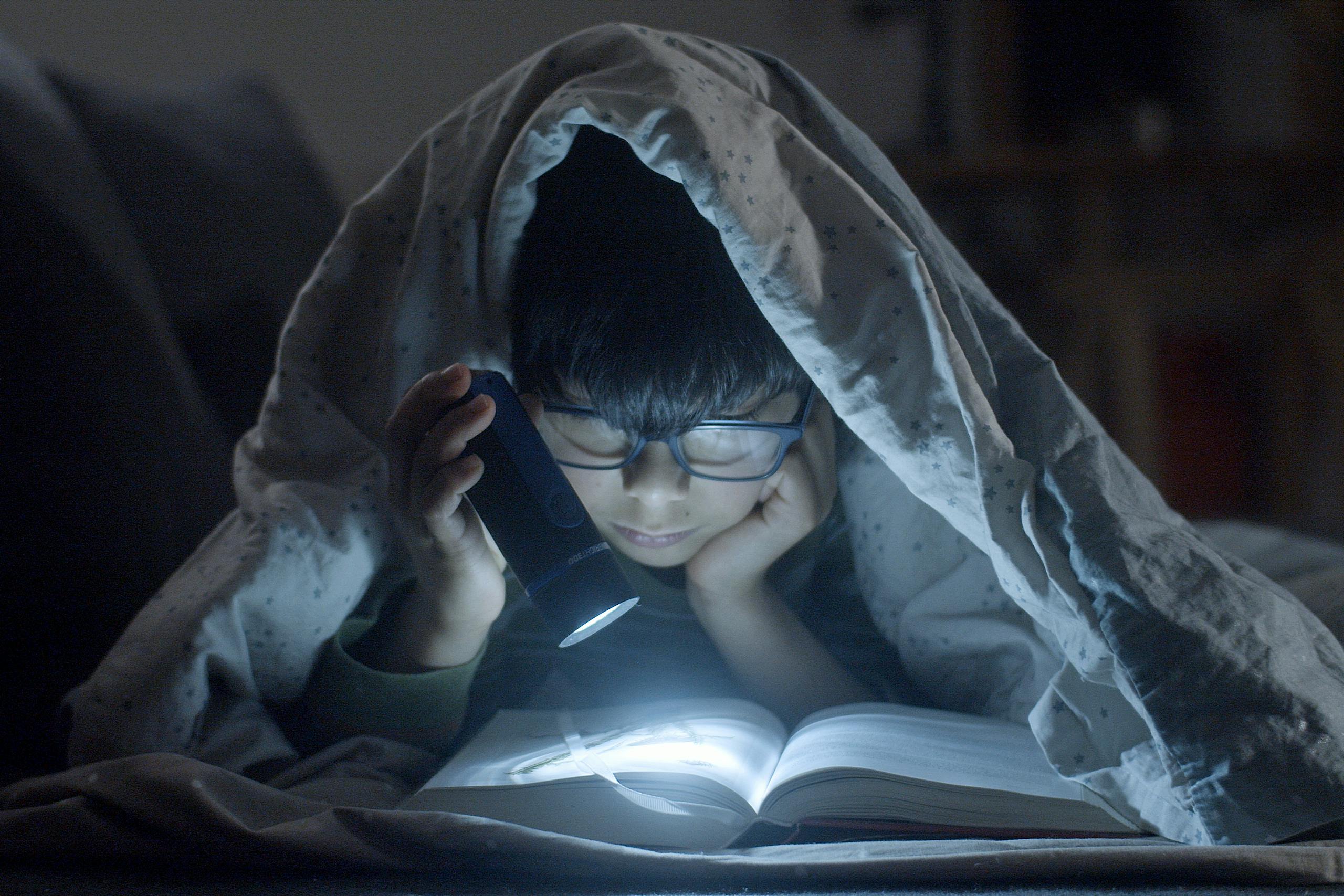

Childhood shyness is not a reliable predictor of adult neuroticism, though the two can overlap under certain conditions. Shyness reflects a social hesitation often rooted in temperament, while neuroticism describes a broader pattern of emotional instability and anxiety that develops through a complex mix of genetics, environment, and life experience. Most shy children do not grow into neurotic adults, and many quiet, cautious kids develop into grounded, self-aware people who simply prefer depth over noise.
That distinction matters enormously, especially if you’re a parent watching a child hold back at birthday parties or freeze up when a stranger speaks to them. The instinct to worry is natural. The conclusion that something is wrong, though, deserves a closer look.
Our Introvert Family Dynamics and Parenting hub covers a wide range of topics around raising and understanding introverted children, but the shyness-neuroticism question sits at a particularly charged intersection of personality science, parenting anxiety, and the cultural pressure to be outgoing. Getting it right means separating what the evidence actually supports from what we’ve absorbed through years of misreading quiet kids.

What Does Childhood Shyness Actually Look Like?
Shyness in children shows up as hesitation in new social situations, discomfort with unfamiliar people, a tendency to observe before participating, and sometimes a physical response like blushing or going quiet when put on the spot. It’s not the same as being unfriendly, uninterested, or emotionally fragile. Many shy children are deeply engaged with the world around them. They’re just processing it from a safer distance before they step in.
What’s your personality type?
Take our free 40-question assessment and get a detailed personality profile with dimension breakdowns, context analysis, and personalised insights.
Discover Your Type8-12 minutes · 40 questions · Free
I recognize this pattern because I lived it. As a kid, I was the one hanging back at the edge of group activities, watching how things worked before I committed to joining. Adults in my life often interpreted that as a lack of confidence or social fear. What it actually was, though I couldn’t have named it then, was a need to understand the environment before investing in it. That’s not anxiety. That’s a particular kind of intelligence.
Temperament researchers have long distinguished between behavioral inhibition, which is a biologically rooted caution in novel situations, and shyness, which involves a more specific discomfort around social evaluation. The National Institutes of Health has noted that infant temperament, particularly behavioral inhibition, shows some continuity into adult introversion. Yet introversion and neuroticism are different constructs entirely, a point that gets lost in popular conversation.
The confusion between shyness, introversion, and neuroticism is one of the more persistent misreadings in personality psychology. Shyness involves social anxiety and a desire for connection paired with fear of it. Introversion is about energy preference, not fear. Neuroticism is about emotional reactivity and instability. A child can be shy without being introverted, introverted without being shy, and neither shy nor introverted while still scoring high on neuroticism as an adult.
How Does the Big Five Framework Help Clarify the Difference?
The Big Five personality model is one of the most well-validated frameworks in personality psychology, and it draws a clear line between introversion and neuroticism as separate dimensions. Introversion sits on the extraversion-introversion axis. Neuroticism is its own dimension, measuring emotional instability, anxiety proneness, and vulnerability to stress. Someone can score low on extraversion (meaning introverted) and low on neuroticism (meaning emotionally stable) at the same time. The two don’t automatically travel together.
If you want to get a clearer picture of where you or your child lands across these dimensions, our Big Five Personality Traits Test can help map out the full profile rather than collapsing everything into a single label. Understanding that introversion and neuroticism are separate factors changes how you interpret a quiet child’s behavior entirely.
During my agency years, I managed teams that included people with very different personality profiles. One account director I worked with was quiet, methodical, and deeply introverted. She also happened to be one of the most emotionally stable people on staff. She didn’t spiral under pressure. She didn’t take client criticism personally. She processed things internally and came back with clear thinking. By contrast, I managed another team member who was extroverted, socially confident, and visibly high-strung. He’d light up in a room and then unravel completely when a campaign underperformed. Extraversion didn’t protect him from emotional volatility, and introversion didn’t cause it in her.
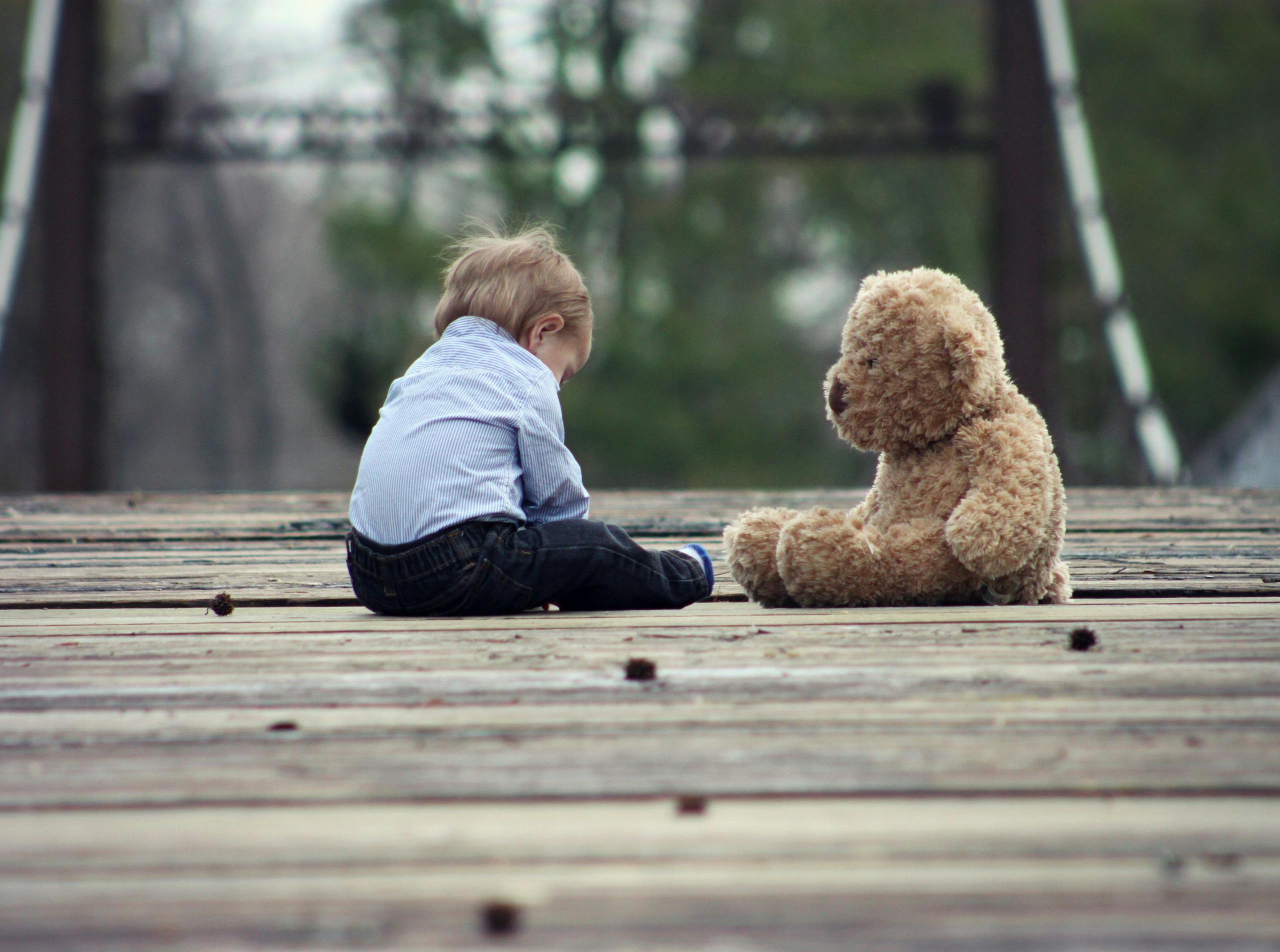
That lived experience tracks with what personality science tells us. The published literature on temperament and personality development suggests that early behavioral inhibition has some predictive relationship with anxiety-related outcomes, but the pathway is far from deterministic. Environment, parenting style, and a child’s own developing sense of self all shape whether early caution becomes a strength or a source of chronic distress.
When Does Shyness Become a Risk Factor Worth Watching?
There’s a meaningful difference between a child who is naturally cautious in new situations and one who is consistently overwhelmed by ordinary social demands. The first is a temperament trait. The second may signal something that deserves more attention.
Persistent, pervasive shyness that interferes with a child’s ability to function, form friendships, attend school comfortably, or engage in age-appropriate activities can sometimes be an early marker of social anxiety disorder or other anxiety-related conditions. This is where shyness and neuroticism start to intersect, not because shyness causes neuroticism, but because both may reflect an underlying sensitivity to threat and uncertainty that, without support, can compound over time.
The American Psychological Association has written extensively about how early adverse experiences can shape emotional regulation in children. Trauma, chronic stress, and invalidating environments can take a child who is temperamentally sensitive and push their nervous system toward chronic vigilance. That’s not a personality type. That’s a wound. And it’s treatable.
What parents often miss is that the environment shapes the outcome more than the trait itself. A shy child raised in a household where their quietness is respected, where they’re not repeatedly pushed into overwhelming social situations, and where they receive warm, consistent emotional support is far less likely to develop the kind of chronic anxiety that feeds into high neuroticism. The trait is the starting point. The environment determines where it goes.
Highly sensitive parents often understand this intuitively because they’ve lived the experience of being a sensitive child themselves. Our resource on HSP parenting and raising children as a highly sensitive parent addresses exactly this dynamic, including how to create the kind of environment that lets a sensitive child’s strengths develop without amplifying their vulnerabilities.
What Does the Research Actually Support About Long-Term Outcomes?
Personality research on childhood temperament and adult outcomes is genuinely complex, and the popular press tends to flatten it into alarming headlines. What the actual literature suggests is more nuanced.
Behavioral inhibition in infancy and toddlerhood does show some continuity into childhood shyness and, in some cases, adolescent social anxiety. But continuity doesn’t mean inevitability. Many behaviorally inhibited children show significant change over time, particularly when they have supportive relationships and positive social experiences that build confidence gradually. The evidence on temperament stability and change points to a more fluid picture than the “shy child becomes anxious adult” narrative suggests.
What does seem to matter is the interaction between the child’s temperament and their social environment. A child who is temperamentally cautious and grows up in a family that treats every hesitation as a problem to be fixed, who gets pushed repeatedly into overwhelming situations before they’re ready, or who receives the message that their natural way of being is defective, that child is at higher risk. Not because they were shy, but because their shyness was mishandled.

I think about my own childhood here. Nobody labeled me as a problem, but I did receive a lot of implicit messages that my preference for quiet, for thinking before speaking, for watching before joining, was something to overcome. By the time I was running my own agency, I’d spent two decades trying to perform extroversion in a culture that rewarded it. The cost wasn’t neuroticism exactly, but it was a kind of low-grade exhaustion and inauthenticity that took years to recognize and address. The damage wasn’t in my temperament. It was in how I’d been taught to relate to it.
How Should Parents Actually Respond to a Shy Child?
The most protective thing a parent can do for a shy child is not to fix the shyness. It’s to create conditions where the child can develop a secure relationship with their own temperament.
That means resisting the urge to push a child into social situations before they’re ready, while also not over-protecting them from every moment of social discomfort. It means naming what you see without pathologizing it. “You like to watch for a while before you join in” is very different from “You’re so shy, why can’t you just talk to people?” One describes a behavior. The other defines an identity with a negative charge.
It also means paying attention to your own reactions. Parents who are anxious about their child’s shyness often transmit that anxiety in ways they don’t intend. A parent who hovers nervously at the edge of a playground, ready to intervene the moment their shy child looks uncomfortable, is inadvertently signaling that the situation is dangerous. The child reads that signal and becomes more vigilant, not less.
Warm, authoritative parenting that acknowledges the child’s feelings while gently encouraging engagement tends to produce better outcomes than either forcing social participation or avoiding it entirely. success doesn’t mean produce an extrovert. It’s to raise a child who can function comfortably in the world while remaining connected to who they actually are.
Understanding your own personality and how it shapes your parenting instincts matters here too. Someone who scores high on certain personality dimensions, particularly agreeableness and conscientiousness, may find it harder to tolerate a child’s social discomfort without intervening. Our Likeable Person Test touches on some of the social warmth and interpersonal sensitivity dimensions that influence how we read and respond to others, including our own children.
What Role Does Self-Concept Play in Whether Shyness Leads to Neuroticism?
One of the more underappreciated variables in this whole conversation is the story a child develops about themselves. A shy child who comes to believe “I am broken” or “something is wrong with me” is building a self-concept that creates its own psychological risk. That narrative, reinforced by well-meaning adults who treat shyness as a deficit, can become a lens through which every social difficulty gets interpreted as confirmation of inadequacy.
Contrast that with a shy child who develops the story “I’m someone who takes my time and thinks carefully before I act.” Same temperament. Radically different psychological trajectory.
This is where the introvert-neuroticism conflation does real damage. When we treat shyness or introversion as problems to be solved rather than traits to be understood, we’re not just misreading the child. We’re shaping how they misread themselves. And a child who grows up believing their natural temperament is a liability is going to carry more anxiety, more self-doubt, and more emotional fragility than their temperament alone would have produced.
I spent the first half of my career in advertising operating from exactly that kind of self-concept. I thought my preference for preparation over improvisation, for written communication over verbal sparring, for small trusted teams over open-plan brainstorming, was a weakness I was managing. It wasn’t until I started understanding my INTJ wiring more clearly that I realized those weren’t deficits. They were the very things that made me effective at building strategy and client relationships that lasted. The pivot wasn’t in my personality. It was in how I understood it.
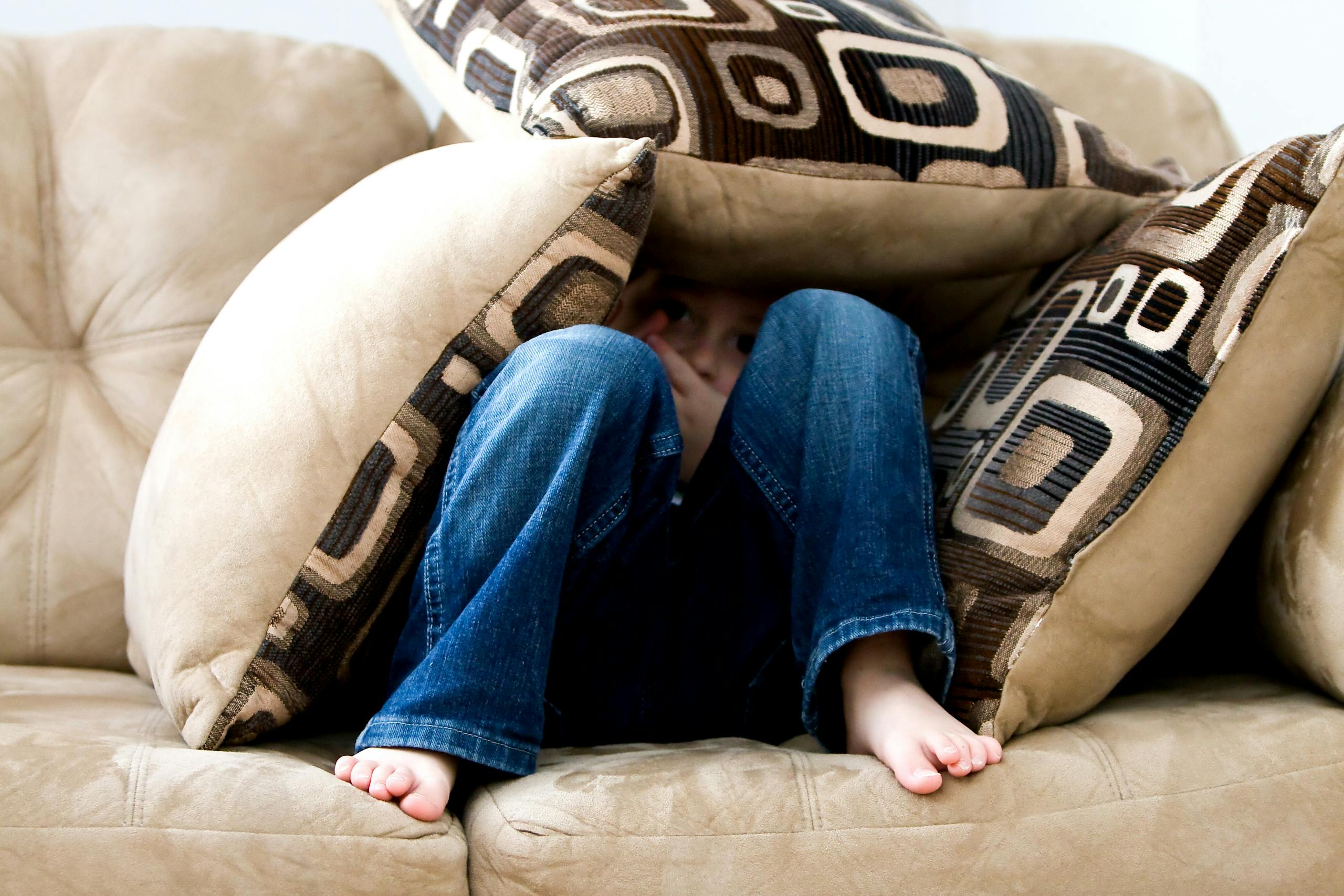
Are There Situations Where Professional Support Makes Sense?
Yes, and it’s worth being direct about this. Most shy children don’t need therapy. They need time, patience, and an environment that respects their pace. Yet there are situations where a professional perspective adds real value.
If a child’s shyness is accompanied by significant distress, physical symptoms like stomachaches or headaches before social situations, refusal to attend school, inability to speak in settings where they’re expected to (selective mutism), or a pattern of worsening rather than gradual improvement, those are signals worth taking seriously. A child psychologist or therapist with experience in childhood anxiety can help distinguish between temperamental shyness and something that’s developed into a clinical concern.
It’s also worth noting that some children who appear shy are processing sensory or social information in ways that reflect other underlying differences, including high sensitivity, giftedness, or neurodevelopmental profiles that benefit from specific kinds of support. Getting curious rather than immediately alarmed is a good starting posture, but getting curious with professional guidance when things feel stuck is entirely reasonable.
For parents who work in caregiving or support roles themselves, the Personal Care Assistant Test Online explores some of the interpersonal and emotional capacities that shape how we support others, which can be useful context for parents who are handling their own caregiving instincts. Similarly, if you’re a parent in a wellness or fitness field trying to understand how your professional orientation shapes your approach to your child’s emotional health, the Certified Personal Trainer Test touches on the coaching and motivational frameworks that sometimes translate into parenting style in interesting ways.
One more thing worth naming: if a child’s emotional pattern feels more complex than shyness or introversion alone, including rapid mood shifts, intense fear of abandonment, or difficulty with emotional regulation that goes beyond what typical development explains, it’s worth exploring a broader clinical picture. Our Borderline Personality Disorder Test is designed for adults, not children, but it can be a useful reference point for parents who are trying to understand their own emotional patterns and how those might be shaping family dynamics.
What Does a Healthy Outcome Actually Look Like for a Shy Child?
A healthy outcome isn’t a child who stops being shy. It’s a child who develops enough self-knowledge and social competence to move through the world with confidence, even while retaining their naturally cautious, observant temperament.
Many shy children grow into adults who are exceptionally good listeners, thoughtful communicators, and perceptive readers of social situations, precisely because they spent years watching carefully before speaking. Those aren’t consolation prizes for not being extroverted. They’re genuine strengths that serve people well in relationships, in careers, and in leadership.
The Psychology Today overview of family dynamics makes clear that the relational environment children grow up in shapes far more of their long-term psychological outcomes than any single trait they’re born with. Shyness is a starting point. What parents, teachers, and caregivers do with it determines much of what follows.
There’s also something worth saying about the adults who were shy children and who are now raising their own shy kids. That experience carries its own emotional weight. You may find yourself alternating between deep empathy for your child and a kind of vicarious anxiety rooted in your own memories of social difficulty. Separating your history from your child’s present is some of the most important work you can do as a parent in this situation.
The complexity of family systems means that our own unresolved experiences with shyness, social anxiety, or being misunderstood as children can show up in how we interpret and respond to our children’s behavior. That’s not a flaw. It’s just how family dynamics work. Recognizing it is the first step to responding from clarity rather than from old pain.

What I know from my own experience, and from watching the introverts I’ve worked with over two decades in agency life, is that the quiet kids often become the people who see the most clearly. They grow up to be the ones who notice what others miss, who think before they speak, who build trust slowly and keep it long. That’s not a consolation prize. That’s a life well-suited to depth.
For more on how introversion, sensitivity, and family dynamics intersect across all stages of life, the Introvert Family Dynamics and Parenting hub brings together resources that cover everything from raising introverted children to managing introvert-extrovert dynamics within families.
About the Author
Keith Lacy is an introvert who’s learned to embrace his true self later in life. After 20 years in advertising and marketing leadership, including running agencies and managing Fortune 500 accounts, Keith now channels his experience into helping fellow introverts understand their strengths and build fulfilling careers. As an INTJ, he brings analytical depth and authentic perspective to every article, drawing from both professional expertise and personal growth.
Frequently Asked Questions
Is childhood shyness the same as introversion?
No. Shyness involves social anxiety and discomfort around being evaluated by others, while introversion describes a preference for less stimulating environments and a tendency to recharge through solitude. A child can be shy without being introverted, and introverted without being shy. The two traits can overlap, but they’re distinct in both their nature and their implications for development.
Does a shy child automatically grow up to be neurotic?
No. Childhood shyness does not automatically lead to adult neuroticism. While there is some evidence that early behavioral inhibition is associated with a higher likelihood of anxiety-related traits, the relationship is far from deterministic. Parenting environment, social experiences, and the child’s developing self-concept all play significant roles in shaping whether early shyness becomes a source of chronic emotional difficulty or simply a feature of a thoughtful, observant personality.
What’s the difference between shyness and neuroticism in personality science?
In the Big Five personality model, neuroticism is a distinct dimension measuring emotional instability, anxiety, and vulnerability to stress. Shyness is more closely related to social anxiety and is sometimes associated with lower extraversion, but it doesn’t map directly onto neuroticism. Someone can be introverted and low in neuroticism, meaning they’re quiet but emotionally stable. Conflating the two leads to misreading children and adults whose quietness is a strength rather than a symptom.
How can parents support a shy child without making it worse?
The most effective approach is to acknowledge the child’s experience without pathologizing it, create gradual opportunities for positive social engagement rather than forcing participation, and avoid transmitting parental anxiety about the shyness itself. Warm, consistent support that respects the child’s pace while gently encouraging growth tends to produce better outcomes than either pushing the child beyond their comfort zone too quickly or shielding them entirely from social challenge.
When should a parent be concerned about a shy child’s development?
Parents should consider seeking professional guidance if a child’s shyness is accompanied by significant distress, physical symptoms before social situations, refusal to attend school, selective mutism, or a pattern that worsens rather than gradually eases over time. These signs may indicate that the shyness has developed into a clinical anxiety concern that benefits from targeted support. Most shy children do not reach this threshold, but when they do, early intervention makes a meaningful difference.