
Spending a lot of time alone is not inherently bad. For many people, especially introverts and highly sensitive individuals, solitude is a genuine psychological need rather than a social failure. The question worth asking isn’t how much time you spend alone, but whether that time is restoring you or isolating you.
That distinction matters more than most people realize. And I know this from the inside out.
There’s a broader conversation happening around solitude, self-care, and what it actually means to recharge as an introvert. Our Solitude, Self-Care & Recharging hub brings together everything I’ve written on this topic, and this article sits at the center of it all. Because before you can build a healthy relationship with alone time, you need to stop feeling guilty about wanting it in the first place.
Why Does Alone Time Carry So Much Shame?
Somewhere along the way, most of us absorbed the idea that wanting to be alone signals something broken. That a full social calendar equals a full life. That needing quiet is a character flaw rather than a personality trait.
What’s your personality type?
Take our free 40-question assessment and get a detailed personality profile with dimension breakdowns, context analysis, and personalised insights.
Discover Your Type8-12 minutes · 40 questions · Free
I spent two decades inside advertising agencies where the culture ran on energy, noise, and visibility. Open floor plans, brainstorming sessions that started before I’d finished my coffee, and the unspoken rule that enthusiasm was demonstrated through volume. As an INTJ, I processed everything internally. I’d sit in a pitch meeting, absorbing every detail, and by the time I had something worth saying, three other people had already filled the silence with half-formed ideas. My quietness got read as disengagement. My need for processing time got mistaken for indecision.
So I compensated. I pushed myself into more meetings, more networking events, more after-work client dinners. And I came home completely hollowed out, night after night, wondering why everyone else seemed to find this energizing.
That’s the shame cycle in action. You feel drained by social interaction, you tell yourself something is wrong with you, and then you push harder into the very thing depleting you. It took me years to understand that the problem wasn’t my preference for solitude. The problem was that I’d accepted the cultural narrative that solitude was a consolation prize for people who couldn’t manage real connection.
What Does Spending a Lot of Time Alone Actually Do to You?
The honest answer is: it depends entirely on how you’re spending that time and what’s driving it.
Solitude chosen freely, with intention, tends to produce clarity, creativity, and emotional regulation. Isolation that comes from fear, social anxiety, or avoidance produces something very different. Harvard Health has written thoughtfully about the distinction between loneliness and isolation, pointing out that the internal experience matters as much as the external circumstance. You can be surrounded by people and feel profoundly lonely. You can spend a weekend entirely alone and feel deeply connected to yourself and your life.
Voluntary solitude, the kind you choose because it genuinely restores you, has real psychological benefits. The Greater Good Science Center at Berkeley has explored how solitude supports creativity, noting that time away from social demands gives the mind space to make unexpected connections and process experience more deeply. That’s not a luxury. That’s how certain minds work best.
What I noticed in my own experience, and in watching the introverts on my teams over the years, is that the quality of alone time matters as much as the quantity. One of my senior copywriters would disappear into her office for hours at a stretch, emerging with work that was genuinely remarkable. Another person on my team avoided the office entirely, working remotely in ways that looked like isolation from the outside but were actually producing his best output. Both of them needed that space. Both of them delivered because of it, not in spite of it.
There’s also something worth acknowledging about what happens when introverts don’t get that space. If you’ve ever felt yourself becoming irritable, foggy, or emotionally reactive after too many consecutive days of social demands, you already understand this on a physical level. I’ve written about it directly in what happens when introverts don’t get alone time, and the effects are more significant than most people expect.
Is There Such a Thing as Too Much Time Alone?
Yes. And being honest about this matters.
There’s a meaningful difference between an introvert who spends Saturday morning alone reading, then meets a close friend for dinner, versus someone who hasn’t had a real conversation in three weeks and has stopped returning messages. Both might describe themselves as “preferring solitude,” but they’re living in very different psychological states.
The CDC has documented the health risks associated with chronic social disconnection, and those risks are real. Prolonged isolation, particularly when it’s driven by withdrawal rather than genuine preference, can affect mood, cognitive function, and physical health over time. This isn’t an argument against alone time. It’s an argument for being honest with yourself about what’s actually driving yours.
Ask yourself a few direct questions. Are you choosing solitude because it genuinely restores you, or because social interaction has started to feel threatening? Do you still have relationships you’re maintaining, even if you see those people less frequently than extroverts might? Are you engaged with the world in some way, through work, creative projects, community, or personal growth, even when you’re physically alone?
If the answers are yes, you’re probably fine. If solitude has shifted from something you choose to something you hide inside, that’s worth paying attention to.
I’ve been in both places. During a particularly brutal stretch of agency life, I went through a period where I wasn’t recharging alone. I was retreating. There’s a difference in how it feels. Recharging leaves you ready to re-engage. Retreating leaves you more avoidant than when you started. It took a good therapist and some honest self-examination to recognize which one I was doing.
How Highly Sensitive People Experience Alone Time Differently
Not everyone who needs significant alone time is simply introverted. Many people who spend a lot of time alone are also highly sensitive, a trait that involves deeper processing of sensory and emotional information. For HSPs, the need for solitude isn’t just about social energy. It’s about sensory recovery.
I’ve managed several people over the years who I’d describe as highly sensitive, though that language wasn’t common in agency culture. They were the ones who noticed the tension in a room before anyone else did. They produced exceptional empathetic work, the kind of advertising that actually moved people, but they needed more recovery time after big presentations or difficult client interactions. Their need for solitude wasn’t weakness. It was biological.
If you recognize yourself in that description, the piece on HSP solitude and the essential need for alone time speaks directly to that experience. It’s not about being antisocial. It’s about understanding that your nervous system genuinely requires more downtime to process what it takes in.
There’s also a broader set of daily practices that support HSPs specifically. HSP self-care looks different from generic wellness advice, and building routines that account for your sensitivity rather than fighting against it changes everything. Sleep is a particular factor worth mentioning. Research published in PubMed Central has examined the relationship between sleep quality and emotional regulation, and for highly sensitive people, disrupted sleep amplifies every other challenge significantly. The HSP sleep and recovery strategies I’ve covered address this directly.
What Quality Solitude Actually Looks Like
One thing I’ve noticed is that people who feel guilty about spending time alone often spend that time in a low-grade state of self-criticism. They’re alone, but they’re not actually resting. They’re cataloguing what they should be doing instead, who they should be calling, how they should be more social. That’s not solitude. That’s just isolation with a side of shame.
Genuine solitude is purposeful. It might look like a long walk where you’re actually present in your surroundings rather than running through your to-do list. It might be an afternoon of reading that you don’t feel you have to justify. It might be sitting with your own thoughts long enough to actually hear them.
Nature plays a specific role here that I’ve come to appreciate more over time. There’s something about being outdoors, away from screens and social demands, that quiets the internal noise in a way that sitting inside rarely does. The healing power of nature for sensitive and introverted people is something I’ve explored in depth, and the evidence points in a consistent direction: time outdoors alone tends to be more restorative than time indoors alone, particularly for people who process deeply.
I started taking solo walks in the early morning during the years I was running my agency. Not for fitness, though that was a side benefit. For the silence. Forty-five minutes before anyone else needed anything from me, with no agenda and no device in my pocket. It was the only part of my day where I felt genuinely myself. Everything that followed was easier because of it.
There’s also something worth acknowledging about solitude in transit. The concept of making alone time work for you extends into how you structure even the margins of your day, commutes, lunch breaks, the ten minutes before a meeting. Small pockets of genuine solitude add up.
Alone Time vs. Loneliness: Getting Clear on the Difference
This might be the most important distinction in this entire article. Loneliness is not the same as being alone.
Loneliness is the felt sense that you lack meaningful connection. You can experience it in a crowded room, at a dinner party, in a marriage. Being alone is simply a physical state. For introverts, being alone is often where connection with themselves happens most naturally.
What I’ve found, both in my own life and in conversations with other introverts, is that the guilt around alone time often comes from conflating the two. Someone asks how you spent your weekend and you say “mostly alone” and immediately brace for the look of concern. So you start to wonder if you should be concerned too. But the question worth sitting with is: did that time feel lonely? Or did it feel like exactly what you needed?
A paper published in Frontiers in Psychology examined how voluntary solitude differs psychologically from loneliness, finding that people who choose solitude for restorative reasons tend to report higher wellbeing than those who are alone involuntarily. The choice is the variable. Agency matters.
There’s also a cultural dimension worth naming. Spending time alone has been reframed in recent years as something people actively choose and even celebrate. Psychology Today has noted the rise of solo travel as one visible expression of this shift, with more people deliberately structuring time alone not because they have to, but because they’ve recognized what it does for them. That’s a meaningful cultural shift, and it’s one introverts have been quietly practicing for years.
How to Know If Your Alone Time Is Healthy
There’s no universal threshold. No one can tell you exactly how many hours per week alone is right for you, because that number is genuinely individual. What you can do is pay attention to a few reliable signals.
Healthy alone time tends to leave you feeling more like yourself. You emerge from it with more capacity for the people and responsibilities in your life, not less. You’re choosing it rather than defaulting to it out of fear or avoidance. And you’re still maintaining some thread of connection with others, even if that connection is less frequent than average.
Unhealthy isolation tends to compound itself. Each day alone makes re-engaging feel harder. Social situations start feeling more threatening rather than simply tiring. You find yourself turning down things you’d actually enjoy because the activation energy feels too high. Your inner world becomes smaller rather than richer.
Psychology Today’s writing on solitude and health makes the point well: solitude practiced intentionally is a form of self-care. Isolation that happens to you is a risk factor. The difference lies in whether you’re directing the experience or being swept along by it.
I’d add one more signal from personal experience. When my alone time was genuinely restorative, I came back to my team with more to give. Better ideas, more patience, clearer thinking. When I was isolating rather than recharging, I came back depleted and reactive. My team could feel the difference, even when I couldn’t see it myself.
Research in PubMed Central examining psychological wellbeing and social behavior points toward this same dynamic: the relationship between alone time and wellbeing is shaped significantly by the quality of the time, not just the quantity.
Giving Yourself Permission Without Losing Balance
What I want to say clearly, especially to introverts who’ve spent years apologizing for this part of themselves, is that you don’t need permission from anyone else to need what you need. Your preference for solitude is not a social liability. It’s not something to manage or minimize. It’s a genuine aspect of how you’re wired, and honoring it makes you more functional, not less.
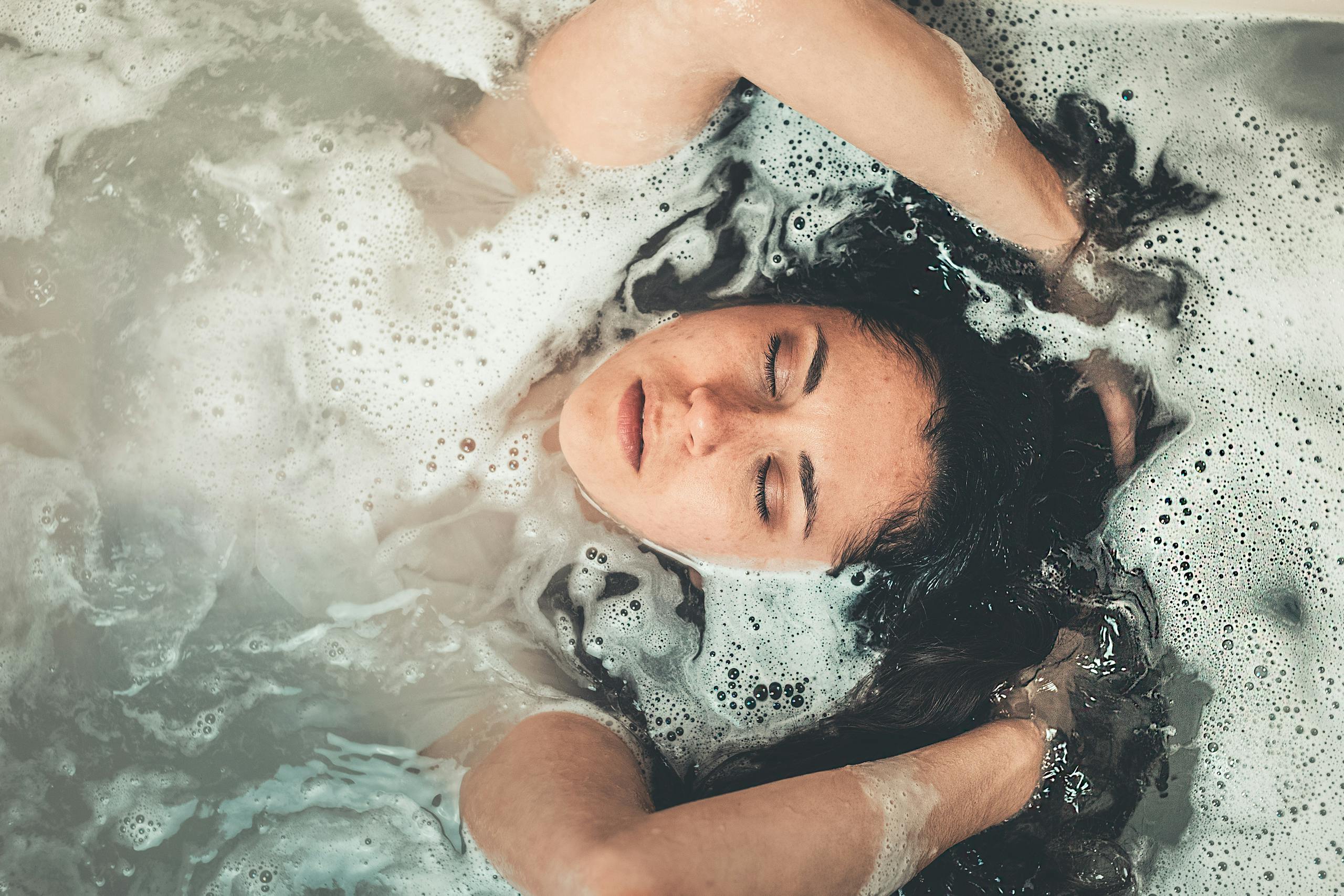
That said, balance is real. Solitude that serves you keeps you connected to your life, your values, your relationships, and your work. It restores capacity. It doesn’t replace engagement with the world. The goal is a life where you have enough alone time to bring your full self to everything else, not a life where alone time becomes the whole story.
At my agency, I eventually stopped pretending I was energized by the same things my extroverted colleagues were. I started protecting my mornings. I started taking lunch alone at least three days a week. I stopped feeling like I had to explain it. And something interesting happened: my work got better, my leadership got steadier, and the people on my team started respecting the boundary rather than questioning it. What I’d been treating as a weakness turned out to be, when I stopped fighting it, one of my most reliable strengths.
Spending a lot of time alone isn’t bad. Spending time alone badly is. Know the difference, protect the practice, and stop apologizing for being wired the way you are.
There’s much more to explore on this topic across the full Solitude, Self-Care & Recharging hub, where I’ve gathered everything from daily routines to recovery strategies for introverts and highly sensitive people.
About the Author
Keith Lacy is an introvert who’s learned to embrace his true self later in life. After 20 years in advertising and marketing leadership, including running agencies and managing Fortune 500 accounts, Keith now channels his experience into helping fellow introverts understand their strengths and build fulfilling careers. As an INTJ, he brings analytical depth and authentic perspective to every article, drawing from both professional expertise and personal growth.
Frequently Asked Questions
Is it bad to spend a lot of time alone?
Spending a lot of time alone is not bad when it’s chosen freely and leaves you feeling restored. Voluntary solitude supports creativity, emotional regulation, and self-awareness. The concern arises when alone time shifts from something you actively choose to something driven by avoidance, fear, or social withdrawal. Pay attention to whether your solitude is expanding your inner world or shrinking your engagement with life.
How much alone time is too much?
There’s no universal number. The more useful measure is whether your alone time is leaving you more capable and connected or more avoidant and withdrawn. Introverts genuinely need more solitude than extroverts to function well. That said, if you find that re-engaging with others feels increasingly threatening rather than simply tiring, or if you’re consistently declining things you’d actually enjoy, that’s worth examining honestly.
What is the difference between healthy solitude and unhealthy isolation?
Healthy solitude is chosen with intention and leaves you with more to give to your relationships and responsibilities. Unhealthy isolation tends to compound over time, making social re-engagement feel harder rather than easier. The key variable is agency: are you directing the experience, or is withdrawal directing you? Solitude that restores your capacity is a form of self-care. Isolation that diminishes your engagement with the world is a risk factor worth addressing.
Can spending too much time alone affect your mental health?
Chronic involuntary isolation, particularly when driven by social anxiety or avoidance, can affect mood, cognitive function, and overall wellbeing over time. Voluntary solitude, by contrast, is associated with positive outcomes including greater creativity and emotional clarity. The mental health risk comes not from being alone, but from being disconnected from meaningful relationships and engagement with the world. Maintaining some thread of genuine connection, even infrequently, matters.
Is needing a lot of alone time a sign of introversion or something else?
Needing significant alone time is strongly associated with introversion, where social interaction depletes energy rather than generating it. It’s also common among highly sensitive people, who require additional recovery time after processing intense sensory or emotional input. In some cases, a strong preference for solitude can also reflect social anxiety, depression, or other factors worth exploring with a mental health professional. The difference is usually in whether the preference feels like a genuine expression of who you are or a response to fear.