
Wanting to be alone most of the time is healthy for many people, particularly those wired for deep internal processing. Solitude is not a symptom of something broken. For introverts and highly sensitive people, regular time alone is how the nervous system recovers, how the mind makes sense of experience, and how genuine creativity takes root. The question worth asking is not whether you want too much solitude, but whether the solitude you seek is nourishing you or isolating you.
That distinction took me years to work out for myself.

Running advertising agencies for over two decades meant I lived inside a near-constant stream of meetings, pitches, client calls, and creative reviews. On the outside, I looked like someone who thrived in that environment. On the inside, I was perpetually running a quiet calculation: how much of this can I absorb before I need to disappear for a while? I did not have language for it back then. I just knew I needed silence the way other people seemed to need conversation.
If you are asking whether it is healthy to want to be alone most of the time, you are probably asking because someone in your life has made you feel like the answer is no. This article is for you. And it connects to a larger body of work I have built around the topic over at the Solitude, Self-Care and Recharging Hub, where I explore what genuine rest and recovery actually look like for introverts and highly sensitive people.
What Does It Actually Mean to Want to Be Alone Most of the Time?
Most people use “wanting to be alone” as a catch-all phrase, but it covers a wide range of experiences. There is the introvert who needs two hours of quiet after work before they can be present with their family. There is the highly sensitive person who finds that crowds and noise leave them feeling physically depleted. There is the creative who does their best thinking in isolation. And yes, there is also the person who has withdrawn because anxiety, depression, or grief has made connection feel impossible.
What’s your personality type?
Take our free 40-question assessment and get a detailed personality profile with dimension breakdowns, context analysis, and personalised insights.
Discover Your Type8-12 minutes · 40 questions · Free
These are not the same thing, and conflating them does real harm. Wanting solitude as a source of restoration is fundamentally different from avoiding connection because it feels threatening. One is a preference rooted in how your nervous system works. The other is a coping pattern that may need attention.
As an INTJ, my preference for solitude has always been tied to how I process information and make decisions. I do not think out loud. I think in long, uninterrupted stretches of quiet. When I was managing a team of twelve at one of my agencies, I used to arrive at the office an hour before anyone else. Not to get ahead on email. To think. That hour alone was what made the next eight hours possible. My team saw a leader who was present and decisive. What they did not see was the quiet infrastructure that made that possible.
Is Preferring Solitude a Sign of Something Wrong?
Short answer: no, not inherently. Longer answer: it depends on what the solitude is doing for you.
Psychological research has increasingly moved away from treating introversion or a preference for alone time as pathology. The notion that humans must be socially gregarious to be mentally healthy was never as well-supported as popular culture made it seem. What matters is not how much time you spend alone, but whether that time serves your wellbeing and whether you maintain some degree of meaningful connection with others.
A piece published by Psychology Today on the health benefits of solitude makes the case clearly: chosen solitude, time alone that you seek out and control, is associated with lower stress, improved mood, and greater self-awareness. The key variable is agency. Solitude you choose feels different in the body than solitude imposed on you by circumstances or social rejection.

There is also the question of how solitude interacts with creativity and cognitive function. The Greater Good Science Center at Berkeley has explored how time alone can enhance creative thinking, giving the mind space to make connections it cannot form under social pressure or constant stimulation. For many introverts, solitude is not a retreat from productivity. It is the condition that makes their best work possible.
I experienced this directly when I was developing a brand strategy for a major retail client. The account team wanted to workshop it in a two-day offsite with fifteen people in a room. I knew that process would produce something competent but not exceptional. I asked for three days to develop the strategic framework alone first, then bring it to the group for refinement. The work that came out of that quiet stretch was some of the best strategic thinking I produced in my career. Solitude was not a luxury. It was the method.
When Does Wanting to Be Alone Become a Concern?
Being honest about this matters, because not every preference for isolation is healthy. There are patterns worth paying attention to.
Solitude becomes concerning when it is driven primarily by avoidance rather than restoration. If you are staying home not because quiet recharges you but because the thought of social interaction produces dread, shame, or panic, that is worth exploring with a professional. Social anxiety and depression can both present as a preference for being alone, and they deserve real attention, not just reframing as introversion.
The Centers for Disease Control notes that social disconnection carries genuine health risks over time. Chronic loneliness, which is different from chosen solitude, is linked to elevated stress hormones, disrupted sleep, and increased risk of certain health conditions. The distinction between loneliness and chosen aloneness is not semantic. It is physiological. Your body responds differently to isolation you did not choose.
And Harvard Health draws a useful line between loneliness and isolation, noting that a person can be physically alone and feel deeply content, while another person surrounded by people can feel profoundly lonely. Wanting to be alone is not the same as being lonely. Most introverts know this intuitively, but it helps to have it stated plainly.
What I watch for in myself is whether my desire for solitude is accompanied by genuine peace or by a low-grade anxiety about connection. When it is the former, I trust it. When I notice the latter creeping in, I take it seriously. That distinction has served me well.
How Does Introversion Shape the Need for Alone Time?
Introversion is not shyness, and it is not misanthropy. At its core, introversion describes a particular relationship with stimulation and energy. Introverts tend to feel drained by extended social interaction and restored by time alone. This is not a character flaw. It is a consistent pattern in how certain nervous systems operate.
For highly sensitive people, this dynamic is often amplified. If you process sensory input more deeply than most, the world is simply louder and more demanding. The practices that help, things like deliberate alone time, sensory calm, and structured recovery, are not indulgences. They are maintenance. The kind of HSP self-care practices that make daily life sustainable are built on this understanding.

One of the most clarifying things I ever did was stop apologizing for needing recovery time after social demands. Early in my agency career, I used to push through. Client dinner on Thursday, team event on Friday, industry conference Saturday morning. By Sunday I was not just tired. I was hollowed out. I had nothing left for the work that actually mattered to me. When I finally started protecting my recovery time with the same seriousness I gave client deadlines, everything shifted.
The science behind this is worth understanding. Research published in PubMed Central points to meaningful connections between emotional regulation, solitude, and wellbeing, suggesting that voluntary alone time supports the kind of internal processing that helps people manage stress and maintain psychological balance. For introverts, this is not abstract. It is the lived experience of feeling like yourself again after a stretch of quiet.
Wanting to be alone most of the time, when you are wired this way, is not a preference to be corrected. It is a signal to be respected. The article on what happens when introverts do not get enough alone time lays out what that deprivation actually looks like in practice, and it is not pretty. Irritability, cognitive fog, emotional reactivity, and a creeping sense of being lost in your own life are all on the list.
Does Wanting Solitude Mean You Do Not Value Relationships?
No. And I want to be direct about this because it is one of the most persistent misunderstandings introverts face.
Needing time alone does not mean you love people less. Many introverts are deeply loyal, attentive, and invested in their relationships. They simply cannot sustain those relationships without adequate recovery time. Solitude is not a rejection of connection. It is what makes genuine connection possible.
Some of the most meaningful relationships I have had, with colleagues, clients, and friends, were built on a foundation of depth rather than frequency. I was not the person who called every day or showed up at every social gathering. But when I was present, I was fully present. That quality of attention is something I could only offer because I was not perpetually depleted.
There is also something worth saying about the quality of solitude itself. Not all alone time is equal. Scrolling your phone for three hours in a dark room is technically being alone, but it is not restorative in the same way that reading, walking, creating, or simply sitting with your own thoughts can be. The concept of meaningful alone time matters here. What you do with solitude shapes what it gives back to you.
Sleep is part of this too. For highly sensitive people especially, the quality of rest they get is directly tied to how well they can function in the social world. The strategies around HSP sleep and recovery are not separate from the question of solitude. They are an extension of it. Rest is a form of aloneness. And protecting it is an act of self-knowledge, not selfishness.
What About the People Who Worry About You?
This is where it gets genuinely complicated. If the people who love you are concerned that you spend too much time alone, that concern deserves some honest reflection, even if their framing is off.
Sometimes the people around us see things we cannot. A partner who notices you have stopped reaching out to friends, a family member who observes that you seem flat and withdrawn rather than peaceful and replenished, these observations are worth taking seriously. Not because they are necessarily right, but because they are data points.
The question to ask yourself is whether your alone time leaves you feeling more like yourself or less. Healthy solitude tends to produce clarity, calm, and a sense of readiness to re-engage with the world, even if that re-engagement is selective and on your terms. When solitude starts producing numbness, a growing indifference to connection, or a sense that the world outside your walls is irrelevant, something else may be at work.

I had a period in my early forties, after selling my second agency, where I genuinely could not tell the difference. The solitude felt good in the moment, but I was also becoming increasingly disengaged from things that used to matter to me. Looking back, I think it was a mix of burnout, grief over the end of a chapter, and something that probably needed professional attention. Recognizing that distinction, between restorative solitude and protective withdrawal, is one of the more important things I have learned about myself.
A paper in Frontiers in Psychology examining solitude and wellbeing found that the relationship between alone time and mental health is shaped significantly by the motivation behind it. Solitude sought for reflection and restoration tends to support wellbeing. Solitude sought primarily to avoid pain or social threat tends to compound it over time. Both can look the same from the outside.
If you are not sure which category you are in, that uncertainty itself is worth sitting with. Possibly with a therapist who understands introversion.
How Nature Fits Into the Solitude Question
One thing I have noticed over years of paying attention to what actually restores me is that solitude in natural environments hits differently than solitude indoors. There is something about being outside, away from screens and noise and the ambient hum of productivity culture, that produces a particular quality of quiet.
For highly sensitive people, this is especially pronounced. The restorative power of nature for HSPs is not just poetic. It is grounded in how the nervous system responds to natural environments versus built ones. The stimulation in nature tends to be softer, more rhythmic, and less demanding of cognitive attention. It gives the mind room to decompress in a way that even a quiet room at home sometimes cannot.
I started building regular outdoor solitude into my schedule after the agency years. Not hikes with a group or structured outdoor activities, just time outside alone. Walking. Sitting. Watching. It sounds almost embarrassingly simple. But the effect on my clarity and emotional steadiness has been consistent enough that I protect it the way I used to protect client deliverable deadlines.
There is also the question of what solo time in the world, beyond your home, does for your sense of self. Psychology Today’s exploration of solo travel touches on something relevant here: spending time alone in new environments, even briefly, can strengthen your sense of identity and capability in ways that group experiences sometimes cannot. You learn who you are when no one is watching and no one needs anything from you.
Building a Life That Honors Your Need for Solitude
Wanting to be alone most of the time is only a problem if you have built a life that treats your solitude as a problem. The real work, for most introverts, is not changing their fundamental wiring. It is building structures, relationships, and environments that accommodate how they actually function.
This looks different for everyone. For me, it meant being honest with partners and collaborators about how I work best. It meant building recovery time into my calendar as non-negotiable. It meant choosing living situations and work arrangements that gave me genuine control over my environment. None of that happened overnight, and some of it required difficult conversations with people who did not initially understand.
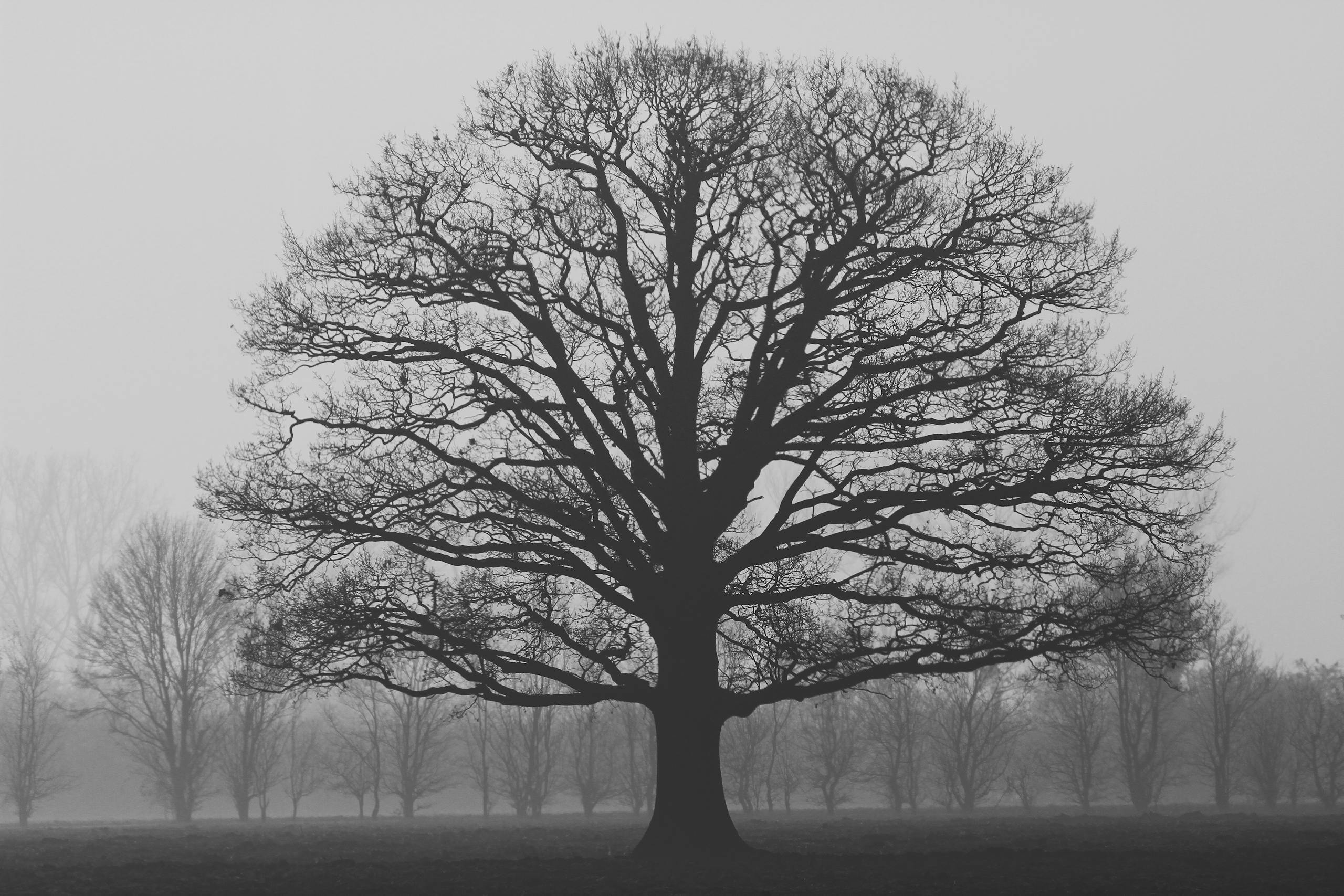
The essential need for alone time among highly sensitive people is not a niche concern. It is a fundamental aspect of how a significant portion of the population operates. Treating it as such, rather than as a quirk to be managed or a weakness to be overcome, is what allows people wired this way to actually thrive.
Some practical things worth considering: Are the people closest to you aware of what solitude does for you, and have you explained it in terms they can understand? Have you identified the specific forms of alone time that restore you most effectively? Have you built enough recovery time into your week that you are not perpetually running on empty? And have you been honest with yourself about whether your solitude is serving you or protecting you from something that deserves attention?
Wanting to be alone most of the time is not a confession. It is not an apology. For many people, it is simply an accurate description of what they need to function well, connect authentically, and do their best work. The goal is not to need less solitude. It is to understand your solitude well enough to use it wisely.
There is a broader conversation happening around all of this, and I have gathered much of it in one place. If any of this resonates, the Solitude, Self-Care and Recharging Hub is where I explore these themes in depth, from daily practices to recovery strategies to what genuine rest actually looks like for people wired the way we are.
And a final note, one I want to leave with some weight: you are not too much for needing quiet. You are not broken for preferring depth over noise. The world has spent a long time telling people like us that we need to be fixed. We do not. We need to be understood, starting with ourselves.
That has been the real work. And it has been worth every quiet hour I have put into it.
About the Author
Keith Lacy is an introvert who’s learned to embrace his true self later in life. After 20 years in advertising and marketing leadership, including running agencies and managing Fortune 500 accounts, Keith now channels his experience into helping fellow introverts understand their strengths and build fulfilling careers. As an INTJ, he brings analytical depth and authentic perspective to every article, drawing from both professional expertise and personal growth.
Frequently Asked Questions
Is it healthy to want to be alone most of the time?
Yes, for many people it is genuinely healthy. Introverts and highly sensitive people often need substantial alone time to restore their energy, process their experiences, and do their best thinking. The distinction that matters is whether the solitude you seek leaves you feeling replenished and more capable of connection, or whether it is driven by avoidance of something painful. Chosen, restorative solitude is a sign of self-knowledge. Solitude rooted in fear or withdrawal from connection may deserve closer attention.
What is the difference between healthy solitude and unhealthy isolation?
Healthy solitude is chosen, purposeful, and leaves you feeling more like yourself. You seek it out because it restores you, and you return from it with more capacity for engagement and connection. Unhealthy isolation tends to be driven by avoidance, anxiety, depression, or grief. It often produces numbness or growing indifference rather than clarity and calm. The emotional quality of the alone time, whether it feels nourishing or merely numbing, is one of the clearest signals.
Can introverts have meaningful relationships while still preferring to be alone most of the time?
Absolutely. Many introverts are deeply invested in their relationships precisely because they bring a quality of attention and depth that comes from not scattering their energy across constant social activity. Needing recovery time between social interactions does not diminish the value of those interactions. It often enhances them. The introvert who arrives at a gathering rested and present is frequently more genuinely connected than someone who is socially exhausted and just going through the motions.
How do I know if I need more alone time or professional support?
Pay attention to what your alone time produces. If it leaves you feeling clearer, calmer, and more capable of engaging with your life, it is likely doing its job. If it is accompanied by persistent low mood, growing disinterest in things that used to matter, difficulty functioning, or a sense of dread about any social contact, those are signals worth taking seriously with a mental health professional. Introversion and depression can look similar from the outside, and a skilled therapist can help you tell the difference.
How do I explain my need for solitude to people who do not understand it?
Grounding the explanation in energy rather than preference often helps. Rather than saying you do not want to be around people, try explaining that social interaction genuinely costs you energy in a way it does not cost everyone, and that alone time is how you recharge so you can show up fully when it matters. Framing it as a maintenance need rather than a rejection tends to land better with extroverted partners, family members, and colleagues. Being specific about what you need, and what you can offer when you have it, also helps build understanding over time.