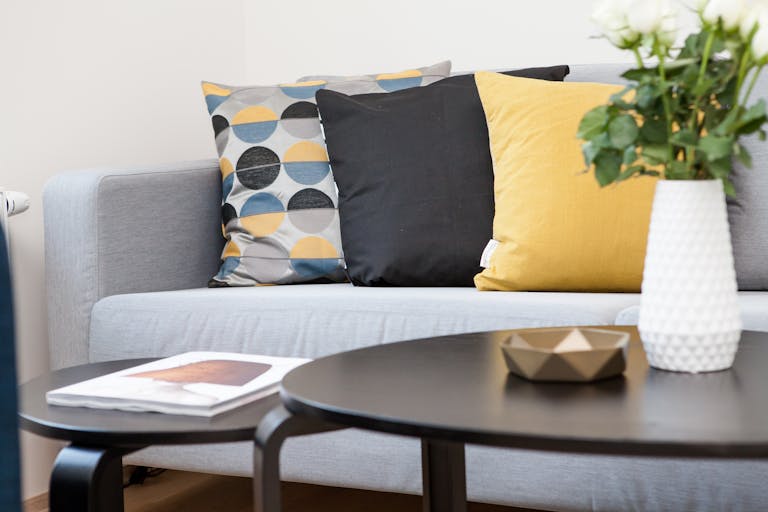
An ISFJ workspace isn’t just a place to sit and work. It’s a carefully curated environment that reflects who you are, honors how you process information, and protects the emotional energy you pour into everything you do. The right physical and sensory setup can mean the difference between a day that drains you and one that genuinely sustains you.
People with this personality type bring extraordinary care, warmth, and attention to their surroundings. That same instinct deserves to be applied to the workspace itself, with products and tools chosen specifically for how an ISFJ thinks, feels, and recharges.
Not sure if ISFJ fits your profile? You can take our free MBTI test to confirm your type before reading further. Knowing your type changes how you approach everything, including where and how you work.
This article is part of a broader look at introverted Sentinel personalities. Our MBTI Introverted Sentinels (ISTJ and ISFJ) hub covers the full range of how these types think, relate, and thrive, and this workspace guide adds a very personal dimension to that picture.

Why Does the Physical Environment Matter So Much to ISFJs?
Early in my advertising career, I shared an open-plan office with about thirty people. The noise, the constant movement, the fluorescent hum overhead. I told myself I’d adapt. I never really did. What I eventually figured out was that my environment wasn’t just a backdrop. It was actively shaping my ability to think clearly and do good work.
What’s your personality type?
Take our free 40-question assessment and get a detailed personality profile with dimension breakdowns, context analysis, and personalised insights.
Discover Your Type8-12 minutes · 40 questions · Free
ISFJs experience this even more acutely. As introverted Sensing types, they are wired to absorb their surroundings in rich, layered detail. Introverted Sensing, the dominant cognitive function for ISFJs, means they process the world through a deep internal library of sensory memory and personal meaning. A cluttered desk isn’t just visually noisy. It registers as emotional static.
A 2023 study published in PubMed Central found that environmental factors including lighting quality, noise levels, and spatial organization have measurable effects on cognitive performance and emotional regulation. For someone whose nervous system is already working hard to process sensory input and manage the emotional needs of others, a poorly designed workspace compounds the load significantly.
ISFJs also tend to anchor meaning in physical objects. A photograph of family on the desk isn’t decoration. It’s grounding. A handwritten note from a colleague they helped is a quiet reminder of purpose. The workspace becomes a kind of emotional ecosystem, and when it’s thoughtfully arranged, it actively supports the depth and care that ISFJs bring to their work.
That’s worth designing for deliberately, not leaving to chance.
What Lighting and Sensory Products Help ISFJs Feel Settled?
Harsh overhead lighting was one of my least favorite things about corporate office life. I noticed it affected my mood in ways I couldn’t always articulate at the time. I’d feel vaguely irritable by mid-afternoon, and it took me years to connect that to the environment rather than the workload. ISFJs are especially sensitive to this kind of ambient discomfort.
Warm-toned LED desk lamps with adjustable color temperature are worth every penny for this personality type. Look for lamps that offer a range from soft amber (around 2700K) for reflective or creative work to a cooler daylight setting (around 5000K) for tasks requiring focus and precision. A lamp with a dimmer adds another layer of control, letting you shift the mood of your space without leaving your chair.
Bias lighting, which is a soft LED strip placed behind a monitor, reduces eye strain during long screen sessions and creates a more visually comfortable halo effect. ISFJs who work long hours in front of a computer often report that this small addition makes an outsized difference in how they feel at the end of the day.
Sound is equally important. ISFJs generally prefer quiet, but complete silence can sometimes feel hollow, particularly for those who work from home. A white noise machine or a small Bluetooth speaker playing soft instrumental music can create a consistent sonic backdrop that filters out jarring interruptions without demanding attention. Brands like LectroFan offer compact options with multiple noise profiles, and they’re especially useful in shared living situations.
Scent is often overlooked in workspace design, yet it’s one of the most direct sensory pathways to emotional state. A small essential oil diffuser with lavender or eucalyptus can shift the feeling of a room in minutes. ISFJs, who often carry a lot of emotional weight through their day, benefit from sensory anchors that signal safety and calm. This isn’t indulgent. It’s strategic.

Which Organization Tools Actually Match How ISFJs Think?
ISFJs don’t organize the way productivity influencers tell you to. They don’t thrive with minimalist systems that strip away all context, and they don’t do well with chaotic creative sprawl either. What they need is organized meaning. Systems that hold not just tasks but the relationships and care behind those tasks.
A high-quality planner with daily and weekly views works better for most ISFJs than purely digital task managers. The act of writing something by hand creates a sensory connection to the commitment. Brands like Hobonichi, Leuchtturm1917, and the Passion Planner offer layouts that allow for both structured scheduling and personal reflection. ISFJs often use the margins of their planners for notes about people, follow-ups they want to make, or small observations that matter to them personally.
Physical inbox trays with labeled sections work well for paper-heavy workflows. ISFJs tend to keep things because they might matter to someone later. A tiered desktop organizer with clear categories, such as “To Action,” “Waiting on Others,” and “To File,” helps prevent the guilt spiral of a cluttered desk while honoring the ISFJ instinct to hold onto context.
Color-coded sticky notes deserve a mention here. ISFJs often use color intuitively to assign emotional or relational categories to their work. Blue for client-related items, yellow for personal reminders, pink for anything involving a colleague who needs follow-up. This isn’t a system anyone teaches them. It emerges naturally from how they think. Providing good-quality sticky notes in a range of colors supports that instinct rather than suppressing it.
One thing I observed running my agencies was that the most organized people on my teams weren’t always the ones with the sleekest systems. They were the ones whose systems reflected how they actually thought. ISFJs, much like the ISTJ types I’ve written about elsewhere, bring a deep internal logic to their organizational habits. The products just need to support that logic rather than override it.
If you’re curious how these organizational instincts play out in relationship dynamics, the piece on whether an ISTJ-ISTJ marriage is actually boring touches on how Sentinel types build structure together in ways that often surprise people from the outside.
How Can ISFJs Create a Workspace That Feels Emotionally Safe?
One of the things I’ve come to understand about ISFJs, both through writing about this type and through knowing many of them personally over the years, is that their workspace needs to feel like a protected space. Not isolated, but insulated. A place where the emotional demands of the outside world don’t constantly spill in uninvited.
ISFJs carry a remarkable amount of emotional attunement with them everywhere. The depth of that attunement is something I explored in the article on ISFJ emotional intelligence, and it’s worth reading if you want to understand why the workspace question isn’t just about productivity. It’s about self-protection and sustainability.
Personal touches matter enormously here. A small framed photo of people who matter, a plant that they’ve tended and watched grow, a mug from a place that holds good memories. These aren’t clutter. They are what psychologists sometimes call “transitional objects,” physical anchors that help regulate emotional state. A 2022 study in PubMed Central found that personalized workspaces are associated with higher job satisfaction and lower stress responses, particularly among people who score high in conscientiousness and agreeableness, two traits closely aligned with the ISFJ profile.
A comfortable chair matters more than most people admit. ISFJs often work long hours because they feel responsible for getting things right and for the people depending on them. An ergonomic chair with lumbar support and adjustable armrests isn’t a luxury. It’s basic respect for the body that carries all that care. Brands like Herman Miller and Humanscale are industry standards, and secondhand options in good condition are widely available for those working within a budget.
A small privacy screen or a desk positioned to face a wall rather than an open room can significantly reduce the feeling of being observed or interrupted. ISFJs do their best thinking when they don’t feel watched. Even in a home office shared with a partner or family members, a subtle physical boundary communicates “this is my thinking space” without requiring a conversation about it.

What Digital Tools Complement the ISFJ Way of Working?
ISFJs are not anti-technology, but they are selective about it in a way that makes complete sense once you understand how they process information. They want tools that support relationships and continuity, not tools that demand constant context-switching or that feel impersonal.
Notion has become a popular choice among ISFJs for good reason. Its flexibility allows users to build databases, notes, and project trackers that hold both structured information and personal context. An ISFJ might track a project not just by deadline and status but by who is involved, what each person needs, and what follow-up care is required. Notion accommodates that kind of layered thinking in a way that a bare-bones task manager simply doesn’t.
For communication, ISFJs often prefer asynchronous tools like email or recorded video messages over real-time chat platforms that demand immediate responses. A good pair of noise-canceling headphones, such as the Sony WH-1000XM5 or Bose QuietComfort series, allows them to engage with audio content on their own terms and creates an auditory boundary during focused work periods. This is one of the most universally recommended purchases for introverted workers across personality types, and ISFJs in particular benefit from the sense of control it provides.
A second monitor is worth considering for ISFJs who manage complex, people-centered workloads. Having reference material visible alongside a working document reduces the cognitive friction of constantly switching between windows. It also reduces the low-level anxiety that comes from feeling like something important might be out of sight. ISFJs in fields like healthcare, education, or social services often manage dense information alongside emotionally significant context, and screen real estate helps them hold that complexity without losing their footing.
Speaking of ISFJs in demanding fields, the piece on ISFJs in healthcare is one I keep coming back to when thinking about how this type manages the weight of caring professions. The workspace setup for an ISFJ nurse or social worker carries even higher stakes than for someone in a corporate environment.
Cloud storage with clear folder hierarchies, such as Google Drive or Dropbox with a consistent naming convention, suits the ISFJ preference for knowing where everything lives. The anxiety of a disorganized digital environment is real for this type, and a small investment of time in setting up a logical folder structure pays dividends in daily peace of mind.
How Should ISFJs Think About Workspace Boundaries With Others?
One of the harder lessons I learned in my agency years was that physical proximity to other people isn’t the same as connection, and that protecting my thinking space wasn’t selfish. It was necessary. ISFJs often struggle with this distinction more than most, because their default is to be available, accommodating, and responsive to the needs of people around them.
Setting workspace boundaries doesn’t require a confrontational conversation. It can be as simple as a closed door, a “do not disturb” sign, or a shared calendar block that signals focused work time. These are physical and logistical tools, not just mindset shifts. The right products can make the boundary visible without requiring the ISFJ to explain or defend it verbally, which is often where the anxiety lives.
A door sign with a simple “In Focus Mode” message, a desk lamp that signals availability (green for open, red for focused), or even a small whiteboard with a handwritten schedule can communicate boundaries in a warm, non-aggressive way that suits the ISFJ’s relational style. These aren’t gimmicks. They’re tools for protecting the conditions under which ISFJs do their best work.
The question of how Sentinel personalities manage boundaries in shared spaces comes up in relationship contexts too. The exploration of ISTJ and ENFJ marriages touches on how structured types create space for themselves within deeply relational partnerships, which has real parallels to how ISFJs handle shared home offices or open-plan work environments.
For ISFJs working in team settings, 16Personalities notes that different personality types communicate and set boundaries in fundamentally different ways, and that awareness of those differences reduces friction significantly. Knowing that your need for a quiet workspace isn’t a character flaw but a legitimate cognitive requirement can make it easier to ask for what you need.

What Recovery and Wellness Products Belong in an ISFJ Workspace?
ISFJs give a lot. To their colleagues, their families, their clients, their communities. The workspace isn’t just where they work. For many, it’s also where they decompress between demands, and that means it needs to support recovery as much as productivity.
A small electric kettle and a curated collection of teas or a quality coffee setup is something I’ve seen become genuinely meaningful to ISFJs in home office environments. The ritual of making a warm drink is a sensory reset. It’s a moment of self-care that doesn’t require leaving the workspace or explaining to anyone why you need a break. It’s quiet, personal, and restorative.
A comfortable reading chair or a small couch nearby, even if it’s just a well-padded armchair in the corner, gives ISFJs a place to shift posture and mental mode without fully leaving their work context. I had a low-profile armchair in my office during my last agency years, and I used it for reading briefs, processing feedback, and occasionally just sitting quietly for five minutes. That chair did more for my output than almost any productivity tool I ever bought.
A small journal kept at the desk is worth including on any ISFJ product list. Not a task list, but a genuine reflection journal. ISFJs process emotionally significant experiences by writing about them, and having that outlet immediately available means they don’t carry unprocessed feelings through the rest of their day. Even five minutes of writing between meetings can prevent the emotional buildup that leads to exhaustion. The National Institute of Mental Health has long recognized expressive writing as a meaningful tool for managing stress and emotional load, particularly for people in high-care roles.
If you or an ISFJ you care about is finding that emotional exhaustion has moved beyond daily fluctuation into something more persistent, connecting with a professional through Psychology Today’s therapist directory is a genuinely useful starting point. ISFJs often delay seeking support because they’re so focused on others. A workspace that includes a visible reminder of self-care isn’t a small thing.
A standing desk converter or a sit-stand desk is another worthwhile investment. ISFJs often lose track of time when they’re absorbed in meaningful work, and the physical consequences of sitting for six or eight hours compound over time. A simple reminder to shift position, whether through a timer, an app, or the physical presence of a standing option, supports the long-term sustainability that ISFJs need to keep showing up fully for the people who depend on them.
How Do ISFJs Balance Personal Style With Practical Function in Their Workspace?
There’s a tension ISFJs sometimes feel between wanting their space to look professional and wanting it to feel like theirs. In corporate environments especially, the pressure to maintain a “neutral” workspace can quietly strip away the personal anchors that ISFJs depend on for emotional grounding.
My own solution in agency settings was to keep a few meaningful objects on my desk that looked intentional rather than sentimental. A small succulent. A quality pen in a leather holder. A framed quote that meant something to me personally but read as generically inspirational to anyone passing by. ISFJs can do the same, curating their personal touches with the same care they bring to everything else, creating a space that is both professionally presentable and genuinely theirs.
Desk accessories in a cohesive color palette help with this. A matching set of a desk pad, pen cup, stapler, and tape dispenser in a muted tone like sage green, dusty rose, or warm gray creates visual coherence that feels calm rather than sterile. ISFJs respond well to aesthetic consistency, and a coordinated desk setup reduces the low-level visual noise that can drain attention without anyone consciously noticing it.
Cable management is genuinely underrated in this context. A desk covered in tangled cables is a sensory irritant for ISFJs, who notice environmental details at a level that most people don’t. A simple cable box, some velcro ties, and a cable clip rail along the back of the desk can transform the feeling of a workspace without changing anything about how it functions. It’s a small investment with a disproportionately large effect on daily comfort.
Framed art or a small gallery wall near the workspace can serve a similar grounding function. ISFJs often choose images that carry personal meaning, a print from a city they love, an illustration of something from nature that brings them peace, a piece created by someone they care about. The workspace becomes a quiet autobiography, and that sense of personal presence in the space is part of what makes it sustainable over time.
The dynamics of how Sentinel types handle shared spaces with very different personality types is something I’ve seen play out in both professional and personal contexts. The piece on how an ISTJ boss and ENFJ employee relationship works offers some useful perspective on how structured, detail-oriented types can create environments that work for multiple working styles simultaneously. And for ISFJs in long-distance or cross-type relationships, the exploration of ENFP and ISTJ dynamics in long-distance relationships touches on how Sentinel types maintain their sense of structure and personal space even across physical distance.

What’s the One Thing Most ISFJs Forget When Setting Up Their Workspace?
Permission.
ISFJs are extraordinarily good at creating beautiful, functional, emotionally supportive spaces for other people. They’ll spend hours making sure a shared office is welcoming, that a colleague has what they need, that the meeting room feels comfortable for everyone. And then they’ll sit at a desk that doesn’t quite work for them and quietly absorb the discomfort rather than address it.
The workspace setup described in this article isn’t about indulgence. It’s about giving yourself the same quality of care that you naturally extend to everyone else. A warm lamp, a meaningful photo, a journal, a plant, a chair that actually supports your back. These are not luxuries. They are the infrastructure of sustainable, meaningful work.
ISFJs often need someone to say this directly: you are allowed to design your workspace around your own needs. Not just around what’s practical for others, or what looks appropriately professional, or what fits within a budget that you’ve already mentally allocated to something for someone else. Your workspace matters. You matter.
Start with one change. The lamp. The journal. The plant. See how it shifts the feeling of the space. Then add another. Over time, you’ll build an environment that doesn’t just hold your work but genuinely holds you.
Find more resources on how Sentinel personalities think, work, and relate in our complete MBTI Introverted Sentinels (ISTJ and ISFJ) hub.
About the Author
Keith Lacy is an introvert who’s learned to embrace his true self later in life. After 20 years in advertising and marketing leadership, including running agencies and managing Fortune 500 accounts, Keith now channels his experience into helping fellow introverts understand their strengths and build fulfilling careers. As an INTJ, he brings analytical depth and authentic perspective to every article, drawing from both professional expertise and personal growth.
Frequently Asked Questions
What kind of lighting is best for an ISFJ workspace?
ISFJs do best with warm, adjustable lighting rather than harsh overhead fluorescents. A desk lamp with a color temperature range from 2700K (warm amber) to 5000K (cool daylight), combined with a dimmer function, allows them to shift the mood of their space to match the type of work they’re doing. Bias lighting behind a monitor also reduces eye strain during long screen sessions and creates a more comfortable visual environment overall.
Should ISFJs use digital planners or physical ones?
Most ISFJs find physical planners more satisfying and effective than purely digital alternatives. The tactile experience of writing by hand creates a sensory connection to commitments and helps anchor information in memory. Planners with daily and weekly views, such as Hobonichi or Leuchtturm1917, suit the ISFJ preference for holding both structure and personal context. Digital tools like Notion can complement a physical planner for managing complex, people-centered information.
How can ISFJs set workspace boundaries without conflict?
ISFJs can establish boundaries through physical and logistical signals rather than direct confrontation. A closed door, a desk sign indicating focus time, a calendar block, or even a simple color-coded desk lamp system communicates availability without requiring a verbal explanation. These tools suit the ISFJ’s relational style by making the boundary visible and warm rather than aggressive or isolating.
What wellness products should ISFJs keep in their workspace?
A small electric kettle for tea or coffee, a reflection journal, a comfortable chair or reading seat nearby, and a standing desk option are among the most valuable wellness additions for an ISFJ workspace. These support the recovery and emotional processing that ISFJs need between periods of high-care work. A small essential oil diffuser with calming scents like lavender can also serve as a sensory reset during stressful periods.
How do personal items in a workspace benefit ISFJs specifically?
Personal objects serve as emotional anchors for ISFJs, helping regulate their mood and reinforce their sense of purpose throughout the workday. A photograph, a meaningful plant, or a piece of art connected to a positive memory activates the introverted Sensing function, grounding the ISFJ in felt experience rather than abstract stress. A 2022 study in PubMed Central found that personalized workspaces are associated with higher job satisfaction and lower stress responses, particularly among individuals with high conscientiousness and agreeableness, traits closely aligned with the ISFJ profile.