ISFPs who built their careers around skills that technology has made obsolete face a unique kind of professional crisis. Unlike other personality types who might pivot quickly or fight the change, ISFPs often experience this transition as a profound loss of identity, watching their carefully cultivated expertise become irrelevant overnight.
This isn’t just about learning new software or adapting to different processes. For ISFPs, whose work often represents a deeply personal expression of their values and creativity, obsolescence feels like erasure. The skills they’ve spent years perfecting, the craft they’ve poured their hearts into, suddenly holds no market value.
Understanding how ISFPs navigate forced industry exits requires recognizing that their relationship with work runs deeper than mere employment. Our MBTI Introverted Explorers hub examines how both ISFPs and ISTPs approach major transitions, but ISFPs face particular challenges when their specialized skills become obsolete.

Why Do ISFPs Struggle More with Skill Obsolescence?
ISFPs approach their work through their dominant function, Introverted Feeling (Fi), which creates deep personal connections to their chosen field. When I worked with creative teams at advertising agencies, I noticed that ISFPs didn’t just perform their roles, they inhabited them. The graphic designer who spent months perfecting hand-lettering techniques, the photographer who mastered darkroom processes, the craftsperson who understood materials at a tactile level.
What’s your personality type?
Take our free 40-question assessment and get a detailed personality profile with dimension breakdowns, context analysis, and personalised insights.
Discover Your Type8-12 minutes · 40 questions · Free
This personal investment becomes a double-edged sword during industry disruption. While their dedication produces exceptional work, it also makes them more vulnerable when external forces render their expertise obsolete. According to resources from the American Psychological Association on career transitions, individuals with strong personal-professional identity fusion experience more distress during forced career changes.
ISFPs also rely heavily on their auxiliary function, Extraverted Sensing (Se), which focuses on present-moment experience and concrete skills. This makes them excellent at mastering physical techniques, understanding tools intimately, and developing expertise through hands-on practice. However, it also means they may not naturally anticipate or prepare for abstract future changes the way forward-thinking types might.
The combination creates a perfect storm: deep emotional investment in skills that may not easily transfer, plus a present-focused approach that doesn’t naturally include contingency planning. Understanding ISFP recognition patterns helps identify when someone is experiencing this type of career crisis rather than general job dissatisfaction.
What Industries Force ISFPs Out Most Often?
Certain sectors have seen massive disruption that particularly impacts ISFP-friendly roles. Traditional photography represents one of the clearest examples. Film photography required technical mastery, artistic vision, and patient craft development, all areas where ISFPs excel. Digital photography and smartphone cameras didn’t just change the tools, they eliminated entire skill sets around chemical processing, darkroom techniques, and specialized equipment operation.
Print journalism and publishing have similarly displaced ISFP-heavy roles. Typesetting, layout design, and editorial illustration once required specialized knowledge and artistic sensibility. Desktop publishing software and digital workflows automated much of this work, leaving experienced professionals with obsolete expertise.
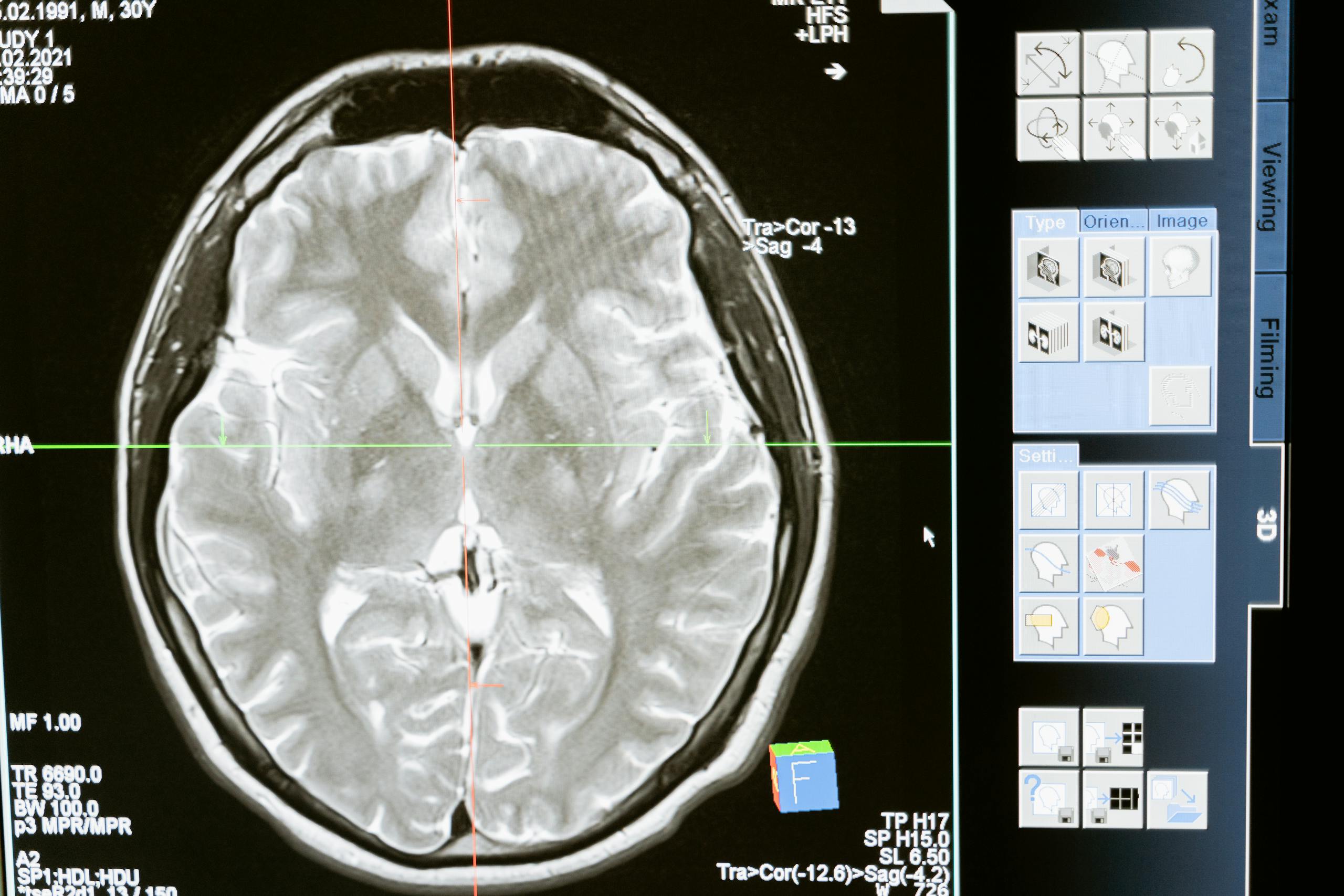
Manufacturing and skilled trades have experienced waves of automation that eliminate roles requiring the precise, hands-on expertise ISFPs often develop. Bureau of Labor Statistics data shows consistent decline in positions requiring specialized manual skills, particularly in textile production, precision machining, and quality inspection roles.
Retail has undergone fundamental transformation that impacts ISFP strengths around personal service and product knowledge. E-commerce doesn’t value the deep product understanding or customer relationship building that many ISFPs brought to sales roles. The shift toward self-service and algorithm-driven recommendations eliminates the human element where ISFPs typically excel.
Even creative industries face disruption. Graphic design, once requiring extensive technical knowledge of typography, color separation, and production processes, now operates through software that automates much traditional expertise. While creativity remains valuable, the technical craft component that many ISFPs found deeply satisfying has been largely eliminated.
How Does Forced Exit Affect ISFP Identity?
The psychological impact on ISFPs extends far beyond financial concerns or job search stress. When your professional identity forms around mastery of specific skills, obsolescence attacks your sense of self at a fundamental level. I’ve seen this pattern repeatedly: the ISFP who defined themselves as “a craftsperson” or “an artist” suddenly faces a world that no longer values their particular form of craftsmanship or artistry.
ISFPs often experience what psychologists call “professional identity foreclosure.” Research published in the Journal of Career Development shows that individuals with strong skill-based identities struggle more with career transitions because their self-concept becomes intertwined with specific competencies rather than broader capabilities.
This creates a cascade of secondary effects. ISFPs may withdraw from professional networks where they once felt competent and valued. They might avoid discussing work entirely, feeling embarrassed about their “outdated” expertise. Some experience imposter syndrome when considering new fields, believing their skills don’t transfer even when they do.
The Fi-dominant approach to processing this change often involves internal rumination and self-blame. ISFPs may wonder if they should have seen the changes coming, if they were too resistant to new technology, or if they’re simply not adaptable enough for the modern economy. This self-criticism can paralyze decision-making about next steps.
Unlike more extraverted types who might immediately network their way into new opportunities, or thinking types who might analyze market trends to identify emerging fields, ISFPs often need time to process the emotional impact before they can engage practically with career planning. Understanding ISFP creative strengths becomes crucial for rebuilding professional confidence.
What Skills Actually Transfer for ISFPs?
Despite feeling like their expertise has become worthless, ISFPs possess numerous transferable capabilities that remain highly valuable. The challenge lies in recognizing and articulating these skills in ways that resonate with new industries or roles.

Quality consciousness represents one of the most transferable ISFP strengths. Years of developing expertise in any field creates an eye for excellence, attention to detail, and standards for craftsmanship that apply across industries. The photographer who could spot lighting inconsistencies brings the same observational skills to product quality control. The craftsperson who understood material properties can evaluate supplier reliability or manufacturing standards.
Customer service and relationship building skills often transfer beautifully. ISFPs who worked in traditional retail understood individual customer needs, preferences, and buying patterns. These same abilities apply to account management, client relations, or any role requiring personal connection and service customization.
Problem-solving through hands-on experimentation represents another valuable transferable skill. While ISTPs approach problem-solving through systematic analysis, ISFPs solve problems through intuitive experimentation and creative adaptation. This approach works well in roles requiring innovation, troubleshooting, or process improvement.
Training and mentoring abilities often emerge from ISFP expertise. The deep understanding of how skills develop, combined with patience and empathy for learners, creates natural teaching ability. Many ISFPs discover they can transition from practicing their craft to teaching others, whether formally or through consulting arrangements.
Project coordination skills frequently transfer well. ISFPs who managed complex creative projects, coordinated with suppliers, or handled client communications possess organizational abilities that apply to many fields. The key lies in recognizing these as distinct skills rather than just byproducts of their primary expertise.
How Can ISFPs Navigate Industry Transitions?
Successful navigation requires a different approach than what career counselors typically recommend. Standard advice focuses on networking, skill assessment, and strategic planning, approaches that don’t align naturally with ISFP preferences and processing styles.
Start with values clarification rather than skills inventory. ISFPs need to understand what aspects of their previous work provided meaning and satisfaction beyond the specific technical requirements. Was it the creative expression? The tangible results? The personal relationships? The mastery and expertise? Identifying these core values helps guide transition decisions.
Explore adjacent fields before completely different industries. The graphic designer might investigate user experience design, packaging design, or visual merchandising rather than jumping immediately to unrelated fields. This approach preserves some existing knowledge while building new capabilities incrementally.
Consider hybrid approaches that combine old expertise with new requirements. The traditional photographer might specialize in digitizing and restoring historical photographs. The craftsperson might focus on custom work that automation can’t replicate. The retail specialist might become a personal shopping consultant or small business advisor.

Seek informational interviews with other ISFPs who have successfully navigated similar transitions. Mayo Clinic research demonstrates that peer support significantly improves outcomes during major life transitions. Understanding ISTP personality patterns can help distinguish between different approaches to career change within the introverted sensing community.
Allow time for emotional processing before making major decisions. ISFPs often need to grieve the loss of their professional identity before they can fully engage with new possibilities. Rushing into retraining or job searching without processing this loss often leads to poor decisions or incomplete commitment to new directions.
What New Industries Welcome ISFP Strengths?
Several emerging and growing fields align well with ISFP capabilities, though they may require some additional training or certification. Understanding these opportunities helps ISFPs see possibilities beyond their current industry constraints.
Healthcare support roles increasingly value the personal connection and attention to detail that ISFPs bring. Medical scribing, patient advocacy, and healthcare coordination require the same careful observation and empathetic communication skills that ISFPs developed in other fields. Bureau of Labor Statistics projections show strong growth in these areas through 2032.
Sustainable and artisanal industries offer opportunities for ISFPs to apply traditional skills in new contexts. Organic farming, sustainable design, and handmade products cater to consumers who value craftsmanship and personal attention. These fields often welcome expertise from traditional industries that emphasized quality and individual attention.
Educational support roles, particularly in hands-on learning environments, suit ISFP strengths well. Museum education, art therapy, and specialized tutoring allow ISFPs to share their expertise while developing new skills in communication and program development.
Customer experience roles in technology companies often need the human insight that ISFPs provide. While they may not write code or design systems, ISFPs can excel at user research, customer feedback analysis, and service design that makes technology more accessible and human-centered.
Consulting and freelance work allows ISFPs to package their expertise for businesses that need specialized knowledge without full-time employees. The traditional printer might consult on paper selection and print quality. The experienced retail professional might advise small businesses on customer service and merchandising.
How Do ISFPs Rebuild Professional Confidence?
Confidence rebuilding for ISFPs requires addressing both practical skill development and emotional healing. The process often takes longer than other types expect, but rushing it typically leads to incomplete transitions and continued professional dissatisfaction.

Start with small, achievable projects that demonstrate competence in new areas. ISFPs build confidence through successful experiences rather than theoretical knowledge. Taking on volunteer projects, freelance assignments, or part-time roles allows gradual skill building without the pressure of complete career change.
Document and celebrate transferable successes. ISFPs often dismiss their achievements as “just doing what comes naturally.” Creating a record of problems solved, relationships built, and quality delivered helps combat the tendency to undervalue their contributions.
Seek mentorship from professionals who have successfully integrated traditional skills into modern contexts. These mentors can provide both practical guidance and emotional support during the transition process. Understanding how ISFPs build deep connections helps in identifying mentoring relationships that will provide meaningful support.
Focus on continuous learning that builds on existing strengths rather than completely replacing them. The goal isn’t to become a different type of professional, but to evolve existing capabilities to meet current market needs. This approach preserves professional identity while enabling adaptation.
Practice articulating value in business terms. ISFPs often struggle to translate their contributions into language that resonates with employers or clients. Learning to describe quality consciousness as “attention to detail that prevents costly errors” or relationship building as “customer retention through personalized service” helps communicate their worth effectively.
What Support Do ISFPs Need During Transitions?
ISFPs require different types of support than career counselors typically provide. Standard career services focus on resume writing, interview skills, and networking strategies, all important but insufficient for ISFP needs during major transitions.
Emotional support comes first. ISFPs need space to process the grief of losing their professional identity before they can effectively engage with practical planning. This might involve counseling, support groups, or simply trusted friends who understand the depth of the loss.
Financial planning becomes crucial during extended transition periods. ISFPs may need longer than other types to identify and prepare for new career directions. Having financial cushion reduces pressure to make hasty decisions that don’t align with their values or interests.
Skills translation assistance helps ISFPs recognize and articulate their transferable capabilities. Working with career counselors who understand personality type differences can help identify opportunities that might not be obvious to the ISFP themselves.
Gradual transition support works better than abrupt career changes. ISFPs often benefit from part-time work, consulting arrangements, or volunteer opportunities that allow exploration without complete commitment. This approach reduces risk while building confidence in new areas.
Peer networks of other ISFPs who have successfully navigated similar transitions provide both practical guidance and emotional validation. Understanding that others have faced similar challenges and found new professional satisfaction helps combat the isolation that often accompanies forced career change.
Professional development resources tailored to ISFP learning preferences support skill building. ISFPs often learn best through hands-on experience, mentorship, and gradual skill building rather than formal classroom training or intensive boot camps.
Recognition that career transitions for ISFPs may involve multiple iterations before finding the right fit. The first new direction may not be the final answer, and that’s normal. Having support systems that understand this process prevents premature judgments about “failure” or “lack of commitment.”
Understanding ISTP recognition markers can help distinguish between ISFPs and ISTPs during career counseling, ensuring that support strategies match the individual’s actual personality type and processing preferences.
For more insights into how introverted sensing types navigate major life changes, visit our MBTI Introverted Explorers hub.
About the Author
Keith Lacy is an introvert who’s learned to embrace his true self later in life. After running advertising agencies for over 20 years, working with Fortune 500 brands in high-pressure environments, he now helps other introverts understand their personality type and build careers that energize rather than drain them. His insights come from both professional experience managing diverse teams and personal experience navigating his own career transitions as an INTJ learning to leverage his introversion as a strength.
Frequently Asked Questions
How long does it typically take ISFPs to successfully transition after skill obsolescence?
ISFP career transitions often take 12-24 months for complete adjustment, longer than other personality types due to their need to process identity changes alongside practical skill development. The timeline includes emotional processing (3-6 months), exploration and skill building (6-12 months), and confidence rebuilding (6-12 months), with significant overlap between phases.
Should ISFPs completely retrain in new fields or try to adapt existing skills?
Most successful ISFP transitions involve adapting and expanding existing skills rather than complete retraining. ISFPs have deep expertise that often transfers to adjacent fields or new applications. Complete career pivots work best when they align with core ISFP values around quality, craftsmanship, and personal connection rather than chasing market trends.
What’s the biggest mistake ISFPs make during forced career transitions?
The most common mistake is rushing into the first available opportunity without processing the emotional impact of losing their professional identity. ISFPs who skip the grieving process often make poor career choices or struggle with commitment to new directions. Taking time to understand what aspects of their previous work provided meaning helps guide better transition decisions.
How can ISFPs identify which of their skills actually transfer to new industries?
ISFPs should focus on underlying capabilities rather than specific technical skills. Quality consciousness, attention to detail, customer relationship building, problem-solving through experimentation, and project coordination often transfer well. Working with career counselors who understand personality type differences helps identify opportunities that might not be obvious to the ISFP themselves.
What industries are most welcoming to ISFPs making career transitions?
Healthcare support roles, sustainable and artisanal industries, educational support positions, customer experience roles in technology companies, and consulting opportunities often welcome ISFP strengths. These fields value the personal connection, attention to detail, and quality consciousness that ISFPs bring, even when their previous technical skills don’t directly transfer.