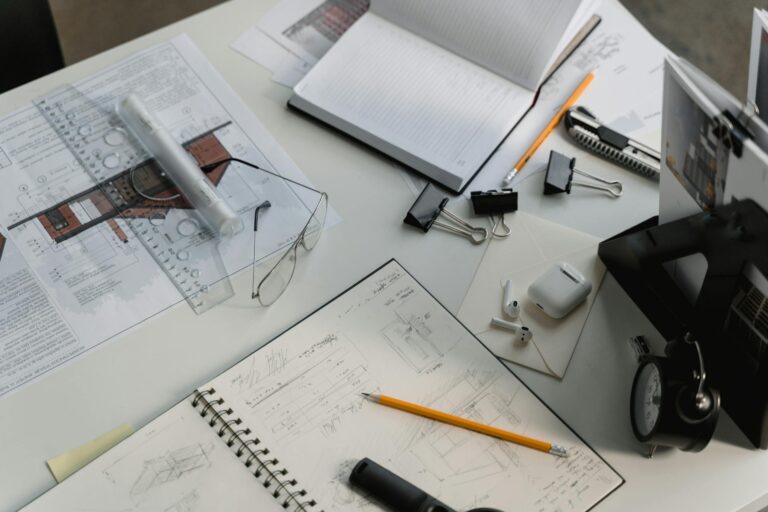
When sensitivity meets artistic expression, the workplace transforms from obligation into creative sanctuary. After two decades in advertising, I watched countless team members struggle to match their authentic nature to corporate expectations. The ones who thrived were those who stopped fighting what made them different and started leveraging it strategically.
ISFPs who are also highly sensitive people carry a double dose of emotional depth and sensory awareness. Your MBTI type already makes you attuned to aesthetics and interpersonal harmony. Add high sensitivity, and you process workplace stimuli at an intensity most colleagues can’t fathom.

ISFPs and HSPs share remarkable overlap in how they experience the world. Both filter reality through rich emotional and sensory lenses, prefer authentic connection over surface interaction, and need work environments that honor rather than exploit their sensitivity. Our HSP & Highly Sensitive Person hub explores these traits in depth, and combining them with ISFP preferences creates specific career requirements worth understanding.
How ISFP and HSP Traits Amplify Each Other
ISFPs lead with Introverted Feeling (Fi), making values and authenticity central to decision making. You experience emotions deeply and trust internal moral compass over external validation. When you’re also an HSP, this depth intensifies. Research from the American Psychological Association shows highly sensitive individuals process information more thoroughly and notice subtleties others miss.
What’s your personality type?
Take our free 40-question assessment and get a detailed personality profile with dimension breakdowns, context analysis, and personalised insights.
Discover Your Type8-12 minutes · 40 questions · Free
Your auxiliary function, Extraverted Sensing (Se), heightens awareness of immediate environment. Colors, textures, sounds, and interpersonal dynamics register with uncommon clarity. Add HSP neurology, and sensory input becomes overwhelming quickly. A study from the National Institutes of Health examining sensory processing sensitivity found HSPs show increased activation in brain regions associated with awareness and empathy.
During my agency years managing creative teams, I noticed ISFP designers and art directors produced exceptional work but burned out faster than colleagues. They absorbed client feedback emotionally rather than logically, took criticism of their work as criticism of themselves, and struggled in high-stimulation brainstorming sessions. The ones who succeeded learned to structure their environments protectively.
Core Strengths You Bring to Professional Settings
Your combined ISFP and HSP nature creates distinctive workplace advantages when matched to suitable roles:
Aesthetic judgment operates at professional level naturally. You notice visual imbalance, color discord, or design flaws colleagues overlook. Many ISFPs gravitate toward creative fields because aesthetic sensitivity demands outlets.
Emotional attunement lets you read clients, colleagues, and situations with unusual accuracy. The American Psychological Association’s research on emotion processing confirms that highly sensitive individuals excel at detecting emotional nuance and subtle environmental shifts. For ISFPs, this translates to knowing what people need before they articulate it.
Authentic connection matters more than networking games. You build genuine professional relationships slowly but durably. According to data from The Highly Sensitive Person, HSPs form fewer but deeper relationships, which aligns with ISFP preference for meaningful over superficial interaction.
Values-driven work ethic means you can’t phone it in. When projects align with personal values, commitment runs deep. When they contradict core beliefs, performance suffers visibly. Experience taught me that clarity about what work deserves your energy isn’t weakness but self-knowledge.

Career Paths That Honor Both Identities
Certain professions accommodate ISFP HSP nature better than others. Careers for highly sensitive people require specific environmental factors, and ISFP needs add another layer of requirements.
Art Therapy and Expressive Arts Counseling
Art therapists use creative processes to help clients explore emotions and heal trauma. Your ISFP aesthetic sense combined with HSP empathy creates natural therapeutic presence. Clients feel seen and understood without judgment.
For more on this topic, see istj-hsp-career-paths-leveraging-organizational-excellence-with-empathy.
Work involves one-on-one or small group sessions rather than large gatherings. You control session pacing and can build in recovery time between emotionally intense appointments. Many art therapists work independently or in private practices, managing their own schedules and client loads.
Challenges include emotional weight of client struggles. HSPs absorb others’ distress easily, and therapeutic work demands strong boundaries. Supervision and peer support become essential for sustainable practice.
User Experience (UX) Design
UX designers create interfaces people can use intuitively. Your sensitivity to how environments feel translates directly to understanding how digital spaces function. You notice friction points others accept as normal.
Research phases suit HSP information processing. You spend time observing user behavior, identifying pain points, and imagining solutions. Design work happens independently before collaborative review sessions. One designer I worked with described her process: study users deeply, design in solitude, present with confidence.
Tech environments vary dramatically. Startup culture often conflicts with HSP needs, while established companies provide more structure and predictability. Remote UX roles eliminate commute stress and allow environmental control.
Your ISFP aesthetic judgment becomes tangible advantage in UX work. While other designers rely on usability testing alone, you intuitively sense when interfaces feel wrong. Color choices that create visual tension, button placements that interrupt flow, navigation patterns that confuse rather than guide all register as visceral discomfort before rational analysis confirms the problem.
Research collaboration happens differently for ISFP HSPs than extroverted designers. You absorb user pain points deeply during interviews, which informs better solutions but also requires recovery time. Schedule user research sessions with breaks between participants. Batch similar tasks to reduce context switching. Process observations alone before team discussions to form clear perspectives.
Botanical or Landscape Design
Landscape designers work with living systems to create functional outdoor spaces. Your Se function engages fully with textures, colors, spatial relationships, and seasonal changes. Many ISFPs report feeling most centered when working with plants and natural materials.
Client interaction happens in manageable doses. Initial consultation, periodic check-ins, final walkthrough. Between meetings, you work with plants and earth rather than people. According to environmental psychology research, HSPs benefit particularly from nature exposure.
Physical demands require consideration. Landscape work involves outdoor conditions and manual labor. Some ISFP HSPs thrive with physical engagement; others find it depleting. Trial different aspects before committing fully.

Photography or Videography
Visual storytelling through photography aligns with ISFP strengths naturally. You see compositions others miss and capture emotional moments authentically. Weddings, portraits, nature photography, commercial work all offer different interaction levels and creative challenges.
Self-employment provides schedule control and client selectivity. You choose projects that resonate and decline work that drains. Many successful ISFP photographers specialize in niches where their sensitivity becomes advantage rather than liability.
Business development challenges HSP nature. Marketing yourself, negotiating rates, and managing difficult clients require skills separate from creative talent. Building systems to handle administrative tasks protects creative energy.
Occupational Therapy
Occupational therapists help people regain skills for daily living after injury or illness. Your empathy creates therapeutic relationships where clients feel genuinely supported. Attention to detail helps you notice subtle improvements others might miss.
Work involves direct patient contact but in structured, purposeful sessions. You’re solving tangible problems with measurable outcomes, which satisfies ISFP preference for concrete results. Treatment planning happens independently between sessions.
Healthcare settings vary in sensory intensity. Hospitals present constant stimulation, while outpatient clinics or schools offer more controlled environments. Choosing your practice setting becomes crucial for long-term sustainability.
Interior Design or Home Staging
Creating spaces where people feel comfortable and inspired uses both aesthetic judgment and emotional attunement. You understand how environments affect mood and can translate client preferences into cohesive designs.
Project-based work provides natural breaks between intense client interactions. During design phases, you work independently selecting materials, planning layouts, and sourcing furnishings. Installation days require energy but happen intermittently.
Client relationships benefit from ISFP authenticity. You’re not trying to impose designer ego on their space but genuinely helping them create environments that reflect who they are. Building loyal clientele through referrals rewards authentic approach.
Environmental Factors That Determine Success
Career choice matters less than work environment quality for ISFP HSPs. Brilliant roles become unsustainable in wrong settings. Understanding the relationship between HSP traits and introversion helps clarify which environmental factors prove non-negotiable.
Sensory control determines daily comfort levels. Open offices with fluorescent lighting and constant noise conflict with HSP neurology. Private offices, remote work, or semi-private spaces with natural light accommodate your processing needs.
My agency had one creative director who negotiated working from home three days weekly. Her in-office productivity tripled because she arrived rested rather than overstimulated. Management initially resisted but couldn’t argue with output quality.
Autonomy over process and timeline reduces pressure. Micromanagement drains ISFP energy quickly. When you can approach tasks your own way and manage your own time, quality and satisfaction both increase. Research from Dr. Kristin Neff’s work on self-compassion shows highly sensitive individuals particularly benefit from self-directed work structures.
Collaborative intensity needs careful calibration. ISFPs enjoy working with others toward shared goals but need solo time to process ideas and recharge. Teams that respect quiet contribution without demanding constant interaction work well.
Value alignment with organizational mission affects motivation profoundly. You can’t separate personal ethics from professional performance. Companies whose missions contradict your values drain energy regardless of role suitability.

Managing Overstimulation in Professional Settings
Even ideal careers involve periods of intensity. Building overstimulation management into daily routines prevents burnout accumulation. When HSP and introvert traits combine, energy management becomes essential rather than optional.
Preventive recovery works better than crisis intervention. Schedule downtime before you need it desperately. Brief breaks between meetings, quiet lunch periods, buffer time before and after intense interactions all maintain equilibrium.
Sensory tools help regulate arousal levels. Noise-canceling headphones, desk plants, natural light access, temperature control, comfortable seating all contribute to sustainable work conditions. One ISFP therapist keeps weighted blankets in her office for grounding between sessions.
Boundary communication protects capacity. Explaining your needs directly prevents resentment and misunderstanding. Colleagues who understand your processing style stop interpreting quiet as disengagement or sensitivity as weakness.
Creative outlets outside work prevent emotional accumulation. Many ISFP HSPs need artistic expression separate from professional demands. Photography for pleasure rather than clients, painting without deadline pressure, music without performance expectations all provide necessary release.
Building Careers That Sustain Rather Than Deplete
Long-term career satisfaction for ISFP HSPs requires intentional structure. What worked initially may need adjustment as life circumstances shift. Examining how highly sensitive people approach relationships offers insight into career relationship patterns too.
Start with skills inventory rather than job titles. What activities energize you? What drains despite competence? Which environments allow focus versus constant distraction? Skills transfer across industries when environmental fit matters more than role specifics.
Test career hypotheses through low-risk experimentation. Freelance projects, volunteer work, part-time roles, informational interviews all provide data about fit before major commitments. Too many people leap into graduate programs for careers they’d never actually experienced.
Negotiate conditions proactively rather than reactively. Address sensory needs, schedule flexibility, and autonomy during hiring conversations. Employers who value your contributions will accommodate reasonable requests. Those who won’t reveal cultural mismatch early.
Build financial cushion to enable career pivots. ISFP HSPs often need to leave situations that become untenable. Savings provide freedom to exit gracefully rather than enduring harmful environments from financial necessity.
What Success Actually Looks Like
Career success for ISFP HSPs differs from conventional metrics. Highest salary or fastest promotion mean nothing if work depletes your capacity to enjoy life outside office hours.
Sustainable energy levels matter more than achievement markers. Can you maintain performance without constant recovery weekends? Do you have capacity for relationships, hobbies, and rest alongside professional demands? Energy sustainability indicates appropriate career fit.
Authentic contribution feels meaningful inherently. Work that uses your genuine strengths rather than forcing conformity to someone else’s template creates satisfaction regardless of external recognition. Values alignment produces motivation that external rewards can’t sustain.
Professional relationships built on respect rather than performance feel fundamentally different. Colleagues who appreciate what you bring instead of trying to change you create psychologically safe work environments where creativity and productivity both flourish.
Your combined ISFP and HSP nature isn’t obstacle to overcome but competitive advantage to leverage strategically. Careers that honor rather than fight these traits transform work from energy drain into genuine expression. Finding the right fit means building conditions where your authentic self produces exceptional results.
Explore more resources for highly sensitive professionals in our complete HSP & Highly Sensitive Person Hub.
About the Author
Keith Lacy is an introvert who’s learned to embrace his true self later in life after years of trying to be someone he wasn’t. With 20+ years in marketing and advertising (and leading agencies serving Fortune 500 brands), Keith has experienced firsthand the challenges introverts face in extrovert-dominated professional environments. Through Ordinary Introvert, he combines personal experience with research-backed insights to help introverts understand their strengths and build careers that energize rather than drain them.