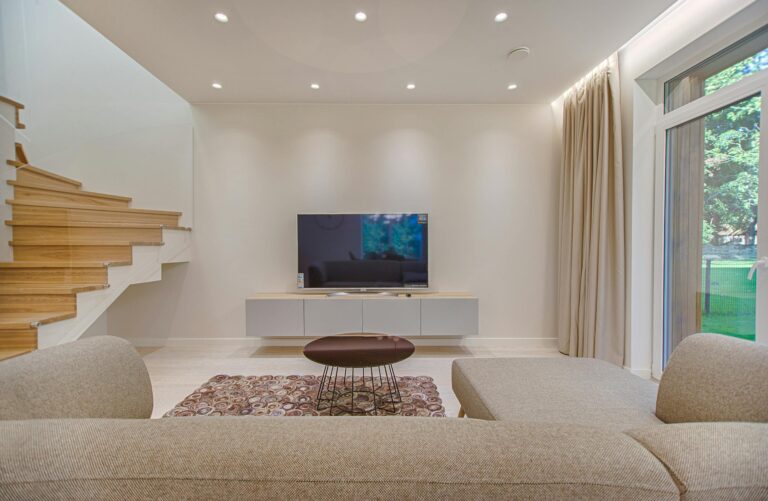

- ISFPs decline situations based on value conflicts while HSPs become overwhelmed by sensory intensity before deciding.
- High sensitivity is a nervous system trait affecting 20% of people across all personality types independently.
- ISFP cancellations stem from internal value misalignment, not sensory overload or environmental intensity.
- HSPs process subtle environmental cues like light flicker and emotional undercurrents with greater neurological activation.
- Understanding whether you’re value-driven or stimulus-sensitive determines which coping strategies actually work for you.
ISFP vs High Sensitivity (HSP): Type vs Trait
Your ISFP friend cancels plans because the restaurant feels “too intense.” Your HSP colleague needs recovery time after team meetings. Both need downtime, both process experiences deeply, but the mechanisms driving these patterns come from entirely different sources. ISFPs lead with Introverted Feeling (Fi), creating strong internal value systems and aesthetic preferences. HSPs have heightened sensory processing sensitivity, experiencing stimuli more intensely regardless of their MBTI type. One is about cognitive function order. The other is a nervous system trait affecting approximately 20% of the population. ISFPs and ISFJs share a focus on present-moment experience and aesthetic awareness, but our ISFP Personality Type hub explores how ISFPs combine this with deeply personal values rather than external harmony. High sensitivity adds another variable worth examining separately.
The Core Difference: Processing Style vs Processing Intensity
ISFPs process information through their dominant Introverted Feeling function. They evaluate experiences against internal values, asking “Does this align with what matters to me?” ISFPs might decline a job offer not because of sensory overwhelm but because the company culture conflicts with their core principles.
What’s your personality type?
Take our free 40-question assessment and get a detailed personality profile with dimension breakdowns, context analysis, and personalised insights.
Discover Your Type8-12 minutes · 40 questions · Free
HSPs process the same information with greater depth and intensity. Their nervous systems pick up subtle cues that others miss: fluorescent light flicker, fabric texture variations, emotional undercurrents in conversation. Research from Stony Brook University using fMRI brain scans demonstrates that HSPs show increased activation in brain regions associated with awareness, integration of sensory information, and empathy. This trait exists independently of personality type.
ISFPs decide based on values. HSPs become overwhelmed by stimuli before decision-making even begins. These mechanisms operate on different levels entirely.
ISFP Cognitive Functions: How They Actually Work
The ISFP function stack creates specific behavioral patterns that look nothing like sensory processing sensitivity when you examine the underlying mechanics.
Dominant Introverted Feeling (Fi)
Fi creates an internal value hierarchy completely independent of external input. ISFPs develop strong internal moral codes that guide decision-making without requiring external validation. They might spend three hours arranging their workspace not because sensory input overwhelms them, but because the aesthetic arrangement reflects internal harmony.
Surface similarities create confusion about sensitivity sources, but the driver is values alignment rather than nervous system reactivity. Remove the values conflict and the ISFP handles intense environments perfectly well.
Auxiliary Extraverted Sensing (Se)
Se anchors ISFPs in immediate physical reality. They notice textures, colors, spatial relationships with remarkable accuracy. ISFP friendships often form around shared aesthetic experiences because Se creates natural appreciation for sensory richness.
But Se seeks sensory engagement rather than avoiding it. An ISFP might choose a loud concert because the experience aligns with their values, while an HSP ISFP might want to attend but leave early due to auditory overwhelm.
Tertiary Introverted Intuition (Ni)
Ni provides occasional flashes of insight about patterns and future implications. ISFPs use it less consciously than dominant or auxiliary functions, but it surfaces when making long-term decisions about relationships or career direction.
The insights differ completely from HSP’s tendency to process experiences deeply. Ni generates insights about meaning and direction. HSP depth processing happens across all stimuli whether meaningful or mundane.
Inferior Extraverted Thinking (Te)
When stressed, ISFPs struggle with Te’s demands for logical organization and efficiency. They might avoid structured planning not because it’s overwhelming (HSP response) but because it feels inauthentic to their Fi-driven approach.

Understanding this distinction matters for ISFP career strategy because it reveals whether resistance comes from cognitive function stress or sensory processing limitations.
High Sensitivity: The Nervous System Trait
High sensitivity operates at a neurological level that has nothing to do with MBTI cognitive functions. Studies on sensory processing sensitivity using fMRI scans show that HSPs have increased activation in brain regions associated with awareness, integration of sensory information, and empathy.
The key characteristics of HSP include depth of processing, emotional reactivity and empathy, sensitivity to subtleties, and overstimulation. These appear across all sixteen MBTI types.
Depth of Processing
HSPs take longer to make decisions because they’re processing more variables simultaneously. The processing happens automatically, not as a conscious choice. Research on sensory processing depth shows HSPs detect and evaluate dozens of subtle shade variations that others don’t perceive, extending decision time significantly.
ISFPs might also deliberate over paint colors, but they’re checking alignment with internal aesthetic values rather than managing sensory input volume.
Emotional Reactivity and Empathy
HSPs pick up emotional cues that others miss completely. They notice voice tone shifts, micro-expressions, and tension changes in a room. The heightened perception creates empathy but also emotional exhaustion when surrounded by strong feelings.
ISFPs with Fi also notice emotional dynamics, but they’re filtering through values rather than absorbing everything indiscriminately. ISFPs recognize someone’s distress but choose not to engage if it conflicts with their boundaries. HSPs absorb the distress whether they want to or not.
Sensitivity to Subtleties
HSPs notice things like which light bulb is slightly dimmer, which speaker has a minor distortion, or which ingredient tastes different in a familiar recipe. The observation isn’t aesthetic appreciation (Se) or values alignment (Fi). It’s neurological wiring that detects finer gradations of stimuli.
These observations happen without seeking them. An ISFP chooses to engage their Se function. An HSP can’t turn off their heightened detection system.

Overstimulation Threshold
HSPs reach overwhelm faster than non-HSPs in the same environment. Busy restaurants, fluorescent lighting, scratchy fabrics, and simultaneous conversations create actual nervous system stress. Recovery requires genuine downtime, not just solitude.
ISFPs need recovery time after violating their values or forcing Te structure. The source of depletion differs completely from sensory overwhelm.
Where ISFP and HSP Overlap (And Why It’s Confusing)
Both ISFPs and HSPs might avoid crowded shopping malls, prefer calm environments, and need recovery time after social events. These surface similarities create confusion, but examining the underlying mechanisms reveals distinct patterns.
ISFPs avoid the mall because the commercialism conflicts with their values, the harsh lighting disrupts their aesthetic preferences, and the crowds prevent meaningful Se engagement with their surroundings. They’re making choices based on internal criteria.
HSPs avoid the same mall because fluorescent lights trigger headaches, multiple conversations create auditory overwhelm, synthetic fragrances cause physical discomfort, and the stimulation exceeds their nervous system’s processing capacity. They’re responding to physiological limits.
The ISFP who is also HSP experiences both mechanisms simultaneously, making it nearly impossible to separate which factor drives which behavior without careful self-observation.
Professional Contexts: Different Challenges
Workplace challenges diverge significantly between ISFPs and HSPs, though both might struggle in traditional corporate environments.
ISFP Professional Challenges
ISFPs resist standardized processes that ignore individual circumstances. They struggle with corporate cultures that prioritize efficiency over authenticity. ISFP sustainable leadership requires environments where values alignment matters more than rigid structure.
ISFPs might excel in open-plan offices if the work itself aligns with their values. They won’t necessarily need quiet. They need meaning.
HSP Professional Challenges
HSPs need environmental accommodations regardless of work meaning. Fluorescent lighting causes problems whether you’re saving the world or processing insurance claims. Open offices create overwhelm even when the mission perfectly aligns with personal values.

HSPs might love their job’s purpose but still need noise-canceling headphones, desk positioning away from traffic flow, and regular breaks to manage sensory input.
The ISFP-HSP Combination
ISFPs who are also HSPs face compounded challenges. They need both values alignment and environmental accommodation. A meaningful project in a harsh sensory environment still causes overwhelm. A quiet workspace doing meaningless work still causes Fi distress.
Understanding which factor creates which problem allows for targeted solutions. Values misalignment requires job changes or role modifications. Sensory overwhelm requires environmental adjustments or boundary changes.
Relationship Patterns: Values vs Sensitivity
Both ISFPs and HSPs might prefer small gatherings to large parties, but their reasoning diverges completely.
ISFPs choose intimate settings because they allow deeper connection and authentic expression. Large parties prevent the meaningful one-on-one conversations where Fi truly connects. ISFP relationship progression moves from surface interaction to values-based depth, which requires appropriate context.
HSPs avoid large gatherings because noise levels cause overwhelm, crowd energy becomes draining, multiple conversations create processing overload, and recovery time extends for days afterward. The desire for connection exists, but the nervous system can’t handle the environment.
ISFPs at parties engage selectively based on who aligns with their values. HSPs at the same parties manage their exposure time regardless of connection quality.
Decision-Making Differences
Watch someone deliberate over a decision and you still can’t determine whether they’re ISFP or HSP without understanding their internal process.
ISFPs take time evaluating whether options align with internal values. They might instantly reject the “objectively better” choice because something feels wrong, even if they can’t articulate why. Fi operates below conscious awareness, delivering verdicts that bypass logical analysis.
HSPs take time processing the volume of information they’re detecting. They notice implications, consequences, and subtleties that require integration before choosing. The decision itself might be straightforward once processing completes.
ISFPs might choose apartment A over apartment B because B’s energy “feels sterile” despite better amenities. HSPs might choose A because B’s fluorescent kitchen lighting, traffic noise, and north-facing windows create conditions their nervous system can’t handle long-term.
Both take their time. Both might seem indecisive to observers. The underlying mechanisms operate on entirely different principles.
Stress Responses: Internal vs External
Stress triggers reveal the distinction between type and trait with particular clarity.
ISFPs under stress retreat into inferior Te, becoming uncharacteristically harsh, critical, and focused on external organization. They might suddenly start creating rigid systems or criticizing others’ inefficiency. This represents cognitive function grip, not sensory overwhelm.
HSPs under stress experience nervous system dysregulation. They become reactive to stimuli that normally wouldn’t bother them. Small sounds feel piercing. Minor disruptions feel catastrophic. Their processing capacity narrows until only essential functions remain.
Recovery strategies differ accordingly. ISFPs need to reconnect with Fi and Se through value-aligned activities and present-moment experiences. HSPs need reduced stimulation, quiet environments, and time for nervous system regulation.
Self-Assessment: Which One Are You?
Determining whether patterns stem from ISFP type or HSP trait requires examining your internal experience rather than external behavior.
Ask yourself: When you avoid busy environments, is it because they conflict with your values and aesthetic preferences, or because the sensory input exceeds your processing capacity? When you take time making decisions, are you checking values alignment or managing information volume?
ISFPs can describe their internal value hierarchy even when they can’t articulate specific criteria. They know what feels right. HSPs describe physical sensations and overwhelm that precede any values-based evaluation.
Consider: Would you attend a loud concert featuring music you love? An ISFP might go enthusiastically despite introversion because the experience aligns with their values. An HSP might desperately want to go but leave early or skip entirely due to auditory overwhelm.
Similarly, engaging with other introverted explorer content helps clarify whether your patterns match cognitive function preferences or sensory processing differences.
Practical Implications for Daily Life
Misidentifying the source of your patterns leads to ineffective solutions.
If you’re an ISFP addressing sensory overwhelm through values work, you’re solving the wrong problem. You need environmental modifications, not deeper self-knowledge about your principles. If you’re an HSP trying to force yourself into situations because “ISFPs should embrace Se experiences,” you’re ignoring physiological limits.
The ISFP-HSP combination requires both types of accommodation. You need work that aligns with your values and an environment that doesn’t overwhelm your nervous system. You need relationships that honor authentic connection and social rhythms that respect your processing needs.
Understanding the difference allows precise intervention rather than generalized coping strategies that half-address multiple issues.
Frequently Asked Questions
Can you be both ISFP and HSP?
Absolutely. ISFP is a personality type describing cognitive function preferences. HSP is a nervous system trait describing sensory processing sensitivity. Approximately 20% of all MBTI types are also HSPs, meaning roughly one in five ISFPs has heightened sensory processing alongside their Fi-Se function stack. The combination creates unique challenges requiring both values alignment and environmental accommodation.
How do I know if I’m overwhelmed by values conflict or sensory input?
Values conflict (ISFP) creates internal distress that persists even in calm environments. You feel wrong, inauthentic, or misaligned regardless of external stimuli. Sensory overwhelm (HSP) improves dramatically when you reduce environmental input. If moving to a quiet room with dim lighting immediately helps, that’s sensory. If the discomfort remains despite environmental changes, that’s likely values misalignment.
Do all ISFPs have aesthetic sensitivity like HSPs have sensory sensitivity?
ISFPs notice aesthetic details through their Se function, but this operates differently from HSP sensory sensitivity. An ISFP appreciates and engages with beauty, texture, and spatial harmony as part of their cognitive processing. An HSP detects subtleties involuntarily, whether aesthetically pleasing or not. An ISFP might curate a beautiful space. An HSP notices the flickering fluorescent bulb whether they want to or not.
Can therapy help with ISFP challenges versus HSP challenges?
Therapy approaches differ based on the source. ISFP challenges often involve values clarification, authentic expression, boundary setting, and managing inferior Te stress. These respond well to approaches that honor internal experience and develop self-trust. HSP challenges involve nervous system regulation, environmental boundary setting, stimulation management, and distinguishing between emotional absorption and personal feelings. These benefit from somatic approaches and practical accommodation strategies rather than cognitive reframing.
How does the ISFP-HSP combination affect career choices?
The combination requires dual screening. The work must align with ISFP values (meaningful, authentic, aesthetically engaging) and provide HSP accommodations (controlled sensory environment, appropriate stimulation levels, flexibility for recovery). Many ISFP-HSPs thrive in creative fields with autonomy, such as graphic design, photography, or artisan work where they control both the meaning and the environment. Corporate roles often fail on both dimensions.
Explore more personality type resources in our complete MBTI Introverted Explorers (ISTP & ISFP) Hub.
About the Author
Keith Lacy is an introvert who’s learned to embrace his true self later in life after years of trying to match extroverted leadership styles in high-pressure agency environments. With 20+ years in marketing and advertising, including running agencies and working with Fortune 500 brands, Keith understands what it takes to succeed as an introvert in demanding professional settings. He started Ordinary Introvert to share evidence-based strategies and authentic insights that help introverts build careers that energize them without pretending to be someone they’re not.