

An ISTJ nurse, doctor, or healthcare professional brings something rare to patient care: an unwavering commitment to doing things right, a memory for clinical details that others miss, and a quiet steadiness that patients find genuinely comforting. Yet that same conscientiousness, when it goes unprotected, becomes the very thing that leads to exhaustion. ISTJs in healthcare can give deeply without burning out, but it requires understanding how their personality type actually works under pressure.

There’s a version of this personality type that healthcare systems quietly depend on. The one who shows up on time, follows protocols precisely, catches the error in the medication order, and remembers what the patient mentioned three visits ago. That’s not a small thing. That’s the backbone of patient safety. And yet, nobody hands that person a manual for protecting their own energy while they’re busy protecting everyone else’s health.
If you’re not sure where you fall on the personality spectrum, taking a personality assessment can give you a clearer picture of how your type shapes the way you work, relate, and recover.
Our MBTI Introverted Sentinels hub explores the full range of how ISTJs and ISFJs move through the world, but healthcare adds a specific layer worth examining on its own. The demands are different here. The stakes are higher. And the personality traits that make ISTJs exceptional caregivers also make them particularly vulnerable to a specific kind of depletion.
Why Are ISTJs Drawn to Healthcare in the First Place?
People sometimes assume that introverted, reserved personality types avoid fields that require constant human contact. Healthcare seems to contradict that assumption at every turn. And yet ISTJs are consistently drawn to nursing, medicine, pharmacy, radiology, and clinical research in significant numbers.
What’s your personality type?
Take our free 40-question assessment and get a detailed personality profile with dimension breakdowns, context analysis, and personalised insights.
Discover Your Type8-12 minutes · 40 questions · Free
The draw isn’t accidental. ISTJs are motivated by duty and by the concrete, measurable difference they can make in someone’s life. There’s nothing abstract about helping a patient manage their diabetes or catching a drug interaction before it becomes a crisis. The work is real, the outcomes are visible, and the standards are clear. For a personality type that values structure and meaningful contribution, that combination is genuinely compelling.
A 2021 analysis published through the National Institutes of Health found that conscientiousness, a core trait in ISTJ personalities, is one of the strongest predictors of clinical accuracy and patient safety outcomes among healthcare workers. ISTJs don’t just stumble into good patient care. They’re wired for the precision it requires.
I spent more than two decades running advertising agencies, which is a very different world from a hospital floor. But I understand the pull toward work that has clear standards and real consequences. In agency life, a missed deadline or a poorly executed campaign had measurable fallout. That accountability felt right to me as an INTJ. For ISTJs in healthcare, the accountability is amplified by orders of magnitude, and so is the emotional weight that comes with it.
| Career / Role | Why It Fits | Key Strength Used | Watch Out For |
|---|---|---|---|
| Surgical Nurse | Clear protocols, measurable outcomes, and precision-focused environments align with ISTJ strengths. The structured nature demands the reliability and accuracy ISTJs naturally provide. | Accuracy under pressure, consistency, methodical focus during chaos | Extended shifts in high-stress settings can deplete emotional reserves. Plan decompression time after demanding cases to prevent accumulating stress. |
| Clinical Pharmacist | Combines concrete problem-solving, clear standards, and measurable patient outcomes. ISTJs excel at detail-oriented work with visible impact on drug interactions and medication safety. | Precision, attention to detail, systematic approach to complex protocols | Responsibility for critical decisions can create stress if systems are disorganized. Seek roles with well-established procedures and clear accountability structures. |
| Radiology Technician | Technical protocols, clear procedures, and measurable imaging outcomes provide structure ISTJs value. Minimal emotional demands allow focus on precision and accuracy. | Technical precision, consistency in protocol application, calm focus | Limited patient interaction may feel isolating. Build meaningful connections with small team groups rather than relying on broader workplace culture. |
| Clinical Research Coordinator | Structured protocols, measurable data collection, and systematic organization suit ISTJ strengths perfectly. Work directly contributes to concrete health outcomes without constant emotional demands. | Methodical organization, accuracy, attention to procedural standards | Research timelines can extend indefinitely, affecting closure. Set clear boundaries around project phases to maintain sense of accomplishment and completion. |
| Case Manager | Requires organized systems, clear documentation, and follow-through on patient protocols. ISTJs excel at remembering details and ensuring nothing falls through the cracks. | Consistency, reliability, systematic tracking and accountability | High caseloads and chaotic systems can feel overwhelming. Advocate for manageable workloads and clear organizational structures to prevent burnout. |
| Intensive Care Nurse | ICU settings reward the methodical precision and calm composure ISTJs demonstrate under pressure. Clear protocols and immediate measurable outcomes align with ISTJ values. | Focused precision under stress, unwavering calm, reliable protocol adherence | Constant high-acuity situations and unresolved outcomes can accumulate stress over time. Regular decompression breaks and rotation to less intense settings may be necessary. |
| Pharmacy Technician | Detail-oriented work with clear protocols and high accuracy standards. Prevents medication errors through systematic approach and consistent quality standards. | Accuracy, consistency, adherence to detailed protocols and standards | Fast-paced high-volume environments can feel chaotic. Seek positions in settings that prioritize thoroughness over speed to align with your work style. |
| Surgical Technician | Structured operating room environment with clear procedures, predictable protocols, and precise technical work. Constant outcomes validation provides meaningful feedback. | Technical precision, systematic preparation, calm under pressure | Standing for long periods and emergency situations can be physically and mentally taxing. Plan physical recovery time and create alone time after complex procedures. |
| Medical Laboratory Specialist | Technical accuracy, systematic testing protocols, and measurable results provide direct concrete contribution. Minimal ambiguity and clear standards suit ISTJ preferences. | Precision, attention to procedural standards, accuracy orientation | Isolated work environment may limit social connection. Intentionally build relationships with colleagues who appreciate reserved communication styles. |
| Occupational Health Specialist | Combines structural workplace analysis, protocol implementation, and measurable health outcomes. ISTJs apply systematic thinking to prevent workplace injury and illness. | Systematic analysis, protocol development, consistent safety implementation | Advocating for system changes can require emotional engagement ISTJs find draining. Partner with colleagues skilled at persuasion to support your evidence-based recommendations. |
What Makes the ISTJ Nurse Different From Other Healthcare Personalities?
The ISTJ nurse occupies a specific niche in clinical environments. Where some personality types bring warmth and spontaneous emotional attunement to patient interactions, the ISTJ brings something different: reliability, precision, and a calm that doesn’t waver under pressure.
Patients who are frightened often don’t need someone to match their emotional intensity. They need someone who clearly knows what they’re doing and won’t panic. An ISTJ nurse at 3 AM during a difficult shift communicates competence through steadiness. That matters more than most people acknowledge.

That said, ISTJs sometimes struggle with the emotional expressiveness that healthcare culture expects. A patient who needs visible warmth may misread an ISTJ’s composed demeanor as coldness, even when that ISTJ has spent considerable mental energy on their care. It’s worth understanding that ISTJ affection often looks like indifference to people who don’t understand how this type expresses care. In healthcare, that same dynamic plays out in clinical relationships.
The ISFJ in healthcare handles this differently. Where ISTJs lead with duty and structure, ISFJs tend to lead with empathy and personal connection. Both approaches serve patients well. Both carry their own risks. If you’re curious about the emotional intelligence patterns common in Sentinel types, the ISFJ emotional intelligence traits piece covers six specific patterns that often go unrecognized in clinical settings.
The ISTJ distinction worth naming is this: they tend to internalize responsibility in a way that can be both a clinical asset and a personal liability. They hold themselves to standards that would exhaust most people. And they rarely ask for help until they’re already running on empty.
How Does Compassion Fatigue Actually Develop in ISTJ Healthcare Workers?
Compassion fatigue is often described as the cost of caring. For ISTJs, the mechanism is slightly different from what the name implies, because ISTJs don’t typically process emotion the way highly empathic types do. They’re less likely to absorb a patient’s emotional state directly. What depletes them is something else: the weight of responsibility, the accumulation of unresolved situations, and the constant friction between their high standards and an imperfect system.
The American Psychological Association describes burnout in healthcare as a combination of emotional exhaustion, depersonalization, and a reduced sense of personal accomplishment. For ISTJs, that third element is particularly significant. When they can’t meet their own standards, when the system prevents them from doing the job the right way, the resulting frustration compounds over time into something that looks very much like burnout even if the emotional exhaustion piece develops more slowly than it does in other types.
I watched a version of this play out in my agency years, though the setting was different. I had a senior account director, quiet and meticulous, who absorbed every client escalation as a personal failure. She never complained. She just got quieter and more withdrawn over about eight months until she handed in her resignation. Looking back, I recognize the pattern now. She was running on obligation long after her reserves were gone. ISTJs do this. They keep showing up because showing up is what they do, right up until they can’t anymore.
A 2022 study from the Mayo Clinic found that healthcare workers who score high on conscientiousness and low on help-seeking behaviors are at significantly elevated risk for prolonged burnout. That profile maps directly onto the ISTJ pattern. The same traits that make them exceptional at the job create a specific blind spot around self-protection.
What Specific Strengths Do ISTJs Bring to Patient Care?
Before getting into protection strategies, it’s worth being specific about what ISTJs actually contribute. Not in a vague, “everyone has strengths” way, but concretely.
Consistency is the first one. Patients with chronic conditions, complex medication regimens, or long recovery timelines benefit enormously from a provider who remembers details across visits and applies protocols without cutting corners. An ISTJ doesn’t need to be reminded why the follow-up matters. They already scheduled it.
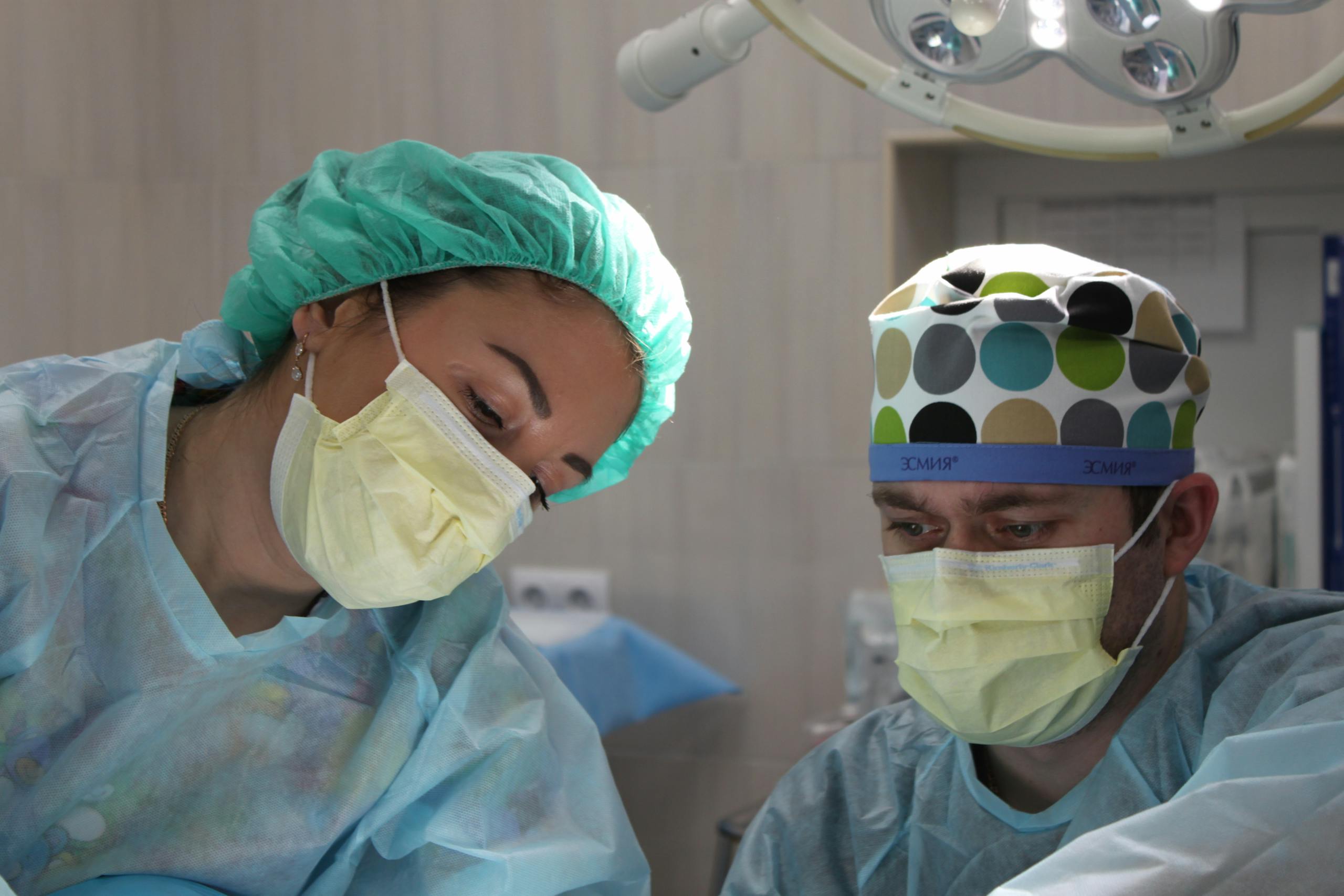
Accuracy under pressure is the second. Emergency settings, surgical suites, and intensive care units demand a kind of focused precision that doesn’t degrade when the situation gets chaotic. ISTJs tend to become more methodical under stress, not less. That’s a clinical asset that’s genuinely hard to train.
Trustworthiness is the third. Patients know, often intuitively, when a provider means what they say. ISTJs don’t make promises they can’t keep. They don’t overpromise to manage emotions in the moment. That honesty, even when it’s uncomfortable, builds a kind of patient trust that’s harder to develop than warmth.
The World Health Organization has consistently identified care continuity and provider reliability as among the most significant factors in positive patient outcomes, particularly for patients managing chronic illness. ISTJs deliver both, often without recognizing that what they’re doing is exceptional.
How Can an ISTJ Nurse or Healthcare Professional Protect Their Energy?
Protection for an ISTJ looks different from what self-care articles typically describe. Bubble baths and mindfulness apps aren’t the answer. What ISTJs actually need is structural protection, clear boundaries, and permission to treat their own energy as a resource worth managing with the same rigor they apply to everything else.
Start with what I’d call the decompression window. ISTJs process internally. After a demanding shift, they need time alone before re-engaging with anyone or anything emotionally demanding. This isn’t antisocial behavior. It’s neurological necessity. A 2019 study from Psychology Today’s research contributors found that introverted personality types who allow adequate recovery time between high-demand interactions show measurably lower cortisol levels than those who move directly from work to social obligations. Protecting that window isn’t optional for long-term sustainability. It’s foundational.
The second strategy is separating what you can control from what you can’t. ISTJs suffer most when systems fail them repeatedly. The medication that wasn’t stocked. The handoff that didn’t happen. The protocol that changed without explanation. Some of that is genuinely fixable through advocacy and process improvement. Some of it isn’t. Learning to categorize clearly, and to release what falls outside your control, is not a personality compromise. It’s a survival skill.
Early in my agency career, I tried to control every element of a campaign, the brief, the creative, the client relationship, the media buy, all of it. That worked until it didn’t. The moment I started distinguishing between what I owned and what I needed to delegate or release, my capacity expanded significantly. ISTJs in healthcare need the same mental framework, applied to clinical environments.
The third strategy is building in what I’d call “completion rituals.” ISTJs are wired to finish things. Open loops are genuinely distressing to this type. At the end of a shift, a brief written or mental summary of what was completed, what was handed off properly, and what is no longer your responsibility can signal to your nervous system that the work is done. It sounds simple. It works.
The Centers for Disease Control and Prevention has published guidance on healthcare worker mental health that specifically identifies structured end-of-shift transition practices as effective in reducing carry-over stress. ISTJs are particularly responsive to structured approaches because structure is already how they think.
Does the ISTJ’s Relationship Style Affect Their Clinical Resilience?
It does, more than most ISTJs would expect or admit.
ISTJs tend to have small, deep support networks rather than broad social circles. In healthcare, where the culture often valorizes team bonding, happy hours, and collective venting, ISTJs can end up socially isolated without intending to be. They’re not avoiding connection. They’re just selective about it in ways that the broader culture doesn’t always accommodate.
That isolation becomes a problem when the work gets heavy. A few trusted relationships, with people who understand how ISTJs actually communicate care and need support, become genuinely protective. The ISFJs in healthcare piece explores a parallel dynamic: how Sentinel types in clinical roles often give far more than they receive, and what the long-term cost of that imbalance looks like.

Outside of work, the ISTJ’s relationship patterns matter too. If you’re in a partnership where your need for solitude after demanding shifts is misread as withdrawal or emotional unavailability, that friction adds another layer of depletion. Understanding how ISTJs express care in relationships, and finding partners who can receive that expression accurately, is part of the resilience picture. The dynamics explored in ISTJ and ENFJ marriages are a good example of how opposite types can actually support each other’s recovery when the dynamic is healthy.
At work, ISTJs often thrive in structured team environments where roles are clear and expectations are explicit. The ISTJ leadership dynamic explored in our hub shows how ISTJs can create environments where different personality types contribute effectively without the ISTJ carrying the entire emotional weight of the team.
What Does Sustainable Healthcare Work Actually Look Like for an ISTJ?
Sustainability for an ISTJ in healthcare isn’t about doing less. It’s about doing the right things in ways that don’t systematically drain the reserves that make the work possible.
Specialty selection matters more than people acknowledge. ISTJs tend to thrive in environments where protocols are clear, outcomes are measurable, and the pace allows for thoroughness. Surgical nursing, clinical research, radiology, pharmacy, and case management often suit this type well. High-volume, emotionally chaotic environments where improvisation is constant and closure is rare create ongoing friction with how ISTJs are wired.
That doesn’t mean ISTJs can’t work in emergency medicine or ICU settings. Many do, and do it well. But it means being honest about the additional energy cost those environments carry, and building recovery practices that are proportionate to that cost.
I made a version of this mistake early in my career. I kept taking on the highest-pressure accounts because that’s where the prestige was, and because I told myself I could handle it. Technically, I could. But “handling it” was costing more than I was acknowledging. The accounts where I actually did my best work were the ones with clear parameters, real decision-making authority, and clients who valued precision over performance. ISTJs in healthcare often find the same thing: the environments that look most impressive from the outside aren’t always the ones where they do their best work or feel most sustainable.
Sustainable also means advocating for process improvements rather than absorbing system failures personally. ISTJs see inefficiencies clearly. When a workflow is broken, they notice before anyone else does. Channeling that observation into formal improvement processes, rather than silently compensating for the gap yourself, protects your energy and actually makes the system better. Those are not mutually exclusive outcomes. The Harvard Business Review has written extensively on how detail-oriented, systems-minded professionals create the most durable process improvements precisely because they understand the failure points from the inside.
And finally, sustainable means accepting that care for yourself is not a betrayal of care for your patients. ISTJs sometimes carry an implicit belief that prioritizing their own needs is somehow in conflict with their duty. It isn’t. A depleted ISTJ nurse is less accurate, less patient, and less effective than one who has protected their capacity to show up fully. The duty extends inward too. That’s not a compromise of the ISTJ value system. It’s an application of it.
The ISFJ approach to this same tension is worth understanding, particularly because ISFJs handle the emotional dimensions differently. The ISFJ service-oriented care style shows how another Sentinel type draws meaning from giving while still needing to protect against depletion in its own specific ways.

What I’ve come to understand, both from my own experience and from watching others work through this, is that the most effective people in any demanding field are the ones who take their own sustainability as seriously as they take their performance. For ISTJs, that reframe is sometimes the hardest one. But it’s also the one that makes everything else possible.
Explore more resources on Sentinel personality types in our MBTI Introverted Sentinels (ISTJ and ISFJ) Hub.
About the Author
Keith Lacy is an introvert who’s learned to embrace his true self later in life. After 20 years in advertising and marketing leadership, including running agencies and managing Fortune 500 accounts, Keith now channels his experience into helping fellow introverts understand their strengths and build fulfilling careers. As an INTJ, he brings analytical depth and authentic perspective to every article, drawing from both professional expertise and personal growth.
Frequently Asked Questions
Is an ISTJ nurse a good fit for healthcare?
Yes. The ISTJ nurse brings clinical precision, consistent follow-through, and calm under pressure that directly supports patient safety and care quality. Their conscientiousness maps well onto the demands of clinical environments, particularly those with clear protocols and measurable outcomes. The challenge isn’t aptitude. It’s protecting the energy that makes those strengths sustainable over a long career.
Do ISTJs experience compassion fatigue differently than other types?
Yes. ISTJs are less likely to absorb emotional distress directly from patients the way highly empathic types do. Their version of compassion fatigue tends to develop through accumulated responsibility, system frustrations, and the gap between their high standards and imperfect working conditions. It often looks like withdrawal and reduced engagement rather than emotional overwhelm.
What healthcare specialties suit ISTJs best?
ISTJs often thrive in specialties where protocols are clear, precision matters, and outcomes are measurable. Surgical nursing, clinical research, pharmacy, radiology, and case management are common fits. That said, ISTJs succeed across healthcare settings when they have clear role expectations and adequate recovery time built into their schedule.
How can an ISTJ healthcare worker set boundaries without feeling like they’re failing their patients?
Reframing boundaries as a clinical resource management strategy tends to resonate with ISTJs. A depleted provider makes more errors and has less capacity for the precision that defines their best work. Protecting recovery time, separating controllable from uncontrollable stressors, and building structured end-of-shift transitions are all practical approaches that align with how ISTJs already think about performance and duty.
Do ISTJs struggle with the emotional demands of patient communication?
Some do. ISTJs communicate care through action and reliability more naturally than through emotional expression. Patients who expect warmth and visible empathy may initially misread an ISTJ’s composed demeanor. Over time, most patients recognize the consistency and trustworthiness that ISTJs deliver. Building in deliberate verbal acknowledgment of patient concerns can bridge the gap without requiring ISTJs to perform an emotional style that isn’t authentic to them.