

Everyone told me I was a natural leader. Calm under pressure, organized to a fault, always reliable. What nobody mentioned was how completely unprepared my systematic approach to life would leave me for raising a child who seemed to operate on pure spontaneous energy and unbridled enthusiasm. My daughter arrived like a whirlwind of questions, feelings, and half-finished craft projects, and my carefully ordered world shifted on its axis.
ISTJ parents and ENFP children represent one of the most fascinating personality pairings in family dynamics. These combinations bring together two fundamentally different ways of experiencing the world, creating both challenges and opportunities for profound growth. The ISTJ parent values structure, tradition, and proven methods. The ENFP child craves exploration, emotional connection, and the freedom to chase every shiny possibility that crosses their path.
Understanding how these personality types interact can transform frustrating daily battles into meaningful connections. A comprehensive review published in the Annual Review of Psychology found that temperament and parenting behaviors influence one another bidirectionally, with both contributing independently to child development outcomes. This means your parenting approach matters immensely, but so does recognizing and working with your child’s inherent wiring.

Parenting as an ISTJ comes with its own unique challenges, especially when your child’s personality differs dramatically from yours. If you’re looking to deepen your understanding of your own parenting style and how your introversion shapes your approach, learning more about MBTI introverted sentinels can offer valuable insights into your strengths as a parent.
Understanding the ISTJ Parent
ISTJ personalities, often called Logisticians or Inspectors, lead with Introverted Sensing as their dominant cognitive function. This means they process the world through accumulated experience, comparing present situations against a rich internal database of what has worked before. For ISTJ parents, this translates into valuing consistency, establishing clear expectations, and creating stable household environments where children know exactly what to expect.
What’s your personality type?
Take our free 40-question assessment and get a detailed personality profile with dimension breakdowns, context analysis, and personalised insights.
Discover Your Type8-12 minutes · 40 questions · Free
According to 16Personalities, ISTJ parents establish stable, clearly structured environments for their children, always with an eye on helping them develop a sense of place in society. They view parenting as a serious responsibility and work diligently to raise children who will become respected, contributing members of their communities. This dedication runs deep in the ISTJ parent’s approach to family life.
During my years running an advertising agency, I learned that structure creates freedom rather than restricting it. When everyone knows the parameters, creativity can flourish within those boundaries. I applied this same philosophy to parenting, creating schedules, establishing routines, and setting clear consequences. My home ran like a well-organized project, or so I believed.
The ISTJ approach to parenting emphasizes several core values. Responsibility ranks near the top of this list. ISTJ parents teach through example, demonstrating the importance of following through on commitments and honoring obligations. They believe deeply that children learn best by observing consistent, reliable behavior from their caregivers.
Tradition also plays a significant role. ISTJ parents often parent similarly to how they were raised, carrying forward practices and values that shaped their own development. This connection to the past provides a sense of continuity and belonging, though it can sometimes create friction when children have different temperaments.
The ISTJ Handbook explores how this personality type approaches structure and success in various life domains. These same principles apply directly to parenting, where ISTJs create systems designed to prepare children for the challenges of adult life.
Understanding the ENFP Child
ENFP children, sometimes called Campaigners or Champions, lead with Extraverted Intuition as their dominant function. This cognitive wiring makes them intensely curious about possibilities, connections, and the deeper meanings behind everything they encounter. Where the ISTJ parent sees the world through accumulated facts and experiences, the ENFP child sees a playground of potential waiting to be explored.
These children possess boundless enthusiasm and natural warmth. They form deep emotional connections with family members and genuinely care about the feelings of those around them. ENFP children often display remarkable empathy from young ages, picking up on emotional undercurrents that might escape the notice of more practically oriented types.
The ENFP child’s imagination runs constantly. They transform mundane objects into props for elaborate adventures, ask endless questions about how things work and why rules exist, and shift rapidly from one interest to another as new possibilities capture their attention. This constant motion and ideation can exhaust parents who prefer more methodical approaches to life.
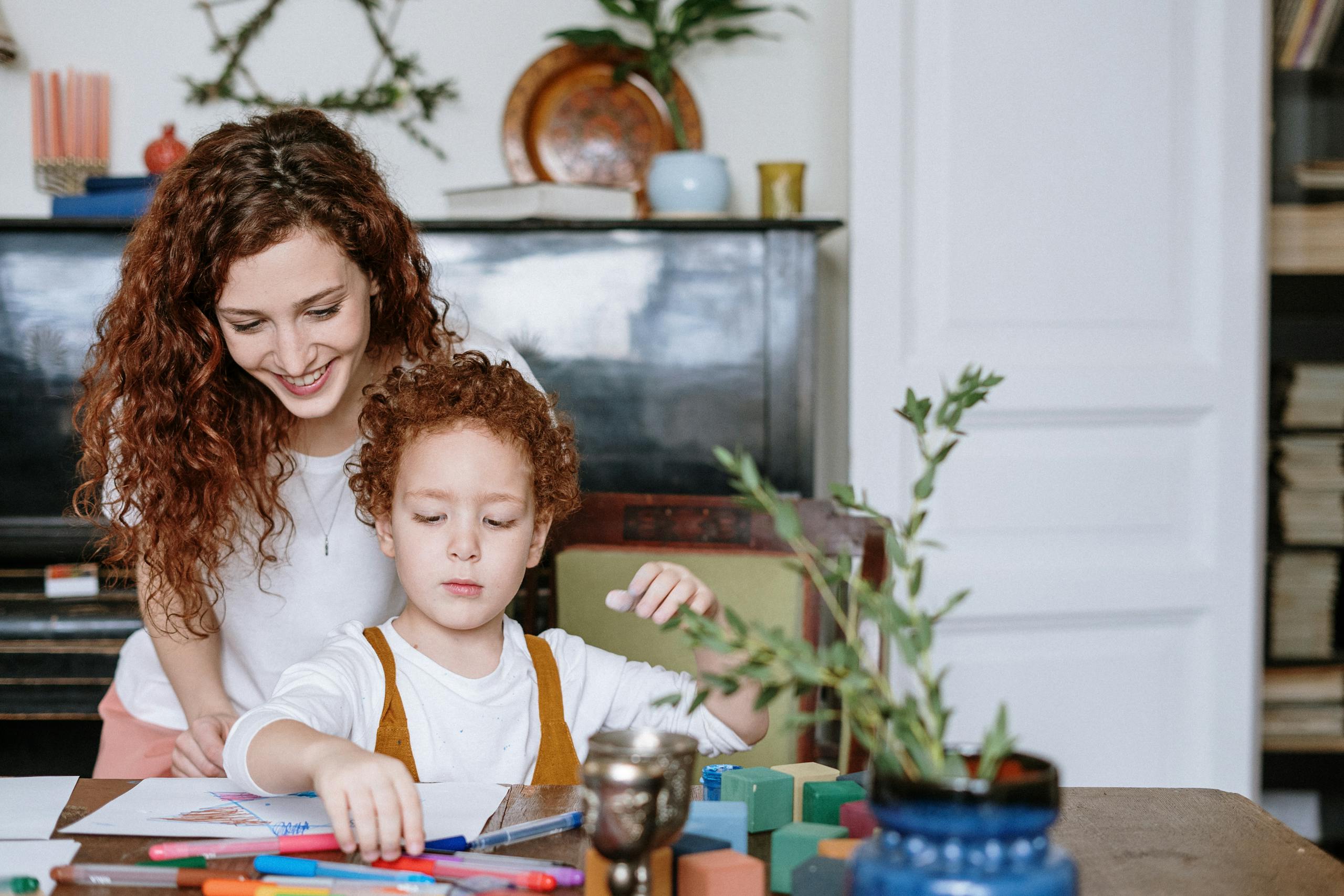
Verbal affirmation matters enormously to ENFP children. They need to hear that they are loved, valued, and accepted for exactly who they are. Unlike some personality types who might take love for granted through actions alone, ENFPs need explicit, specific expressions of approval and affection to feel secure in their relationships.
Research from Encyclopedia on Early Childhood Development confirms that temperament dimensions in children relate directly to various parenting behaviors and social-emotional outcomes. Understanding your ENFP child’s inherent nature helps you respond in ways that support their healthy development.
Freedom and autonomy rank as essential needs for ENFP children. They resist feeling controlled or constrained, even when parental rules come from a place of genuine care. Too many restrictions can cause these children to either rebel openly or lose the creative spark that makes them unique. Finding the balance between necessary boundaries and room for self-expression becomes critical.
Where the Friction Develops
The cognitive functions of ISTJs and ENFPs sit in direct opposition to one another. ISTJs lead with Introverted Sensing, which prioritizes past experience, proven methods, and concrete facts. ENFPs lead with Extraverted Intuition, which prioritizes future possibilities, novel approaches, and abstract connections. This fundamental difference shapes virtually every interaction between these types.
Communication styles create immediate friction. ISTJ parents prefer direct, practical conversations that address concrete issues. ENFP children communicate through storytelling, tangents, and emotional expression. An ISTJ parent asking about homework might receive a ten-minute story about something funny a friend said at lunch, leaving the original question completely unanswered.
I remember countless evenings asking my daughter simple questions about her day, only to find myself lost in elaborate narratives that seemed to have no connection to my original inquiry. My instinct was to redirect, to get the facts, to stay on topic. Her instinct was to share the experience fully, with all its emotional texture and interesting tangents.
According to Psychology Today, supportive parenting yields significantly fewer behavior issues across temperament ranges, with the biggest impact measured for children who display more challenging temperaments. This suggests that how ISTJ parents adapt their approach matters more than trying to change their ENFP child’s fundamental nature.
Structure versus spontaneity represents perhaps the most significant area of conflict. ISTJ parents create schedules, routines, and predictable patterns. ENFP children chafe against rigid structures, preferring to follow their energy and inspiration wherever it leads. Saturday morning might call for completing chores before play, but the ENFP child spots a fascinating insect outside and the whole plan dissolves.
The ISTJ relationship stability guide discusses how this personality type builds lasting connections through consistency and reliability. These same qualities that serve ISTJs well in romantic partnerships can create tension when applied to children who operate differently.

The Gifts Each Type Brings
Despite the challenges, this parent-child combination offers remarkable gifts when both parties learn to appreciate their differences. ISTJ parents provide the stability, structure, and practical skills that ENFP children need to eventually function in the adult world. Without some grounding influence, ENFP children might struggle to complete projects, manage responsibilities, or develop the discipline necessary for long-term success.
ENFP children, in turn, invite their ISTJ parents to experience life with fresh eyes. They remind us that not everything needs to be productive, that wonder has value in itself, and that emotional connection matters as much as task completion. My daughter taught me to stop occasionally and simply marvel at the beauty of an ordinary sunset, something my task-oriented mind would have dismissed as inefficient.
The ISTJ parent’s reliability creates a safe harbor for the ENFP child’s explorations. These children can venture into new territory knowing that their parent will remain steady, that home will always offer consistency and predictability. This security actually enables the ENFP child’s adventurous spirit rather than constraining it.
Research from Bright Horizons confirms that understanding your own temperament and that of your child allows you to step back, gain perspective, and remain patient. Instead of becoming frustrated, you can look for solutions and compromises that honor both personalities.
Working with diverse personality types throughout my agency career taught me that different approaches contribute differently to the same goals. A creative team of identical thinkers produces bland work. The magic happens when structure meets spontaneity, when detail-orientation pairs with big-picture vision. The same principle applies to families.
Practical Strategies for ISTJ Parents
Adapting your parenting approach to meet your ENFP child’s needs does not require abandoning your values or personality. Rather, it involves expanding your toolkit and recognizing that your child’s success might look different from what you initially imagined.
Offer choices within boundaries. ENFP children need autonomy, but they also benefit from structure. Instead of dictating exactly how chores must be completed, offer options. They can clean their room before or after lunch. They can choose which homework assignment to tackle first. This approach satisfies their need for freedom while maintaining the structure you value.
Express affirmation verbally and specifically. Telling your ENFP child that you love them matters, but specifying what you appreciate about them matters more. Comment on their creativity, their kindness, their unique way of seeing the world. These specific affirmations build their confidence and strengthen your connection.
The ISTJ love languages article explores how this personality type expresses care through actions. ENFP children, however, often need words alongside deeds. Bridging this gap requires conscious effort from the ISTJ parent.
Allow processing time for emotions. When your ENFP child seems upset or overwhelmed, resist the urge to immediately solve the problem or redirect to practical matters. Sit with them in the emotion first. Acknowledge how they feel before moving toward solutions. This validation matters enormously to their wellbeing.

Embrace some spontaneity yourself. Schedule unscheduled time, if that makes sense for your ISTJ brain. Build in pockets where plans can shift based on your child’s interests. Saying yes occasionally to unexpected adventures creates powerful bonding moments and shows your child that their ideas have value.
Focus on explanations rather than rules. ENFP children accept boundaries more readily when they understand the reasoning behind them. Taking a few extra minutes to explain why a rule exists transforms compliance from restriction to understanding. Your ENFP child will likely still question the reasoning, but they will respect your willingness to engage.
Building Bridges Through Communication
Effective communication between ISTJ parents and ENFP children requires adjustments from both sides, though the parent bears primary responsibility for adapting initially. Learning to speak your child’s language opens doors that remain forever closed when we insist on our own preferred style.
Listen for meaning beneath the words. When your ENFP child launches into a seemingly unrelated story, they are often communicating something important about how they feel or what matters to them. Train yourself to listen for emotional content alongside factual information.
Share your own inner world more openly. ISTJ parents tend toward privacy, keeping thoughts and feelings internal. ENFP children crave emotional connection and may interpret reticence as coldness or rejection. Sharing more of your internal experience helps your child feel closer to you.
The ISTJ leadership article explores how this personality type can build strong relationships with more emotionally expressive personalities. The same principles apply to parenting, where understanding different communication styles enables better connection.
Create regular one-on-one time. ENFP children thrive on individual attention and quality time. Scheduling dedicated moments for connection, separate from homework supervision or household management, allows the relationship to flourish. Use this time to follow your child’s lead rather than directing the activity.
Validate before redirecting. When your child shares an idea that seems impractical or makes a request you cannot grant, acknowledge their perspective first. Saying something like acknowledging that their idea sounds exciting before explaining the practical constraints makes your child feel heard even when the answer must be no.
Managing Conflict and Discipline
Discipline approaches that work beautifully for some children may backfire dramatically with ENFP personalities. Understanding what motivates and demotivates your specific child enables more effective guidance toward positive behavior.
Avoid shame-based discipline. ENFP children are remarkably sensitive to disapproval and can internalize criticism deeply. Focus discipline on specific behaviors rather than character qualities. Explaining that leaving toys scattered creates problems communicates very differently than implying your child is irresponsible.
Use natural consequences when possible. ENFP children learn best through experience rather than lecture. Allowing them to experience the natural results of their choices, within safe parameters, teaches more effectively than repeated warnings. The child who refuses a jacket on a cool day learns quickly when they feel cold.
Maintain connection through conflict. ENFP children may become dramatic or emotional during disagreements. Resist the ISTJ tendency to withdraw into cool logic. Stay engaged, maintain warmth, and remind your child that your love remains constant even when their behavior needs correction.

Understanding personality dynamics like those explored in the ISTJ and ESTJ comparison helps contextualize how different types approach authority and rules. ENFP children respond to the spirit of rules rather than rigid enforcement, requiring a more flexible discipline approach.
Pick your battles wisely. Not every deviation from expectation requires correction. ENFP children will naturally push boundaries and question established ways. Reserve firm limits for matters of safety, core values, and essential responsibilities. Allow flexibility in areas that matter less in the long run.
Supporting Your ENFP Child’s Development
Helping your ENFP child develop into a healthy, capable adult means supporting their natural gifts while gently teaching skills that may not come naturally. This balance honors who they are while preparing them for life’s practical demands.
Encourage their creativity without forcing direction. ENFP children often have many interests and may start projects they never finish. Rather than criticizing incomplete efforts, celebrate their willingness to try new things. Some projects will stick and develop into passions. Others served their purpose by teaching something new.
Teach organizational skills as tools rather than rules. ENFP children may struggle with organization, but they can learn systems that help them function. Frame these skills as aids that free them to focus on what they love rather than constraints that limit their freedom. A simple planner might feel restricting until they experience how it reduces stress.
Research on cognitive functions from the Myers-Briggs Foundation confirms that ENFPs use Extraverted Intuition as their dominant function, making them naturally oriented toward possibilities and connections. Supporting this function while developing complementary skills creates well-rounded individuals.
Provide opportunities for social connection. ENFP children gain energy from meaningful interactions with others. Facilitate friendships, allow for social activities, and recognize that time with peers serves a genuine developmental need rather than frivolous distraction.
The ISTJ relationship system discusses building lasting connections through dependability. For your ENFP child, showing up consistently while allowing space for their unique expression demonstrates love in the language they understand.
The Long View of Parenting
Raising a child with a different personality type than your own represents both a challenge and a profound opportunity. The daily frustrations can obscure the larger picture, but stepping back occasionally reveals what matters most.
Your ENFP child will likely remember not whether the house was perfectly organized, but whether they felt loved and accepted. They will carry forward not your systems and schedules, but the security of knowing that someone steady and reliable always had their back. The very qualities that sometimes create friction become the foundation for their confidence.
My daughter is now grown, and our relationship has evolved into something I could not have imagined during those exhausting early years. She brings color and spontaneity to my life. I provide the grounding presence she still needs when life feels chaotic. We have learned to appreciate what each other offers rather than wishing the other would change.
The traits that challenged me most when she was young became the qualities I admire most in her as an adult. Her creativity, her emotional depth, her ability to connect with anyone and see potential everywhere. These gifts that once tested my patience now fill me with pride.
For ISTJ parents currently in the thick of raising ENFP children, I offer this encouragement. The differences that frustrate you today will become sources of mutual enrichment tomorrow. Your steadiness matters. Their spark matters. Together, you create something neither could build alone.
Frequently Asked Questions
How can ISTJ parents connect emotionally with their ENFP child?
ISTJ parents can build emotional connections with ENFP children by increasing verbal expressions of love and appreciation, spending dedicated one-on-one time without practical agendas, listening to stories and tangents without immediately redirecting to facts, and sharing more of their own inner thoughts and feelings. ENFP children interpret emotional availability as love, so creating space for their feelings matters enormously.
Why does my ENFP child resist following rules and routines?
ENFP children lead with Extraverted Intuition, which drives them toward exploration and possibilities rather than established patterns. Rules feel constraining to their nature. They respond better when they understand the reasoning behind expectations, when offered choices within boundaries, and when some flexibility exists within the overall structure. Resistance often decreases when ENFPs feel their autonomy is respected.
How much structure should I provide for an ENFP child?
ENFP children need enough structure to develop life skills and feel secure, but too much rigidity stifles their spirit. Focus structure on essential areas like safety, core responsibilities, and family values while allowing flexibility in less critical domains. Building in unscheduled time gives ENFPs the breathing room they need while maintaining the overall framework they benefit from.
What discipline approaches work best with ENFP children?
ENFP children respond best to discipline that maintains emotional connection, focuses on specific behaviors rather than character, uses natural consequences when safe, and preserves their dignity. Shame-based approaches backfire with these sensitive children. Explaining the reasoning behind expectations and allowing them to experience consequences teaches more effectively than lecture or punishment alone.
How can I help my ENFP child develop organizational skills without crushing their creativity?
Frame organizational tools as helpers that free up mental space for creative pursuits rather than restrictions on freedom. Involve your ENFP child in designing systems that work for them. Allow for personalization and flexibility within structures. Celebrate progress rather than demanding perfection. Remember that their organizational style may never look like yours, and that is acceptable as long as they can function effectively.
Explore more MBTI Introverted Sentinels resources in our complete MBTI Introverted Sentinels (ISTJ, ISFJ) Hub.
For more like this, see our full MBTI Introverted Sentinels collection.
About the Author
Keith Lacy is an introvert who’s learned to embrace his true self later in life. With a background in marketing and a successful career in media and advertising, Keith has worked with some of the world’s biggest brands. As a senior leader in the industry, he has built a wealth of knowledge in marketing strategy. Now, he’s on a mission to educate both introverts and extroverts about the power of introversion and how understanding this personality trait can unlock new levels of productivity, self-awareness, and success.