

ISTJ self-care products work best when they match how this personality type actually recharges: through order, sensory calm, and deliberate routines rather than spontaneous wellness trends. The most effective choices honor the ISTJ’s need for structure, quiet, and predictable rituals that restore energy without adding decision fatigue.
People with this personality type are often the most reliable, detail-oriented people in any room. They give a lot, and they give consistently. What they rarely do well is pause long enough to replenish themselves with the same intentionality they bring to everything else.
That’s what this guide is about: not generic wellness advice, but products and practices that actually fit the ISTJ mind. If you haven’t confirmed your type yet, you can take our free MBTI test before reading further. It helps to know exactly where you’re working from.
The ISTJ experience sits at the heart of our broader exploration of introverted sensing types. Our MBTI Introverted Sentinels (ISTJ and ISFJ) hub covers everything from relationships to emotional intelligence to workplace dynamics for these two deeply principled types. This article zooms in on a dimension that often gets overlooked: how ISTJs care for themselves in a way that feels authentic rather than performative.
Why Do ISTJs Struggle With Self-Care in the First Place?
Most self-care content is designed for people who struggle with consistency. ISTJs are not those people. They’re disciplined, methodical, and follow through. So why do so many of them end up depleted?
What’s your personality type?
Take our free 40-question assessment and get a detailed personality profile with dimension breakdowns, context analysis, and personalised insights.
Discover Your Type8-12 minutes · 40 questions · Free
The answer is almost always the same: they apply their discipline to everyone else’s needs first. I watched this pattern constantly in my agency years. My most dependable team members, the ones who never missed a deadline, who kept every client relationship intact, who quietly solved problems before leadership even noticed them, were often the ones running on empty. They’d built elaborate systems for managing work. They’d built almost nothing for managing themselves.
ISTJs carry a strong internal sense of duty. A 2021 study published in PubMed Central found that conscientiousness, one of the defining traits of this type, correlates with higher work performance but also with elevated stress when personal standards aren’t met. For ISTJs, those standards are almost always high. The gap between what they expect of themselves and what they can realistically sustain becomes a slow drain over time.
Self-care for this type isn’t about bubble baths and motivational posters. It’s about designing a recovery system as carefully as they design anything else in their lives.

What Sensory Environment Products Help ISTJs Recover?
ISTJs are introverted sensing types, which means they process the world through concrete sensory experience. Truity’s overview of introverted sensing describes it as an internal library of past sensory experiences that the ISTJ constantly references to make sense of the present. This is why familiar environments feel so restorative to them, and why chaotic or overstimulating spaces feel so draining.
Products that create a controlled sensory environment aren’t luxuries for this type. They’re functional tools.
Sound Control
High-quality noise-canceling headphones are probably the single most impactful self-care purchase an ISTJ can make. Not for music necessarily, though that matters too, but for the ability to create silence on demand. Brands like Sony and Bose offer strong options in the mid-to-high range. For budget-conscious buyers, the Anker Soundcore Q45 delivers reliable noise cancellation without the premium price tag.
White noise machines serve a different but related function. They’re particularly useful for ISTJs who work from home or live in unpredictable acoustic environments. The LectroFan Classic and the Marpac Dohm are both well-regarded for their consistent, non-digital sound profiles. ISTJs tend to prefer the mechanical hum of the Dohm over digitally looped tracks, which can feel artificial once you notice the loop.
Scent and Atmosphere
Scent is one of the fastest pathways to a regulated nervous system. For ISTJs who appreciate ritual, a consistent scent associated with wind-down time can become a powerful cue. Cedar, sandalwood, eucalyptus, and cool linen scents tend to resonate with this type’s preference for clean, grounded sensory experiences over sweet or floral profiles.
Reed diffusers work better than candles for many ISTJs because they don’t require monitoring. Candles demand attention, which defeats the purpose. Brands like Vitruvi and P.F. Candle Co. offer simple, well-made options. For those who prefer candles, soy-based varieties with single-note scents burn cleaner and last longer, two qualities this type tends to appreciate.
Lighting matters more than most people realize. A 2023 study in PMC found that warm, dim lighting in evening hours supports melatonin production and better sleep onset. Smart bulbs like Philips Hue allow ISTJs to program lighting schedules, which fits perfectly with their preference for systems over spontaneous decisions.
Which Physical Self-Care Products Match the ISTJ Approach to the Body?
ISTJs often treat physical self-care the same way they treat everything else: they want it to work, they want it to be evidence-based, and they don’t want to spend time figuring out whether it’s worth doing. Trendy wellness products with vague claims tend to get ignored. Products with clear, documented functions tend to get used consistently.
I remember a period in my mid-forties when I was running two agency accounts simultaneously and training for a half marathon. I thought I was managing fine because my calendar said I was managing fine. My body disagreed. I started tracking my resting heart rate with a Garmin watch, not because I was into fitness tech, but because I needed data I could trust. That number told me things my pride wouldn’t. When it crept up three days in a row, I learned to treat that as an early warning system rather than waiting until I was genuinely unwell.
Sleep Tools
Sleep is where ISTJs often underinvest. They see it as passive, and passive time can feel unproductive to a type that values output. Reframing sleep as a recovery system, not lost time, tends to shift their relationship with it.
Weighted blankets have solid research support for reducing anxiety and improving sleep quality. A 2020 study published in PMC found that weighted blanket use was associated with reduced insomnia severity and daytime fatigue. The Bearaby Cotton Napper and the Gravity Blanket are both well-constructed options at different price points. ISTJs tend to prefer the 15-20 pound range, which provides meaningful pressure without feeling restrictive.
Sleep tracking devices like the Oura Ring or Withings Sleep Mat give ISTJs the data they need to take sleep seriously. Seeing sleep stages, HRV scores, and recovery metrics in a clean dashboard appeals to the same part of their brain that loves a well-organized spreadsheet.
Muscle Recovery and Physical Tension
ISTJs who carry stress physically, and many do, tend to hold it in the shoulders, neck, and jaw. Percussion massagers like the Theragun Mini or the Hypervolt Go are practical tools that can be used in a few minutes without booking an appointment or explaining your needs to another person. That independence matters to this type.
Foam rollers, resistance bands, and yoga blocks are worth mentioning because they support a low-equipment, home-based movement practice that ISTJs can build into a consistent routine. They don’t need a gym membership or a class schedule. They need a system they control.

How Do Relationship Dynamics Affect ISTJ Self-Care Needs?
Self-care doesn’t happen in a vacuum. How an ISTJ manages their energy is deeply shaped by who they share their life with, and how much of themselves they give to those relationships.
ISTJs in relationships with more expressive or emotionally demanding partners often find themselves serving as the stabilizing anchor. That role is meaningful to them, but it’s also tiring. Our piece on ISTJ and ENFJ marriages explores this dynamic in depth, including how the ISTJ’s steady reliability and the ENFJ’s warmth can create genuine balance when both partners understand each other’s needs.
The challenge is that ISTJs in these pairings often absorb emotional weight without naming it. They process internally, which means their partners may not realize how much energy the ISTJ is expending. Self-care products that support solo decompression become especially important here: a dedicated reading chair, a pair of headphones, a space that is clearly theirs.
Long-distance relationships add another layer of complexity. The structure and routine that ISTJs depend on gets disrupted by distance, and the emotional uncertainty can be particularly hard on a type that prefers clear, predictable outcomes. Our article on ENFP and ISTJ long-distance relationships touches on how these opposite types can build sustainable connection across distance, which requires both partners to be intentional about their own self-regulation.
Even in same-type partnerships, self-care needs attention. Two ISTJs together can fall into a pattern of mutual competence and quiet neglect, each assuming the other is fine because neither one complains. Our exploration of ISTJ and ISTJ marriages looks honestly at whether shared stability becomes stagnation, and how couples in this pairing can build genuine renewal into their lives together.
What Mindfulness and Mental Reset Products Work for ISTJs?
Mindfulness is a word that makes a lot of ISTJs roll their eyes, and I understand why. It often gets packaged in a way that feels vague, trendy, or disconnected from any measurable outcome. That framing doesn’t work for this type.
Reframe it as mental maintenance, the same kind of deliberate attention you’d give a car engine or a financial system, and ISTJs tend to engage with it differently.
Journaling Tools
Structured journaling works better for ISTJs than open-ended free writing. Products like the Five Minute Journal or the Productivity Planner give them a framework to work within. The Leuchtturm1917 notebook is a favorite among ISTJs who prefer to design their own system, because the numbered pages and table of contents appeal to their organizational instincts.
I kept a simple end-of-day log for most of my agency career. Not a diary, nothing personal or exploratory, just three columns: what went well, what didn’t, what I’d change. It took five minutes. Over time, it became one of the most useful tools I had, not for productivity, but for emotional processing. Writing things down externalizes them. For a type that tends to ruminate, that matters.
Meditation Apps and Devices
Guided meditation apps with structured programs tend to land better with ISTJs than open-ended ones. Calm’s “Daily Calm” series and Headspace’s foundational courses both offer clear progression, which appeals to this type’s preference for building skills methodically. The Muse headband, which provides real-time biofeedback during meditation, is particularly effective for ISTJs who want data confirming that what they’re doing is working.
Breathing tools like the Moonbird or the Dodow use light or haptic cues to guide breathing patterns. They’re simple, evidence-based, and require no interpretation or intuition. For an ISTJ who wants a quick nervous system reset without sitting through a guided visualization, these are worth considering.

How Do Workplace Stress Patterns Shape ISTJ Self-Care Priorities?
ISTJs in leadership roles carry a particular kind of stress that doesn’t always get recognized. They’re expected to be consistent, so they are. They’re expected to have answers, so they find them. They’re expected to hold things together, so they do. What they rarely do is tell anyone how much that costs them.
Our article on the ISTJ boss and ENFJ employee dynamic explores why this pairing often works so well in professional settings. The ISTJ’s precision and the ENFJ’s people skills can create a genuinely effective team. What that article also touches on is how the ISTJ leader needs to protect their own processing time, even when the work environment rewards constant availability.
The 16Personalities research on workplace communication confirms what most introverted leaders already sense: different personality types have fundamentally different communication needs, and ISTJs in particular need time to process before responding. Products that support this, like a dedicated “do not disturb” desk sign, a focus timer, or even a simple visual cue system for their home office, are practical self-care tools.
Desk organization systems deserve a mention here because for ISTJs, physical order and mental order are directly connected. A cluttered workspace isn’t just aesthetically unpleasant. It’s cognitively disruptive. The Yamazaki desk organizer series, the Ugmonk Analog system, and simple label makers from Brother are all products that ISTJs tend to use and actually maintain, because they fit the way this type thinks.
It’s also worth noting that ISTJs who work in high-demand helping professions face a specific version of this challenge. The emotional labor involved in caregiving roles can be particularly depleting for sensing types who process experience concretely rather than abstractly. Our piece on ISFJs in healthcare explores the hidden costs of working in fields that draw heavily on your natural strengths, a pattern that applies to ISTJs in similar roles as well.
What Reading and Learning Products Support ISTJ Restoration?
Reading is often the primary way ISTJs recharge, and it’s worth treating it as such rather than as a secondary activity squeezed into leftover time.
E-readers like the Kindle Paperwhite or the Kobo Libra are genuinely useful self-care investments for this type. They hold thousands of books without taking up physical space, which appeals to the ISTJ’s preference for order. The warm light setting and adjustable font sizes make extended reading sessions more comfortable. For ISTJs who prefer physical books, a quality booklight like the Lumiy Lightblade or the Vekkia rechargeable clip light extends reading time without disturbing a partner.
ISTJs tend to read purposefully. They’re not usually browsing for entertainment alone. They’re learning something, solving something, or deepening their understanding of a subject that matters to them. Subscriptions to services like Blinkist (which summarizes nonfiction books) or Audible work well for ISTJs who want to absorb information during commutes or exercise without losing time they’d otherwise use for focused work.
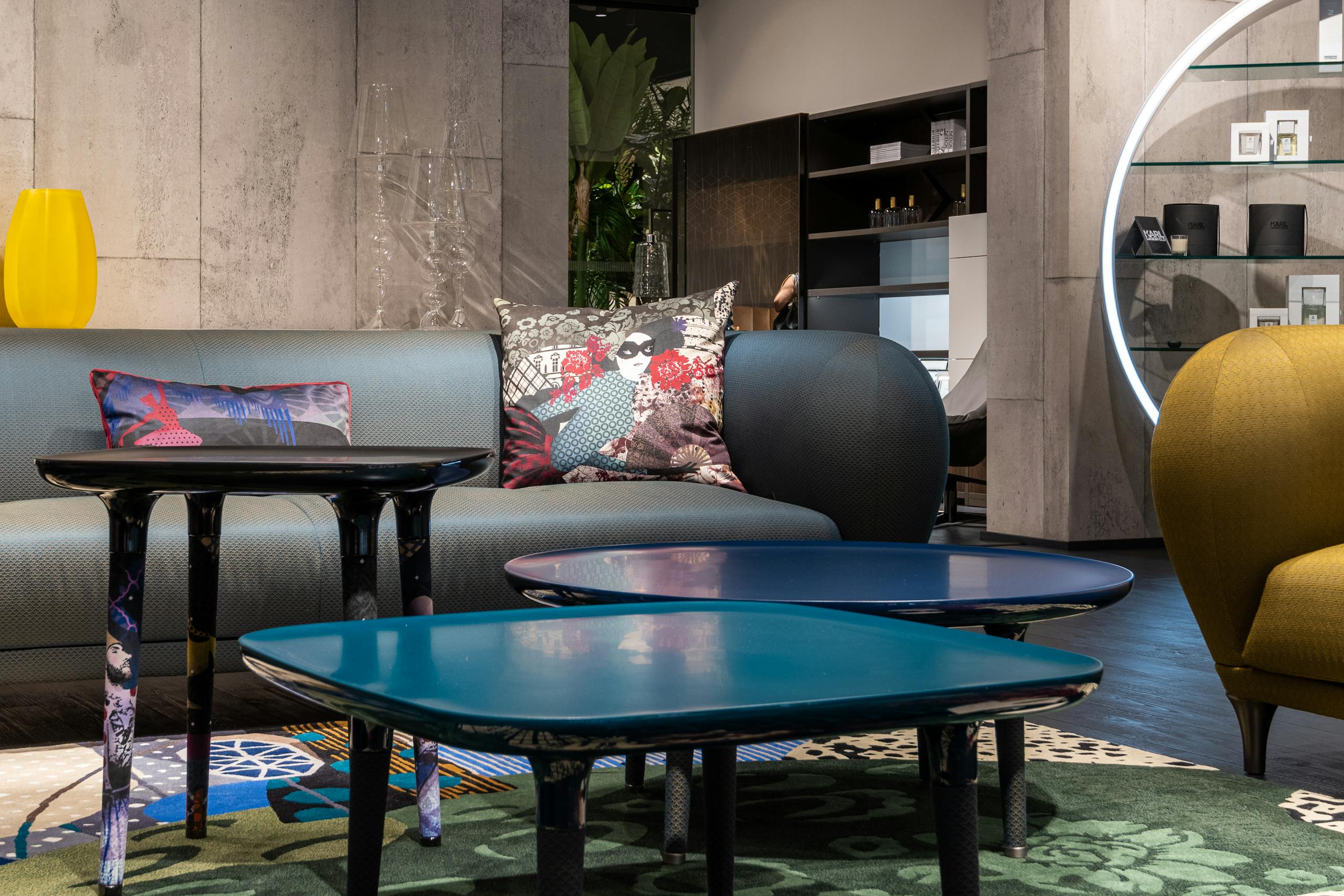
One underrated product for this type: a quality reading chair. Not a couch, which invites distraction, but a dedicated chair associated specifically with reading and rest. The signal matters. ISTJs respond to environmental cues because their introverted sensing function is always cataloging what different spaces mean. A specific chair in a specific corner, with good light and minimal visual noise, becomes a reliable cue for the nervous system to downshift.
How Should ISTJs Think About Emotional Self-Care Products?
Emotional self-care is the category ISTJs most often skip. Not because they don’t have emotions, but because they tend to distrust products or practices that feel soft or unverifiable. The wellness industry doesn’t always help by packaging emotional support in language that feels alien to a type that values precision.
What actually works for ISTJs in this space tends to be concrete, private, and low-pressure. Therapy apps like BetterHelp or Woebot offer structured, text-based support that many ISTJs find easier to engage with than face-to-face sessions, at least initially. The asynchronous format removes the social pressure of real-time emotional disclosure.
It’s worth understanding that emotional intelligence in sensing-feeling types often operates differently than most people expect. Our piece on ISFJ emotional intelligence explores six traits that rarely get discussed, and several of them apply to ISTJs as well, particularly the way these types express care through action rather than words. Recognizing that as a genuine form of emotional engagement, rather than a deficit, is itself a form of self-compassion.
Gratitude tools, when framed correctly, can also work well for ISTJs. The Five Minute Journal mentioned earlier includes a gratitude prompt, and the research behind gratitude practice is solid. A 2016 study published in PubMed Central found that gratitude interventions were associated with improved well-being and reduced depressive symptoms across multiple populations. For ISTJs who want evidence before committing to a practice, that kind of citation tends to be persuasive.
Art supplies, puzzles, and model kits are also worth mentioning. ISTJs often find deep restoration in activities that require focused attention on a concrete, finite task. A 1000-piece puzzle, a watercolor set, a model aircraft kit, these aren’t frivolous. They’re exactly the kind of absorbing, detail-oriented activity that gives an ISTJ’s relational and emotional processing mind a genuine rest.
What Does a Sustainable ISTJ Self-Care Routine Actually Look Like?
Products matter, but they only work if they’re embedded in a routine. ISTJs understand routines better than almost any other type. The challenge isn’t building one. It’s giving themselves permission to treat their own restoration as something worth building a routine around.
A sustainable ISTJ self-care routine tends to have a few consistent features. It’s predictable. It doesn’t require negotiation or social energy. It has clear start and end points. And it produces a recognizable outcome, even if that outcome is simply feeling more like themselves.
Morning routines for ISTJs often include something that grounds them in the physical world before the cognitive demands of the day begin. A consistent breakfast, a short walk, ten minutes of quiet reading, a cup of tea made the same way every morning. These aren’t small things. For a type whose nervous system is calibrated by familiarity, they’re anchors.
Evening routines matter even more. The transition from work mode to rest mode is something ISTJs often struggle with because their minds don’t have a natural off switch. A deliberate wind-down sequence, dimmed lights, a specific scent, a brief journaling practice, a set time when screens go off, gives the brain the signal it needs to shift gears. Products that support this transition aren’t indulgences. They’re infrastructure.
The Mayo Clinic’s guidance on sleep and hormonal health is worth referencing here, particularly for ISTJs in midlife who may notice that the routines that worked in their thirties need adjustment. Hormonal shifts affect sleep architecture, sensory sensitivity, and emotional regulation in ways that require updating the self-care system, not abandoning it.
Weekends deserve intentional design as well. ISTJs who leave their weekends unstructured often find themselves either overcommitting to other people’s plans or drifting into low-grade anxiety without understanding why. A loose but consistent weekend rhythm, a Saturday morning walk, a Sunday afternoon for a personal project, a designated time for meal prep, gives the weekend shape without making it feel like another workweek.

Explore more resources for introverted sensing types in our complete MBTI Introverted Sentinels (ISTJ and ISFJ) hub.
About the Author
Keith Lacy is an introvert who’s learned to embrace his true self later in life. After 20 years in advertising and marketing leadership, including running agencies and managing Fortune 500 accounts, Keith now channels his experience into helping fellow introverts understand their strengths and build fulfilling careers. As an INTJ, he brings analytical depth and authentic perspective to every article, drawing from both professional expertise and personal growth.
Frequently Asked Questions
What types of self-care products work best for ISTJ personalities?
ISTJs respond best to self-care products that are practical, evidence-based, and integrate smoothly into existing routines. Noise-canceling headphones, weighted blankets, structured journals, and sleep tracking devices tend to be high-value purchases for this type because they serve clear, measurable functions. Products that require ongoing interpretation or social engagement to use tend to get abandoned.
Why do ISTJs often neglect self-care despite being highly disciplined?
ISTJs apply their discipline primarily to external responsibilities and other people’s needs. Their strong sense of duty means they often deprioritize their own restoration until depletion forces the issue. Because they process stress internally and rarely complain, the drain can go unnoticed by both themselves and the people around them. Building self-care into a formal routine, rather than treating it as optional, is usually the most effective solution for this type.
How does the ISTJ’s introverted sensing function affect their self-care preferences?
Introverted sensing means ISTJs process the world through a rich internal catalog of past sensory experiences. Familiar environments, consistent rituals, and predictable sensory cues are genuinely restorative for this type in a way that goes beyond preference. Products that create sensory order, like white noise machines, consistent scent diffusers, and warm lighting systems, support the nervous system in a concrete, physiological way rather than simply being pleasant.
Are there self-care products that specifically help ISTJs with emotional processing?
Yes, though the framing matters. ISTJs tend to engage better with emotional self-care tools that are structured and private. Guided journaling products with clear prompts, text-based therapy apps, and absorbing solo activities like puzzles or model kits all support emotional processing without requiring the ISTJ to perform vulnerability in real time. Gratitude journals with a simple daily format can also be effective when paired with research supporting the practice.
How can an ISTJ build a self-care routine that they’ll actually maintain?
ISTJs maintain routines best when those routines are predictable, time-bounded, and tied to clear outcomes. A morning anchor ritual and a deliberate evening wind-down sequence are two high-leverage starting points. Choosing two or three products that support these transitions, rather than assembling an elaborate wellness system all at once, tends to produce better long-term adherence. ISTJs who treat self-care as a system to be optimized, rather than a mood-dependent activity, are far more likely to sustain it.