
An ISTP workspace setup works best when it prioritizes physical comfort, minimal visual noise, quick-access tools, and enough flexibility to shift between focused work and hands-on problem solving. People with this personality type think best when their environment matches how their mind actually operates, not how productivity gurus say it should.
Most workspace guides assume everyone processes information the same way. ISTPs don’t. They’re wired for tactile engagement, real-time observation, and practical action. A workspace built around those tendencies isn’t a luxury. It’s a performance advantage.
I spent more than two decades running advertising agencies, and I watched talented people struggle not because they lacked skill but because their physical environment worked against how their minds operated. The ISTP colleagues I respected most were the ones who quietly rearranged their desks, ignored the open-plan seating chart, and built small personal sanctuaries within larger office chaos. They were onto something the rest of us took years to figure out.
If you’re still figuring out where you land on the personality spectrum, take our free MBTI test before reading further. Understanding your type makes every workspace recommendation here land with more precision.
This article sits within our broader exploration of introverted sensing and thinking types. The MBTI Introverted Explorers (ISTP and ISFP) hub covers the full range of what makes these two types tick, from creative expression to career strategy to everyday habits. The workspace angle adds a practical layer that connects directly to how both types perform at their best.

What Does an ISTP Actually Need From a Physical Workspace?
Start with the basics before reaching for any product recommendation. An ISTP workspace needs to solve for three things: sensory control, physical accessibility, and low friction between thought and action.
What’s your personality type?
Take our free 40-question assessment and get a detailed personality profile with dimension breakdowns, context analysis, and personalised insights.
Discover Your Type8-12 minutes · 40 questions · Free
Sensory control means managing what comes in through your eyes, ears, and body. ISTPs have a strong relationship with extraverted sensing, which the team at Truity describes as a function that processes the physical world in real time, noticing textures, sounds, and spatial relationships with unusual precision. That’s a strength in many contexts. In a cluttered or noisy workspace, it becomes a liability because every piece of visual disorder competes for attention.
Physical accessibility means everything you use regularly should be within reach without breaking your flow. ISTPs don’t enjoy hunting for things. They want to pick up a tool, use it, and move on. Drawers that stick, cables that tangle, and supplies buried under stacks of paper all create the kind of low-level friction that quietly drains energy over a full workday.
Low friction between thought and action is perhaps the most underappreciated need. When an idea or solution arrives for someone with this personality type, the gap between thinking it and doing something about it needs to be as short as possible. A workspace that requires three steps to start working creates a psychological barrier that genuinely disrupts how ISTPs process and create.
Reading about the signs of an ISTP personality type gives useful context here. The patterns that show up in behavior, communication, and decision-making all have direct implications for what a workspace should and shouldn’t contain.
Which Desk and Chair Configurations Support ISTP Work Patterns?
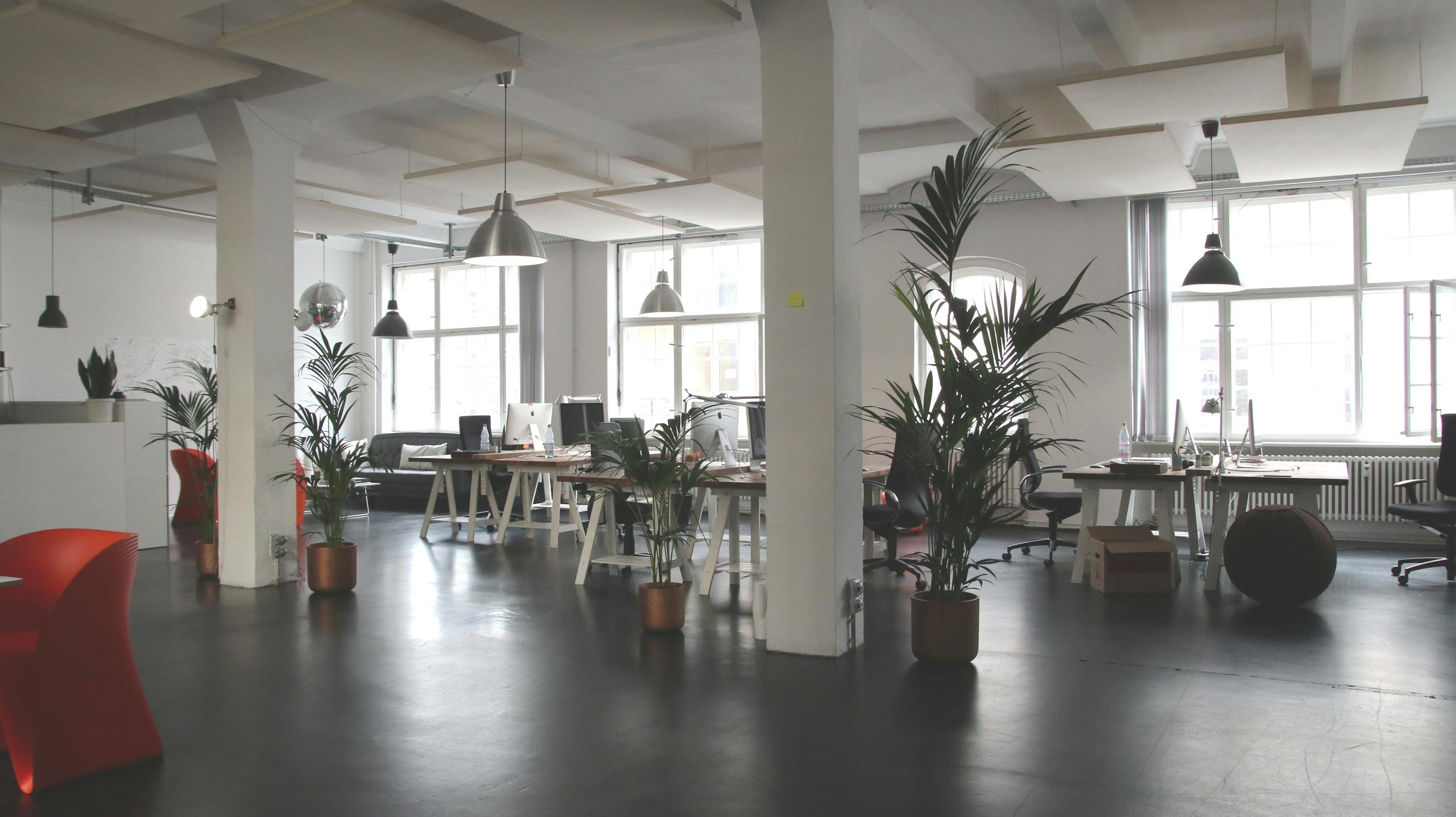
Desk choice matters more than most workspace guides acknowledge. ISTPs often shift between different types of tasks within a single session, moving from screen-based work to physical tinkering to reading to sketching. A desk that accommodates that range without requiring a full reorganization between modes is worth the investment.
A large surface area is non-negotiable. Compact desks that look clean in lifestyle photos create real problems for people who spread materials out as part of their thinking process. Many ISTPs work by physically arranging components, whether those are actual mechanical parts, printed documents, reference materials, or tools. That spatial arrangement is part of how they think, not just a side effect of working.
Standing desk converters or full sit-stand desks address another ISTP tendency: the need to move. Extended periods of sitting create restlessness that’s hard to ignore. Having the option to stand, shift posture, or pace briefly while thinking keeps physical energy from becoming a distraction. Many ISTPs report that their best problem-solving happens when their body is slightly engaged rather than completely still.
For chair selection, prioritize adjustability over aesthetics. Lumbar support that actually fits your body, armrests that don’t force your shoulders into awkward positions, and seat depth that works for your frame all matter more than brand recognition. An ergonomic chair that fits poorly is worse than a modest chair that fits well. A 2011 study published through PubMed Central found meaningful connections between physical environment quality and cognitive performance, which is a strong argument for treating your chair as a productivity tool rather than just furniture.
One configuration worth considering is an L-shaped or corner desk setup. This creates natural zones: one side for screen-based work, one side for physical tasks or reference materials. ISTPs often find that having distinct zones reduces the mental overhead of switching between modes because each zone carries its own context.
How Should ISTPs Approach Audio and Sensory Management?
Noise management is where many ISTPs struggle without realizing it’s a workspace problem rather than a focus problem. Because extraverted sensing picks up environmental input so readily, background conversations, unpredictable sounds, and ambient noise all pull attention in ways that feel involuntary.
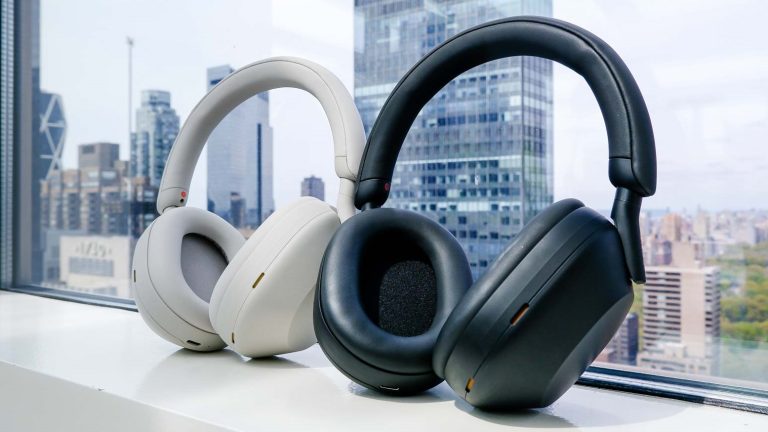
Quality noise-canceling headphones are one of the highest-return investments an ISTP can make. Not earbuds for commuting, but over-ear headphones with genuine active noise cancellation designed for extended wear. The difference between passive isolation and active cancellation matters in environments with low-frequency hum from HVAC systems, open-plan office chatter, or street noise from home offices in urban areas.
What to play through those headphones is a personal calibration. Some ISTPs work well with instrumental music that provides rhythm without lyrical distraction. Others prefer brown noise or ambient sound that masks unpredictable audio without adding its own patterns. A few find complete silence, achieved through noise cancellation without playback, to be the most effective. The point is having control over your auditory environment rather than being subject to whatever happens around you.
Lighting deserves equal attention. Harsh overhead fluorescent lighting creates a kind of visual tension that accumulates over hours. Warm-toned desk lamps with adjustable brightness give you control over the immediate work area without depending on whatever your building or landlord installed in the ceiling. Bias lighting behind monitors reduces eye strain during screen-heavy sessions and makes extended focused work significantly more sustainable.
Temperature is often overlooked entirely. Physical comfort directly affects cognitive performance, and ISTPs tend to be acutely aware of discomfort in ways that can be hard to articulate. A small desk fan, a space heater with precise controls, or simply dressing in layers gives you agency over a variable that most workspace guides completely ignore.
What Storage and Organization Systems Actually Work for ISTPs?
Here’s where ISTP workspace advice often goes wrong. Most organization systems are designed by and for people who think in categories. ISTPs tend to think in situations. They don’t want to file something under “project management” and “Q3 initiatives.” They want to reach for the thing they need when they need it.
Visible storage beats hidden storage for this personality type. Pegboards, open shelving, magnetic tool strips, and desktop organizers that keep items in sight all reduce the cognitive load of remembering where things are. The visual cue of seeing a tool or material is often enough to trigger the memory of when and how to use it. Drawers and closed cabinets create an “out of sight, out of mind” problem that compounds over time.
One system that works particularly well is organizing by frequency of use rather than by category. What you reach for multiple times a day lives on the desk surface or within arm’s reach. What you use weekly lives in the first drawer or on a nearby shelf. What you use monthly or less goes in storage. This spatial logic matches how ISTPs naturally prioritize, based on immediate relevance rather than abstract classification.
Cable management is worth treating as a genuine project. Tangled cables aren’t just visually distracting. They create physical friction every time you need to move equipment, add a device, or troubleshoot a connection. Cable clips, velcro ties, and a cable management tray under the desk take a few hours to set up properly and pay dividends every single day afterward.
I learned this the hard way during my agency years. We had a shared conference room that was perpetually chaotic, with cables running everywhere, supplies buried in unlabeled boxes, and no clear logic to where anything lived. Every meeting started with five minutes of hunting and untangling. The people who consistently showed up prepared were the ones who had built their own personal workstations with clear, visible organization. They weren’t doing anything complicated. They were just refusing to work in environments that made thinking harder.

Which Digital Tools Complement the ISTP Physical Workspace?
The physical and digital environments need to work together. An organized desk paired with a chaotic desktop creates the same friction problem in a different medium.
For ISTPs, the best digital tools share a few characteristics. They’re fast to open and fast to use. They don’t require extensive setup or configuration to get value from. They produce something tangible and usable rather than just organizing information about information. And they get out of the way when you’re done with them.
A second monitor is one of the most impactful digital workspace investments available. The ability to have reference material on one screen while working on another eliminates constant switching that interrupts flow. For ISTPs who work with technical documentation, code, design files, or any task that requires comparing information, dual monitors reduce cognitive overhead in a way that’s immediately noticeable.
Keyboard shortcuts and custom hotkeys deserve more attention than they typically receive. ISTPs often have strong preferences for efficiency and directness, and learning the shortcuts for applications you use daily is one of the highest-return time investments available. Reaching for a mouse to handle menus is slower than a keyboard shortcut, and that difference adds up across hundreds of interactions per day.
The Myers-Briggs Foundation’s overview of type and cognitive function helps explain why ISTPs often gravitate toward tools that provide direct, immediate feedback rather than systems that require sustained abstract management. The sensing-thinking combination means value is assessed in concrete terms: does this tool make the work faster and better, or does it add overhead without proportional return?
One digital tool category worth specific attention is quick-capture apps. ISTPs often have insights and observations that arrive during physical tasks, conversations, or movement. A frictionless way to capture those moments, whether a voice memo app, a simple notes widget, or a dedicated capture tool, prevents good thinking from disappearing before it can be acted on.
How Does Workspace Design Connect to ISTP Problem-Solving Strengths?
The connection between environment and cognition runs deeper than most people realize. For ISTPs specifically, the workspace isn’t just where work happens. It’s part of how thinking happens.
The practical intelligence that defines ISTP problem-solving operates through direct engagement with real systems and real materials. A workspace that supports that engagement, with accessible tools, clear surfaces, and minimal sensory interference, amplifies that natural strength. A workspace that fights against it creates a constant low-level tax on performance.
Consider what happens when an ISTP encounters a complex problem. They typically want to break it into components, examine each part, understand how the pieces interact, and find the most direct path to a solution. That process benefits enormously from having physical space to spread things out, tools to test ideas quickly, and an environment quiet enough to think without interruption.
The unmistakable markers of ISTP personality include a preference for direct experience over theoretical discussion, a tendency to reserve energy for problems worth solving, and a quiet confidence in their own practical judgment. A workspace designed around those tendencies reinforces rather than undermines the way this personality type naturally operates at its best.
During my agency years, I managed several ISTPs who were exceptional at their craft but visibly uncomfortable in our open-plan office. One of them, a technical production specialist who could solve problems that stumped everyone else, worked noticeably better on the days he came in early before the office filled up. He wasn’t antisocial. He was protecting the conditions his mind needed. Once I understood that, I stopped scheduling him for morning meetings and watched his output improve significantly. The workspace adjustment cost nothing. The performance gain was real.
The American Psychological Association’s research on environment and performance supports what I observed anecdotally: physical and social environment has measurable effects on cognitive output. For personality types with strong sensory processing, those effects are amplified.

What Workspace Adjustments Help ISTPs in Remote and Hybrid Settings?
Remote and hybrid work created both opportunities and complications for ISTPs. The opportunity is obvious: full control over the physical environment. The complication is less discussed: without intentional design, a home workspace often becomes a compromise between work needs and living space constraints.
The single most important principle for ISTP home workspaces is spatial separation. Even in a small apartment, having a defined area that is exclusively for work creates a psychological boundary that supports focus. A desk in a bedroom corner works better than working from the couch, not because of any mystical property of desks, but because the brain begins to associate that specific location with a specific mode of engagement.
Door control matters enormously. ISTPs in hybrid settings often report that the unpredictability of interruptions is more draining than the interruptions themselves. A closed door, a “do not disturb” signal, or even noise-canceling headphones as a visual cue to household members all reduce that unpredictability. The goal isn’t isolation. It’s managing the conditions for sustained attention.
For ISTPs who spend time in shared office environments, portable workspace tools make a real difference. A compact set of personal peripherals, a preferred mouse, a small keyboard, your own headphones, transforms an unfamiliar hot desk into a functional personal workspace within minutes. That portability is worth the small investment because it removes the variable of whether the space you’re assigned will work for how you operate.
Communication tools in remote settings deserve thoughtful selection. The 16Personalities team notes that different personality types have genuinely different communication preferences that affect how they perform in collaborative digital environments. ISTPs generally prefer asynchronous communication that allows for thoughtful responses over real-time chat that demands immediate replies. Setting up your digital workspace to support that preference, through notification management, clear status indicators, and established response time expectations, protects the focused work time that ISTPs need to perform well.
It’s also worth acknowledging that workspace design connects directly to career fit. ISTPs who find themselves in roles that require constant desk presence without physical variety often experience a specific kind of professional dissatisfaction. The article on ISTPs trapped in desk jobs addresses that pattern directly, and the workspace solutions here are most effective when the role itself provides enough variety and physical engagement to match how this personality type is built to work.
What Can ISTPs Learn From How ISFPs Approach Their Workspaces?
ISTPs and ISFPs share the introverted sensing preference and a strong connection to the physical world, but they apply that connection differently. Understanding where those paths diverge can sharpen your own workspace choices.
ISFPs bring a strong aesthetic sensibility to their environments. The creative powers that define ISFP thinking include a refined sensitivity to beauty, harmony, and sensory experience that often translates into workspaces that are not just functional but genuinely beautiful. That’s not vanity. It’s a reflection of how aesthetic environment affects mood and creative output for people wired that way.
ISTPs can borrow from this approach without wholesale adopting it. A few deliberately chosen objects, a plant, a piece of art, a tool displayed as much for its design as its function, add personal meaning to a workspace without creating the visual clutter that disrupts ISTP focus. The difference between an ISFP workspace and an ISTP workspace often comes down to how much decorative complexity feels energizing versus distracting.
ISFPs who build careers around their creative strengths, as explored in the guide to ISFP creative careers, often invest heavily in workspace quality because they understand that environment directly affects creative output. ISTPs can apply that same logic even when the work is more technical than artistic. The principle holds across types: a workspace that matches your cognitive style produces better work than one that fights against it.
One practical crossover point is the use of physical materials for thinking. ISFPs often keep sketchbooks, swatches, or physical samples nearby as creative references. ISTPs might keep technical manuals, component samples, or physical prototypes in their workspace for the same reason. Both approaches use tangible objects as cognitive anchors, keeping relevant information accessible without requiring screen time or digital search.
How Should ISTPs Approach Workspace Investment and Prioritization?
Not every workspace upgrade delivers equal return. Spending money on the right things matters more than spending money on everything.
Prioritize in this order: sensory management first, then ergonomics, then organization, then aesthetics. Noise-canceling headphones and good lighting solve the most immediate performance problems. A well-fitted chair prevents the physical discomfort that accumulates into real distraction over time. Visible storage systems reduce daily friction. Personal touches that make the space feel like yours come last, not because they don’t matter, but because they build on a functional foundation rather than substitute for one.
Avoid the trap of buying organizational products before understanding your actual workflow. Many people purchase elaborate filing systems, desk organizers, and storage solutions that end up empty or repurposed because they were designed around an idealized version of how work happens rather than how work actually happens. Spend two weeks observing what you actually reach for, what creates friction, and what clutters your space before buying anything designed to organize it.
Consider the career context as well. According to the Bureau of Labor Statistics Occupational Outlook Handbook, many of the fields where ISTPs excel, including skilled trades, engineering, technical services, and applied sciences, are growing. Investing in a workspace that supports high-quality technical work is an investment in career performance, not just personal comfort.
My own experience with workspace investment came late. For most of my agency career, I worked in whatever space was available, treating my physical environment as a given rather than a variable I could control. It wasn’t until I started working from a dedicated home office that I understood how much energy I’d been spending adapting to environments that didn’t fit how I think. The right desk, the right chair, the right lighting, and a door I could close changed my daily experience more than any productivity system I’d ever tried.
The psychological dimension matters too. A workspace that feels like yours, that reflects your values and supports your actual way of working, contributes to a sense of professional identity that has real effects on motivation and output. The Psychology Today overview of introversion touches on how environment affects introverted individuals differently than extroverted ones, with private, controlled spaces often serving as genuine sources of restoration rather than just neutral locations for work.
Build the workspace incrementally if budget is a constraint. Start with the highest-impact items, typically headphones and lighting, and add from there. A workspace that improves steadily over six months is more sustainable than a complete overhaul that strains finances and then sits unchanged for years. ISTPs tend to be practical about resource allocation anyway. Apply that same practical thinking to building the environment where your best work happens.
Explore the complete range of resources for introverted sensing types in our MBTI Introverted Explorers (ISTP and ISFP) hub, where you’ll find articles covering everything from personality recognition to career development to everyday strengths.
About the Author
Keith Lacy is an introvert who’s learned to embrace his true self later in life. After 20 years in advertising and marketing leadership, including running agencies and managing Fortune 500 accounts, Keith now channels his experience into helping fellow introverts understand their strengths and build fulfilling careers. As an INTJ, he brings analytical depth and authentic perspective to every article, drawing from both professional expertise and personal growth.
Frequently Asked Questions
What is the most important element of an ISTP workspace setup?
Sensory management is the highest-priority element. ISTPs process the physical environment with unusual precision through extraverted sensing, which means noise, visual clutter, and uncomfortable lighting create real cognitive friction. Noise-canceling headphones and adjustable warm-toned lighting address the most immediate performance problems. Once sensory control is established, ergonomics and organization become the next priorities.
Why do ISTPs struggle in open-plan office environments?
Open-plan offices remove control over two things ISTPs need most: sensory input and interruption frequency. The unpredictability of conversations, movement, and noise in open environments pulls attention involuntarily because of how strongly ISTPs process physical surroundings. The solution isn’t avoiding shared spaces entirely but creating portable personal workspace tools, quality headphones, preferred peripherals, and clear availability signals, that restore some degree of environmental control within shared settings.
Should ISTPs use visible or hidden storage in their workspaces?
Visible storage generally works better for ISTPs than closed cabinets and drawers. Because this personality type thinks in situations rather than categories, seeing a tool or material serves as a direct memory cue for when and how to use it. Pegboards, open shelving, magnetic strips, and desktop organizers that keep items in sight reduce the cognitive overhead of remembering where things are stored. The exception is items used infrequently, which can be stored out of sight without creating meaningful friction.
How does workspace design affect ISTP problem-solving ability?
For ISTPs, the workspace is part of the thinking process rather than just the location where thinking happens. Practical intelligence operates through direct engagement with real systems and materials, so a workspace that provides accessible tools, clear surfaces for spreading out components, and minimal sensory interference amplifies natural problem-solving strengths. A workspace that creates friction, through clutter, noise, or inaccessible tools, adds cognitive overhead that directly reduces the quality and speed of problem-solving.
What is the best desk configuration for an ISTP?
An L-shaped or corner desk with a large surface area works well for most ISTPs. The configuration creates natural zones, one for screen-based work and one for physical tasks or reference materials, which reduces the mental overhead of switching between different types of work. A sit-stand option addresses the physical restlessness that many ISTPs experience during extended seated sessions. Surface area matters more than aesthetics: enough space to spread materials out without constant reorganization is more valuable than a compact desk that photographs well.