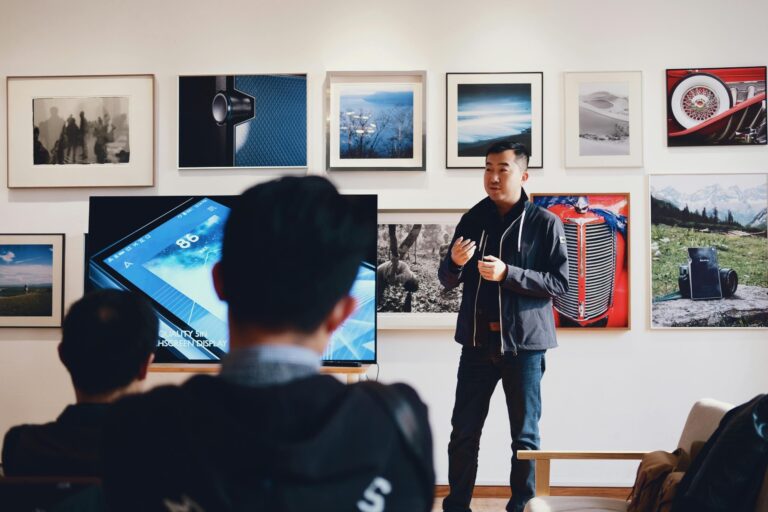
An ISTP workspace setup works best when it removes friction, supports hands-on thinking, and stays completely out of the way until it’s needed. People with this personality type don’t thrive in spaces designed around rigid systems or aesthetic performance. They need a physical and digital environment that responds to how they actually think: fast, tactile, and in the moment.
What separates a great ISTP workspace from a mediocre one isn’t the price of the gear. It’s whether the setup matches the way this type processes problems, moves between tasks, and recharges between bursts of deep focus. Get that alignment right, and the environment quietly amplifies everything this personality does well.
I’ve spent a lot of time thinking about workspace design, partly because my own setup as an INTJ running advertising agencies taught me how much the physical environment shapes cognitive output. And in working through personality type content for Ordinary Introvert, I’ve come to appreciate how differently ISTPs need to approach this compared to other introverted types. If you’re still figuring out where you land on the personality spectrum, take our free MBTI test before building a workspace around assumptions that might not fit.
Our MBTI Introverted Explorers hub covers the full landscape of ISTP and ISFP personality types, from career fit to creative strengths to daily habits. This article focuses on something more specific: the actual products, tools, and environmental choices that help ISTPs do their best work without fighting their own wiring.

What Does an ISTP Actually Need From a Physical Workspace?
Most workspace advice is written for people who want to feel productive. ISTPs need to actually be productive, and those are different design problems. The Myers-Briggs Foundation describes the ISTP type as introverted, sensing, thinking, and perceiving, a combination that creates a person who learns through direct experience, processes information internally, and resists structure imposed from the outside.
In practical terms, that means a workspace needs to do three things well. First, it needs to minimize sensory noise without becoming sterile. Second, it needs to support tactile engagement, because ISTPs think through their hands as much as their minds. Third, it needs to allow for flexible movement between tasks without requiring a full system reset every time priorities shift.
I learned a version of this the hard way during my agency years. We had a creative director who was almost certainly an ISTP, though we didn’t frame it that way at the time. He was brilliant with production problems, the kind of person who could walk into a vendor facility and immediately spot why a print run was producing color drift. But put him at a hot desk in our open-plan office with shared monitors and a rotating chair, and his output dropped noticeably. Once we gave him a fixed corner with his own equipment and a door he could close, the quality of his work returned within a week. The environment was the variable.
For ISTPs, the core ISTP personality type signs point toward someone who needs sensory control, physical engagement, and the freedom to reconfigure their approach without asking permission. A workspace that supports those traits isn’t a luxury. It’s a functional requirement.
Which Desk and Chair Setups Actually Support ISTP Work Patterns?
Standing desks get recommended for almost every personality type, but for ISTPs they’re particularly worth considering. The ability to shift posture mid-task aligns with how this type moves through work: not in long, seated marathons, but in variable bursts of intense focus followed by physical movement. A motorized height-adjustable desk like the Flexispot E7 or the Uplift V2 gives that flexibility without requiring a separate standing mat setup.
What matters more than standing capability, though, is surface area. ISTPs frequently work with physical objects alongside digital tools. Whether that’s disassembled hardware, printed schematics, reference materials, or project components, they need horizontal space to spread things out without stacking. A 60-inch or wider surface isn’t excess. It’s functional clearance.
For seating, the instinct to buy the most ergonomic chair available is understandable, but ISTPs often find ultra-structured chairs frustrating because they constrain movement. A chair with adjustable lumbar support, armrests that move independently, and a seat pan that allows forward tilting tends to work better than one designed around a fixed “correct” posture. The Herman Miller Aeron and the Steelcase Leap both offer that kind of configurability. At a lower price point, the Branch Ergonomic Chair provides similar adjustability without the premium cost.
One thing I’d add from personal experience: don’t underestimate the value of a secondary surface. A small rolling cart or a side table positioned within arm’s reach lets ISTPs keep active project materials close without cluttering the main desk. It creates a natural staging area for whatever is in progress, separate from the cleared space needed for focused work.

What Keyboard, Mouse, and Input Gear Works Best for This Personality Type?
This is where ISTP workspace design gets genuinely interesting, because input devices are one of the few areas where the tactile preference of this type translates directly into a product category. Mechanical keyboards aren’t just a preference for ISTPs. They’re often a functional upgrade.
The physical feedback of a mechanical switch, whether that’s the tactile bump of a Brown switch or the heavier resistance of a Clear, gives ISTPs something their hands can register as confirmation. A 2019 study published through PubMed Central on sensory feedback and motor performance found that tactile response meaningfully affects task accuracy and subjective engagement. For a type that processes information through physical sensation, that feedback loop matters more than it might for someone who prefers abstract input.
Good options in this category include the Keychron K2 or K6 for compact layouts with solid build quality, and the Das Keyboard 4 Professional for those who want a full-size board with genuine weight and durability. If noise is a concern in shared spaces, silent tactile switches like the Gateron Silent Brown offer the physical feedback without the auditory component.
For mice, precision matters more than extra buttons. ISTPs don’t typically want to configure 12 programmable shortcuts. They want a mouse that responds accurately and fits naturally in hand without requiring adjustment. The Logitech MX Master 3 is a reliable choice for its precision scrolling and comfortable grip. For those who prefer a lighter, simpler option, the Logitech G305 wireless mouse delivers clean tracking without unnecessary complexity.
A trackball mouse is worth mentioning here because it appeals to a subset of ISTPs who spend time in detail-heavy work like CAD, photo editing, or technical drafting. The Kensington Expert Mouse and the Logitech MX Ergo both offer precision control with less wrist movement, which reduces fatigue during extended focused sessions.
How Should ISTPs Configure Their Monitor Setup?
ISTPs tend to work across multiple contexts simultaneously, not because they’re multitasking in the scattered sense, but because their work often involves comparing, cross-referencing, or running parallel processes. A single monitor creates artificial bottlenecks in that workflow.
A dual monitor setup with matching screens at the same height and color calibration is the most practical starting point. The LG 27-inch 4K IPS monitors are well-regarded for color accuracy and sharpness without excessive cost. For ISTPs who work primarily in one application at a time but switch frequently between reference and active work, an ultrawide monitor like the LG 34WN80C-B can replace the dual setup with a single continuous field of view, which reduces the visual interruption of crossing a bezel.
Monitor arms are worth the investment here. A dual monitor arm from Ergotron or Fully allows ISTPs to reposition screens instantly as the work context changes, pulling one closer for detailed work, pushing both back for a broader view, or angling them differently for collaboration. That physical configurability aligns with how this type approaches their environment generally: as something to be adjusted to fit the task, not adapted to.
The unmistakable markers of ISTP recognition include a strong preference for tools that respond to them rather than constraining them. Monitor placement is a small but real example of that principle in action.
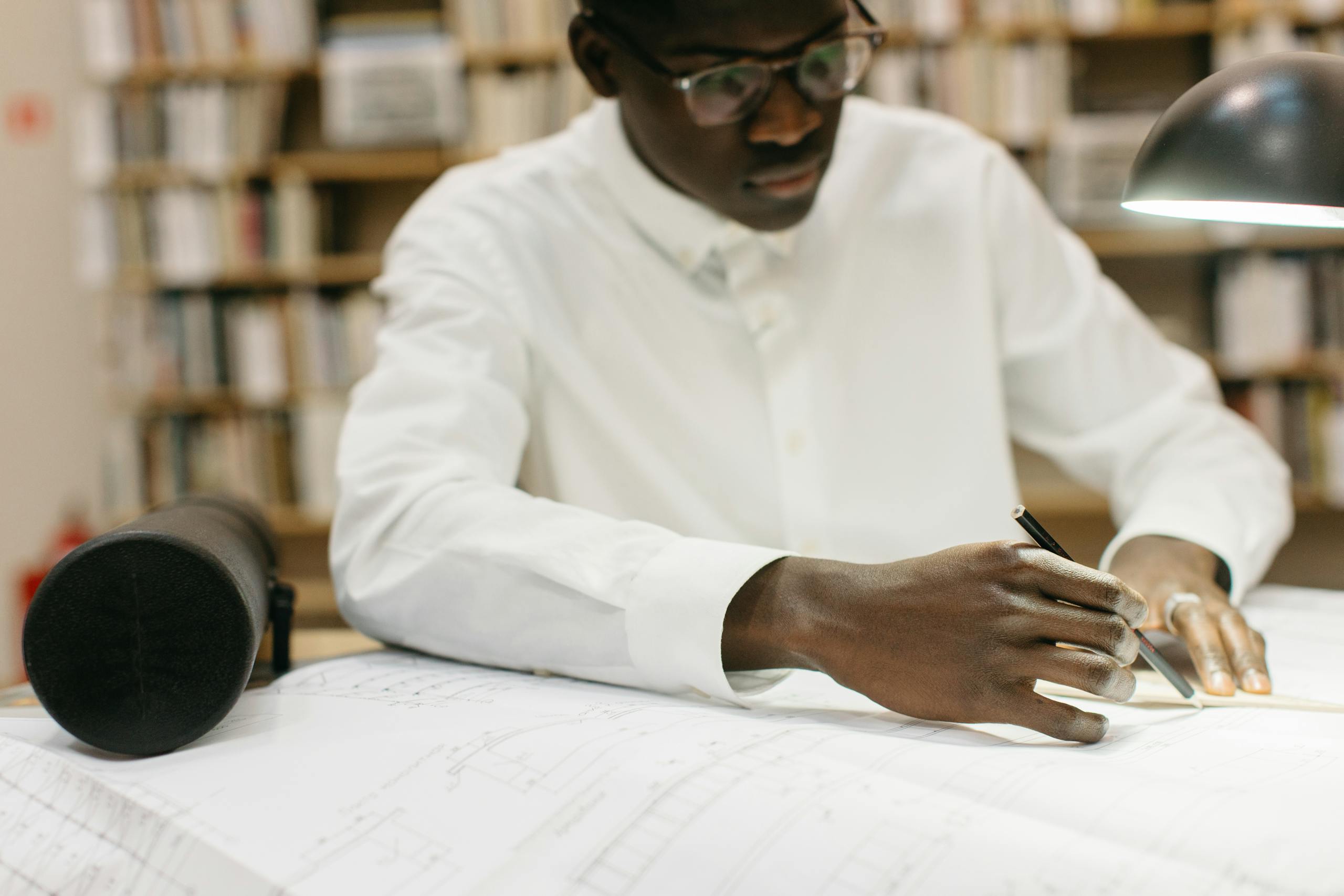
What Lighting and Acoustic Products Help ISTPs Sustain Focus?
Sensory environment has a larger effect on ISTP performance than most workspace guides acknowledge. Because this type processes information through Extraverted Sensing as a dominant function, as Truity explains in their overview of Extraverted Sensing, the quality of incoming sensory data shapes how well they can think. Poor lighting and ambient noise aren’t just uncomfortable. They actively degrade the quality of input the ISTP’s mind is working with.
For lighting, the goal is accurate, adjustable illumination without harsh shadows or blue-light overload during evening work. The BenQ ScreenBar Halo is purpose-built for monitor work, providing even light across the desk surface without screen glare. For ambient room lighting, Philips Hue bulbs with a dedicated scene for focused work offer the ability to shift color temperature throughout the day, warmer tones in the evening to reduce eye strain and support the wind-down that ISTPs need after intense focus sessions.
Acoustic management is equally important. Open-plan offices are genuinely difficult for ISTPs, not because they’re socially anxious, but because unpredictable audio input fragments the internal processing they rely on. At home or in a private office, acoustic panels from brands like Acoustimac or ATS Acoustics reduce echo and ambient noise without requiring a full room treatment. For shared spaces, over-ear noise-canceling headphones are a more immediate solution.
The Sony WH-1000XM5 and the Bose QuietComfort 45 are both excellent in this category. The Sony edges ahead on active noise cancellation quality. The Bose wins on comfort during extended wear. For ISTPs who find over-ear headphones physically distracting during hands-on work, the AirPods Pro offer solid noise cancellation in a less intrusive form factor.
One note on music and background audio: ISTPs vary significantly in whether they work better with silence, instrumental music, or ambient sound. What tends not to work is audio with lyrics in a language they understand, because the language-processing load competes with analytical thinking. Brain.fm and Endel both offer focus-oriented soundscapes specifically designed to support sustained cognitive work without creating that competition.
What Analog Tools Belong in an ISTP Workspace?
There’s a tendency in workspace guides to treat analog tools as nostalgic rather than functional. For ISTPs, that’s a mistake. The hands-on thinking style that defines this type means physical tools often serve a cognitive function that digital alternatives can’t fully replicate.
A large-format whiteboard or a wall-mounted whiteboard panel gives ISTPs a surface for working through problems spatially. Brands like Quartet and Clarus make glass whiteboards that write cleanly, erase completely, and don’t develop the ghost marks that plague cheaper boards. For those who can’t mount a wall board, a large rolling whiteboard from MasterVision provides the same surface with mobility.
Notebooks matter too, though ISTPs typically prefer them for capturing quick observations and working notes rather than elaborate planning systems. The Leuchtturm1917 dotted notebook is a popular choice because the dot grid provides structure without imposing lines. For ISTPs who prefer a more tactile writing experience, the Rhodia Webnotebook offers exceptional paper quality with a lay-flat binding.
The practical intelligence that defines ISTP problem-solving often emerges most clearly when they have physical tools to work with alongside digital ones. A whiteboard session before a complex digital task frequently produces better outcomes than jumping straight into software, because it engages the spatial and tactile thinking that this type does naturally.
Tool organization also deserves mention. ISTPs who work with physical materials, whether that’s hardware, craft tools, or project components, benefit from visible storage rather than closed systems. Pegboards, open shelving, and clear-front drawers keep tools accessible without requiring a search process that breaks focus. The IKEA Skadis pegboard system is a cost-effective starting point. For heavier tools, a Stanley or DeWalt modular storage system provides durability with visible organization.
How Do ISTPs Benefit From Comparing Their Setup to ISFP Approaches?
ISTPs and ISFPs share an introverted, sensing, perceiving foundation, which means their workspace needs overlap more than many people expect. Both types benefit from sensory quality, physical engagement, and environments that don’t impose rigid structure. Where they diverge is in the role that aesthetics and emotional resonance play in the space.
ISFPs, as explored in our look at ISFP creative genius and hidden artistic powers, tend to build workspaces that feel personally meaningful. Color, texture, objects with sentimental value, and visual beauty aren’t decoration for ISFPs. They’re part of how the space supports creative output. ISTPs typically have less investment in the aesthetic dimension, preferring a setup that functions well over one that looks a certain way.
That said, ISTPs can borrow something valuable from the ISFP approach: the idea that a workspace should feel like yours, not like a generic productivity setup. Adding a few objects that have personal significance, whether that’s a piece of equipment you’ve repaired, a photo from a project you’re proud of, or a small collection of something you find genuinely interesting, creates a subtle sense of ownership that supports the autonomous mindset ISTPs work best within.
The ISFP approach to building professional lives around creative authenticity offers a useful frame here. ISTPs don’t need to aestheticize their workspace, but they do benefit from making it unmistakably functional for how they specifically work, rather than how a generic productivity guide suggests they should.

What Happens When an ISTP Workspace Is Wrong for Them?
A misaligned workspace doesn’t just reduce productivity. For ISTPs, it creates a low-grade friction that accumulates over time into something closer to burnout. The National Institute of Mental Health notes that chronic stress and environmental mismatch are significant contributors to mood disruption and cognitive fatigue. For a type that already processes stress internally and rarely asks for accommodation, a bad workspace can quietly drain reserves that should be going toward actual work.
The article on ISTPs trapped in desk jobs captures something important about this dynamic: when the environment fundamentally conflicts with how this type operates, the problem isn’t motivation or discipline. It’s structural incompatibility. A workspace that forces an ISTP into passive, sedentary, visually monotonous conditions will produce declining output regardless of how hard they try to compensate.
Signs that an ISTP workspace is working against them include: difficulty entering focus even on tasks they find genuinely interesting, a tendency to leave the workspace to think through problems, physical restlessness during work that normally holds their attention, and a pattern of doing their best thinking away from the desk. Those aren’t character flaws. They’re diagnostic signals.
The American Psychological Association has noted that environmental control, including the ability to shape one’s immediate surroundings, is meaningfully connected to psychological wellbeing and performance. For ISTPs, that control isn’t about comfort in a passive sense. It’s about having a space that actively supports the way their mind works.
During my agency years, I watched this pattern play out with several team members who I now recognize were likely ISTPs. The ones who struggled most weren’t the ones with the hardest assignments. They were the ones whose physical and digital environments were most out of sync with their working style. The ones who thrived had found ways, sometimes officially, sometimes through quiet workarounds, to configure their space around their actual process.
What Specific Products Should ISTPs Prioritize When Building Their Setup?
Pulling together the threads above into a practical starting point, here’s how I’d think about building an ISTP workspace from the ground up, prioritized by impact.
Start with the chair and desk surface. These are the foundation, and getting them wrong creates problems that no other product can fix. A wide desk surface with height adjustability and a chair that allows movement rather than enforcing posture will have more effect on daily output than any software tool.
Add acoustic control next. Whether that’s noise-canceling headphones for shared environments or acoustic panels for a home office, reducing unpredictable audio input protects the focused processing that ISTPs do best. The Sony WH-1000XM5 is the single product I’d recommend most confidently in this category for its combination of noise cancellation quality and sound fidelity.
Then address input devices. A mechanical keyboard with tactile switches and a precise, comfortable mouse will improve both the experience and accuracy of extended work sessions. The Keychron K2 is a strong starting point that doesn’t require a large investment.
Add a whiteboard or large analog surface for problem-solving work. This is the most underrated item in an ISTP setup because it directly engages the tactile, spatial thinking that this type does naturally and that digital tools often suppress.
Finally, address lighting. The BenQ ScreenBar Halo is a meaningful upgrade for anyone spending significant time at a monitor, and the reduction in eye strain supports longer focused sessions without the fatigue that poor lighting accelerates.
Beyond these five priorities, additional investments in monitor configuration, tool organization, and ambient sound can further refine the setup. But the foundation matters more than the details. An ISTP with a well-configured desk, chair, acoustic environment, input devices, and analog thinking surface is better positioned than one with an elaborate digital stack built on a physically uncomfortable and acoustically chaotic foundation.
The 16Personalities research on personality type communication and environment reinforces something I’ve observed consistently: the physical and sensory environment shapes performance differently across personality types. What works as a productivity setup for an ENTJ or an INFP may actively impede an ISTP. Designing around your actual type rather than generic productivity advice is what separates a workspace that supports you from one that quietly works against you.

There’s something I’ve come to appreciate about this kind of work, helping people match their environment to their actual wiring rather than to a productivity ideal they’ve absorbed from someone else’s experience. My own path to understanding that took longer than it should have. For years I tried to run my agencies from the kind of loud, collaborative, open-plan spaces that were fashionable in the industry. I was convinced that being present in the noise was part of being a good leader. What I eventually figured out was that my best thinking happened in a quiet office with a door, a clean desk, and no competing audio. That wasn’t a weakness. It was just accurate information about how I work. ISTPs deserve that same accurate information about themselves, and a workspace that reflects it.
Find more resources on ISTP and ISFP personality types, careers, and strengths in our complete MBTI Introverted Explorers hub.
About the Author
Keith Lacy is an introvert who’s learned to embrace his true self later in life. After 20 years in advertising and marketing leadership, including running agencies and managing Fortune 500 accounts, Keith now channels his experience into helping fellow introverts understand their strengths and build fulfilling careers. As an INTJ, he brings analytical depth and authentic perspective to every article, drawing from both professional expertise and personal growth.
Frequently Asked Questions
What is the most important element of an ISTP workspace setup?
The most important element is sensory control, specifically acoustic management and surface space. ISTPs process information through direct sensory engagement, so unpredictable noise and cluttered surfaces create cognitive friction that degrades performance more than most people expect. Noise-canceling headphones and a wide, clear desk surface address the two most common environmental obstacles for this personality type.
Do ISTPs work better with standing desks?
Many ISTPs do benefit from standing desks, not necessarily because standing is inherently better, but because the ability to shift posture mid-task aligns with how this type moves through work in variable bursts rather than long sedentary sessions. A motorized height-adjustable desk that allows quick transitions between sitting and standing gives ISTPs physical flexibility that supports their natural work rhythm.
Why do mechanical keyboards appeal to ISTPs?
Mechanical keyboards provide tactile feedback that ISTPs find genuinely useful rather than merely satisfying. Because this type processes information through physical sensation, the physical confirmation of a switch actuation creates a feedback loop that supports accuracy and engagement during extended work sessions. Tactile switches like Brown or Clear variants offer the physical response without the noise level of clicky alternatives.
How is an ISTP workspace different from an ISFP workspace?
Both types benefit from sensory quality, physical engagement, and flexible structure. The primary difference is that ISFPs tend to build workspaces with strong aesthetic and emotional resonance, incorporating color, texture, and personally meaningful objects as part of how the space supports creative output. ISTPs typically prioritize functional configuration over aesthetic coherence, though adding personally significant objects can reinforce the sense of ownership that helps this type work autonomously.
What are the signs that an ISTP workspace isn’t working?
Common signs include difficulty entering focused work even on genuinely interesting tasks, a habit of leaving the workspace to think through problems, physical restlessness during work that normally holds attention, and consistently doing best thinking away from the desk. These patterns indicate structural incompatibility between the environment and the ISTP’s working style rather than motivation or discipline issues. Addressing the physical and acoustic environment typically produces faster improvement than adjusting workflow systems or schedules.