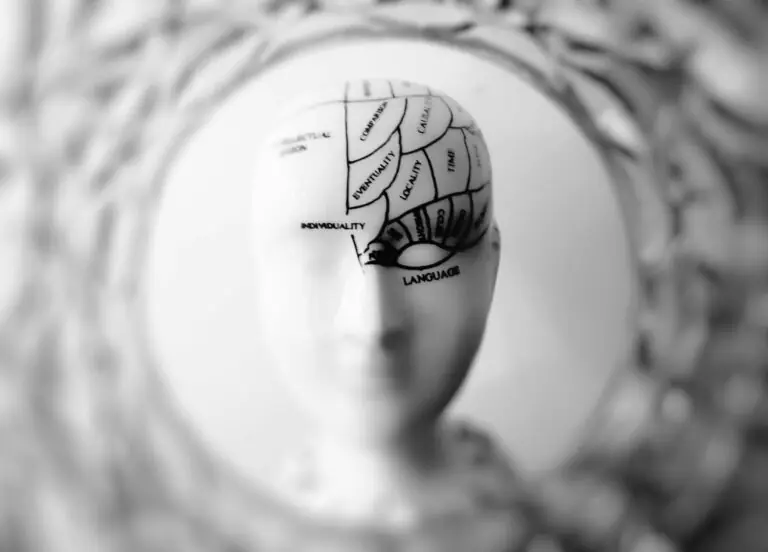
Jason Stephenson sleep meditation offers introverts something that most wind-down routines never quite deliver: a guided path inward that matches the way a deeply processing mind actually works. His voice, his pacing, and his approach to releasing the day’s accumulated weight feel designed for people who spend hours absorbing more than they let on. For introverts managing family life, parenting pressure, or the quiet exhaustion of living in an extroverted world, his meditations have become a reliable way to finally let the mental machinery slow down.
Plenty of sleep tools exist. Very few of them account for the fact that some minds don’t switch off on command. They need a process, a container, something that respects the depth of what’s been held all day before asking it to dissolve.

If you’re exploring the broader landscape of how introverts manage energy within family settings, our Introvert Family Dynamics and Parenting hub covers the full range of challenges that come with raising children, maintaining relationships, and protecting your inner world when the people you love most are also the ones who can drain you fastest.
Why Does Sleep Feel So Hard for Introverts After a Full Day?
There’s a particular kind of tired that introverts know well. It’s not the physical exhaustion that comes from moving your body. It’s the bone-deep fatigue that follows hours of processing other people’s emotions, managing social expectations, and holding space for everyone around you while quietly cataloging every detail of every interaction. By the time the house goes quiet, your body is ready to rest but your mind is still running the day’s footage on a loop.
Career Coaching for Introverts
One-on-one career strategy sessions with Keith Lacy. 20 years of Fortune 500 leadership as an introvert, now helping others build careers that work with their wiring.
Learn More50-minute Zoom session · $175
I ran advertising agencies for over two decades, and the days that wrecked me most weren’t the ones with the heaviest workloads. They were the days packed with client presentations, agency-wide meetings, and back-to-back phone calls where I had to be “on” from eight in the morning until seven at night. By the time I got home, I was physically present but mentally still in the conference room, replaying conversations, analyzing what a client’s tone meant, wondering if I’d read a room correctly. Sleep wasn’t a switch I could flip. It was something I had to work toward.
What the National Institutes of Health has found around temperament and introversion points to something important: the introvert’s nervous system is genuinely wired differently. The sensitivity that makes introverts perceptive and thoughtful during the day is the same sensitivity that keeps the brain active long after it should be resting. This isn’t a character flaw. It’s a neurological reality. And it calls for a sleep approach that acknowledges it rather than fighting it.
Jason Stephenson’s guided meditations work, at least in part, because they don’t try to force the mind into silence. They give it something to do, a gentle focal point, a voice to follow, a visualization to inhabit, while the deeper layers gradually release their grip.
Who Is Jason Stephenson and What Makes His Approach Different?
Jason Stephenson is an Australian meditation guide whose YouTube channel has accumulated millions of followers drawn to his calm, unhurried delivery. His sleep meditations range from body scans to affirmation-based visualizations to deeply immersive guided journeys through peaceful landscapes. What sets him apart from the crowded field of sleep content isn’t any single technique. It’s his tone. He sounds like someone who genuinely believes in what he’s doing, and that belief transmits.
For introverts specifically, that authenticity matters enormously. We’re skilled detectors of performance. When a voice feels forced or manufactured, it creates friction rather than ease. Stephenson’s pacing respects the listener’s intelligence without demanding engagement. You can follow closely or let his words become ambient. Both approaches seem to work.

His catalog includes sleep meditations specifically designed for anxiety, for releasing worry, for people who carry emotional weight from their day. Those themes resonate with introverts who are also parents, caregivers, or partners, people who’ve spent the day being needed in ways that quietly accumulate. If you’re someone who scores high on sensitivity measures, the kind of depth that shows up when you take a Big Five personality traits test, you’ll likely find Stephenson’s slower, more emotionally attuned style far more effective than apps that feel clinical or rushed.
His body scan meditations are particularly worth noting. They ask you to move attention systematically through the body, releasing tension region by region. For someone who’s been holding physical stress in their shoulders and jaw all day without realizing it, that structured attention can feel like setting down a bag you forgot you were carrying.
What Happens in the Introvert Mind Between Bedtime and Sleep?
The gap between lying down and actually falling asleep is where introverts often lose the most ground. In the absence of external demands, the internal processing that was queued up all day finally gets its turn. You replay a conversation from this morning. You work through a problem that doesn’t need solving tonight. You feel the emotional residue of an interaction that seemed fine in the moment but left something unresolved underneath.
This isn’t rumination in the clinical sense, though it can tip that direction under stress. It’s more like the introvert’s natural tendency to process experience thoroughly, happening at the worst possible time. The mind isn’t malfunctioning. It’s doing what it always does. It just needs a redirect.
What research published in PubMed Central has documented around mindfulness and sleep quality suggests that practices which anchor attention to the present moment, whether breath, body sensation, or guided imagery, can interrupt the cycle of pre-sleep cognitive activity that delays sleep onset. Stephenson’s meditations do this without requiring formal mindfulness training. The guidance itself provides the anchor.
One thing I noticed when I started using guided sleep meditation during a particularly brutal stretch of agency work, a period where I was managing a major account transition and fielding calls from nervous clients until late evening, was that the meditation didn’t silence my thoughts. What it did was give my thoughts less oxygen. They were still there, but they stopped feeling urgent. That shift alone was worth the twenty minutes.
How Does Sleep Deprivation Specifically Affect Introverted Parents?
Parenting is demanding for everyone. For introverts, it carries a specific compounding effect that doesn’t get discussed enough. You spend the day managing your own energy carefully, reading rooms, processing interactions, doing the invisible work of being emotionally present. Then you come home to children who need more of exactly that. More presence. More patience. More of the resource that’s already running low.

When sleep suffers on top of that, the introvert parent’s capacity for the quiet, observant, emotionally attuned parenting they’re naturally capable of starts to erode. The sensitivity that makes you a deeply perceptive parent becomes a liability when you’re exhausted. You notice everything, but you have fewer resources to respond to what you notice with the care you want to bring.
This is especially true for highly sensitive parents. If you’ve explored HSP parenting and what it means to raise children as a highly sensitive parent, you’ll recognize this pattern immediately. The same attunement that helps you understand your child’s emotional world can become overwhelming when your own reserves are depleted. Sleep isn’t a luxury in that context. It’s the foundation everything else rests on.
Jason Stephenson has meditations specifically framed around releasing parental worry and anxiety, letting go of the day’s caregiving weight, and returning to yourself before sleep. Those themes land differently when you’re actually living them. There’s something in hearing your experience named, even indirectly, that makes the release feel more possible.
The American Psychological Association’s resources on stress and recovery consistently point toward the importance of genuine psychological rest, not just hours in bed, but actual mental decompression. For introverted parents, guided meditation before sleep can serve as that decompression chamber, a transition between the demands of the day and the restoration the night is supposed to provide.
Which Jason Stephenson Meditations Work Best for Different Introvert Needs?
Not every Stephenson meditation will suit every introvert in every season of life. Part of what makes his catalog valuable is its range. Some nights you need a body scan. Other nights you need a visualization that takes you somewhere else entirely. And some nights you need something that addresses the specific emotional texture of what you’ve been carrying.
For introverts dealing with social exhaustion after high-demand days, his guided visualizations set in natural environments tend to work well. Forests, beaches, mountain paths. These settings give the mind something beautiful to inhabit while the nervous system downregulates. The imagery is specific enough to hold attention without requiring active mental effort.
For introverts processing emotional weight from family dynamics or relationship stress, his affirmation-based meditations offer something different. They’re not aggressive positivity. They’re quiet, measured reminders delivered at a pace that lets them settle rather than bounce off. If you’ve ever found yourself wondering whether your emotional patterns in relationships run deeper than ordinary stress, it might be worth exploring something like a borderline personality disorder test to better understand what you’re working with before assuming sleep is the only variable.
For introverts in recovery from burnout, a state I know well from the years when I was running an agency through a period of rapid growth while simultaneously trying to be present for my family, Stephenson’s longer meditations (some run forty-five minutes to an hour) provide something that shorter practices can’t: enough time for the nervous system to genuinely shift gears rather than just pause briefly before anxiety reasserts itself.

His sleep meditations for anxiety deserve specific mention. Anxiety and introversion aren’t the same thing, but they often travel together, particularly in people who process deeply and feel things intensely. The evidence around mindfulness-based interventions and anxiety is substantial enough to take seriously, and Stephenson’s approach aligns well with the principles those interventions are built on, even in a more accessible, non-clinical format.
Building a Sleep Ritual That Actually Fits an Introvert’s Life
A sleep ritual isn’t about adding more obligations to an already full day. It’s about creating a transition, a signal to your nervous system that the part of the day requiring vigilance is over. For introverts, that transition matters more than most productivity content acknowledges.
What worked for me, after years of trial and error, was treating the hour before bed the way I’d treat the end of a long client engagement. You don’t walk out of a major presentation and immediately start the next one. You decompress. You review. You let the adrenaline metabolize. The same principle applies to the end of any demanding day.
Pairing a Jason Stephenson meditation with other low-stimulation activities creates a layered wind-down that compounds in effectiveness. Dimming lights, putting the phone face-down, maybe journaling briefly to externalize whatever the mind is still holding, and then settling into a meditation that does the final work of releasing what journaling started. That sequence, over time, becomes a reliable signal. Your nervous system learns what’s coming and begins to cooperate.
It’s also worth thinking about what you’re doing for your own self-knowledge in the daytime, because understanding your personality and energy patterns makes it easier to design a life, and a sleep practice, that actually fits you. Tools like a likeable person test or deeper personality assessments can reveal patterns in how you relate to others that affect your evening energy levels more than you’d expect. When you understand why certain interactions cost you more than others, you can make better choices about what you take on and how you recover.
Some introverts find that the caregiving role itself, whether as a parent, a partner, or a professional in a support capacity, shapes their sleep needs in specific ways. If you’re considering work that involves direct personal care, the personal care assistant test online can offer insight into whether your temperament is suited to that kind of sustained giving, and by extension, how much recovery your particular nervous system will require.
Physical health intersects with sleep quality in ways introverts sometimes underestimate. The introvert’s tendency to live primarily in the mental and emotional realm can mean the body gets less deliberate attention. A certified personal trainer test might seem like an odd reference in a sleep article, but the connection between physical movement during the day and genuine sleep quality at night is real and direct. Bodies that have been asked to do something physical are genuinely more ready to rest than bodies that have only been asked to sit and think.
What Does Burnout Recovery Look Like When Sleep Is Part of the Equation?
Burnout for introverts often arrives quietly. There’s no dramatic breakdown. There’s just a gradual dimming, a sense that the things that used to restore you aren’t quite doing the job anymore, that you’re waking up almost as tired as you went to sleep, that your patience is thinner and your enthusiasm is harder to locate.
I went through a period like that in my mid-forties, about three years into running a larger agency than I’d ever managed before. The work was good. The clients were engaged. By any external measure, things were going well. But I was running on fumes and didn’t have the self-awareness at the time to name it clearly. What I noticed first was that sleep had become unreliable. I’d fall asleep fine and wake at three in the morning with my mind already problem-solving.
What eventually helped, alongside some genuine structural changes to how I managed my schedule, was developing a more intentional relationship with sleep as recovery rather than just absence of wakefulness. Guided meditation was part of that shift. It gave the mind something to do with its restlessness rather than leaving it to generate its own content at two in the morning.
The Psychology Today framework around family dynamics and stress points to something important here: the way we manage energy within our closest relationships, including the relationship with ourselves, shapes our capacity for everything else. Sleep isn’t separate from family dynamics. It’s downstream of them. When family life is demanding, sleep suffers. When sleep suffers, family life gets harder. Breaking that cycle requires intentional intervention, and guided meditation is one of the more accessible interventions available.
Recovery from burnout also involves honest self-assessment about what you’re carrying and why. Some of what keeps introverts awake at night is genuinely situational. Some of it is pattern-based, rooted in how we learned to relate to others and to our own needs. Understanding which is which matters. The complexity of blended family dynamics, for instance, adds layers of relational processing that can be particularly taxing for introverts whose nervous systems are already working overtime.
Making Peace With Needing More Recovery Than Others Do
One of the quieter struggles of introvert life is the persistent sense that needing more recovery is somehow a weakness. I spent years in agency leadership watching extroverted colleagues bounce from late client dinners to early morning pitches with what seemed like genuine energy, and feeling vaguely inadequate that I couldn’t match that pace without paying a significant cost. What I’ve come to understand is that the cost was always there for them too. They were just less aware of it, or more comfortable ignoring it.
Introversion, as the Truity personality research community has explored, isn’t about being shy or antisocial. It’s about where your energy comes from and where it goes. Introverts generate energy through solitude and focused thought, and spend it in social and high-stimulation environments. Sleep isn’t just rest for an introvert. It’s the primary recovery mechanism for a system that’s been operating at a level of sensitivity and depth that most people around you don’t fully see.
Treating sleep as a serious priority, building rituals around it, using tools like Jason Stephenson’s meditations deliberately, isn’t indulgence. It’s maintenance. The same way you’d maintain any system that you’re asking to perform at a high level consistently.
What I’ve found, both personally and in conversations with introverts who’ve built sustainable careers and family lives, is that the ones who thrive long-term are the ones who stopped apologizing for their recovery needs and started designing around them. They don’t try to match an extroverted pace and then collapse. They build the recovery in from the start, including the sleep rituals, the quiet evenings, the meditations that help the day’s weight actually leave rather than just redistribute.
If you’re still working out what your own patterns look like across different life domains, there’s more to explore in the Introvert Family Dynamics and Parenting hub, where the intersection of personality, energy management, and relationships gets the attention it deserves.
About the Author
Keith Lacy is an introvert who’s learned to embrace his true self later in life. After 20 years in advertising and marketing leadership, including running agencies and managing Fortune 500 accounts, Keith now channels his experience into helping fellow introverts understand their strengths and build fulfilling careers. As an INTJ, he brings analytical depth and authentic perspective to every article, drawing from both professional expertise and personal growth.
Frequently Asked Questions
What makes Jason Stephenson sleep meditation particularly effective for introverts?
Jason Stephenson’s pacing and tone align well with how introverts process experience. His meditations give the mind a gentle focal point rather than demanding silence, which respects the introvert’s tendency to process deeply rather than switch off abruptly. His authentic delivery also matters to a personality type that’s skilled at detecting when something feels forced or performative.
How long should a Jason Stephenson sleep meditation session be?
His catalog includes options ranging from about fifteen minutes to over an hour. For introverts recovering from particularly demanding days, the longer sessions (thirty to sixty minutes) often work better because they give the nervous system enough time to genuinely shift rather than just briefly pause. Shorter sessions work well for maintenance nights when you’re not carrying as much accumulated tension.
Can guided sleep meditation help with the specific kind of exhaustion introverted parents experience?
Yes, particularly when the meditation addresses emotional release and letting go of caregiving weight. Introverted parents often carry a double load: the social exhaustion of their own day plus the emotional attunement required for parenting. Meditations that specifically acknowledge and release that kind of accumulated emotional labor can be meaningfully restorative in ways that generic sleep hygiene advice doesn’t address.
Is it normal for introverts to take longer to fall asleep than extroverts?
Many introverts do experience a longer transition to sleep, particularly after socially or cognitively demanding days. The introvert’s nervous system tends toward deeper processing, which means the mental activity that was queued up during the day often gets its turn when external demands quiet down. This is a natural feature of how introverted minds work, not a sleep disorder, though it can be managed effectively with intentional wind-down practices.
What should an introvert’s bedtime routine include alongside guided meditation?
A layered approach tends to work best. Dimming lights and reducing screen stimulation at least thirty minutes before bed signals the nervous system that the high-demand portion of the day is ending. Brief journaling can help externalize thoughts that would otherwise cycle during meditation. Then a Jason Stephenson session does the final work of releasing what’s still being held. Physical movement earlier in the day also contributes significantly to sleep quality, as the body genuinely rests better when it’s been asked to do something physical.