

Kerb shyness describes the hesitation a person feels before stepping into a social situation, that brief pause at the edge of a room, a conversation, or a crowd, where something inside pulls back before committing to engage. It is not the same as introversion, and it is not the same as shyness in the clinical sense. It sits in its own quiet category: a moment of social caution that many people recognize instantly, even if they have never had a name for it.
If you have ever stood outside a party longer than you needed to, or hovered near the entrance of a networking event collecting yourself before walking in, you already understand kerb shyness from the inside. What is worth exploring is why it happens, who experiences it most, and what it actually tells us about how we are wired.
Personality is layered in ways that a single label rarely captures. My broader resource on introversion versus extroversion explores the full spectrum of how people relate to the social world, and kerb shyness adds an interesting texture to that conversation. It shows up across personality types, though it tends to feel most familiar to people on the introverted end of things.
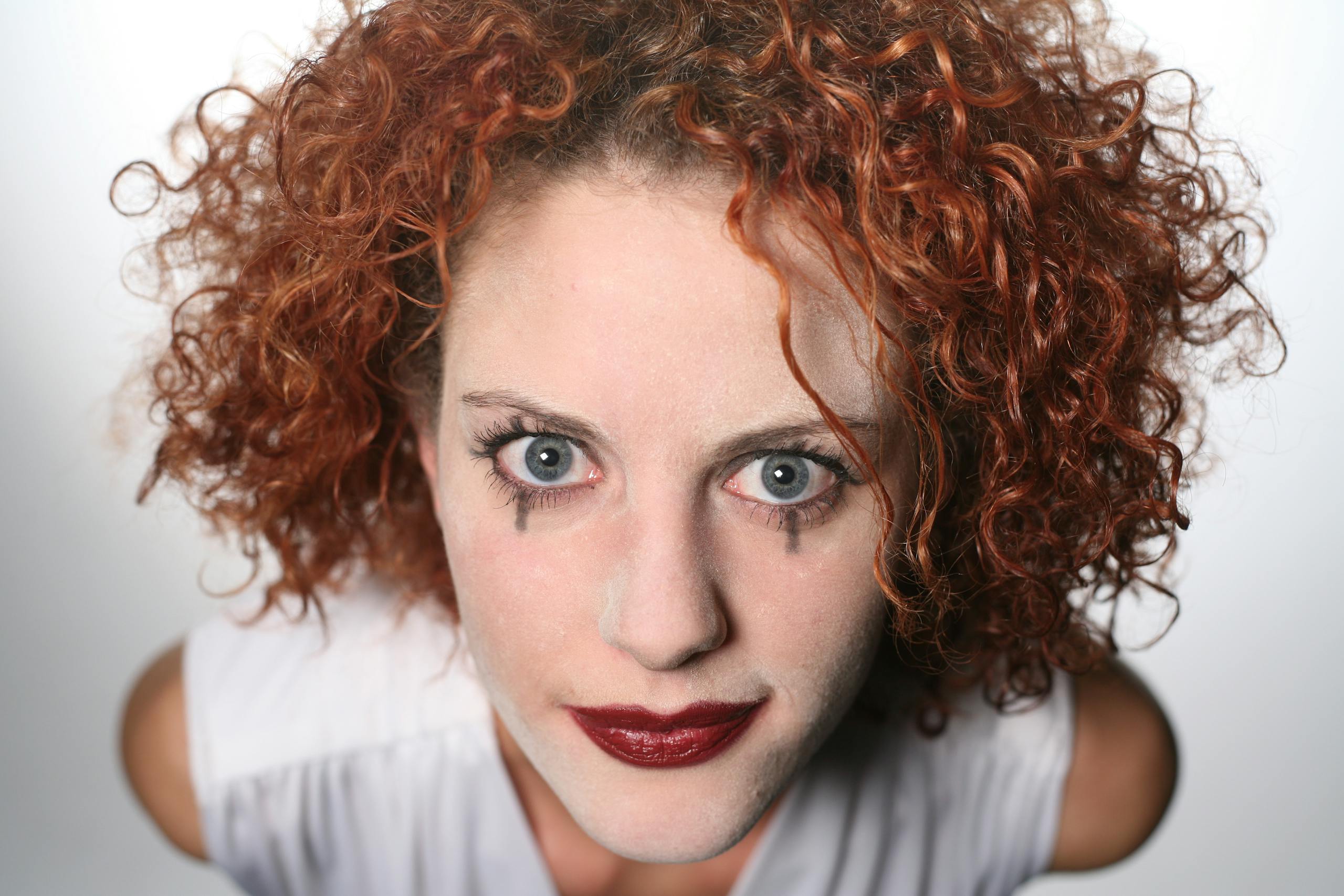
Where Did the Term Kerb Shyness Come From?
The word “kerb” comes from British English, referring to the raised edge of a pavement or sidewalk. Kerb shyness, in its original sense, described the instinct of a horse to hesitate before stepping off a curb onto a road. That physical pause before crossing into uncertain territory became a metaphor, and the metaphor stuck.
What’s your personality type?
Take our free 40-question assessment and get a detailed personality profile with dimension breakdowns, context analysis, and personalised insights.
Discover Your Type8-12 minutes · 40 questions · Free
In everyday language now, kerb shyness refers to the social version of that same hesitation. You are at the threshold of something, and your nervous system briefly pumps the brakes. It is not panic. It is not avoidance. It is a split second of recalibration before you step forward.
I find that metaphor genuinely useful because it captures something the word “shyness” alone does not. Shyness implies a trait, something you carry with you always. Kerb shyness implies a moment, a specific pause in a specific context. That distinction matters enormously when you are trying to understand yourself honestly.
Running advertising agencies for over two decades, I stood at a lot of figurative curbs. Before a new business pitch to a Fortune 500 client. Before walking into a room full of people I did not know at an industry conference. Before picking up the phone to make a cold call I had been mentally preparing for all morning. That pause was always there. What I eventually understood was that the pause was not a problem to fix. It was information.
Is Kerb Shyness the Same as Being Shy?
Not quite, and the difference is worth being precise about. Shyness, as psychologists generally describe it, involves a fear of negative social evaluation. It is anxiety-driven and often persists across many situations. Someone who is shy typically worries about being judged, embarrassed, or rejected, and that worry shapes their behavior in lasting ways.
Kerb shyness is more situational. It does not necessarily involve fear of judgment. It can simply be the experience of needing a moment before entering a new social environment. Many people who would never describe themselves as shy still feel it regularly. Confident professionals, seasoned public speakers, experienced leaders, all of them can feel that brief pull-back before stepping into a room.
What makes this distinction meaningful is that it separates the emotion from the identity. Feeling hesitant before a social situation does not make you a shy person. It makes you someone who is paying attention to what they are about to walk into. That is actually a form of social awareness, not social failure.
One of my account directors at the agency was one of the most effective client relationship managers I have ever watched work. She could read a room, hold difficult conversations, and build trust with skeptical clients in ways that genuinely impressed me. She also told me once that she always needed about sixty seconds outside a client’s office before she went in. She would stand in the hallway, breathe, and organize her thoughts. Kerb shyness, in its clearest form. Not shyness. Not anxiety. Preparation.

Who Experiences Kerb Shyness Most?
Kerb shyness shows up across the personality spectrum, but it tends to be most recognizable to people who process social situations internally before engaging with them externally. That description fits a lot of introverts, but it also fits highly sensitive people, those who identify somewhere in the middle of the introvert-extrovert spectrum, and people who simply prefer intentional engagement over spontaneous immersion.
If you are curious where you fall on that spectrum, the Introvert Extrovert Ambivert Omnivert Test on this site can give you a clearer picture. Understanding your baseline wiring helps you interpret experiences like kerb shyness with more accuracy and less self-judgment.
People who sit at the more introverted end of the spectrum tend to experience kerb shyness because social situations genuinely require more cognitive preparation for them. Entering a new social environment means processing a lot of incoming information quickly: reading people, calibrating tone, deciding how to present yourself. That is not a deficit. It is a different processing style, and the pause before entry is simply the brain doing its work before the situation begins.
That said, extroverts are not immune. Someone who is highly extroverted might still feel kerb shyness in a context that feels unfamiliar or high-stakes. To understand what extroversion actually involves at a neurological and behavioral level, it helps to get clear on what does extroverted mean beyond the social butterfly stereotype. Extroversion is about energy sourcing, not fearlessness.
There is also meaningful variation within introversion itself. Someone who is fairly introverted might feel mild kerb shyness in large group settings but move through one-on-one situations with ease. Someone who is more deeply introverted might feel that threshold hesitation more consistently across social contexts. The fairly introverted vs extremely introverted distinction matters here because the intensity and frequency of kerb shyness often tracks with how far toward the introverted end of the spectrum someone sits.
What Is Actually Happening in That Moment of Hesitation?
That pause at the threshold is not random. Something real is happening neurologically and psychologically in those few seconds before you step in.
Part of what is happening is threat assessment. Your brain is scanning the environment for signals about what kind of situation you are about to enter. Is this safe? Is this familiar? Do I know how to behave here? That scanning process happens quickly and mostly below conscious awareness, but it is why some environments trigger more kerb shyness than others. A room full of strangers triggers more scanning than a dinner with close friends.
There is also an element of identity preparation. Before entering a social situation, many people are implicitly asking themselves: who do I need to be in there? What version of myself fits this context? For introverts especially, this can involve a kind of mental wardrobe change, putting on a more socially engaged self while not entirely leaving behind the quieter, more reflective self underneath.
Personality and social behavior researchers have explored how introversion and extroversion shape these kinds of social approach tendencies. Work published through PubMed Central on personality and social behavior offers useful context on how individual differences in temperament influence the way people enter and experience social environments. The hesitation is not arbitrary. It reflects genuine differences in how nervous systems respond to social stimulation.
As an INTJ, my version of kerb shyness was always tied to preparation. I needed to know what I was walking into before I could engage effectively. Surprise social situations were genuinely harder for me than planned ones, not because I feared them, but because I had not had time to think through the variables. Give me twenty minutes to think about who would be in the room and what the likely dynamics were, and I could walk in with real confidence. Catch me off guard, and that curb felt a lot higher.

How Does Kerb Shyness Relate to Ambiverts and Omniverts?
Kerb shyness is one of those experiences that actually illuminates why the introvert-extrovert binary is too simple a framework for most people. Many people do not sit cleanly at either end of the spectrum, and their experience of social hesitation reflects that complexity.
Ambiverts, people who draw on both introverted and extroverted tendencies depending on context, often experience kerb shyness selectively. They might walk into a professional networking event with ease but pause noticeably before a more personal social gathering where emotional vulnerability feels more likely. The hesitation is context-specific rather than consistent.
Omniverts experience something different again. Where ambiverts tend to blend their tendencies, omniverts tend to swing between them more dramatically. The omnivert vs ambivert distinction is worth understanding if you have ever felt like your social energy is genuinely inconsistent rather than just context-dependent. An omnivert might feel zero kerb shyness on a high-energy day and significant hesitation on a low-energy one, with the same type of social situation triggering completely different responses depending on their current state.
There is also a less commonly discussed category worth mentioning here. The otrovert vs ambivert comparison explores another nuance in how people relate to social energy, and understanding these distinctions can help you interpret your own kerb shyness patterns with more precision. If your hesitation feels tied to specific social contexts rather than a general trait, you may be more ambivert than introvert in your overall wiring.
What I observed managing creative teams across different agencies was that the people who experienced the most kerb shyness were not always the most introverted people in the room. Sometimes they were the people with the most complex relationship to social performance, the ones who cared deeply about how they showed up and wanted to get it right. That is a different thing entirely from being afraid of people.
When Kerb Shyness Becomes a Pattern Worth Examining
Most of the time, kerb shyness is benign. It is a brief pause, a moment of calibration, and then you step in and engage. It does not stop you from living your life or building meaningful connections. Many people experience it regularly without it ever becoming a significant obstacle.
That said, there are situations where the hesitation becomes something heavier. When the pause at the threshold turns into consistent avoidance, when you find yourself declining invitations not because you genuinely prefer quiet but because the anticipatory discomfort feels too large to manage, it is worth paying closer attention. That shift moves kerb shyness from a temperamental quirk into something that might benefit from more deliberate attention.
Social anxiety, which is distinct from both shyness and introversion, can sometimes masquerade as kerb shyness. The difference lies in what is driving the hesitation. Kerb shyness is generally about preference and preparation. Social anxiety involves a more persistent fear of negative evaluation that does not resolve once you are actually in the situation. If the discomfort continues well into social interactions rather than dissolving once you have engaged, that pattern is worth exploring with a professional.
Perspectives on how introverts and those with social anxiety can approach social settings differently are explored in resources like Psychology Today’s writing on deeper conversations and social needs, which touches on why some people find certain kinds of social engagement genuinely energizing while others find the same situations draining regardless of their anxiety levels.
At the agency, I had a junior copywriter who would spend the first twenty minutes of every client presentation visibly uncomfortable, then settle into genuine confidence once the work started being discussed. That was kerb shyness resolving itself naturally through engagement. I had another colleague whose discomfort did not diminish once the meeting started. He would leave every client interaction more depleted than when he entered, regardless of how it went. Those are two very different experiences wearing similar clothes.

Working With Kerb Shyness Instead of Against It
Once you stop treating kerb shyness as a flaw to overcome, you can start working with it as a signal worth respecting. The hesitation is telling you something. What exactly depends on the situation.
Sometimes it is telling you that you need more information before you feel ready. In those cases, doing a small amount of preparation before social situations, knowing who will be there, having a sense of the agenda, understanding the purpose of the gathering, can significantly reduce the intensity of the pause. You are not eliminating the kerb shyness. You are giving your brain the data it needs to feel less exposed at the threshold.
Sometimes the hesitation is telling you that the situation genuinely does not suit you, and that is worth honoring too. Not every social obligation deserves your energy. Part of embracing introversion is developing the discernment to know the difference between a situation that requires a brief pause before engaging and a situation that you would genuinely be better off declining.
For those who want to understand how they handle the tension between introverted and extroverted tendencies in social situations, the introverted extrovert quiz can be a useful starting point. It helps clarify whether your social hesitation is rooted in introversion, in a more blended personality style, or in something else entirely.
One practical approach I developed over years of running client-facing work was what I privately called the “anchor conversation.” Before any large social or professional event, I would identify one person I genuinely wanted to connect with and make that conversation my goal for the evening. Not networking broadly. Not working the room. One real conversation. That reframe transformed the kerb shyness from a vague anxiety about the whole event into a specific, manageable intention. The curb felt much lower when I knew exactly where I was stepping.
There is also value in simply acknowledging the pause rather than fighting it. Some of the most effective communicators I have worked with had a version of this hesitation and had learned to use it productively. They took that moment at the threshold to observe the room, read the dynamics, and decide where to direct their attention. What looked like hesitation from the outside was actually strategic assessment. That reframe alone can shift kerb shyness from something that feels like weakness into something that functions like a quiet advantage.
Conflict resolution in professional settings also benefits from this kind of deliberate pause. Insights on how introverts and extroverts can approach disagreements with more awareness, including that moment of calibration before engaging, are worth exploring. The 4-step introvert-extrovert conflict resolution plan from Psychology Today touches on how personality differences shape the way people enter difficult conversations, which connects directly to what kerb shyness looks like in high-stakes professional moments.
Kerb Shyness in Professional Life
Professional environments create some of the most consistent triggers for kerb shyness because the stakes feel higher and the performance expectations are more explicit. Walking into a job interview, entering a room where you do not know anyone at a company event, approaching a senior leader you have never spoken to before: all of these are situations where the threshold hesitation tends to be most pronounced.
What is interesting is that professional success does not eliminate kerb shyness. Some of the most accomplished people I worked with over two decades in advertising still felt that pause before high-stakes situations. What changed as they grew in their careers was not the absence of the hesitation but their relationship to it. They had learned to trust that the pause would pass and that what came after it was competence they had already proven.
For introverts in sales, marketing, or client-facing roles, kerb shyness can feel particularly inconvenient because those roles seem to demand constant, frictionless social engagement. Perspectives on how introverts can build genuine professional effectiveness in these spaces, without performing extroversion, are explored in resources like Rasmussen’s writing on marketing for introverts, which makes the case that introvert strengths in depth, listening, and preparation are genuine professional assets rather than liabilities to compensate for.
Negotiation is another professional context where kerb shyness shows up in interesting ways. The instinct to pause and assess before engaging can actually be advantageous in negotiation settings, where reading the other party carefully before committing to a position is often the difference between a good outcome and a rushed one. Harvard’s Program on Negotiation has explored whether introverts are at a disadvantage in negotiation, and the findings are more nuanced than the conventional assumption that extroverts have the edge.
My own experience pitching new business confirmed this. The moments before a major pitch were always charged with that kerb shyness energy, that pause at the edge of something significant. But the preparation I had done because of my introverted processing style meant that once I stepped in, I was rarely caught off guard. The hesitation and the preparation were two sides of the same coin.
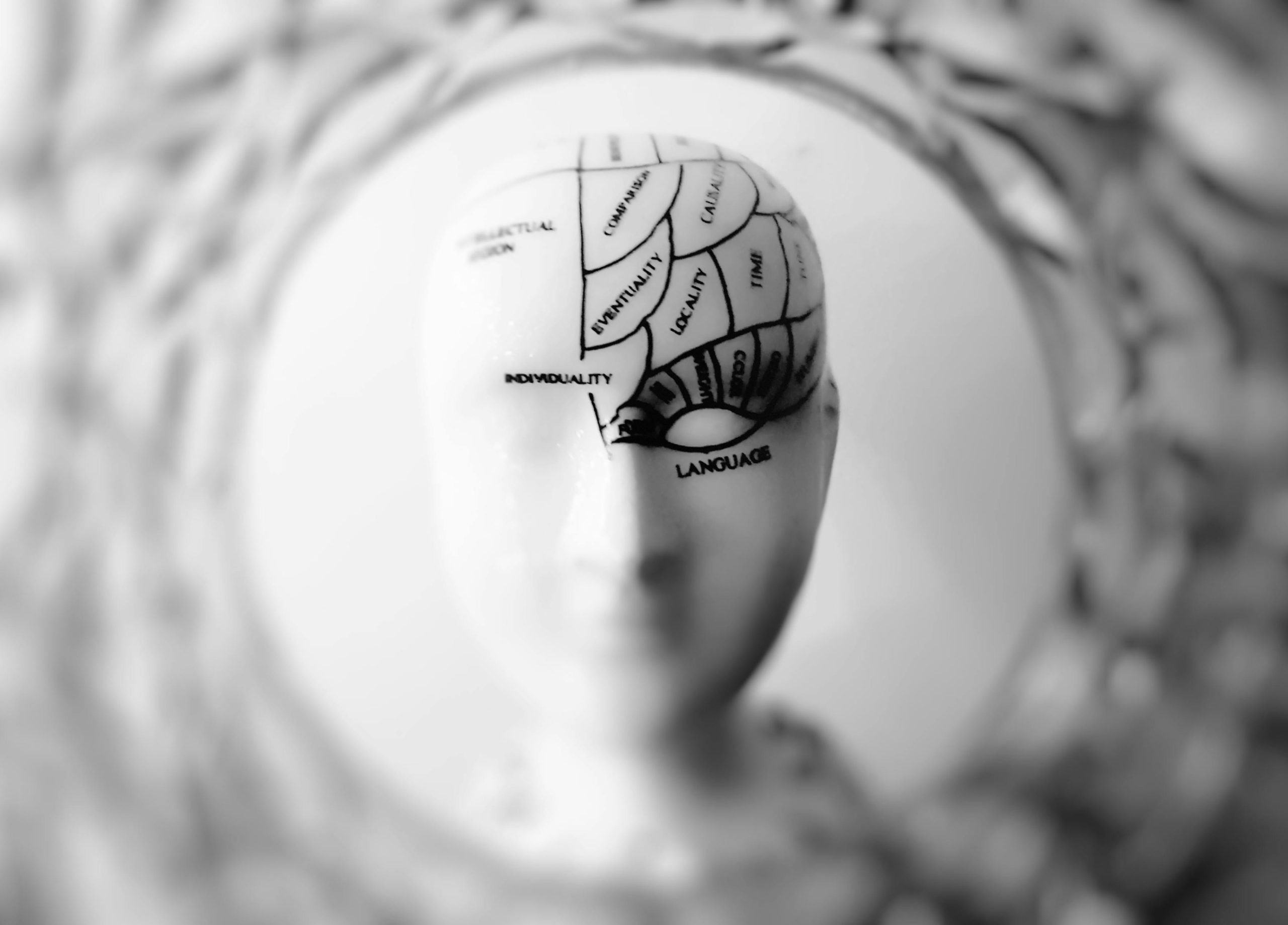
What Kerb Shyness Is Not Telling You
Perhaps the most important thing to understand about kerb shyness is what it does not mean. It does not mean you are broken. It does not mean you are socially incapable. It does not mean you will always struggle in social situations. And it absolutely does not mean you need to become a different kind of person to live a full and connected life.
The cultural pressure to move through social situations without hesitation, to enter every room with immediate confidence and effortless ease, is a pressure that disproportionately disadvantages people who are wired for internal processing. It treats one style of social engagement as the default and everything else as a deficit. That framing is worth questioning.
Personality research continues to refine our understanding of how individual differences in social behavior relate to broader wellbeing and functioning. Work published in Frontiers in Psychology on personality and social behavior offers a more textured view of how traits like introversion and social caution relate to life outcomes, moving away from simple hierarchies of better and worse social styles.
Additional research available through PubMed Central on temperament and social behavior reinforces the idea that hesitation before social engagement is a normal variation in human experience, not a pathology requiring correction.
Spending years trying to move through the world like someone who did not experience kerb shyness cost me a lot of energy I did not need to spend. When I stopped performing frictionless confidence and started working with my actual temperament, including the pauses, the preparation, and the preference for depth over breadth in social engagement, my professional relationships actually improved. The people I connected with got a more genuine version of me, and genuine connection turned out to be more useful than polished performance in almost every context that mattered.
Kerb shyness, in the end, is a small and very human experience. It is the moment before the moment. And for a lot of us, what happens in that brief pause is some of our most honest and useful thinking.
There is a lot more to explore when it comes to how introversion, extroversion, and everything in between shapes the way we move through social and professional life. My complete resource on introversion versus extroversion covers the full range of these personality dynamics, from the neuroscience to the lived experience.
About the Author
Keith Lacy is an introvert who’s learned to embrace his true self later in life. After 20 years in advertising and marketing leadership, including running agencies and managing Fortune 500 accounts, Keith now channels his experience into helping fellow introverts understand their strengths and build fulfilling careers. As an INTJ, he brings analytical depth and authentic perspective to every article, drawing from both professional expertise and personal growth.
Frequently Asked Questions
What is the kerb shyness definition in simple terms?
Kerb shyness refers to the brief hesitation a person feels before stepping into a social situation. The term comes from the image of pausing at the edge of a curb before crossing, and it describes that moment of social caution at the threshold of a gathering, conversation, or unfamiliar environment. It is not the same as clinical shyness or social anxiety, and it does not imply a lasting social difficulty. Many people experience it as a momentary pause that resolves once they engage.
Is kerb shyness the same as introversion?
No, though they often overlap. Introversion is a stable personality trait related to how a person sources and manages energy, specifically a preference for quieter, less stimulating environments and a tendency to recharge through solitude. Kerb shyness is a situational behavior, a momentary hesitation before social engagement, that can be experienced by introverts, extroverts, and everyone in between. Introverts may experience it more frequently because they tend to process social situations internally before engaging, but the experience is not exclusive to them.
How is kerb shyness different from social anxiety?
Kerb shyness is generally a brief, situational hesitation that resolves once a person enters and engages with the social environment. Social anxiety involves a more persistent and often intense fear of negative evaluation that does not necessarily diminish once the situation begins. Someone with social anxiety may continue to feel significant discomfort throughout an interaction, whereas someone experiencing kerb shyness typically finds that the hesitation fades quickly once they are engaged. If the discomfort persists well into social situations and consistently affects your ability to participate, it may be worth speaking with a mental health professional.
Can extroverts experience kerb shyness?
Yes. While kerb shyness is more commonly associated with introverts, extroverts can experience it in contexts that feel unfamiliar, high-stakes, or emotionally vulnerable. Extroversion describes where a person sources their energy, not a complete absence of social hesitation. An extrovert who is highly comfortable in casual social settings might still feel a meaningful pause before a job interview, a first date, or a professional situation where the stakes feel particularly high. The hesitation is human rather than exclusively introverted.
How can I manage kerb shyness in professional settings?
Working with kerb shyness rather than against it tends to be more effective than trying to eliminate it. Practical approaches include doing a small amount of preparation before social or professional events, such as knowing who will be present and having a clear sense of purpose for the interaction. Setting a specific, manageable intention, such as one meaningful conversation rather than broad networking, can also reduce the size of the threshold. Over time, many people find that acknowledging the pause rather than fighting it allows them to move through it more fluidly. The hesitation is often information worth using, not a reflex worth suppressing.